
Injection Molding Machine Built-in Hydraulic Cylinder Linear Displacement Sensor Selection
Injection molding machines rely on precise hydraulic cylinder position feedback for clamping, injection, ejection, and mold adjustment. When selecting a built-in linear displacement sensor, start with stroke and installation space. The sensor must fit inside the cylinder, so rod bore, mounting flange, and magnet arrangement are critical. Choose a magnetostrictive or compact linear sensor rated for the working pressure, typically 25-35 MPa, with a burst safety margin. For hydraulic cylinders, protect the probe, seals, and pressure port from pressure peaks and oil contamination. Confirm accuracy and repeatability: +/-0.05% FS or better is common for injection and clamp control. The output signal must match the controller - 4-20 mA, 0-10 V, SSI, CANopen, or analog. Digital interfaces can improve noise immunity and diagnostics, but confirm PLC or drive compatibility. Check response speed for high-cycle injection. The sensor should resist hydraulic oil, temperature rise, shock, vibration, and EMI. For high-speed injection, verify update rate and filtering to prevent control lag. Specify IP67/IP69K protection, pressure-resistant housing, and a proven sealing design. Cable routing and connector access should allow maintenance without cylinder removal. Request test data and a sample evaluation before mass installation. Finally, validate long-term stability, OEM compatibility, lead time, and cost. A well-matched built-in sensor improves repeatability, reduces scrap, and keeps molding cycles stable.
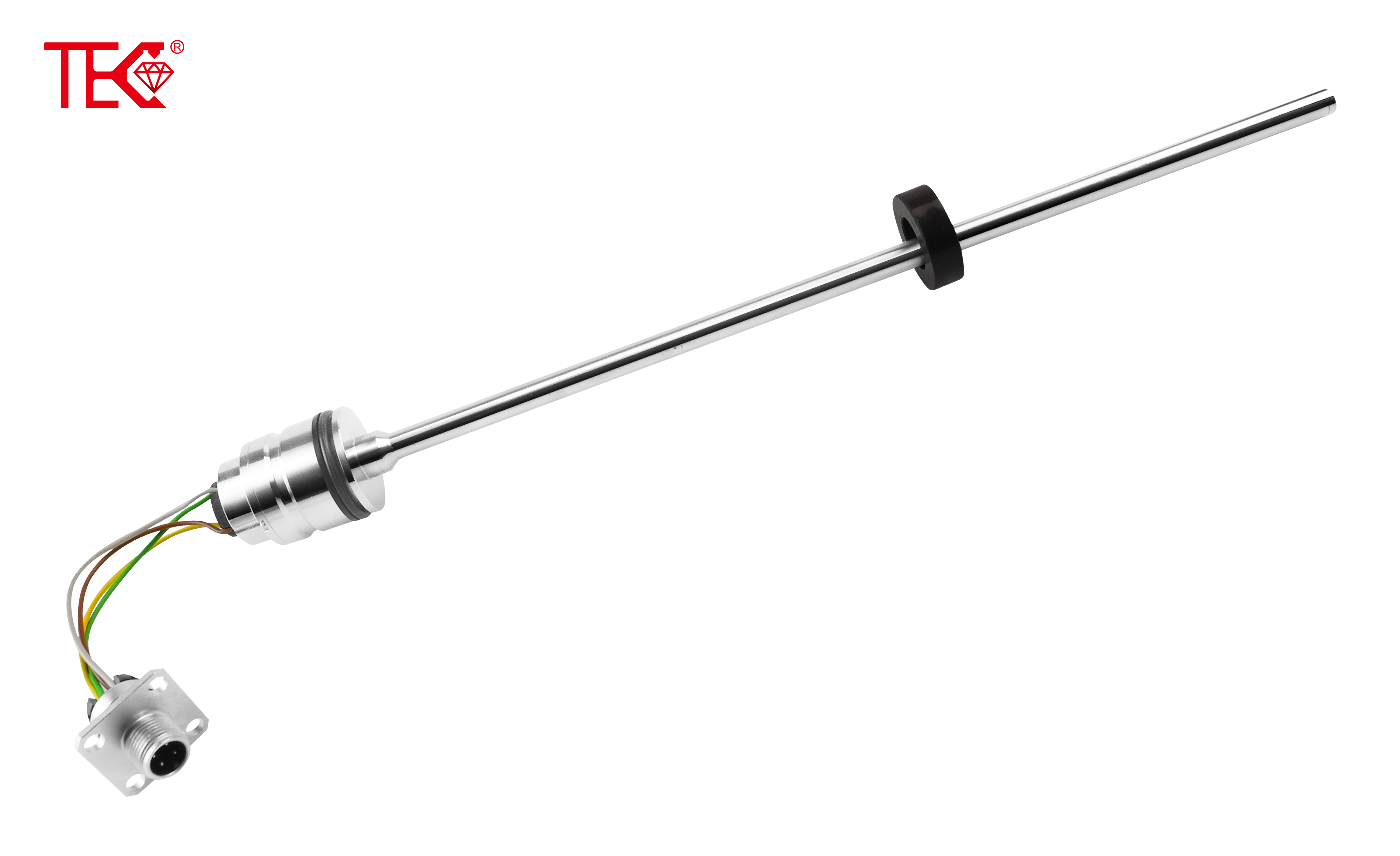 Injection Molding Machine Buil
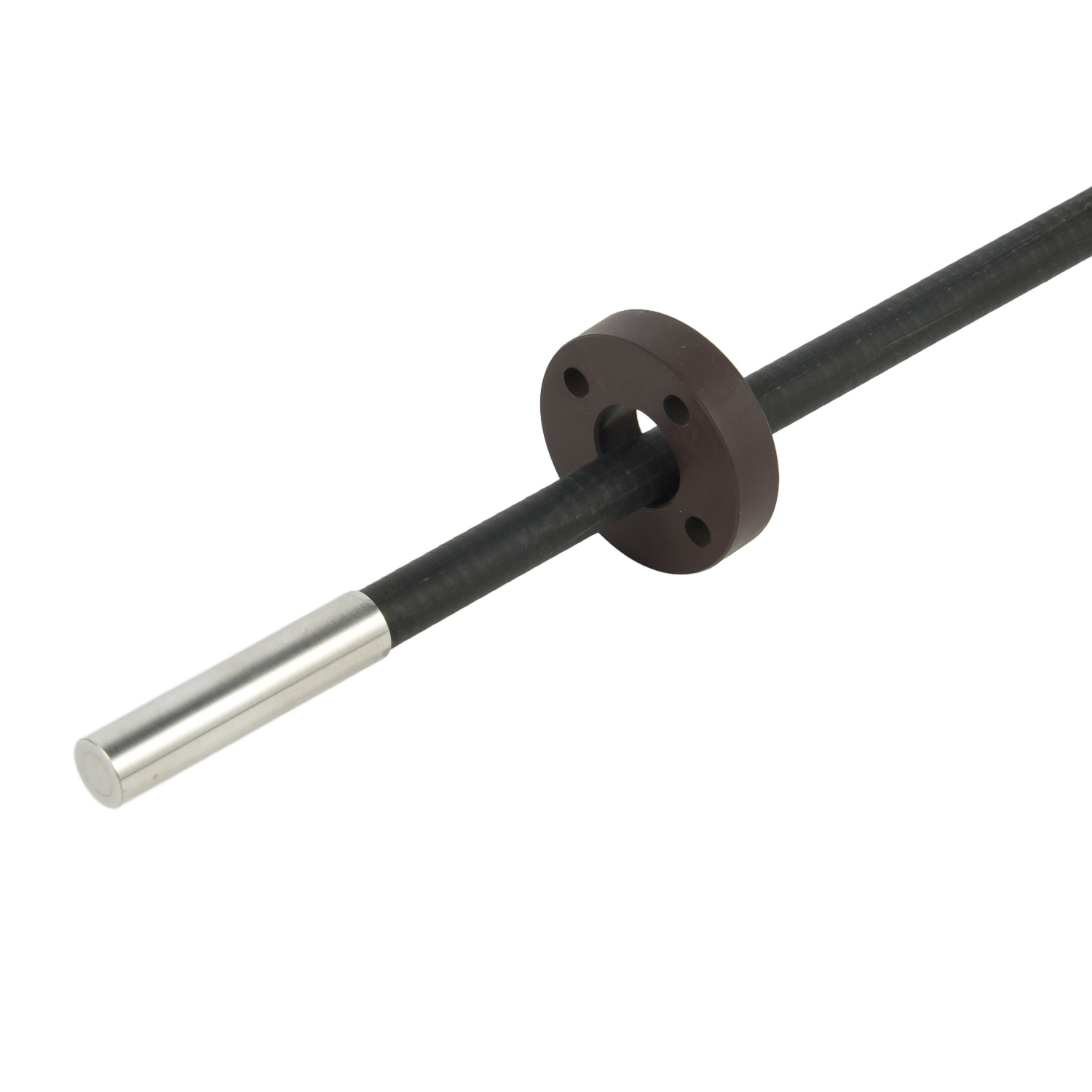 Hoist High-temperature Linear
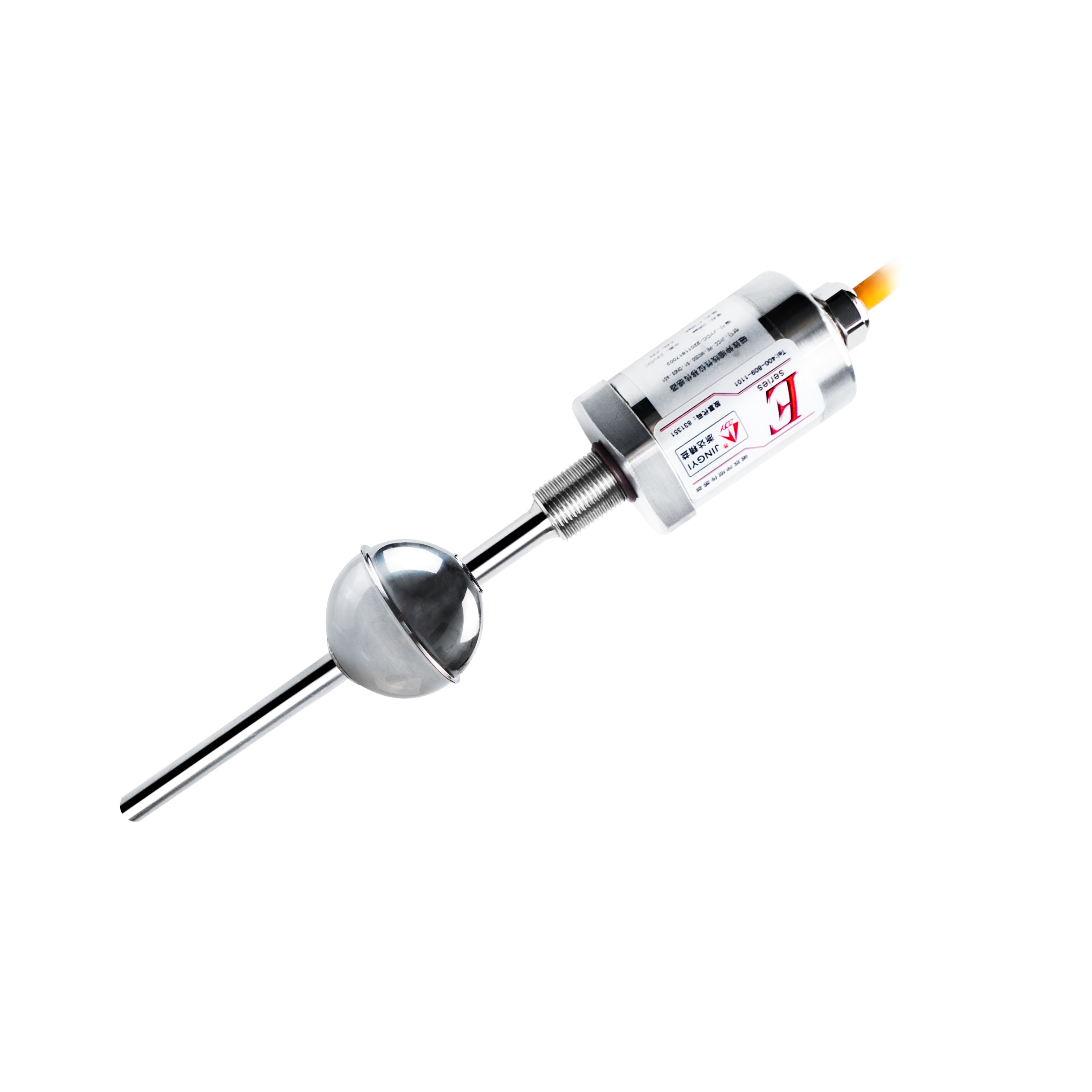 Gate Explosion-proof Linear Di
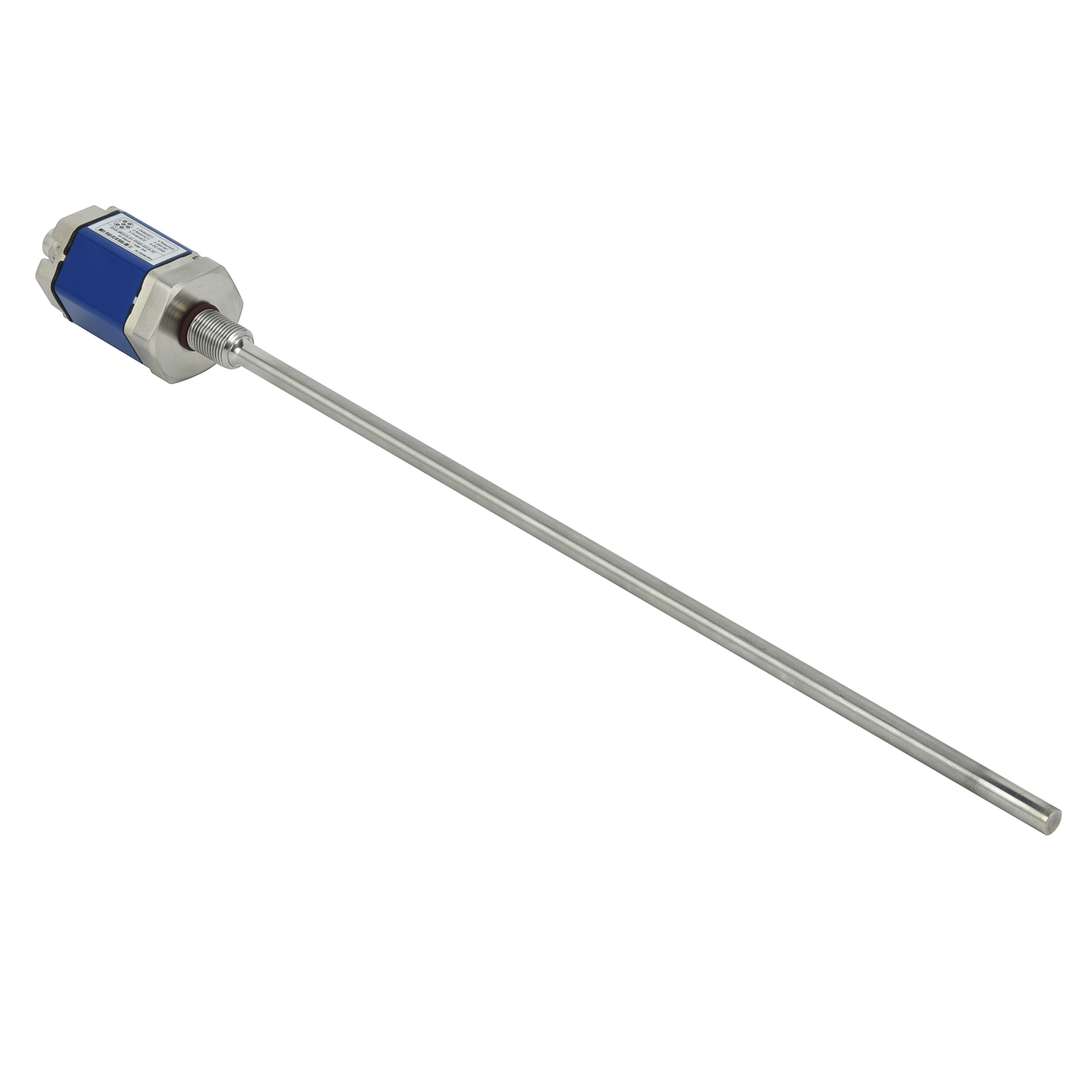 Silo Rod-type Linear Displacem