
Silo Rod-type Linear Displacement Sensor Fault
Silo rod-type linear displacement sensors play a key role in measuring material level and gate position. A fault can appear as unstable readings, no output signal, sudden drift, or mechanical jamming. Common causes include rod wear, dust and moisture ingress, cable damage, loose connectors, power supply fluctuation, electromagnetic interference, and incorrect calibration. To diagnose the problem, first isolate the sensor from the control system and inspect the rod for bending, corrosion, or material buildup. Clean the rod gently and confirm that it moves freely through its full stroke. Check the mounting bracket for looseness, because vibration can change rod alignment and produce false displacement values. Next, check supply voltage and output signal with a multimeter or PLC diagnostics. Verify cable shielding, grounding, and connector tightness, because poor grounding often causes noise and drift. Inspect the cable jacket for cuts, crushed sections, and water entry, and replace damaged cables immediately. If the signal is still incorrect, recalibrate the zero and span according to the manufacturer instructions. In dusty silo environments, install protective covers, reduce vibration, and replace worn seals promptly. If the rod is bent or the internal electronics are damaged, replace the sensor instead of repeated adjustment. Keep records of readings, alarms, and maintenance. Regular inspection prevents repeat faults, improves measurement accuracy, and extends sensor service life.
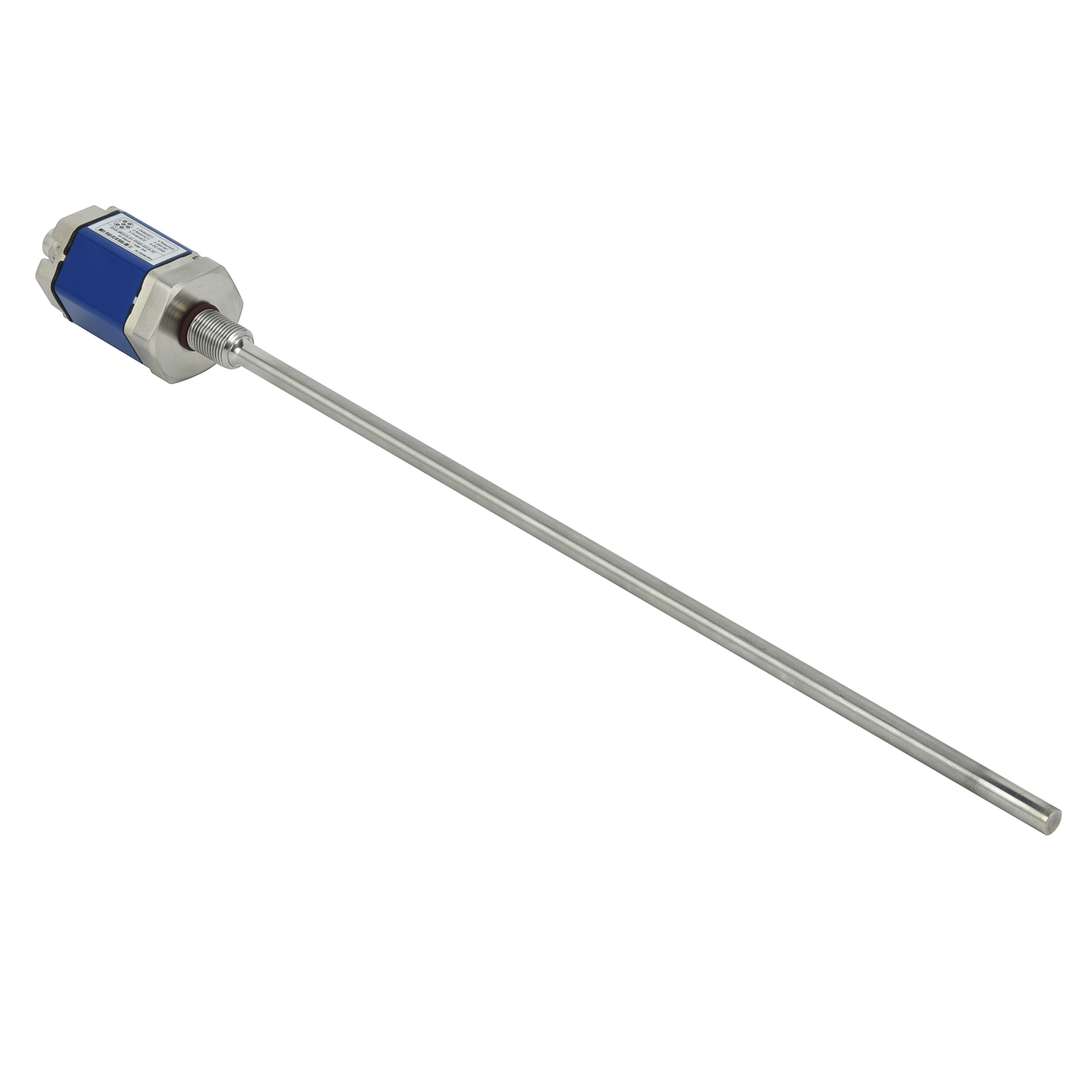 Silo Rod-type Linear Displacem
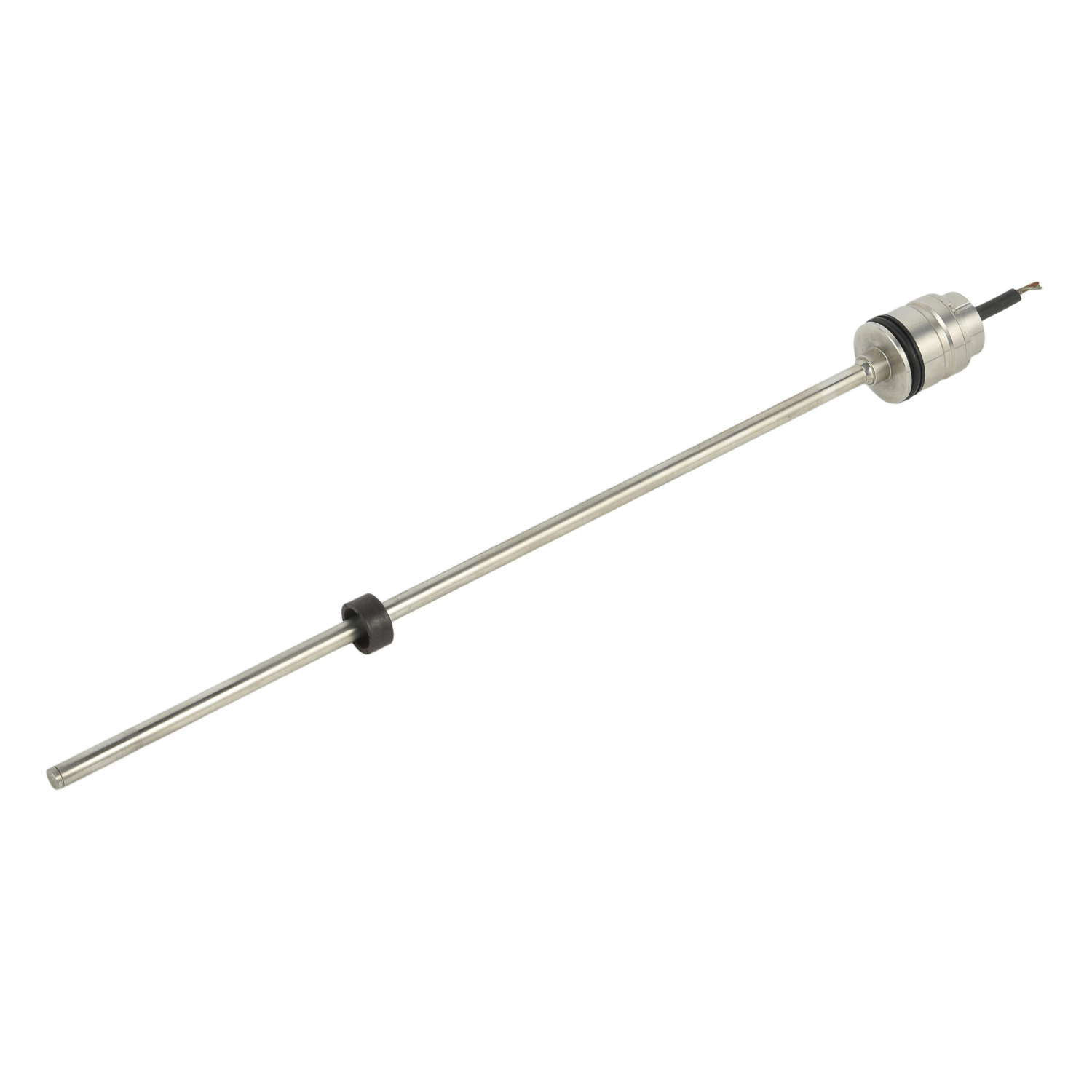 Reaction Kettle Flange-mounted
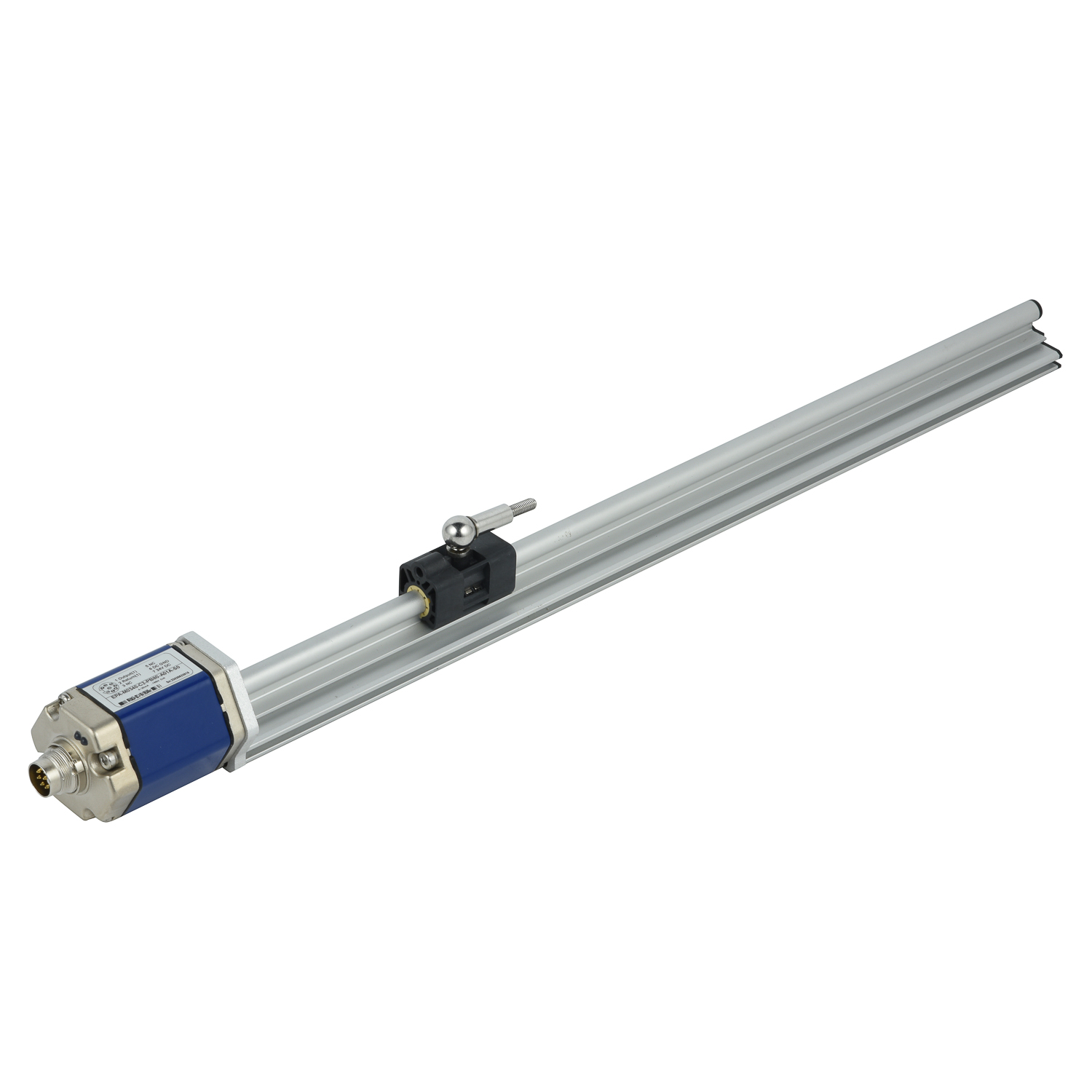 Storage Tank Non-contact Linea
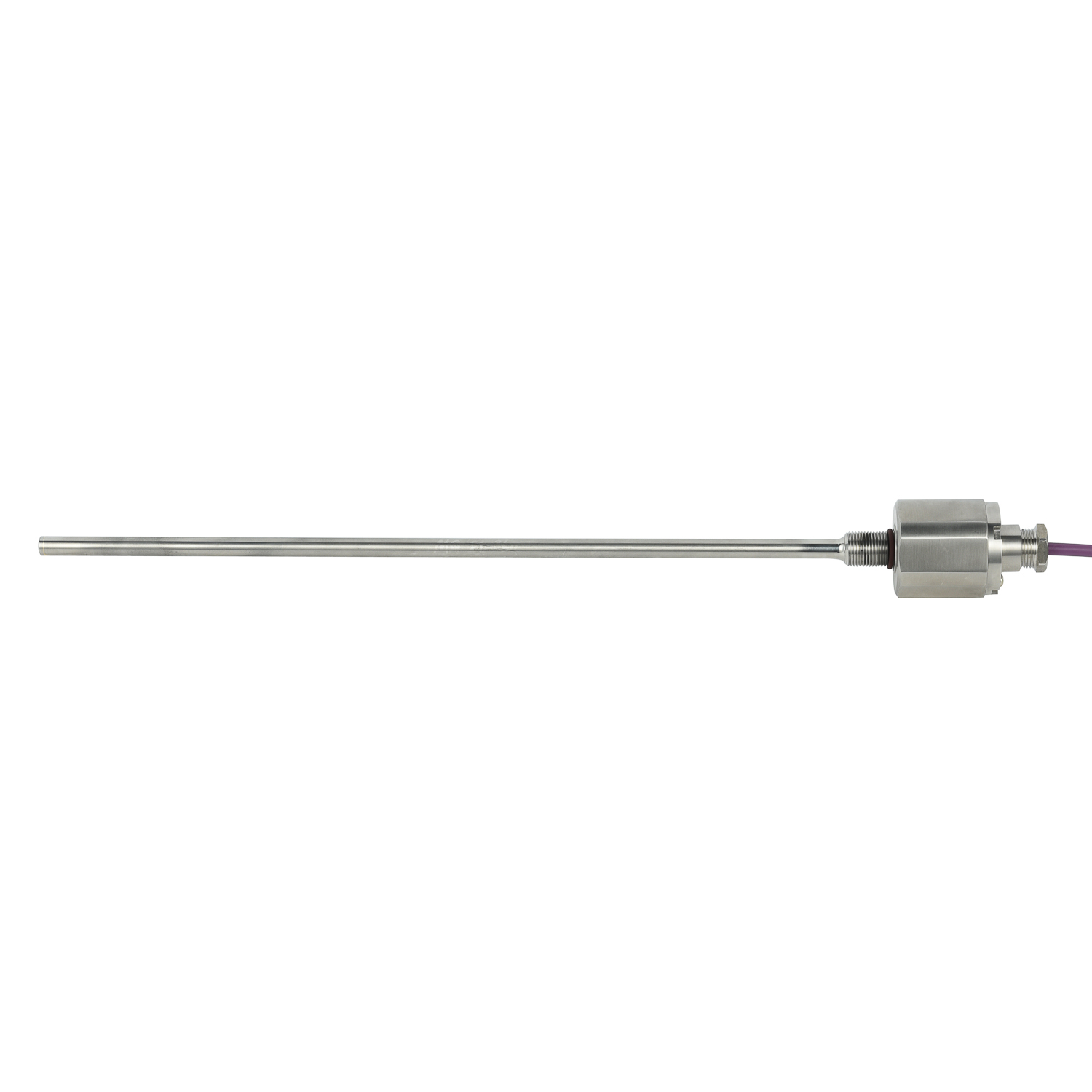 Material Tank Intrinsically Sa