
Reaction Kettle Flange-mounted Linear Displacement Sensor Field Application
In chemical and pharmaceutical plants, reaction kettles operate under high temperature, pressure, and corrosive conditions. A flange-mounted linear displacement sensor provides measurement of agitator shaft movement. Mounted on the top flange or a dedicated nozzle, it measures axial displacement caused by thermal expansion, pressure fluctuation, and load changes, and radial runout.
In field use, the sensor is installed with a stainless-steel flange, sealing gasket, and protective guide. The measuring rod or non-contact target is aligned to the shaft reference surface. During commissioning, technicians set the zero point at ambient conditions and record alarm thresholds. This helps identify abnormal shaft lift, seal gap variation, bearing wear, or agitator imbalance before damage occurs.
The application is valuable for mechanical seals. Excessive axial displacement can change seal face loading or cause vessel contact. Continuous data help protect the seal, reduce unplanned shutdowns, and support predictive maintenance. The flange design simplifies retrofit and keeps wiring outside the process chamber.
For harsh environments, choose sensors with corrosion-resistant housing, IP67 or higher protection, high-temperature isolation, and explosion-proof certification. Regular calibration, cable inspection, and target cleaning ensure stability. With installation, flange-mounted linear displacement sensors deliver feedback for reaction kettle safety, product quality, and maintenance planning.
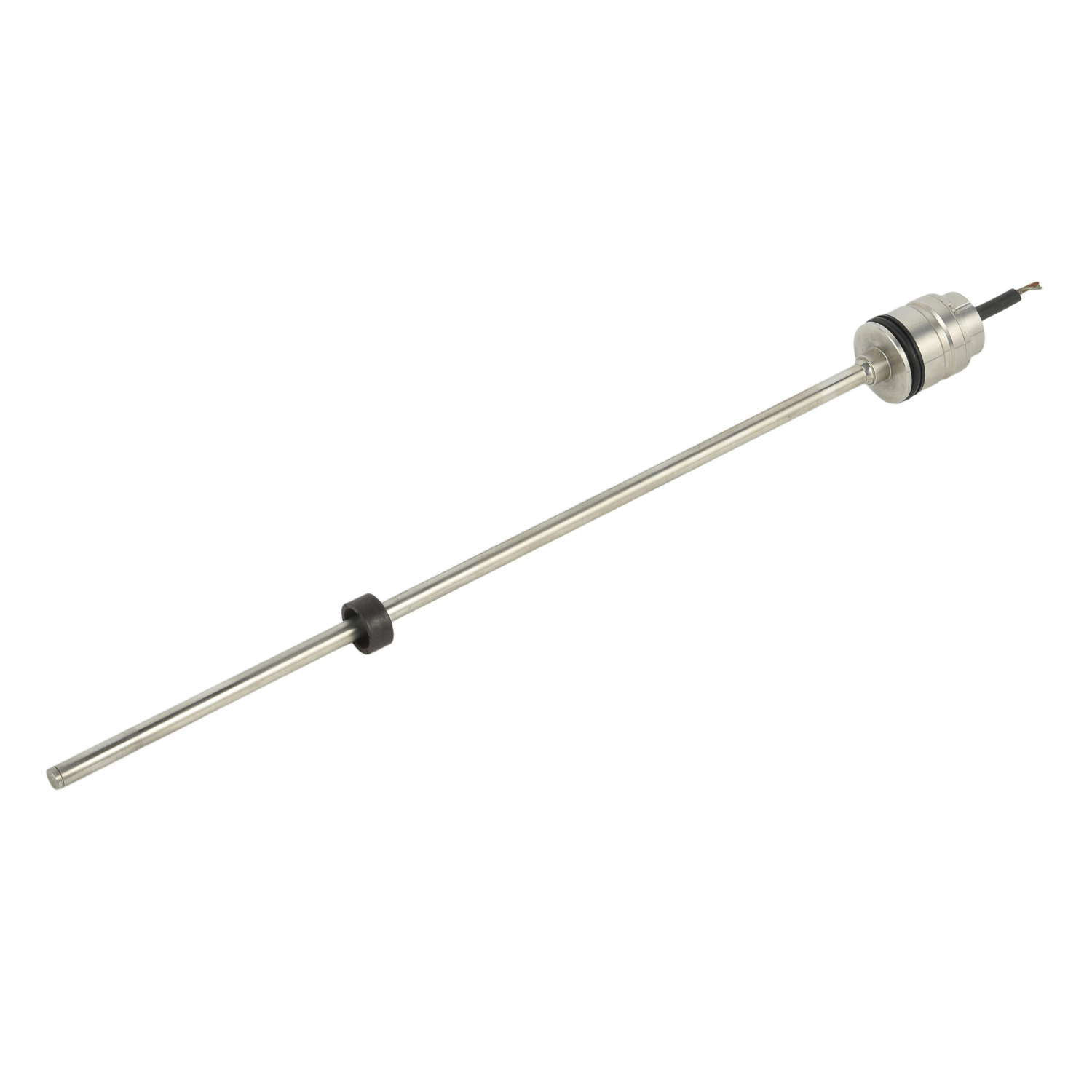 Reaction Kettle Flange-mounted
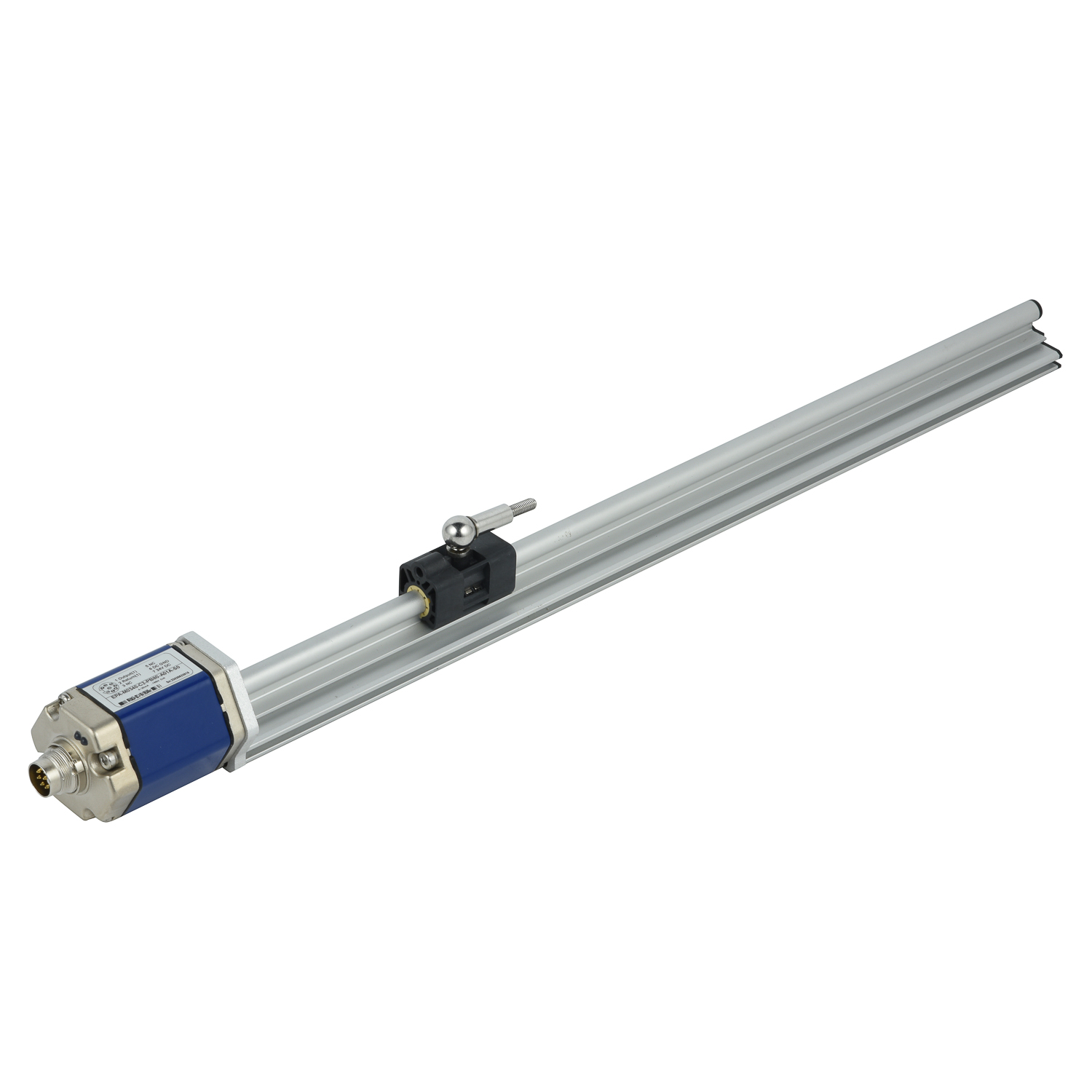 Storage Tank Non-contact Linea
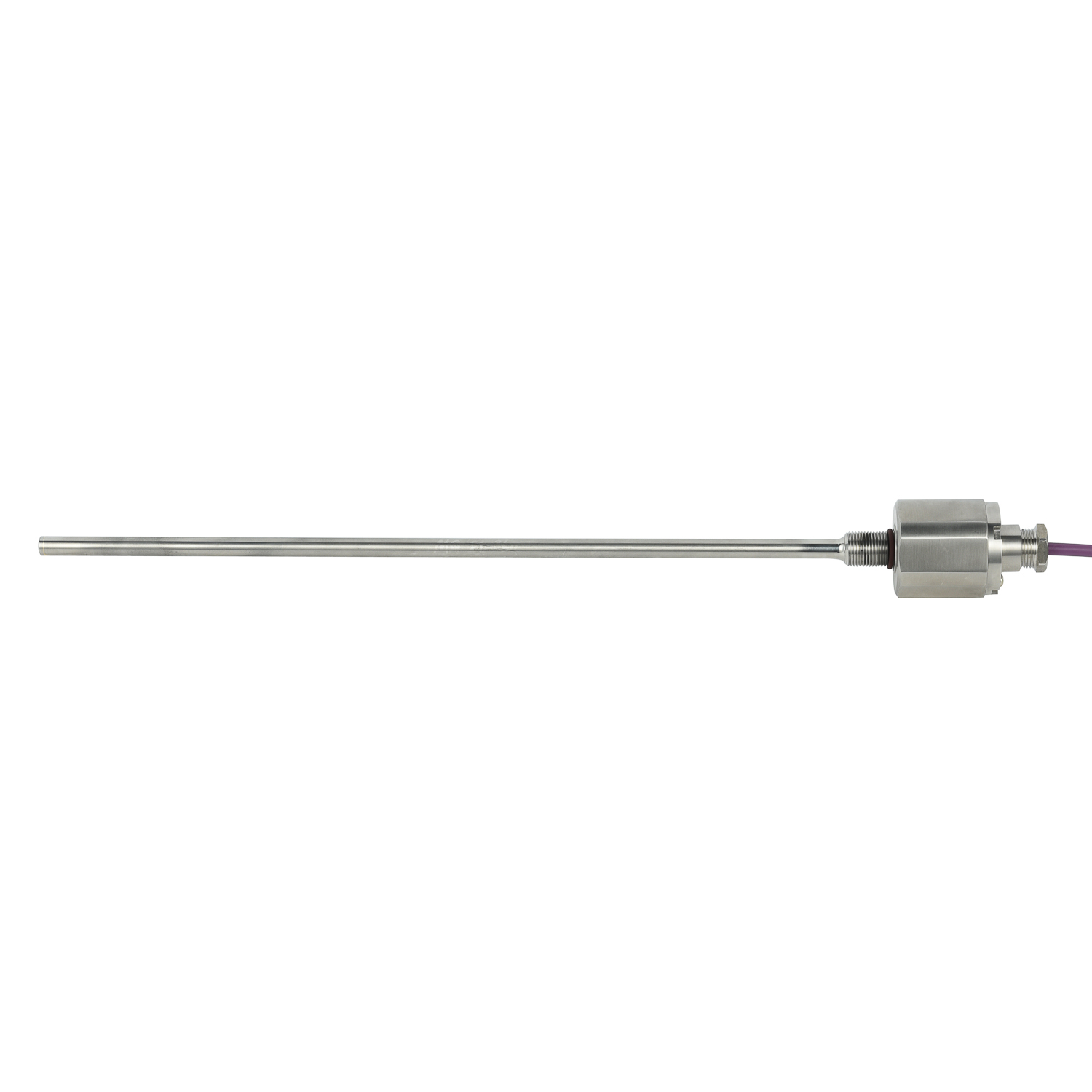 Material Tank Intrinsically Sa
 Bridge Crane Corrosion-resista