
Bridge Crane Corrosion-resistant Linear Displacement Sensor Installation Method
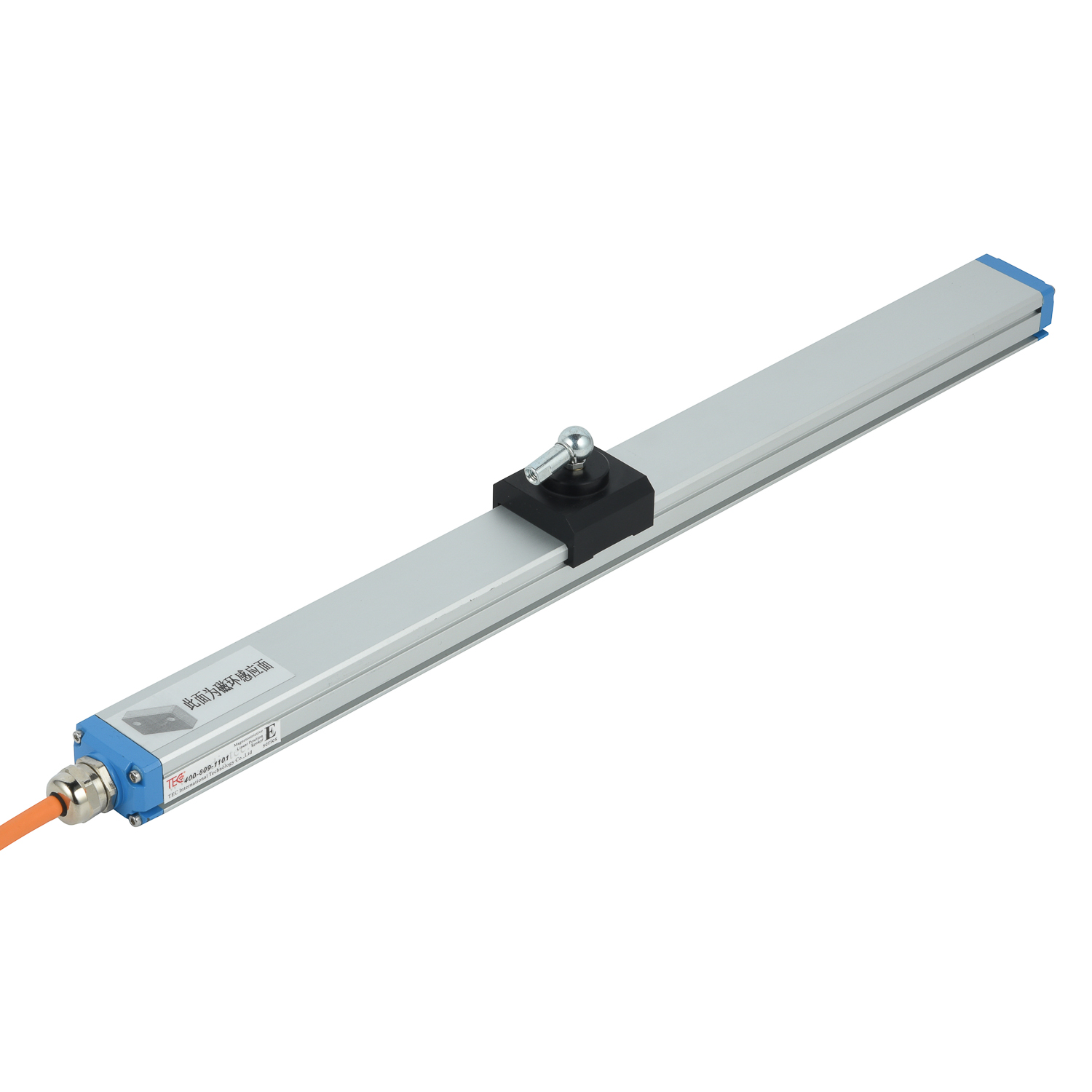
Install the corrosion-resistant linear displacement sensor on the bridge crane after isolating power and confirming the crane is parked safely. Select a rigid, protected mounting point on the bridge girder or trolley frame, away from impact, heat, and direct splash. Use a stainless steel or coated bracket and anti-vibration isolators to keep the sensor aligned with the measured travel path. Weld or bolt the bracket so the sensor probe runs parallel to the movement direction and within its rated stroke.

Connect the sensor's sliding or magnetic target to a stable reference point on the moving part. Maintain the specified gap and alignment across the full travel range, then tighten all fasteners with thread locker. Route shielded cable through corrosion-resistant conduit, with a drip loop and sealed cable glands. Ground the shield at the control cabinet only to reduce electrical noise.
After installation, cycle the crane slowly through its full travel and verify linear output, repeatability, and limit positions. Check for binding, loose brackets, and moisture ingress. Apply dielectric grease to connectors, seal exposed seams, and record zero and span settings. Schedule periodic inspection of mounting bolts, cable glands, and sensor surfaces, cleaning salt, dust, and water promptly to ensure reliable long-term position feedback. Document the alignment, cable routing, and calibration values for future maintenance and inspections. Use corrosion-resistant labels and keep the junction box clean.
Bridge Crane Corrosion-resista
 Crane Waterproof Linear Displa
 Overhead Crane High-pressure L
 Stacker-reclaimer High-tempera