
Crane Waterproof Linear Displacement Sensor Working Principle
A crane waterproof linear displacement sensor converts the straight-line motion of crane components—such as booms, hoists, outriggers, or trolleys—into a reliable electrical position signal. Inside the sealed housing, a sensing element detects movement. Common designs use a resistive track with a sliding wiper, a magnetostrictive waveguide with a moving magnet, or an LVDT with a movable core. As the crane part moves, the sensor element changes its electrical output in proportion to displacement. Signal-conditioning electronics then convert this change into a stable analog voltage or current, or a digital signal such as RS485, CAN, or PWM for the PLC or controller. The controller calculates position and speed from this feedback.
The waterproof construction is critical. Stainless-steel or reinforced housings, O-ring seals, encapsulated electronics, and IP67/IP68 connectors block rain, dust, washdown water, and hydraulic fluid. A breathable membrane equalizes pressure without letting moisture in. Temperature compensation and filtering reduce errors caused by outdoor temperature swings, shock, and crane vibration. Cable glands and sealed mating connectors prevent water ingress even in frequent wet cycling.
During operation, the controller compares the measured position with the target and uses feedback for safe limits, anti-sway control, synchronized lifting, and overload protection. Proper mounting keeps the sensor aligned with the measured axis, while regular calibration ensures accuracy. In short, the sensor translates linear crane movement into a sealed, conditioned electrical signal that remains accurate in wet, harsh conditions.
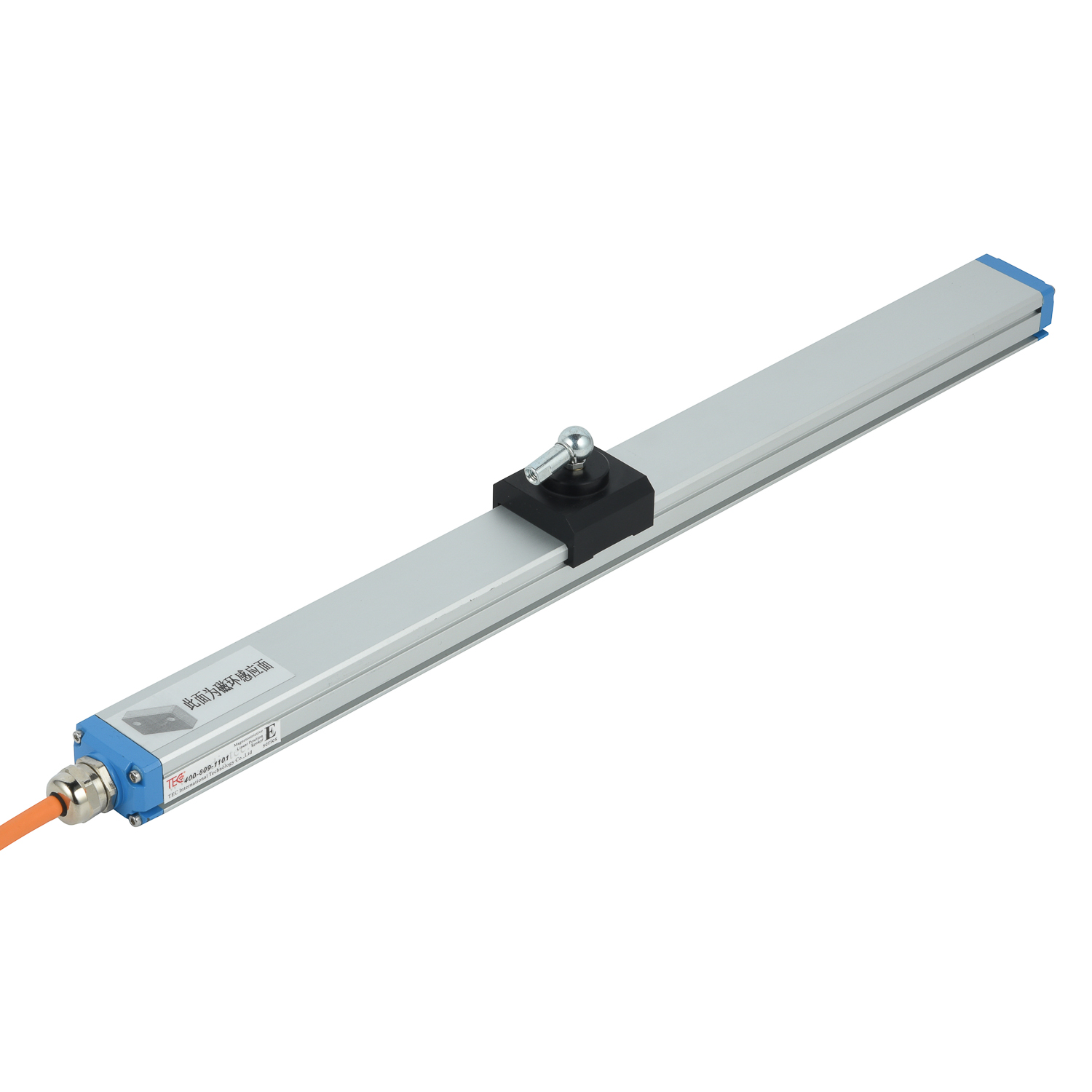 Crane Waterproof Linear Displa
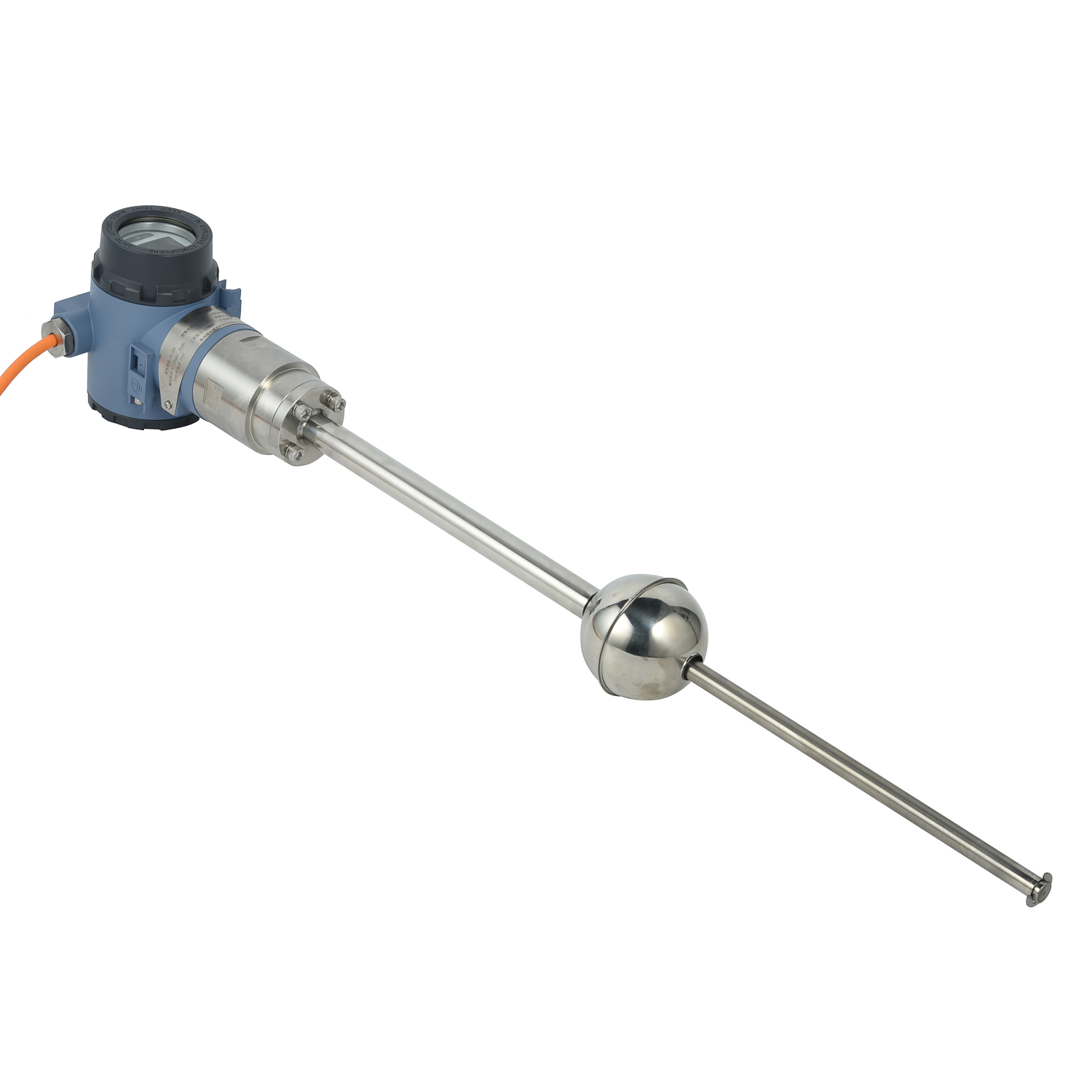 Overhead Crane High-pressure L
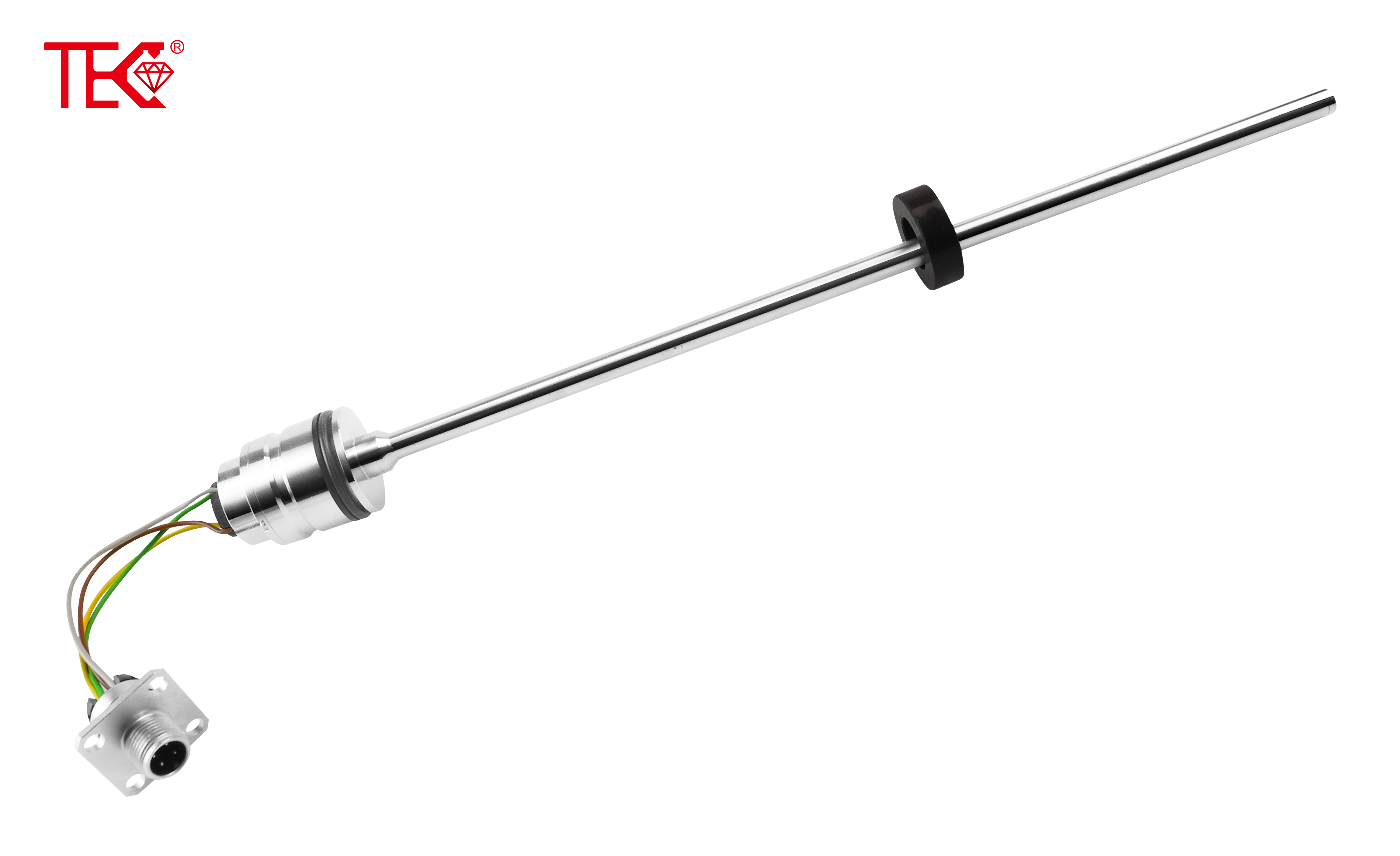 Stacker-reclaimer High-tempera
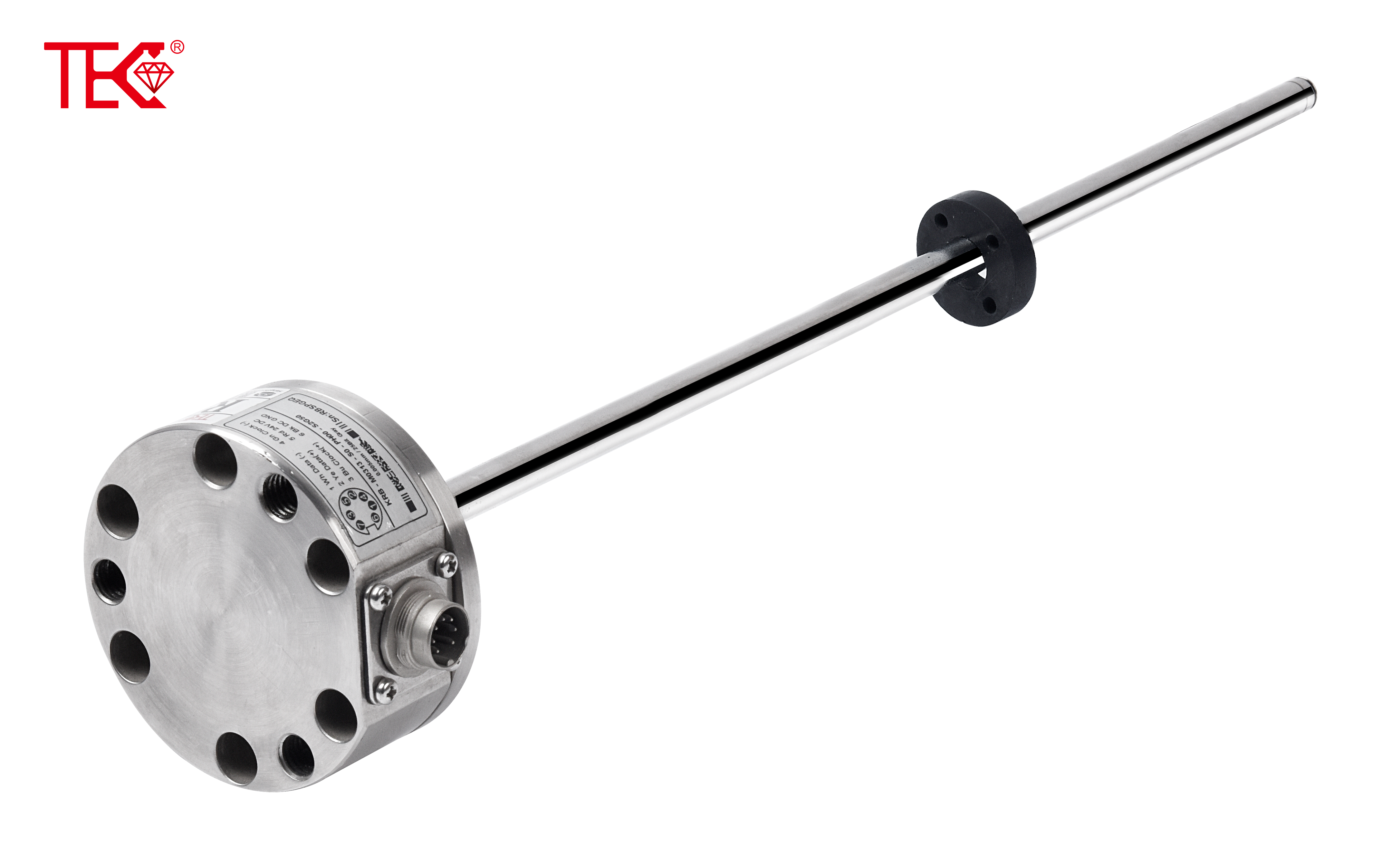 Bucket Wheel Stacker-reclaimer