
Chemical Hydraulic Cylinder High-pressure LVDT Displacement Sensor Selection
Selecting an LVDT displacement sensor for a chemical hydraulic cylinder requires careful attention to pressure, chemistry, temperature, and signal reliability. First, confirm the cylinder’s maximum working pressure and choose a sensor rated for continuous high-pressure operation, with a pressure-proof housing and sealed cable entry. The wetted materials and exterior must resist hydraulic fluid, cleaning agents, and corrosive chemical vapors; stainless steel bodies, PTFE seals, and compatible connectors are common choices. Next, define stroke length, linearity, repeatability, and resolution based on control needs. High-pressure LVDTs should deliver stable output under vibration, shock, and temperature swings. Select the output type—4–20 mA, 0–10 V, or digital—to match the PLC or controller, and verify EMI shielding for noisy plants. Mounting is critical: use rigid, concentric fixtures to avoid side loading, and ensure the core moves freely without mechanical interference. Consider IP rating, temperature range, cable flexibility, and chemical resistance of the cable jacket. For safety-critical chemical processes, specify redundant sensors, fail-safe signals, and easy calibration. Finally, request factory calibration certificates, pressure test reports, and material traceability. A well-matched LVDT improves cylinder positioning accuracy, reduces downtime, and supports safe, repeatable chemical production.
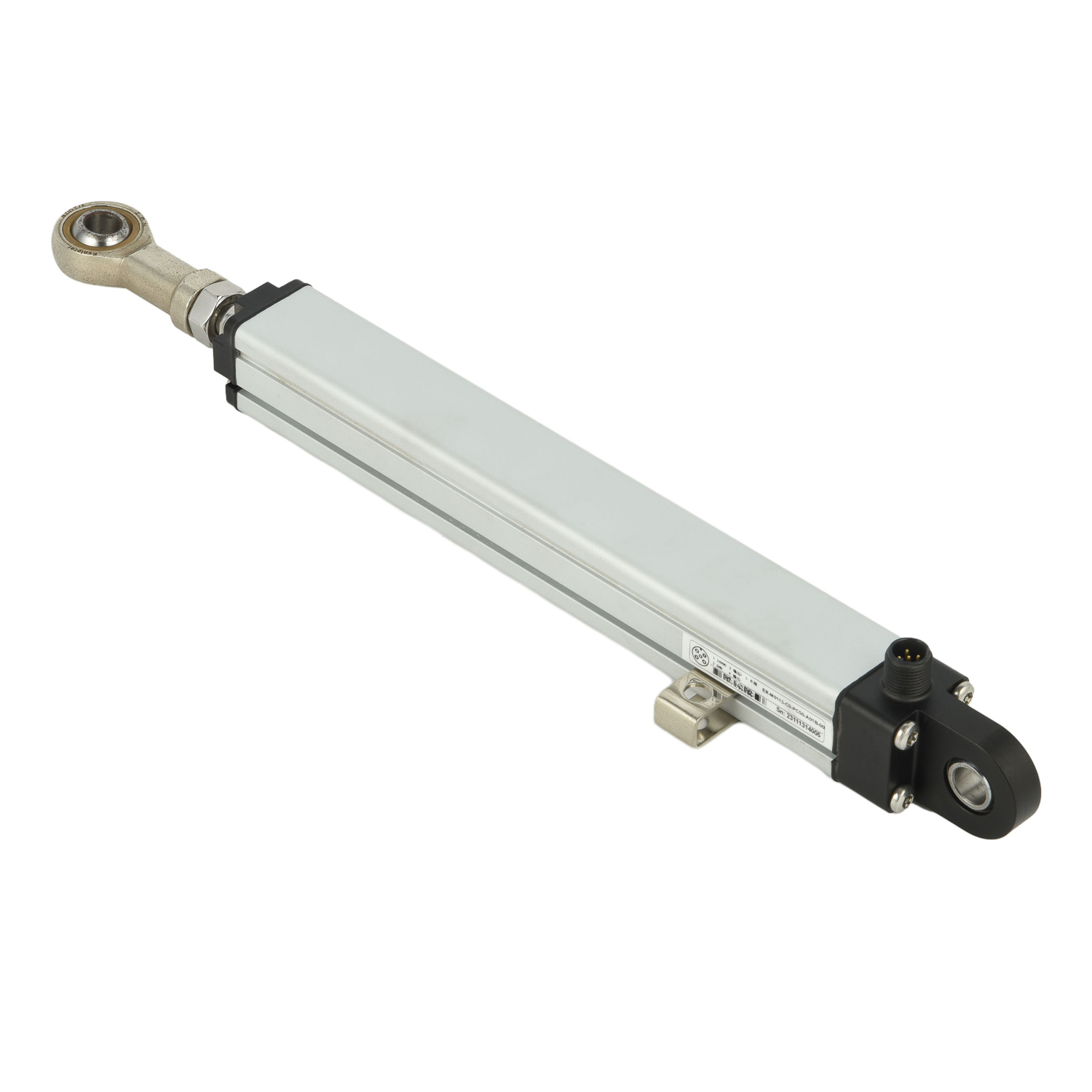 Chemical Hydraulic Cylinder Hi
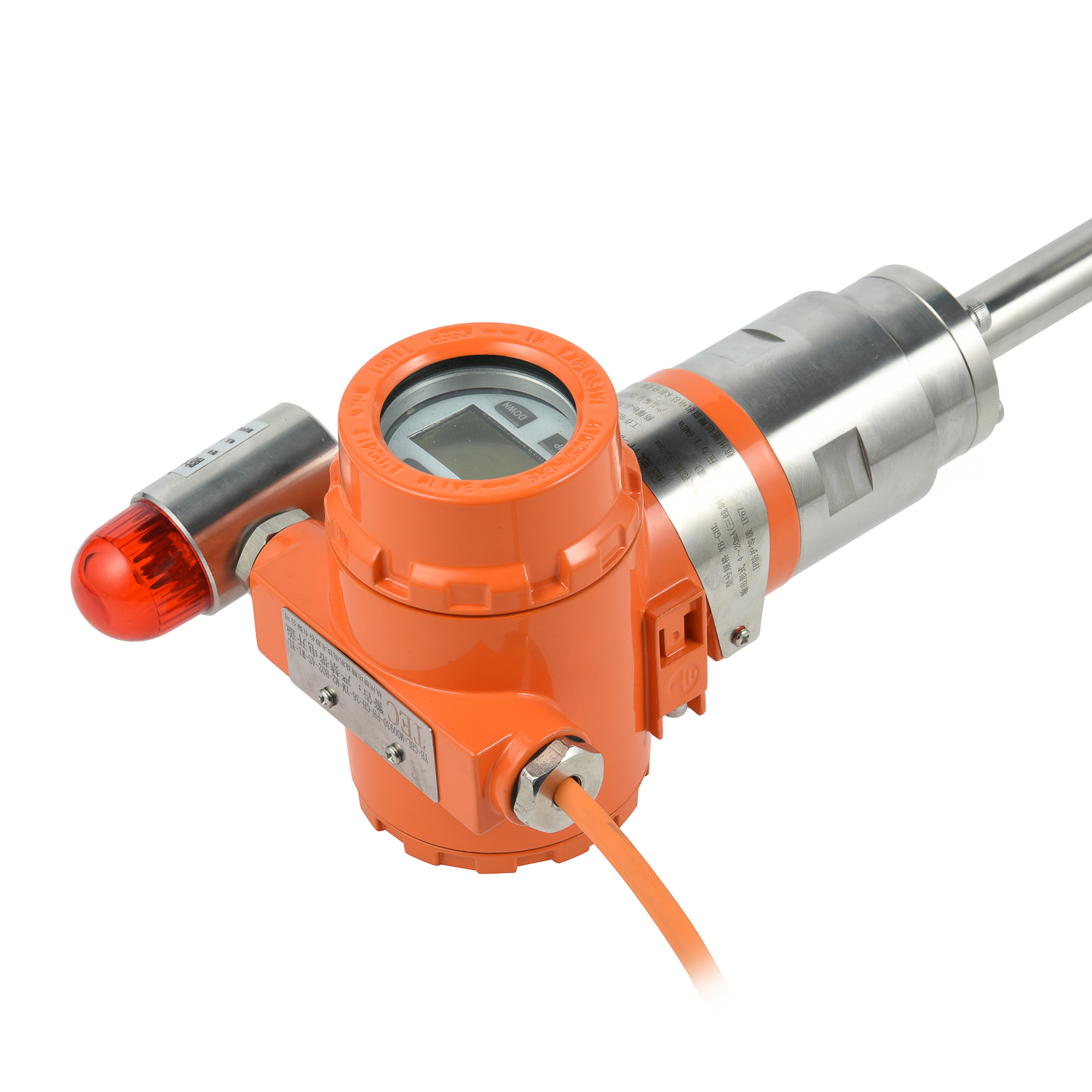 Mining Stacker-reclaimer High-
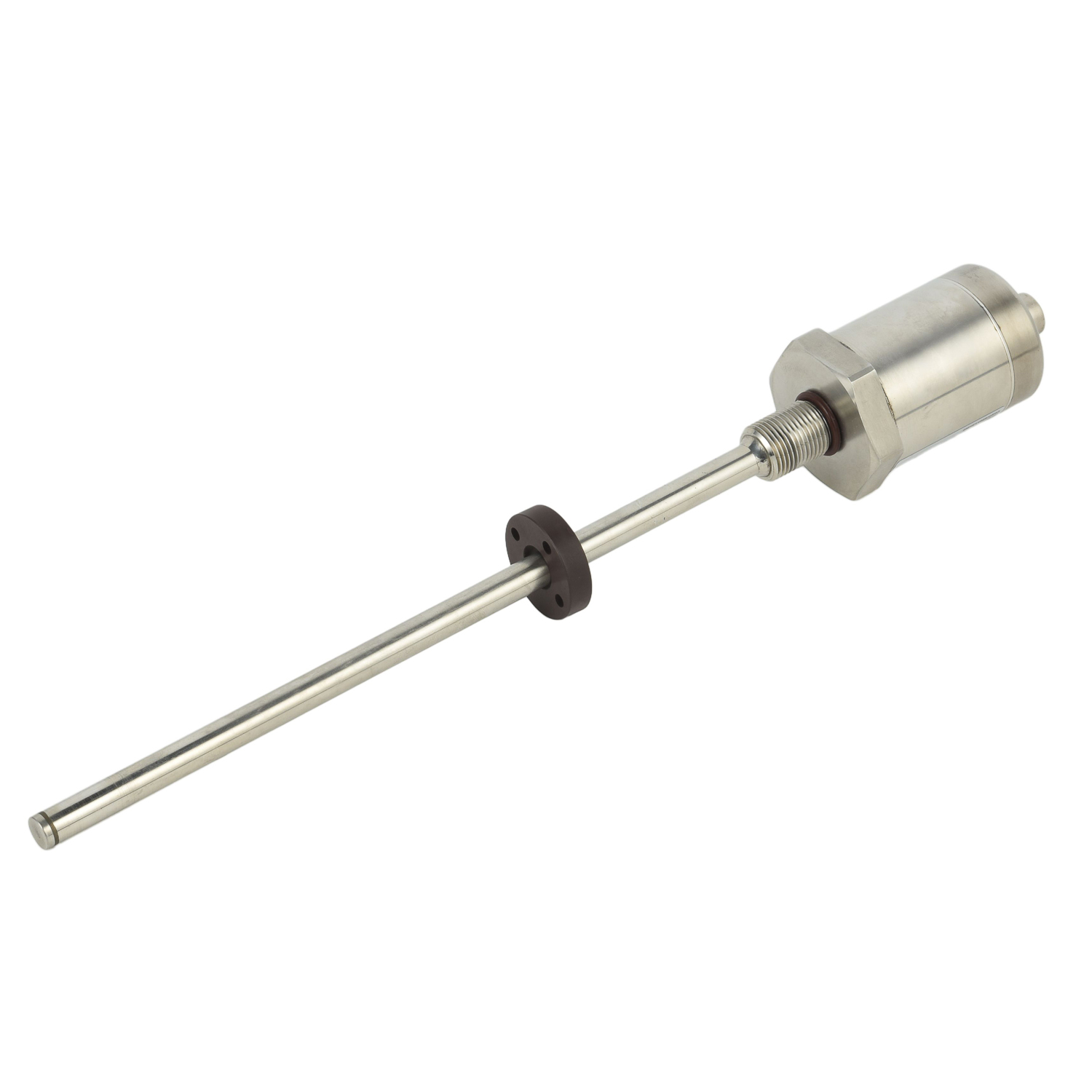 Metallurgy Bucket Wheel Stacke
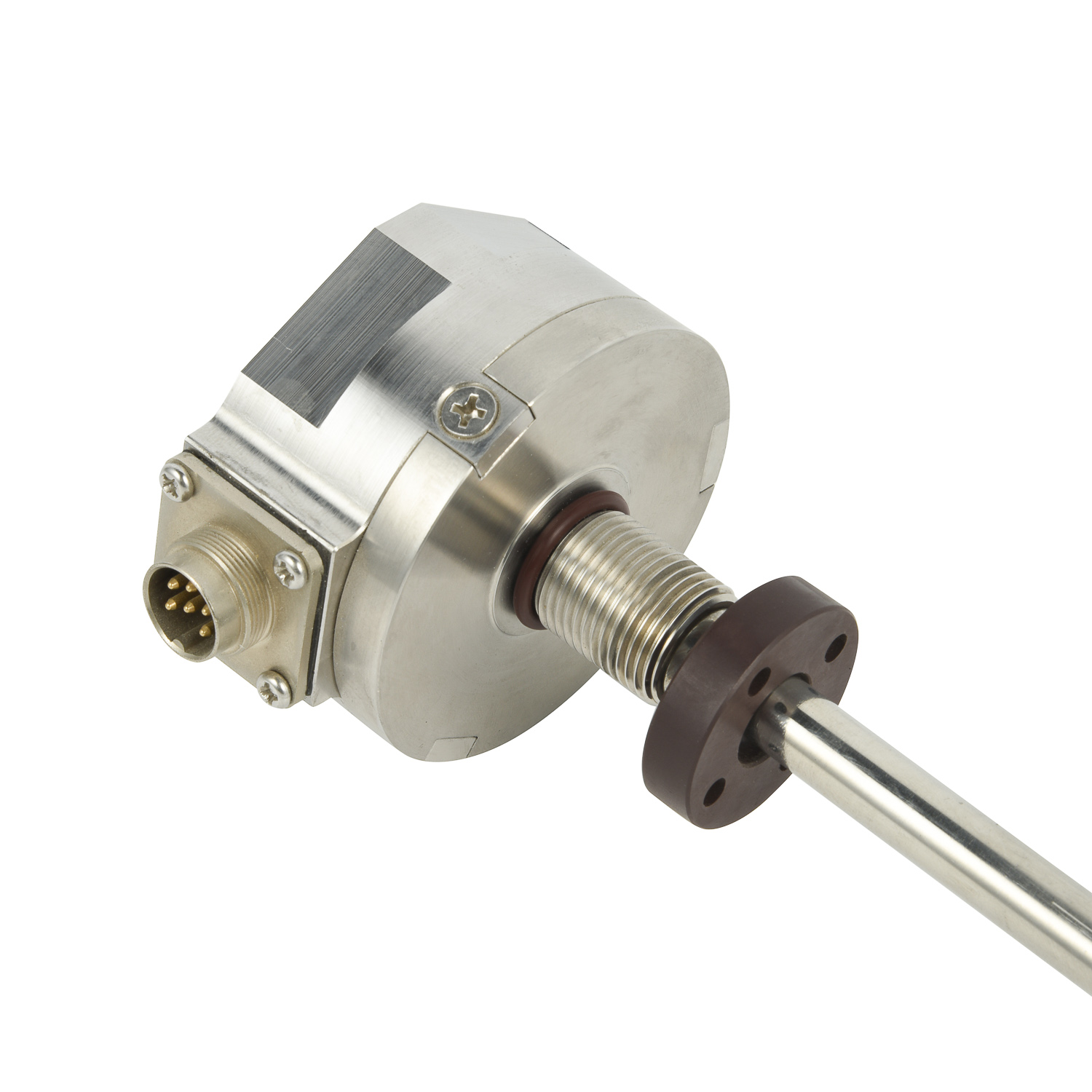 Die Casting Machine Explosion-