
Chemical Industry High-pressure Linear Displacement Sensor Price
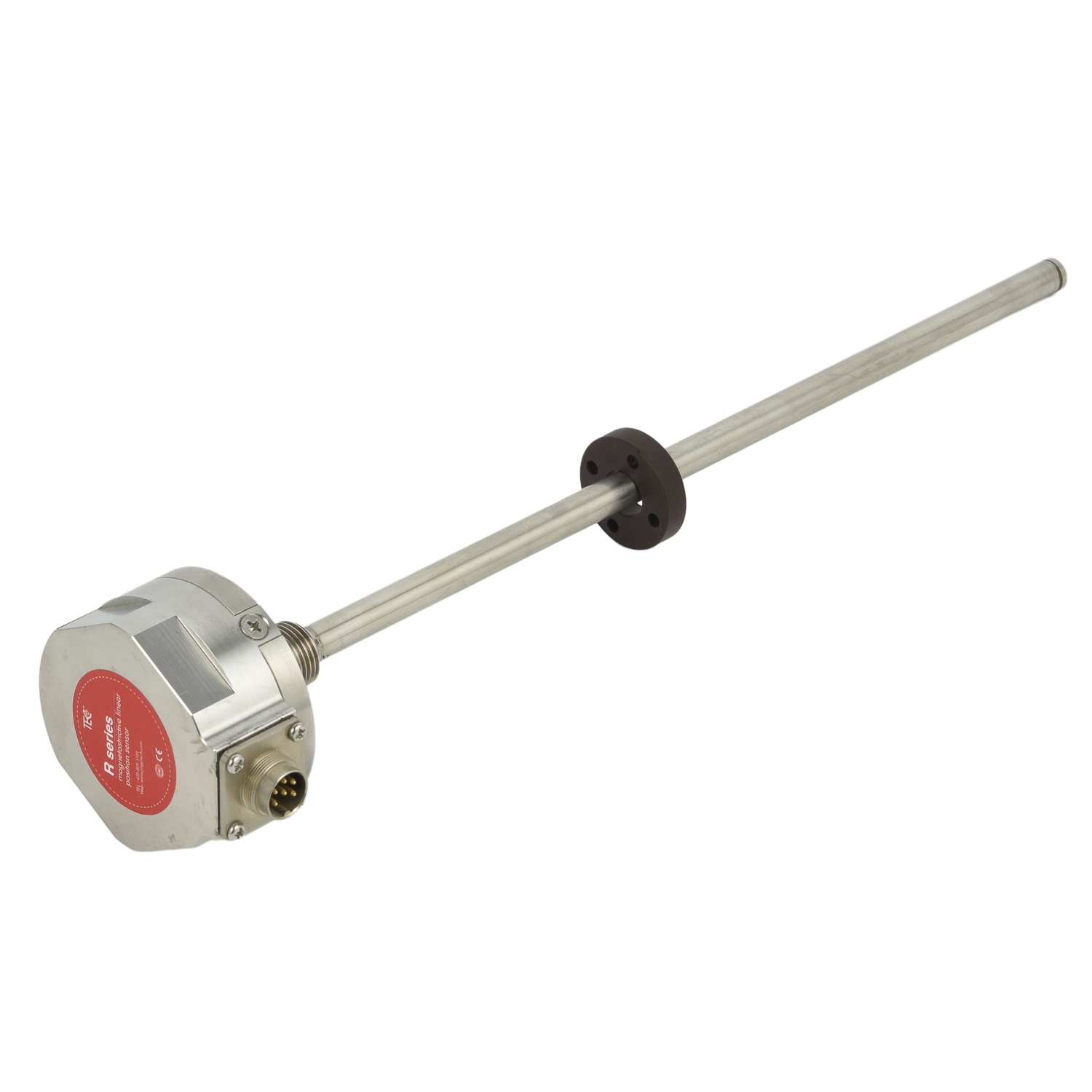
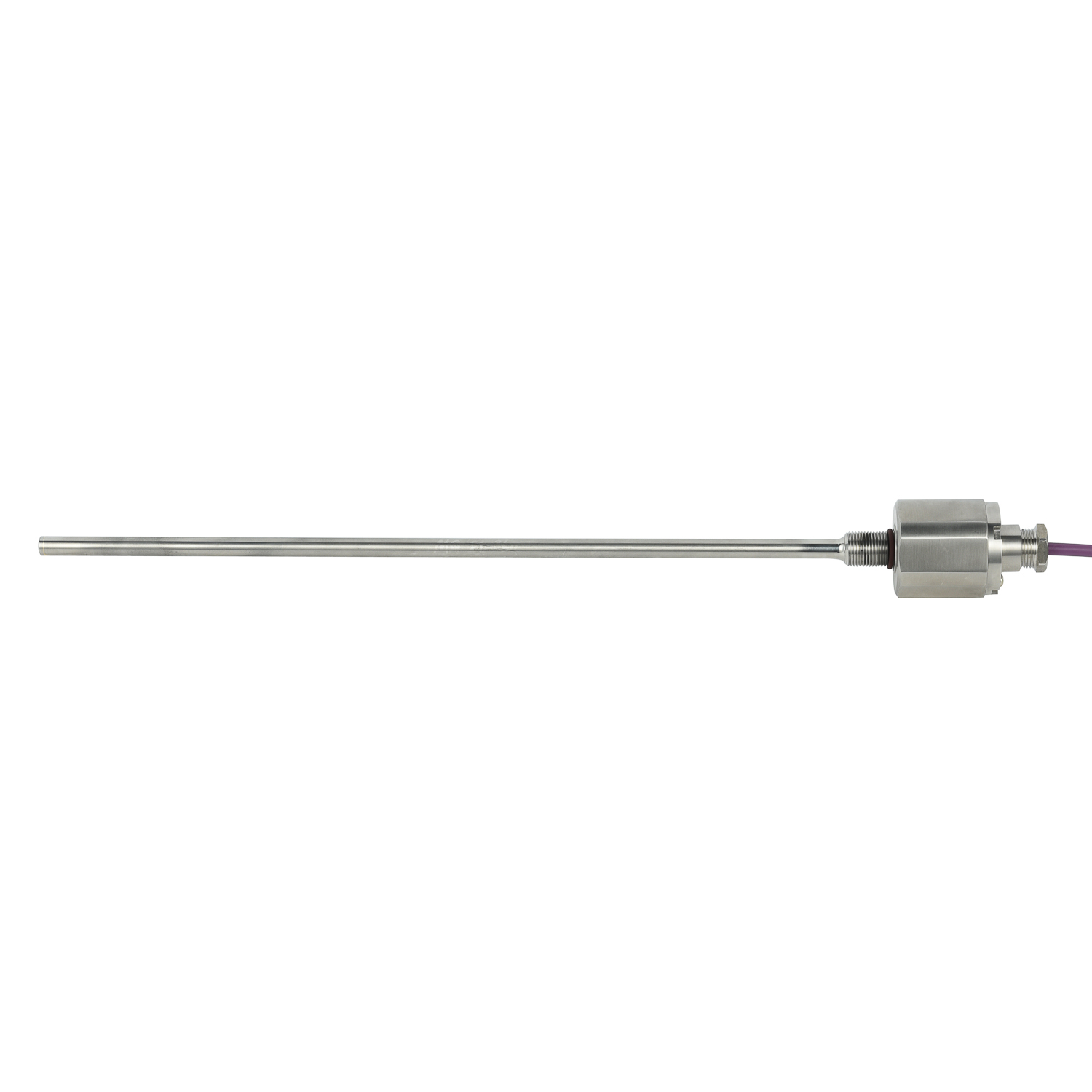
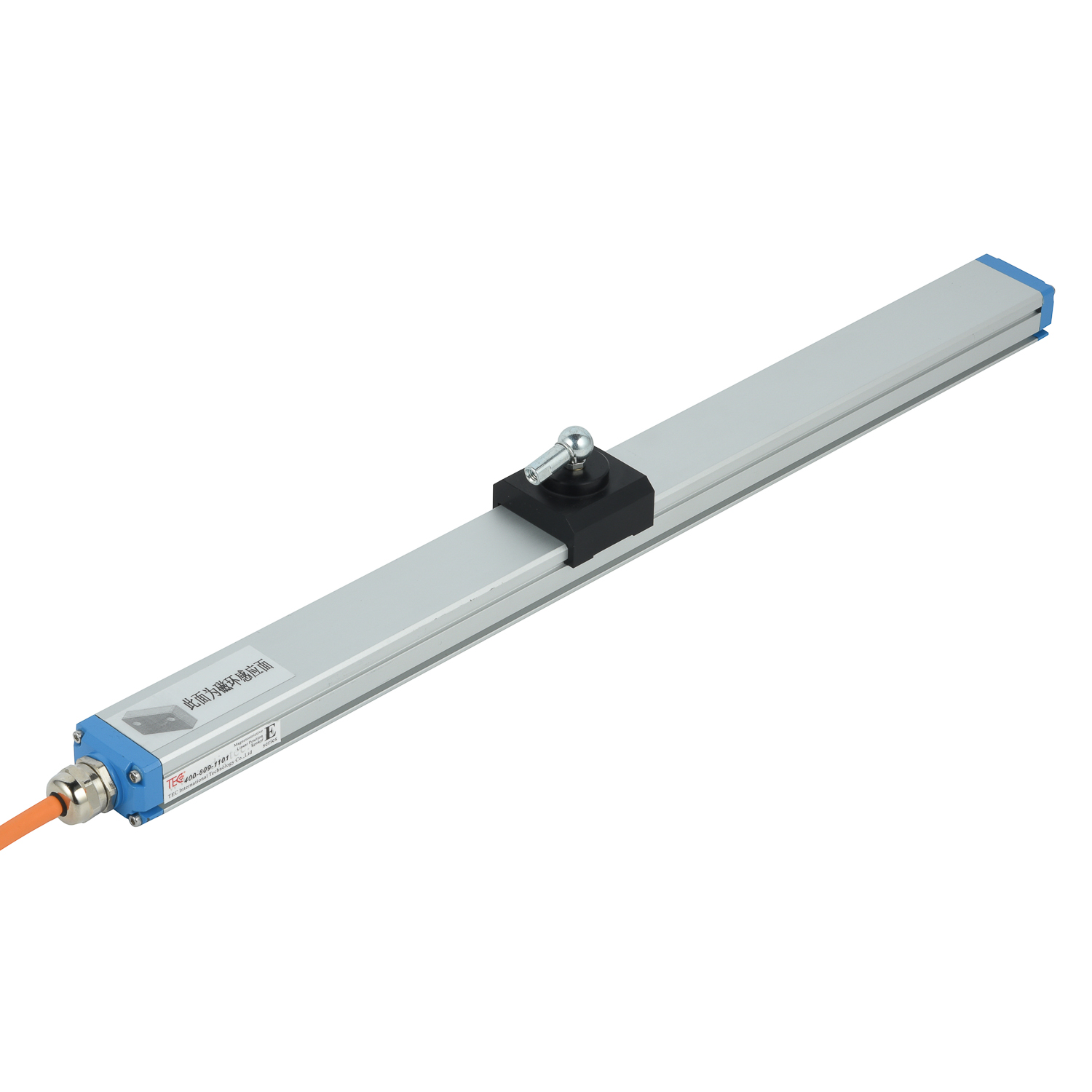
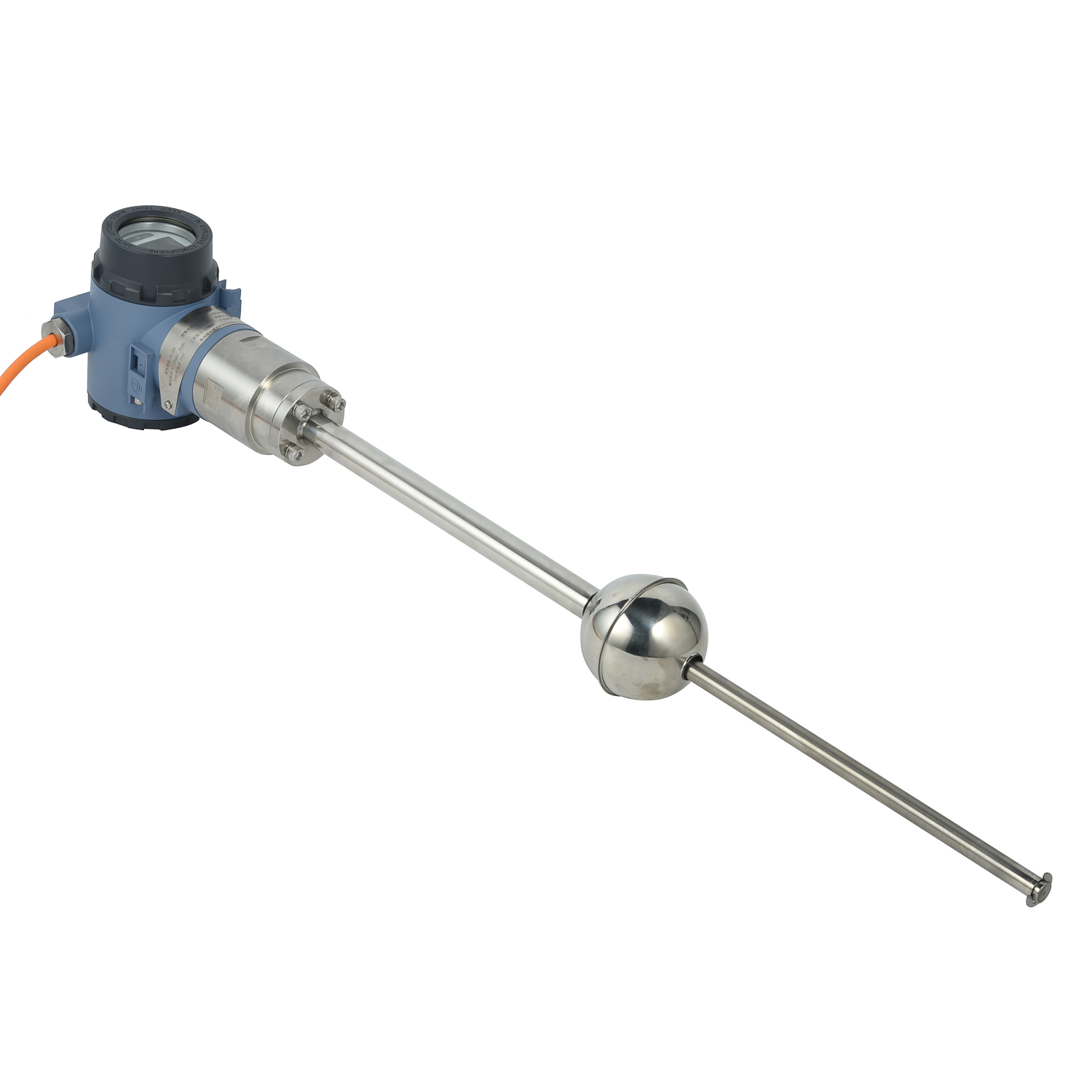
High-pressure linear displacement sensors are critical in chemical plants where pumps, valves, and hydraulic systems face severe conditions. Buyers often ask about price, but reliable cost depends on specification rather than market rate. A standard chemical-industry sensor may range from several hundred to several thousand dollars, while explosion-proof, high-temperature, and corrosion-resistant models cost more. Measurement range, pressure rating, output signal, housing material, ingress protection, and certification directly affect quotation. Sensors with 4-20mA, HART, or digital outputs and stainless-steel construction command higher prices. Installation accessories, calibration certificates, and lead time also influence total cost. For chemical processes, choose a sensor with suitable pressure resistance, compatibility, EMI immunity, and safety approval. Avoid selecting only by low price; inaccurate displacement feedback can cause valve misalignment, leakage risk, and unplanned downtime. Request a detailed datasheet, test report, and after-sales support before comparing offers. A trusted supplier can customize sealing and cable protection for reactors and high-pressure test benches. When evaluating price, calculate lifecycle cost, including calibration, replacement, and downtime. Competitive quotes should state warranty, delivery, and technical support. With the right balance of performance and cost, high-pressure sensors improve safety and control accuracy in chemical production.
 Material Tank Intrinsically Sa
 Bridge Crane Corrosion-resista
 Crane Waterproof Linear Displa
 Overhead Crane High-pressure L