
Mining High-temperature Linear Displacement Sensor Selection
Selecting a high-temperature linear displacement sensor for mining requires attention to heat, dust, vibration, moisture, and electromagnetic interference. First define the true operating temperature at the sensor body, not only ambient air, because radiant heat from engines, hydraulics, and hot materials can raise local conditions. Choose a sensor rated with a safety margin above the maximum continuous temperature. Confirm stroke length, mounting space, and mechanical alignment to avoid side loads. In mining, rugged housings, sealed connectors, and high IP ratings resist dust, water, and washdown. Vibration and shock ratings should match mobile equipment, crushers, and drilling rigs. Use shielded cables and robust output signals to reduce EMI. Materials must resist corrosion and abrasion, while cable routing should avoid hot surfaces and moving parts. For accuracy, check linearity, repeatability, resolution, and temperature drift over the full range. Select analog or digital outputs that match the control system, and verify certification for explosive or underground environments when needed. Consider installation access, calibration, and spare parts for maintenance. Applications include hydraulic cylinder position, boom control, conveyor alignment, and drilling feed control. Document temperature gradients during startup and peak load, then test prototype placement. Confirm cable and connector temperature ratings, because they often fail before the sensor itself. A well-matched sensor improves safety, machine control, and uptime in harsh mining operations.
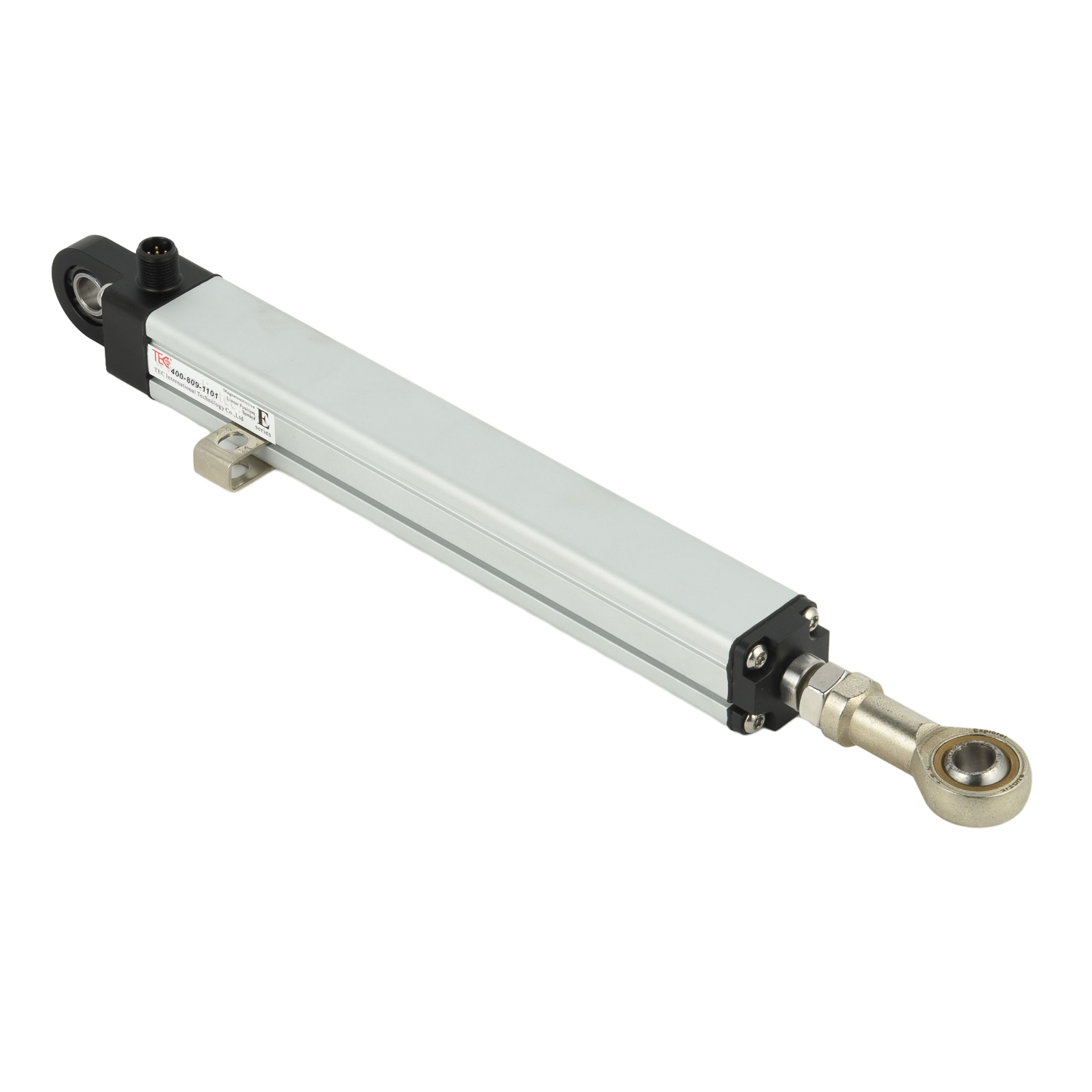
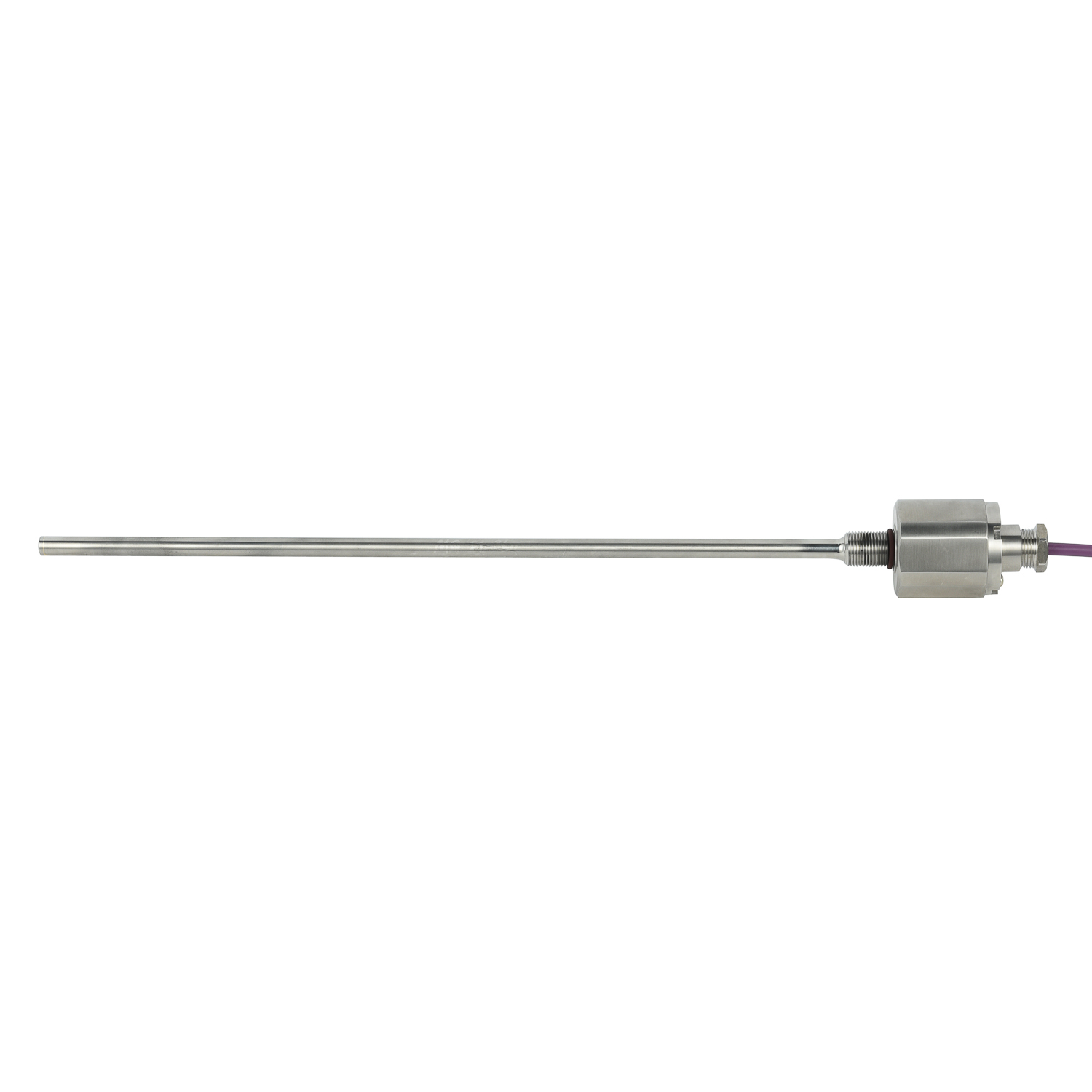 Material Tank Intrinsically Sa
 Bridge Crane Corrosion-resista
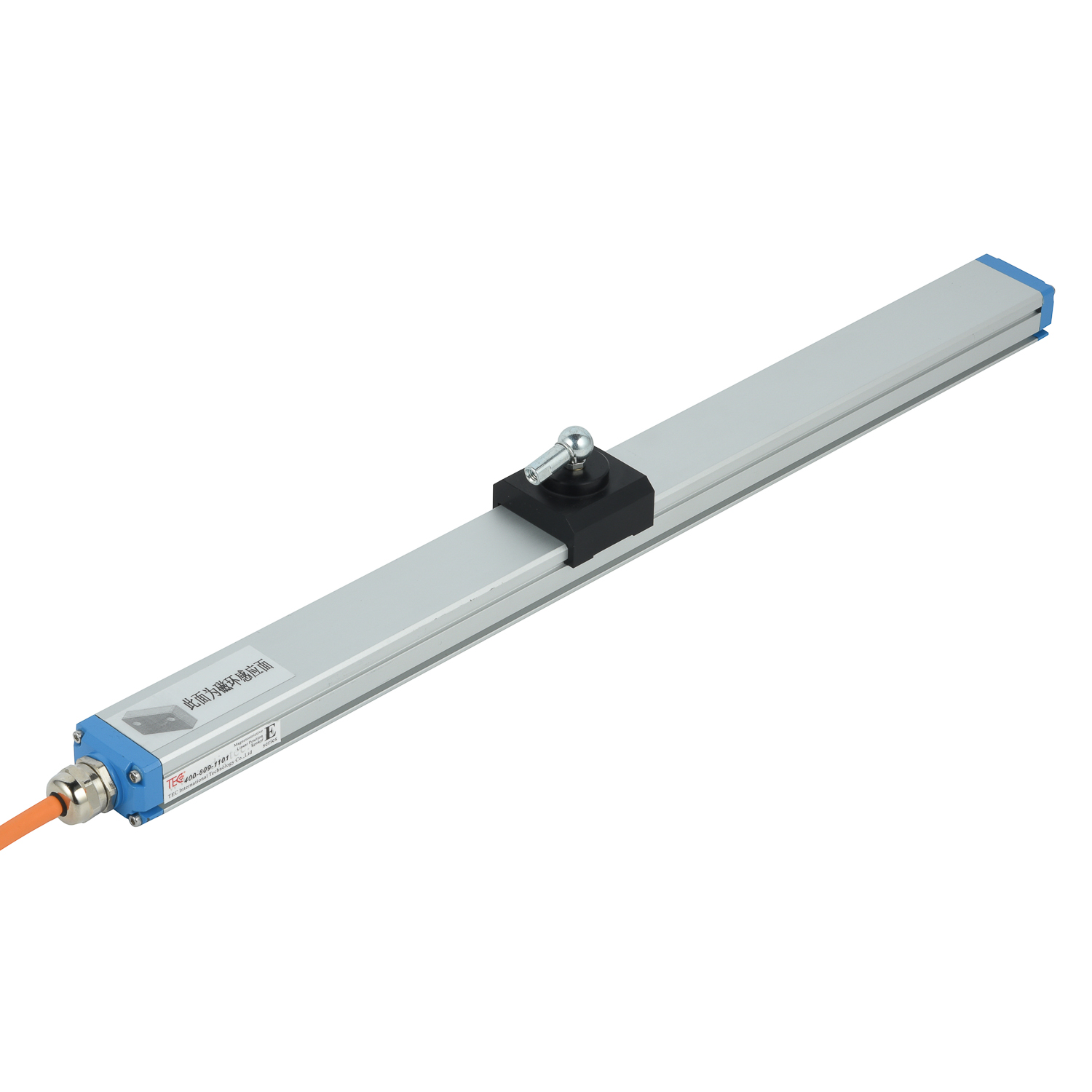 Crane Waterproof Linear Displa
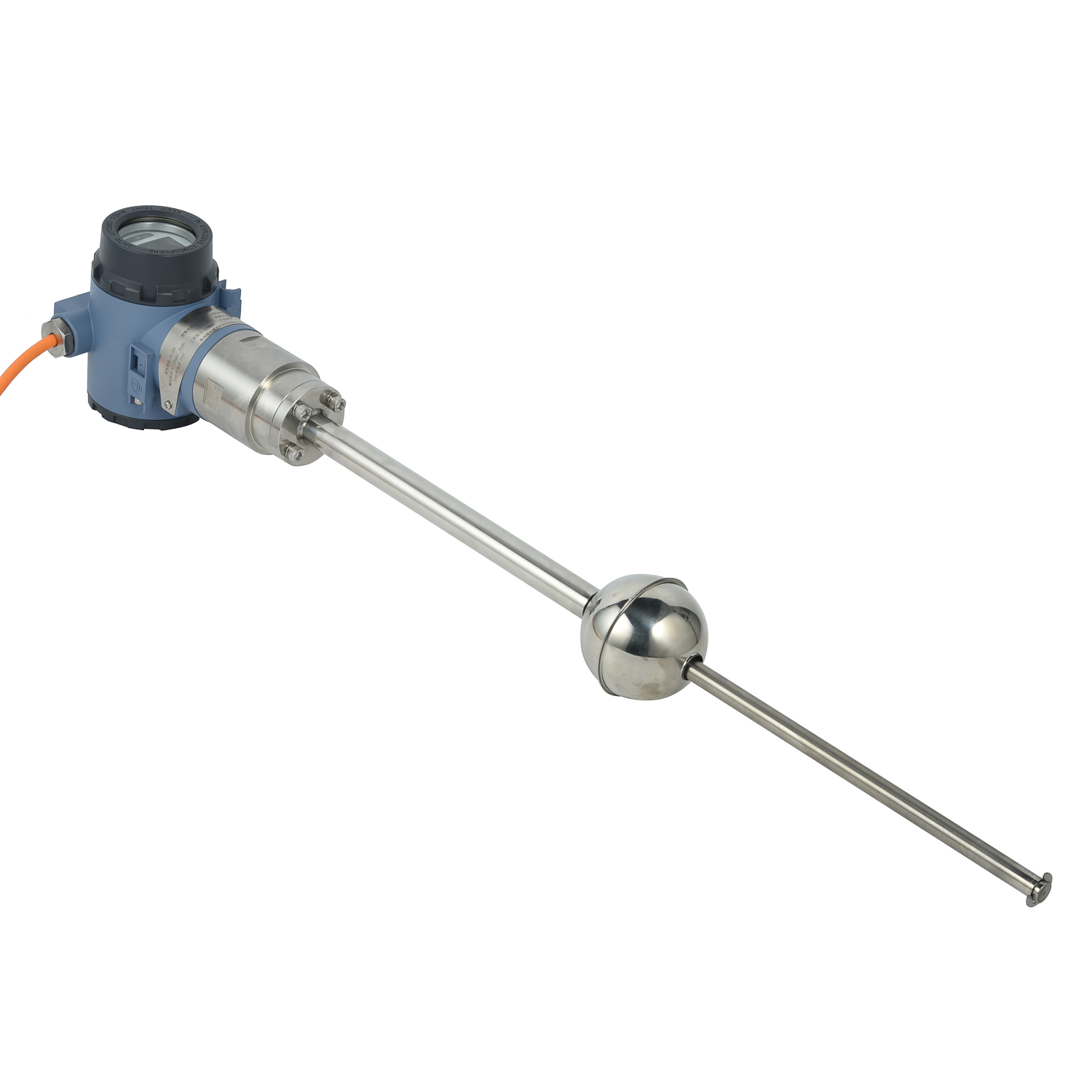 Overhead Crane High-pressure L