
Construction Machinery Crane Linear Displacement Sensor Fault
Linear displacement sensors are critical in construction machinery cranes, providing real-time position feedback for boom extension, outrigger movement, and load-handling control. When a sensor fault occurs, the crane may display inaccurate readings, sudden signal drops, erratic movement, or safety interlock failures. Operators should stop lifting if readings become unstable, because poor feedback can affect load radius calculation and overload protection.
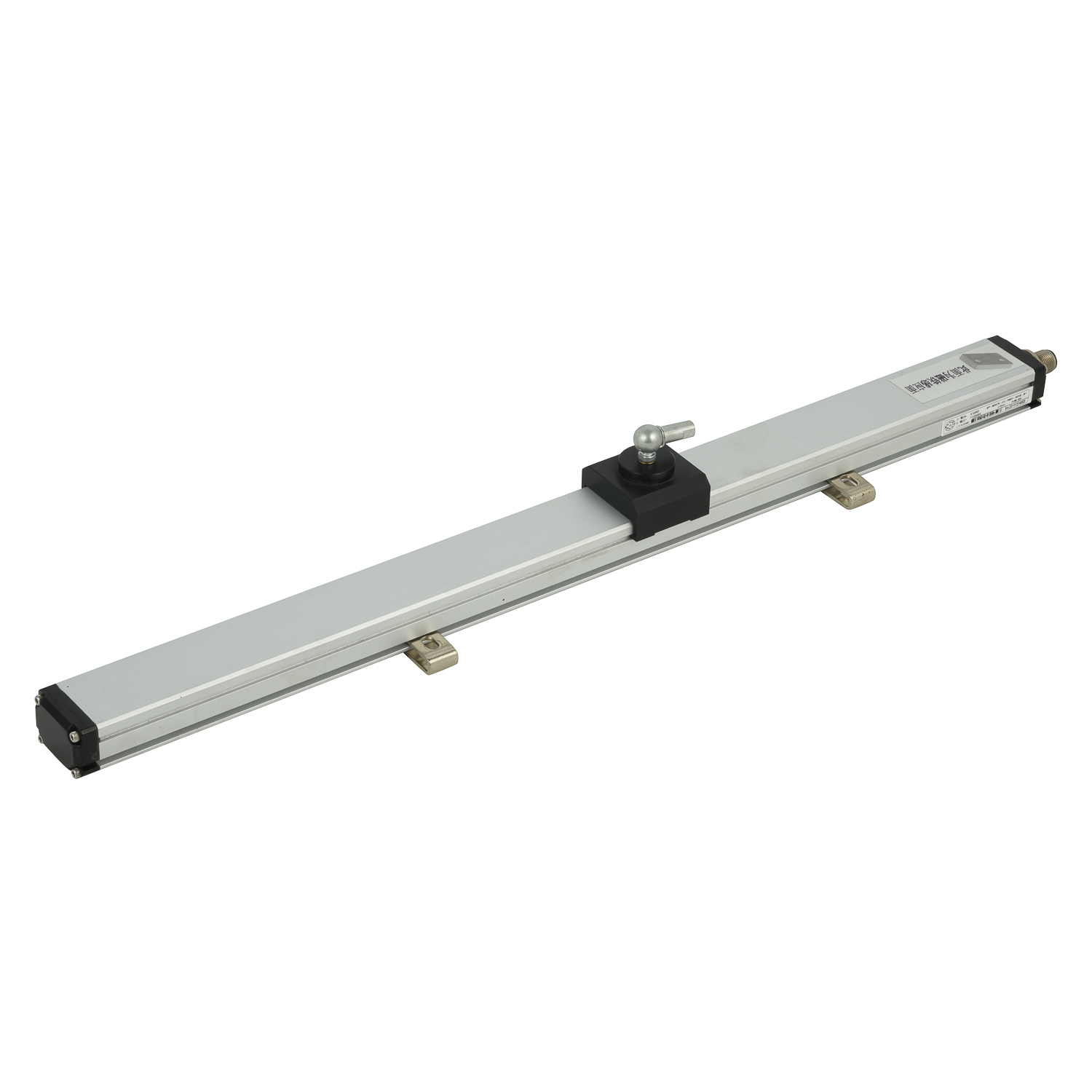
Common causes include contaminated connectors, damaged cable harnesses, mechanical misalignment, moisture ingress, voltage fluctuation, and gradual wear of the sensing element. Harsh jobsite conditions such as dust, vibration, temperature swings, and impact accelerate these failures. Loose mounting brackets can also produce intermittent signals when the crane structure flexes.
Fault diagnosis should begin with inspection and connector cleaning, followed by checking supply voltage, ground continuity, and signal output. A stable multimeter or oscilloscope reading helps distinguish wiring faults from sensor degradation. If the output drifts or jumps under vibration, inspect mounting security and cable routing. Replace damaged harnesses, seal connectors, and confirm that the sensor moves through its stroke without binding. After repair, recalibrate the sensor zero and span, then verify readings through full crane travel. Regular inspection, waterproof protection, and vibration control can extend sensor life and reduce downtime.
 Storage Tank Non-contact Linea
 Material Tank Intrinsically Sa
 Bridge Crane Corrosion-resista
 Crane Waterproof Linear Displa