
Power Plant Bridge Crane Non-contact Linear Displacement Sensor Field Application
Non-contact linear displacement sensors are increasingly used on power plant bridge cranes for accurate, wear-free position feedback. In a typical field application, the sensor is installed on the bridge girder and a reflector or metal target is fixed to the trolley. The sensor measures trolley travel continuously and sends 4-20 mA or Modbus signals to the crane PLC. This feedback supports precise positioning, anti-collision protection, load sway control, and safe automatic operation.
Power plant cranes face coal dust, vibration, steam, and electromagnetic interference. Conventional contact devices may wear, stick, or lose accuracy. Non-contact sensors avoid mechanical contact and reduce maintenance. For reliable use, choose IP67 or higher protection, shielded cables, a stable 24 VDC supply, and a rigid mounting bracket. Use surge protection. An air purge or protective hood can keep the sensing surface clean. During commissioning, set the zero point and full stroke, check linearity and repeatability, and test limit positions under no-load and load conditions.
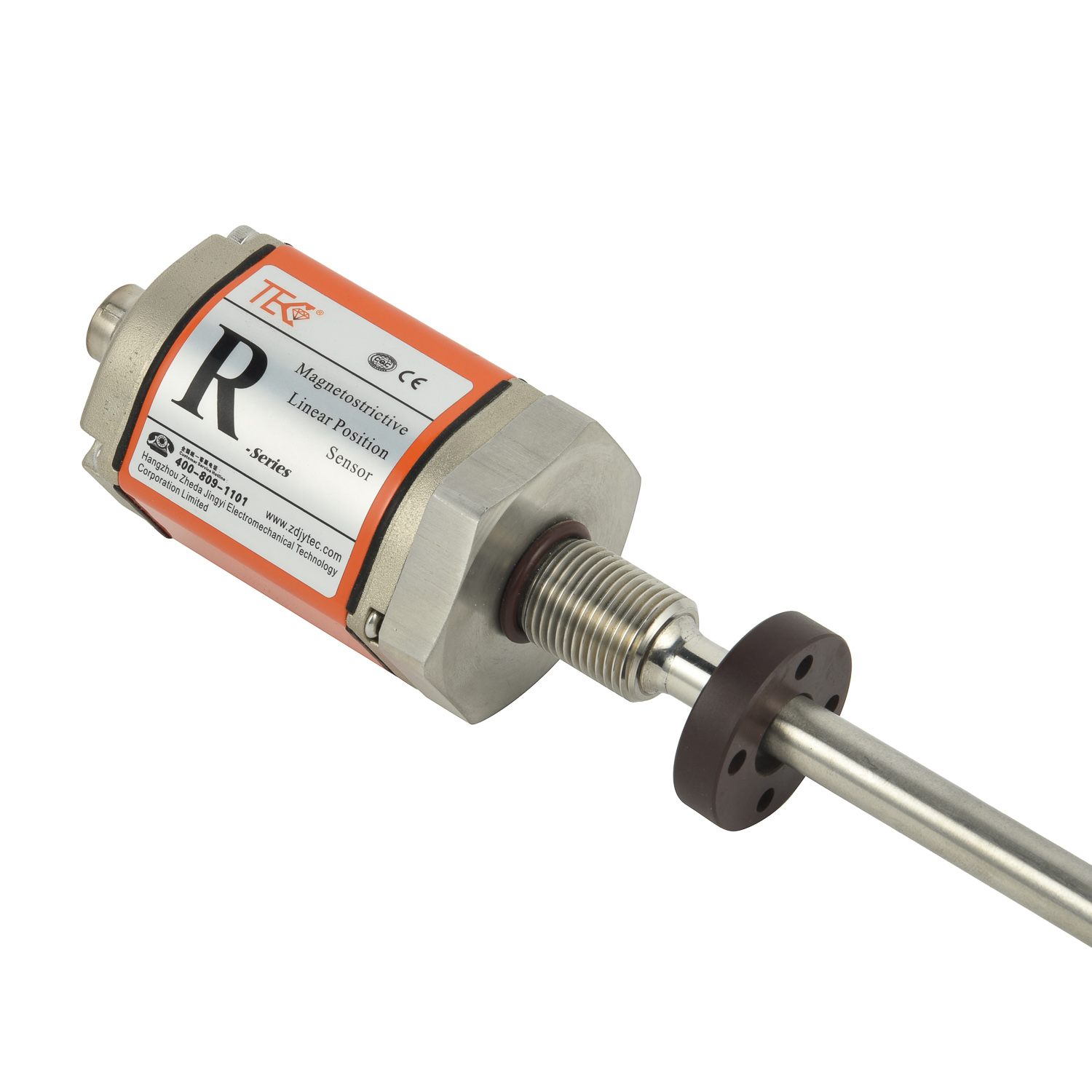
Field experience shows fast response, stable signals, and lower downtime. Operators should check target alignment, cable connections, and signal trends regularly. Routine calibration against a laser distance meter is recommended after major maintenance or long-term operation. The solution suits new cranes and retrofits, improving safety, positioning accuracy, and material handling efficiency in power plants.
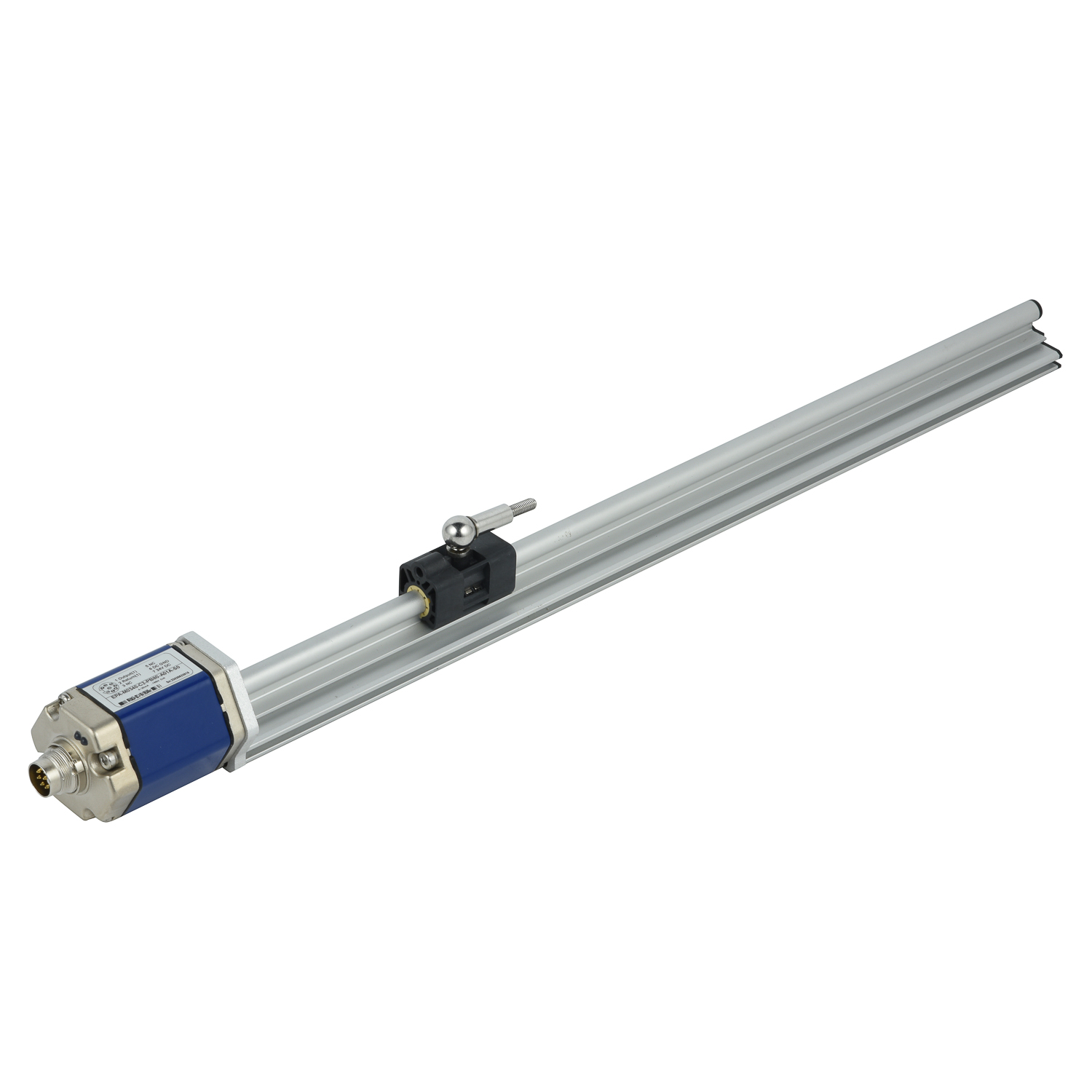 Storage Tank Non-contact Linea
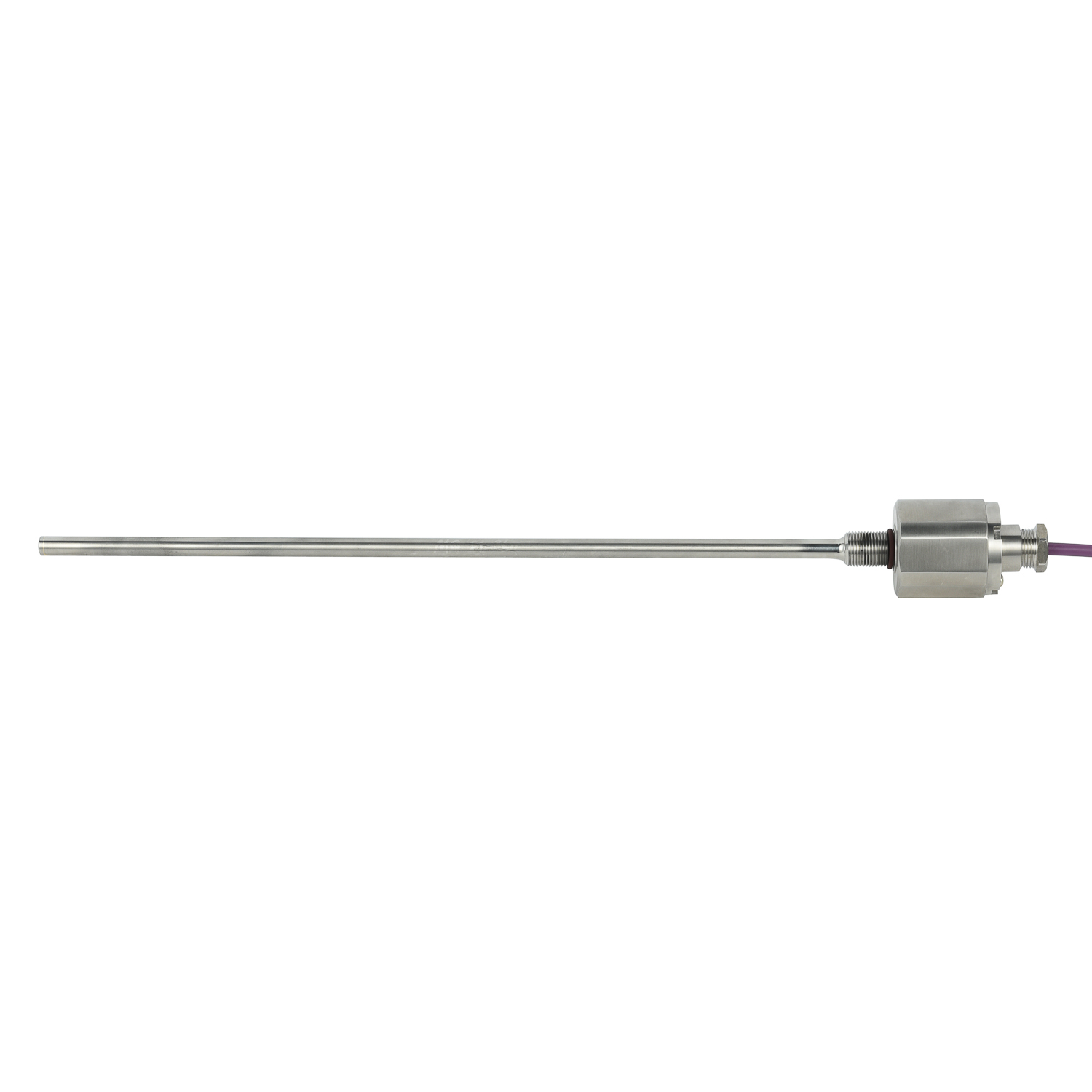 Material Tank Intrinsically Sa
 Bridge Crane Corrosion-resista
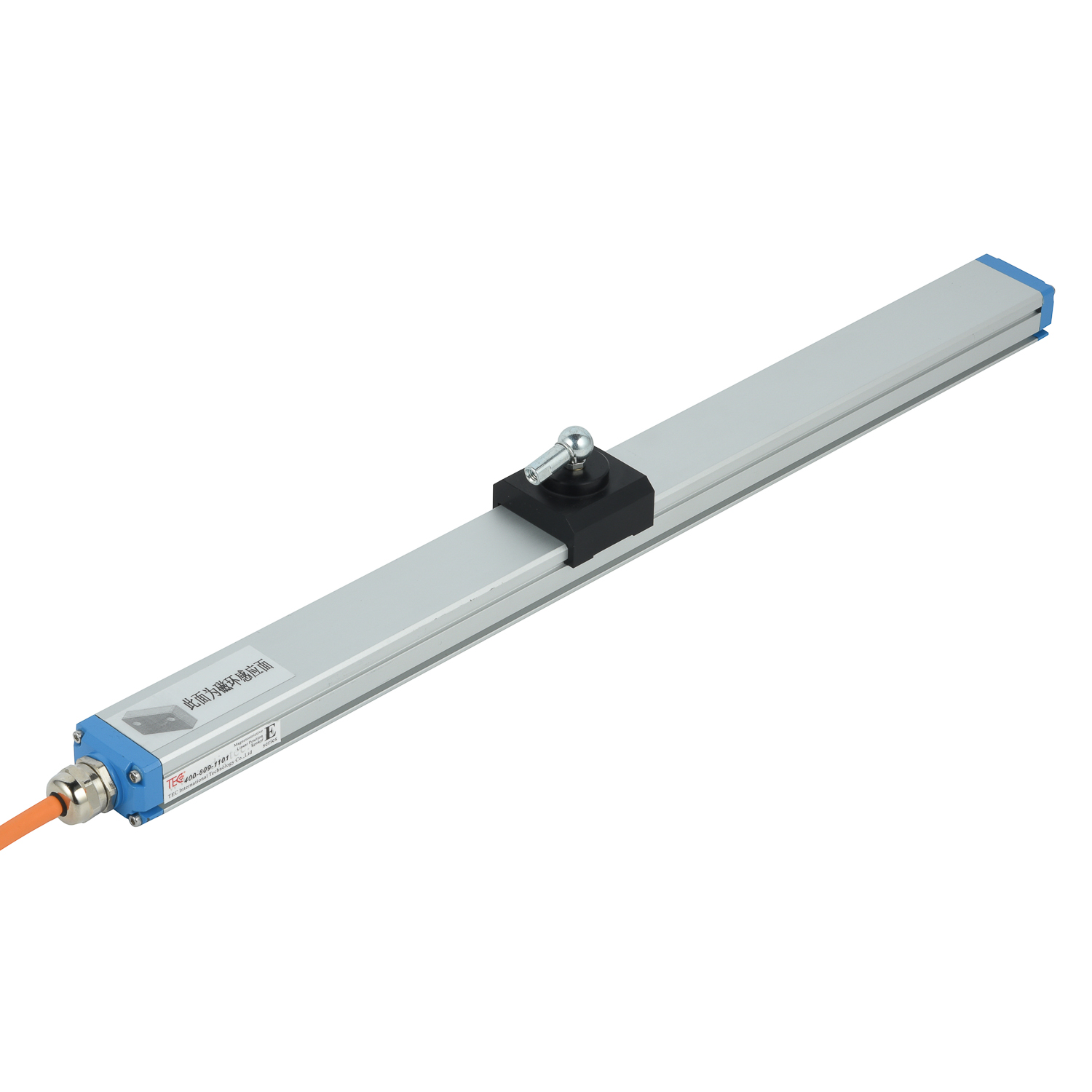 Crane Waterproof Linear Displa