
Sewage Treatment Material Tank Waterproof Linear Displacement Sensor Installation Method
Installing a waterproof linear displacement sensor in a sewage treatment material tank requires careful preparation because humidity, corrosive gases, sludge, and vibration can affect measurement stability. First, select an IP68-rated sensor with a corrosion-resistant housing, an appropriate measuring range, and a stable output signal. Isolate the tank area and confirm that the mounting surface is flat, clean, and strong enough to support the bracket and sensor. Install a 304 or 316L stainless steel bracket away from direct sludge impact, foam, and high-pressure cleaning paths. Keep the sensor parallel to the moving part and ensure the pull rod or cable moves freely without side load. Use a flexible coupling or alignment adjustment to reduce mechanical stress. Before welding or drilling, remove the sensor to prevent heat damage and metal particles from entering the measuring element. Drill cable entries with sealed cable glands, and apply waterproof sealant around bracket bolts and conduit connections. Route the cable upward in a drip loop and protect it with a corrosion-resistant conduit. Connect shielding and grounding according to the control system design to prevent signal interference. After installation, check stroke alignment, zero point, and full-scale output. Perform several dry and wet tests, then seal all covers and joints. Tighten all fasteners with a torque wrench and recheck the seal after one week. Inspect seals, cables, brackets, and cable glands regularly to maintain long-term waterproof performance.
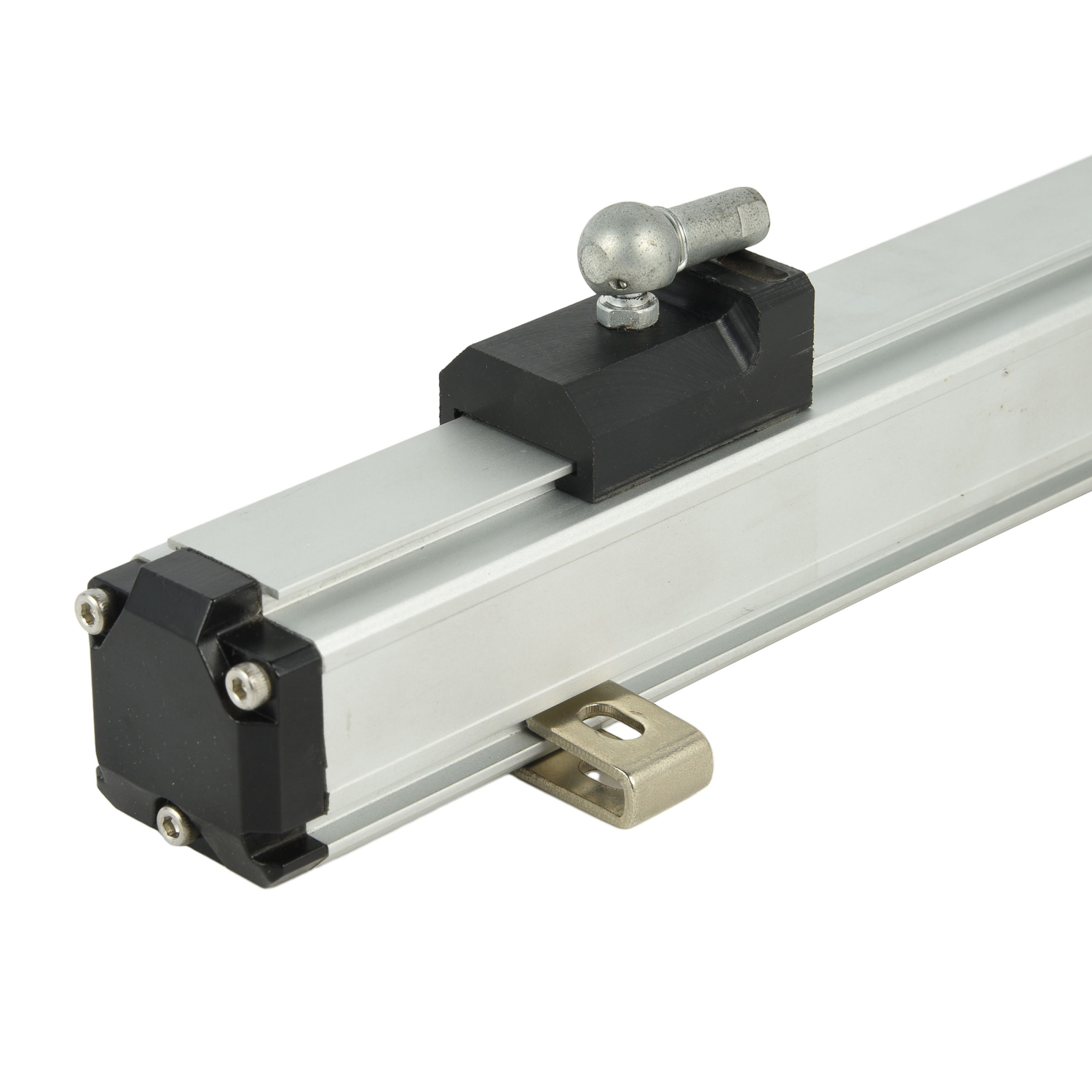
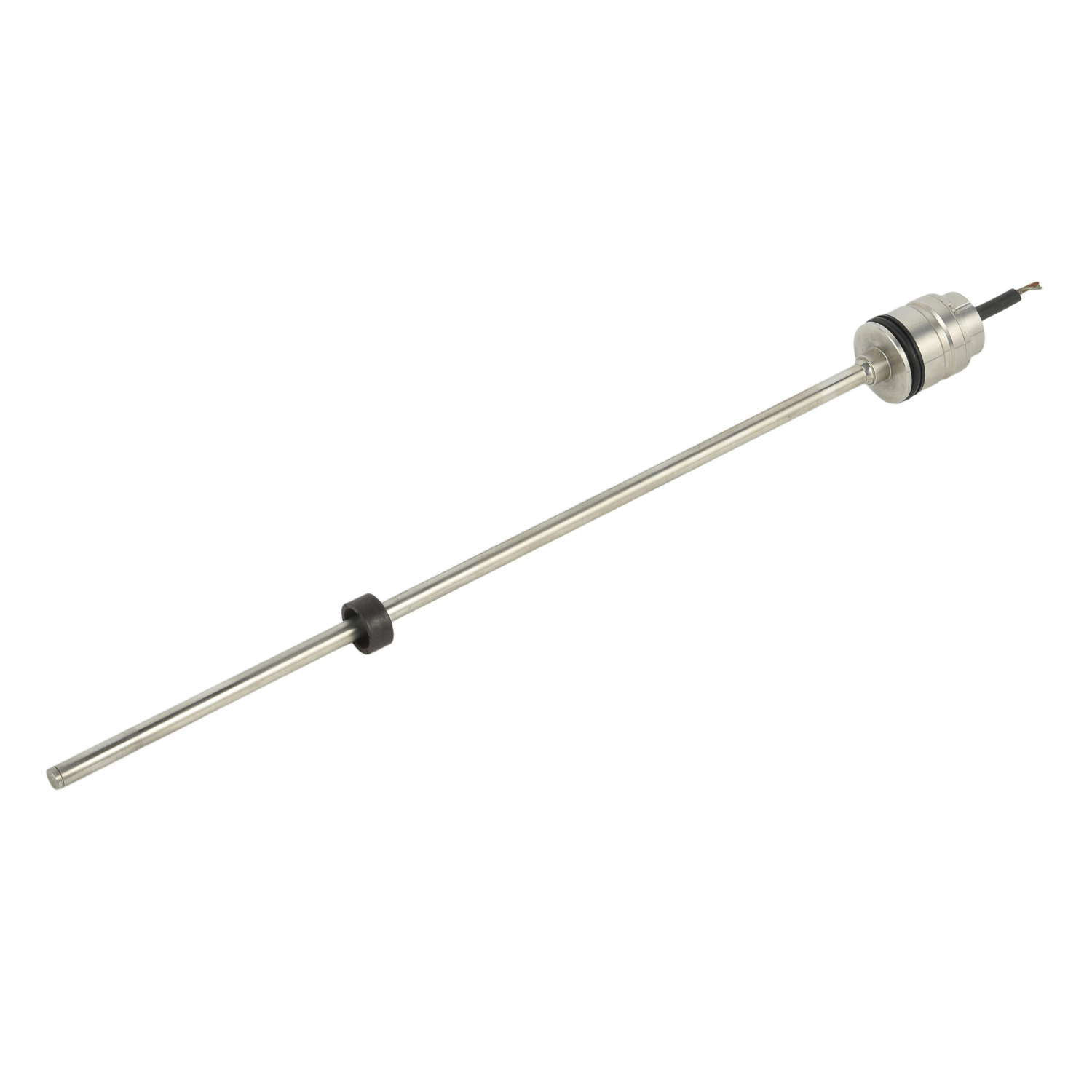 Reaction Kettle Flange-mounted
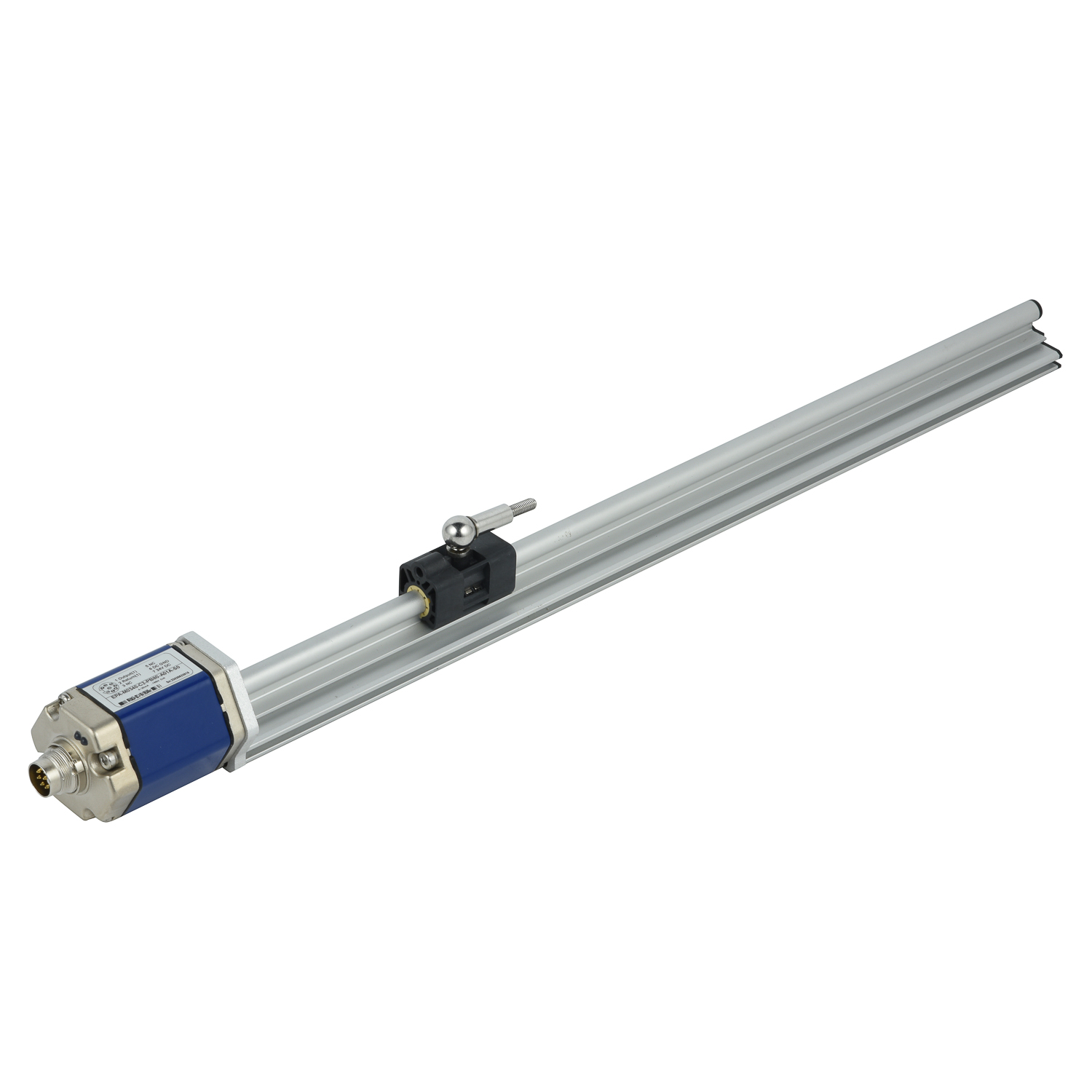 Storage Tank Non-contact Linea
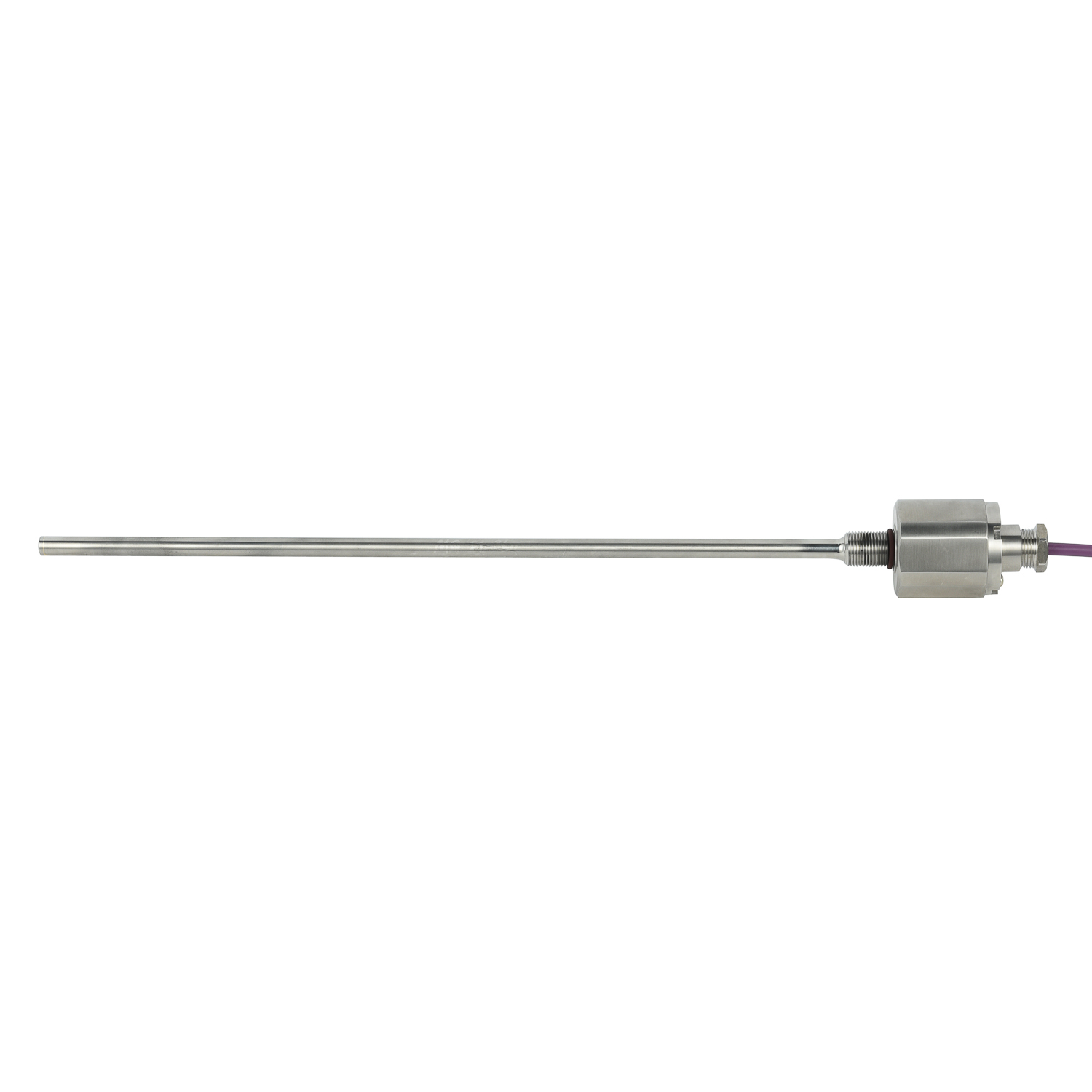 Material Tank Intrinsically Sa
 Bridge Crane Corrosion-resista