
Chemical Reaction Kettle High-pressure Linear Displacement Sensor Working Principle
Chemical reaction kettles usually run under high pressure, high temperature, and corrosive media, so trustworthy linear displacement measurement is important for safe control. A high-pressure linear displacement sensor commonly uses an LVDT or magnetostrictive element. In the LVDT type, a pressure-resistant stainless steel housing protects the coil assembly and electronics from the process fluid. A movable iron core is connected to the agitator shaft or a measuring rod. An oscillator excites the primary coil and induces voltages in two secondary coils. As the core moves, the magnetic coupling changes, and the two secondary voltages become different. The differential AC output is proportional to displacement, while phase comparison shows the movement direction. A signal conditioner then demodulates the signal into 4-20 mA or 0-10 V for the PLC or DCS. The high-pressure design uses welded flanges, static seals, and an isolation diaphragm to keep the pressure boundary safe. Temperature compensation and electromagnetic shielding improve stability in the reactor environment. During operation, the sensor monitors axial movement, thermal expansion, and load-induced deviation of the agitator shaft. This real-time feedback helps protect mechanical seals, prevent collision, and optimize mixing. It is widely applied in harsh process conditions. In short, the sensor converts mechanical displacement into reliable electrical signals and supports safe, continuous control of high-pressure chemical reaction kettles.
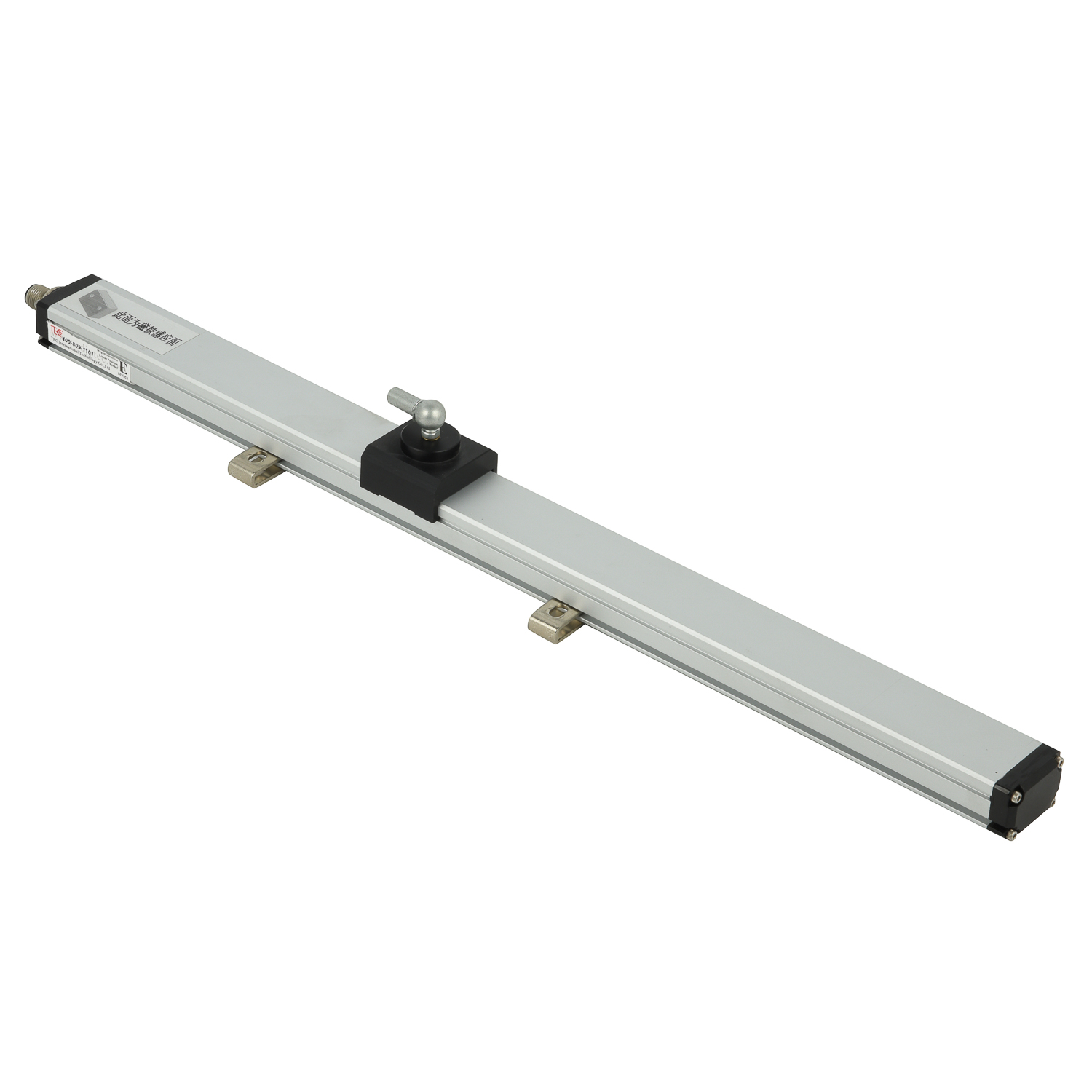
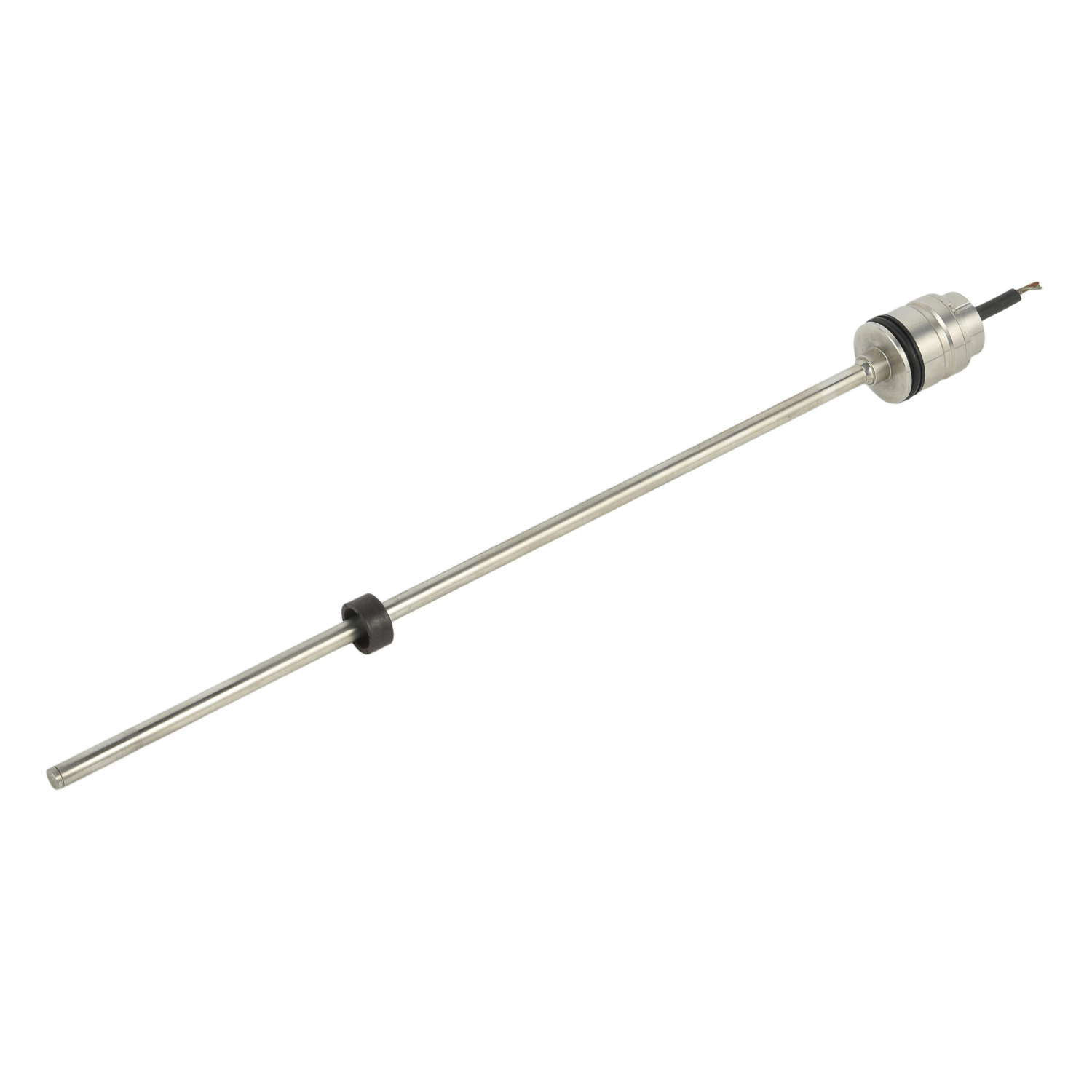 Reaction Kettle Flange-mounted
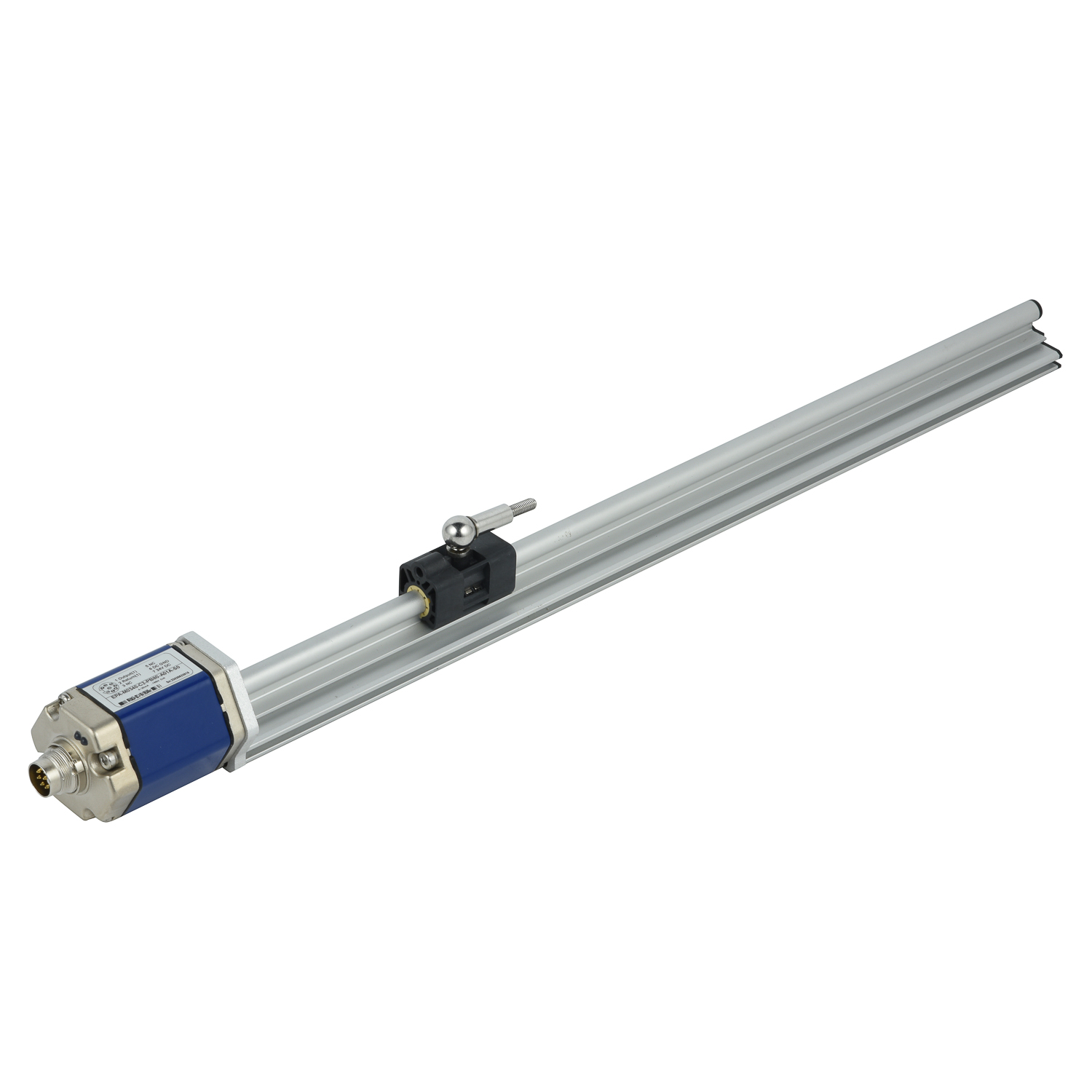 Storage Tank Non-contact Linea
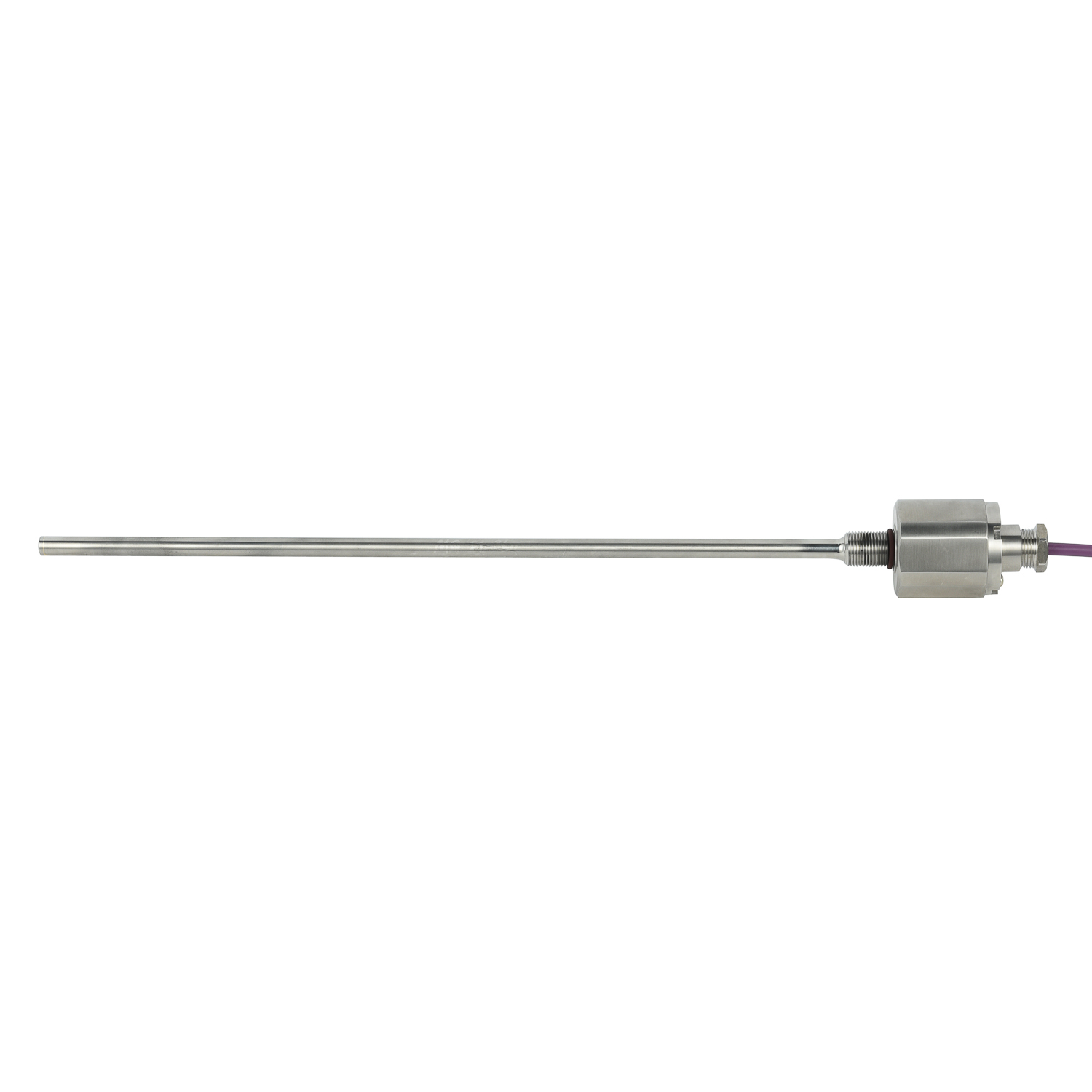 Material Tank Intrinsically Sa
 Bridge Crane Corrosion-resista