
Mining Overhead Crane Linear Displacement Sensor Technical Parameters
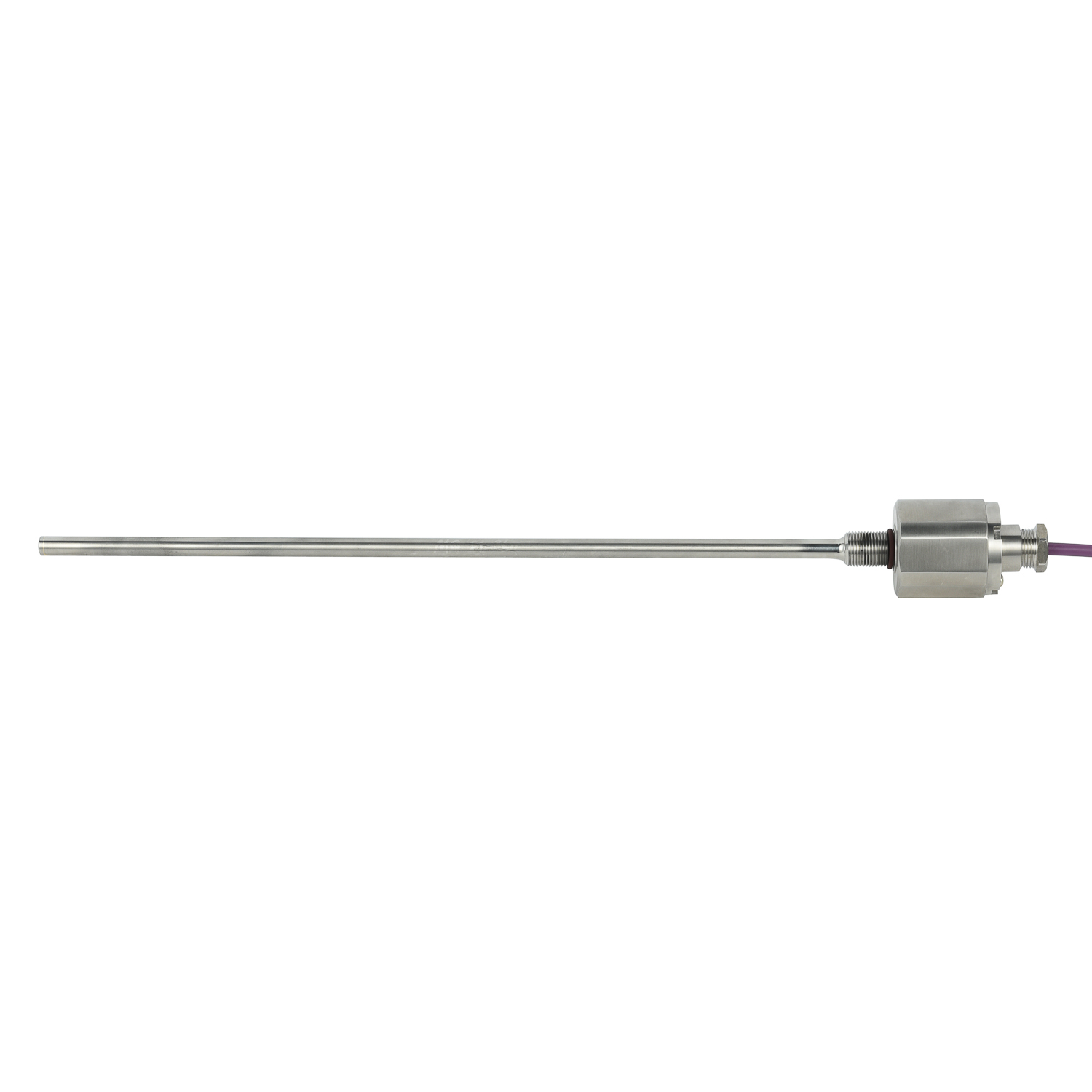
For safe and precise positioning of mining overhead cranes, linear displacement sensors must deliver stable feedback under dust, vibration, moisture, and heavy load. Typical technical parameters start with a measuring range of 0–15 m, resolution of 0.1 mm, and accuracy of ±0.05% FS. Repeatability should be ≤0.1 mm, with linearity ≤0.05% FS and a response speed up to 10 m/s. Common outputs include 4–20 mA, 0–10 V, SSI, and Modbus RTU, powered by 24 VDC with reverse-polarity protection. The sensor housing should be stainless steel or reinforced aluminum rated IP67/IP68, and the draw wire should use stainless steel or high-strength cable. For underground mining, flameproof or intrinsically safe versions such as Ex d I Mb or Ex ia I Ma may be required. Operating temperature should cover -20°C to +70°C, with vibration resistance of 10 g and shock resistance of 50 g. EMC protection, short-circuit protection, and surge protection are essential for crane control cabinets. Rugged cable exit, strain relief, and EMI shielding improve durability; zero/span adjustment and diagnostic output simplify maintenance. Installation must maintain cable alignment, avoid side load, and allow easy calibration. Output linearity, long-term drift (≤0.1% FS/year), and MTBF should be verified. The device should be calibrated after installation and checked during periodic crane inspections. These parameters ensure reliable hoist and trolley positioning, anti-sway control, and safe limit monitoring in demanding mining overhead crane applications.
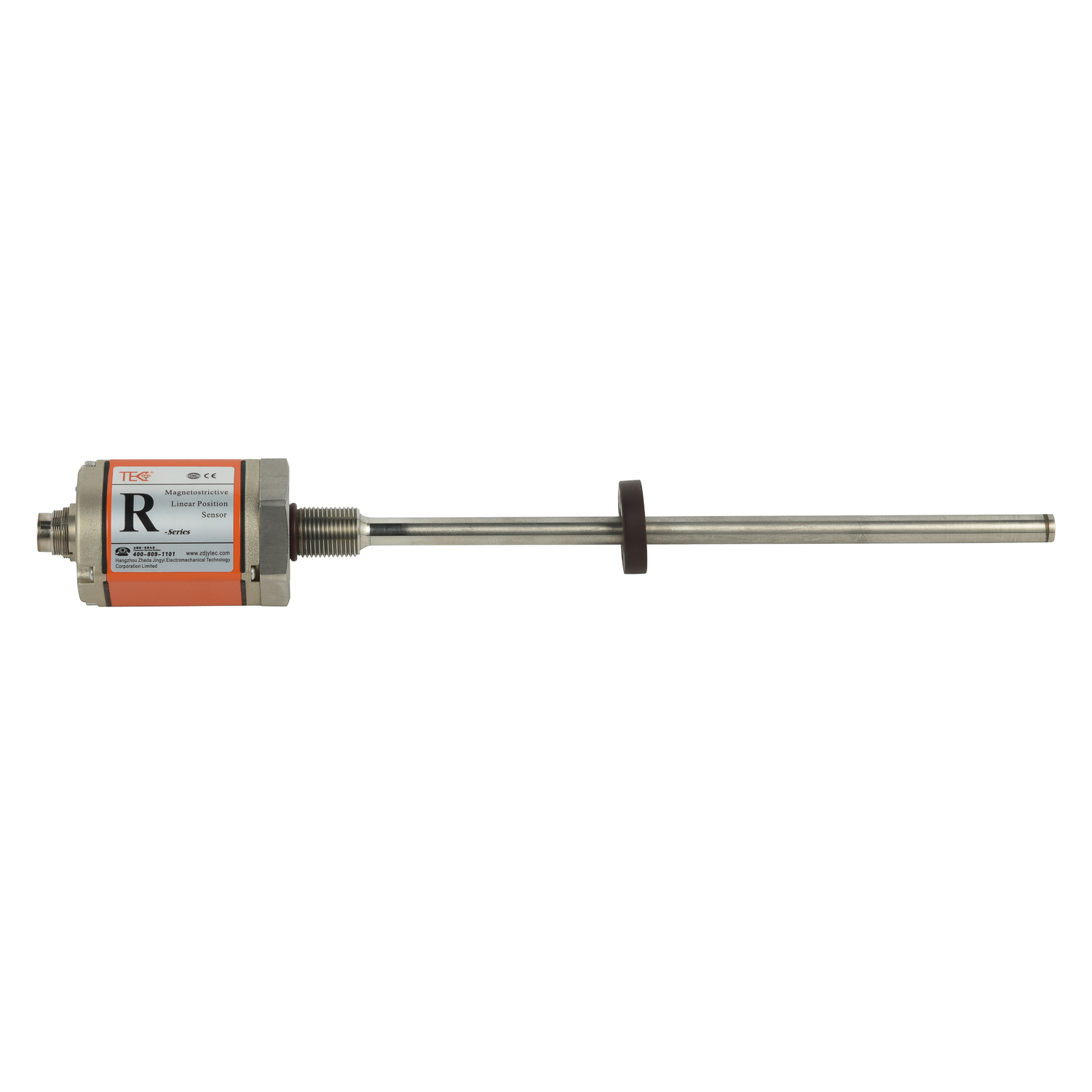
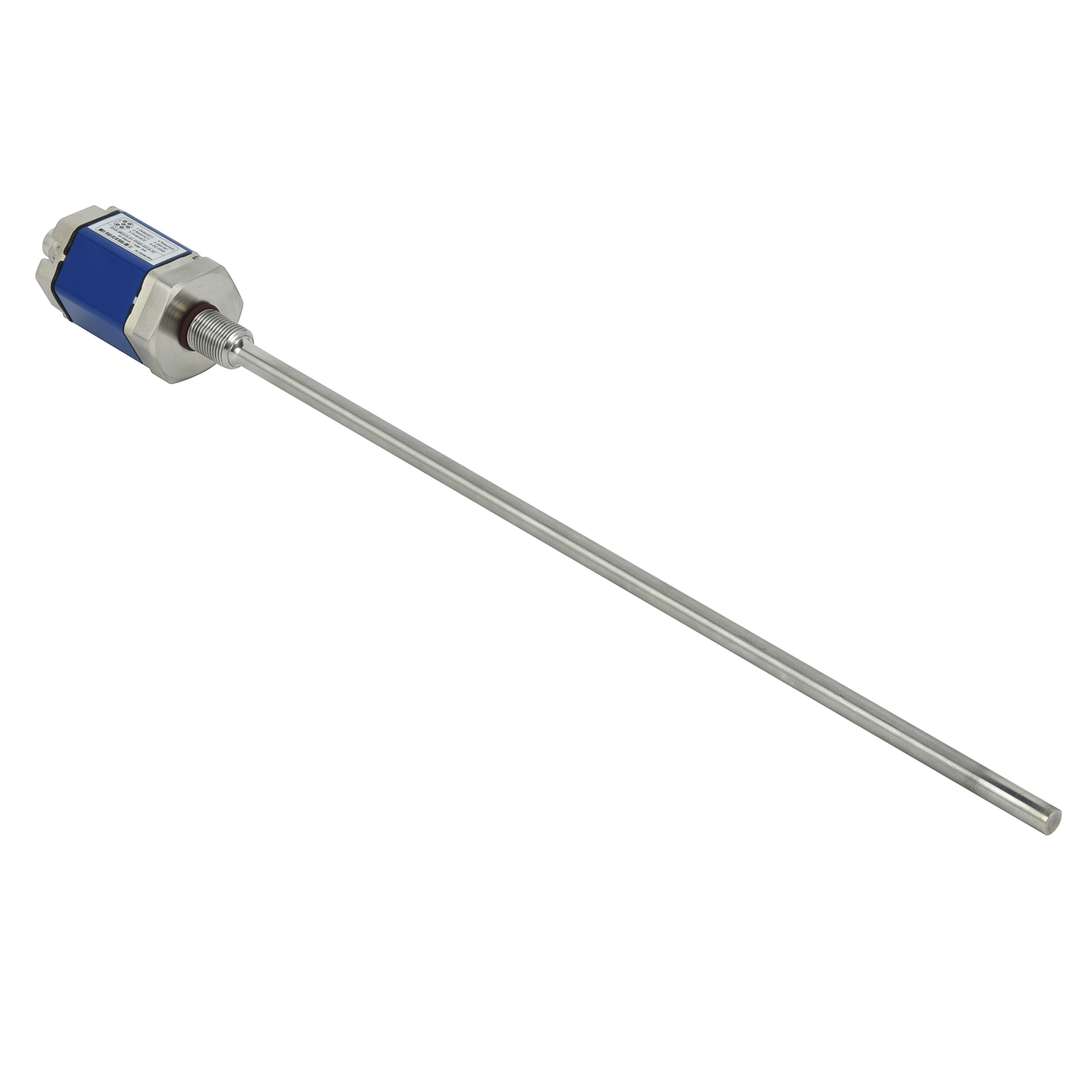 Silo Rod-type Linear Displacem
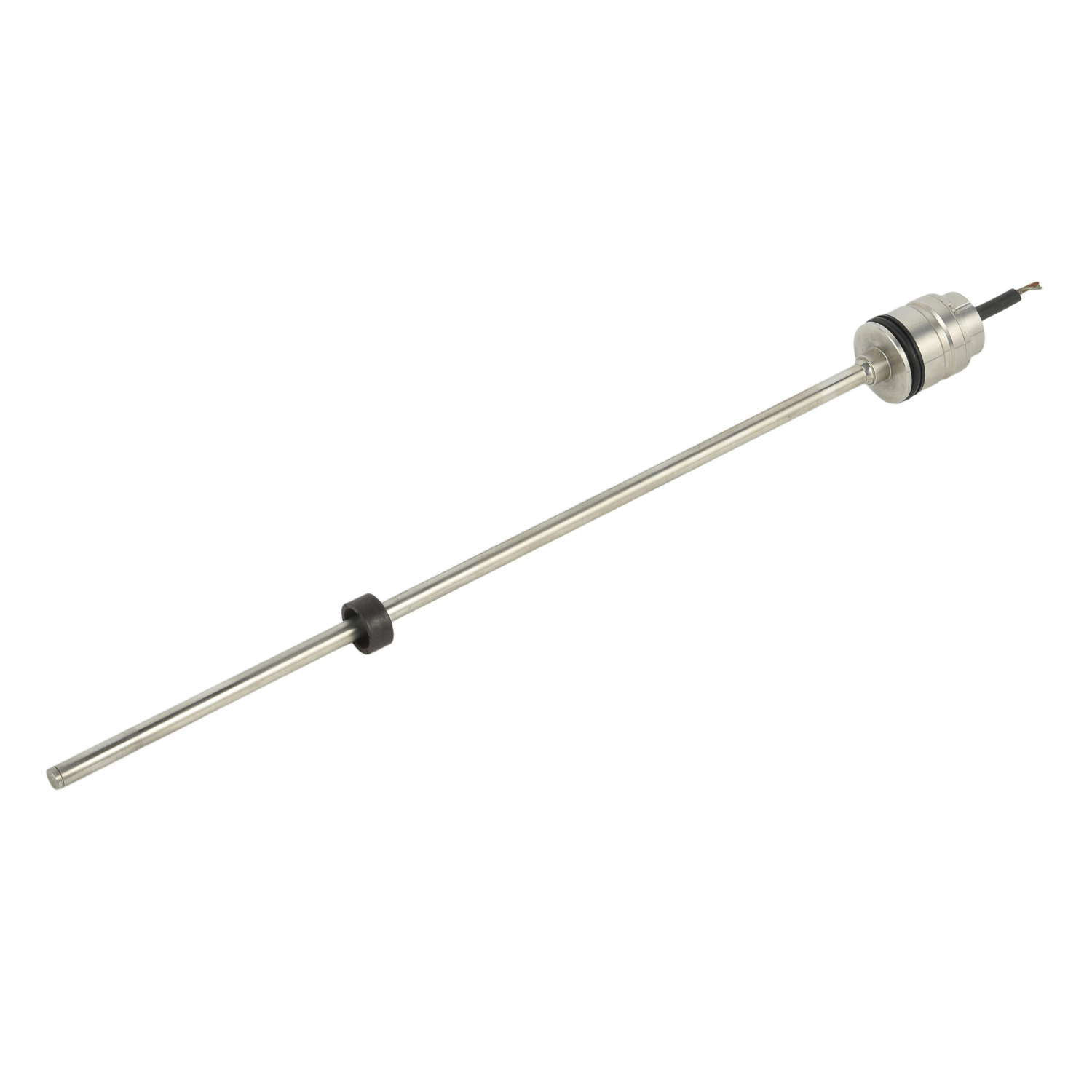 Reaction Kettle Flange-mounted
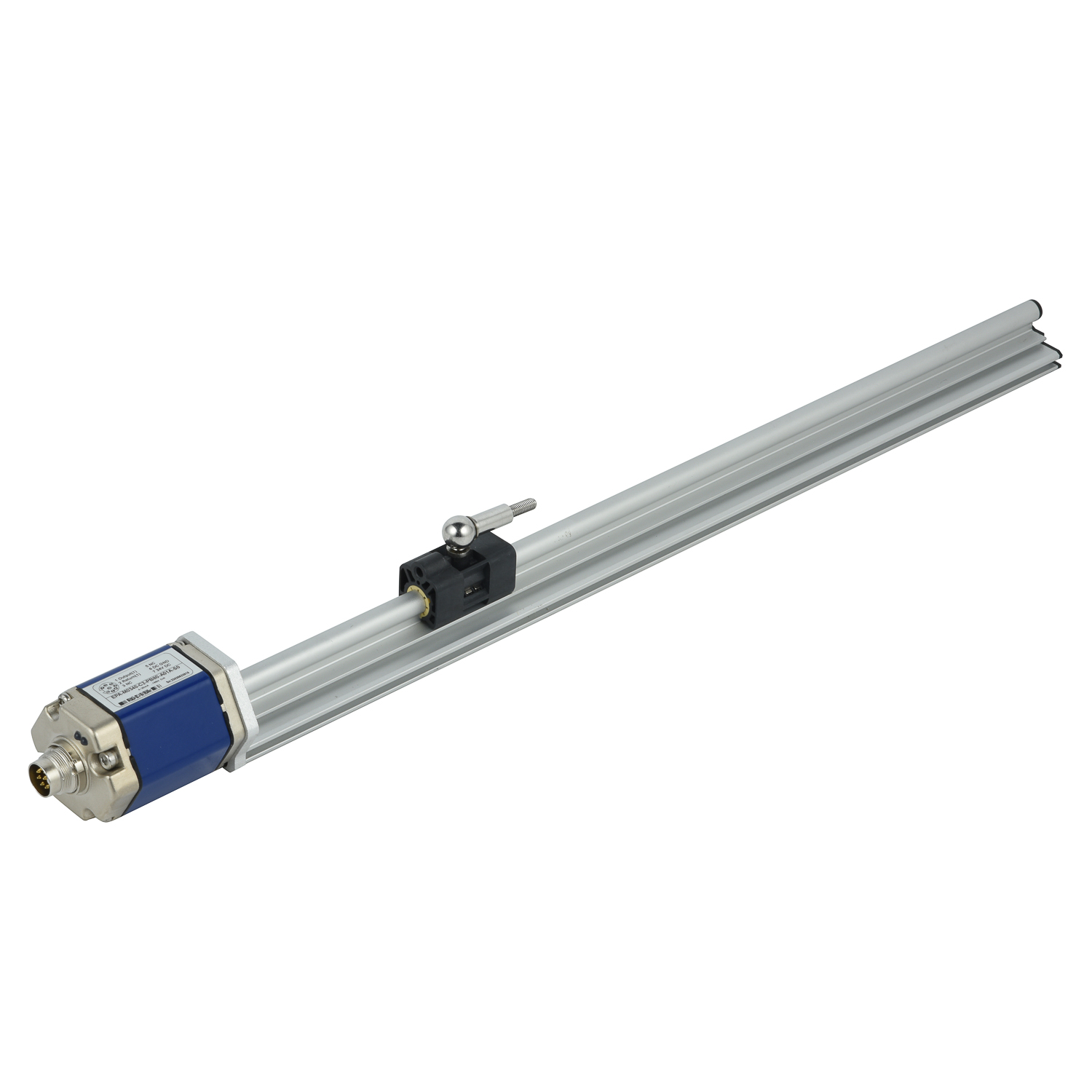 Storage Tank Non-contact Linea
 Material Tank Intrinsically Sa