
Chemical Hydraulic Cylinder High-pressure Linear Displacement Sensor Selection
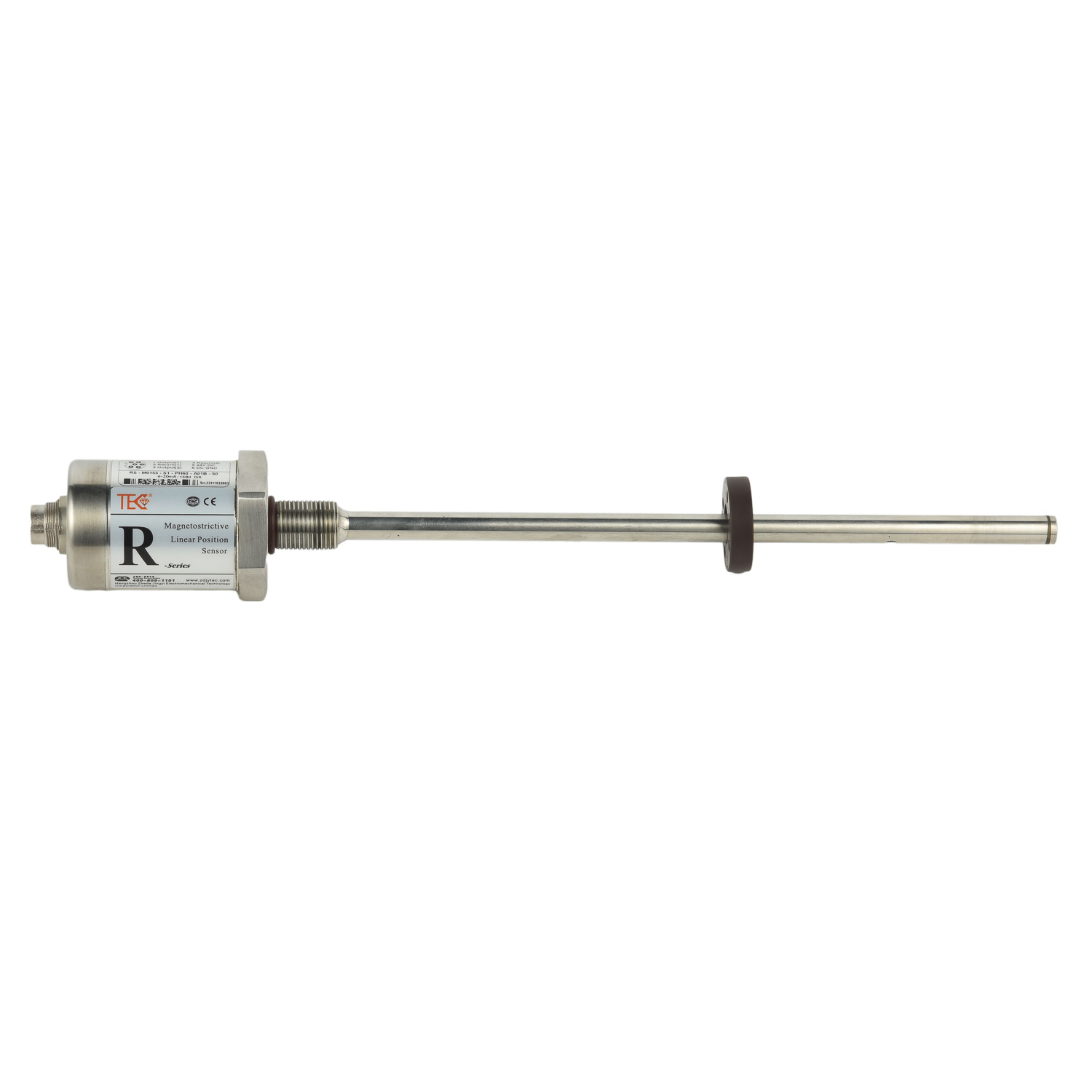
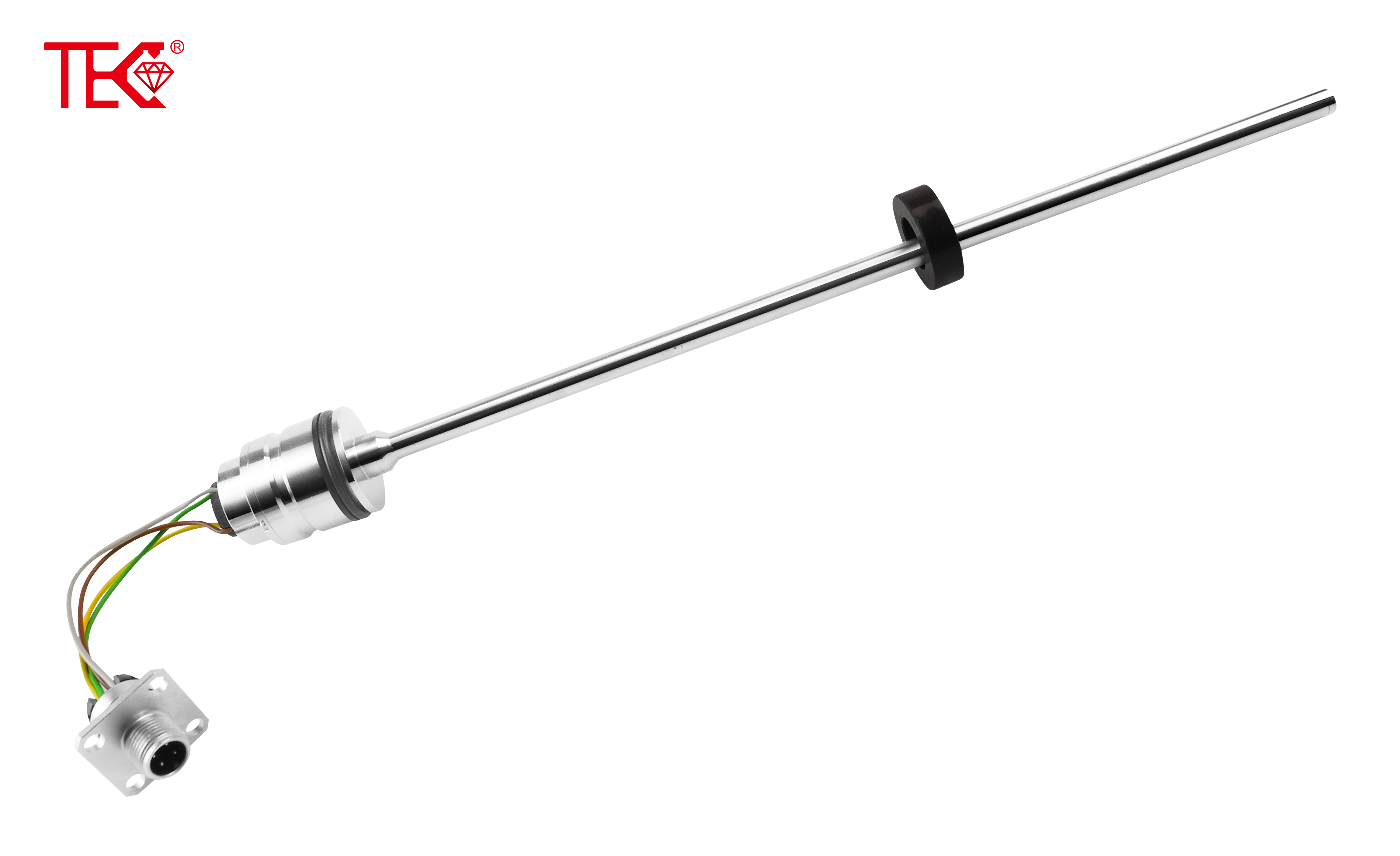
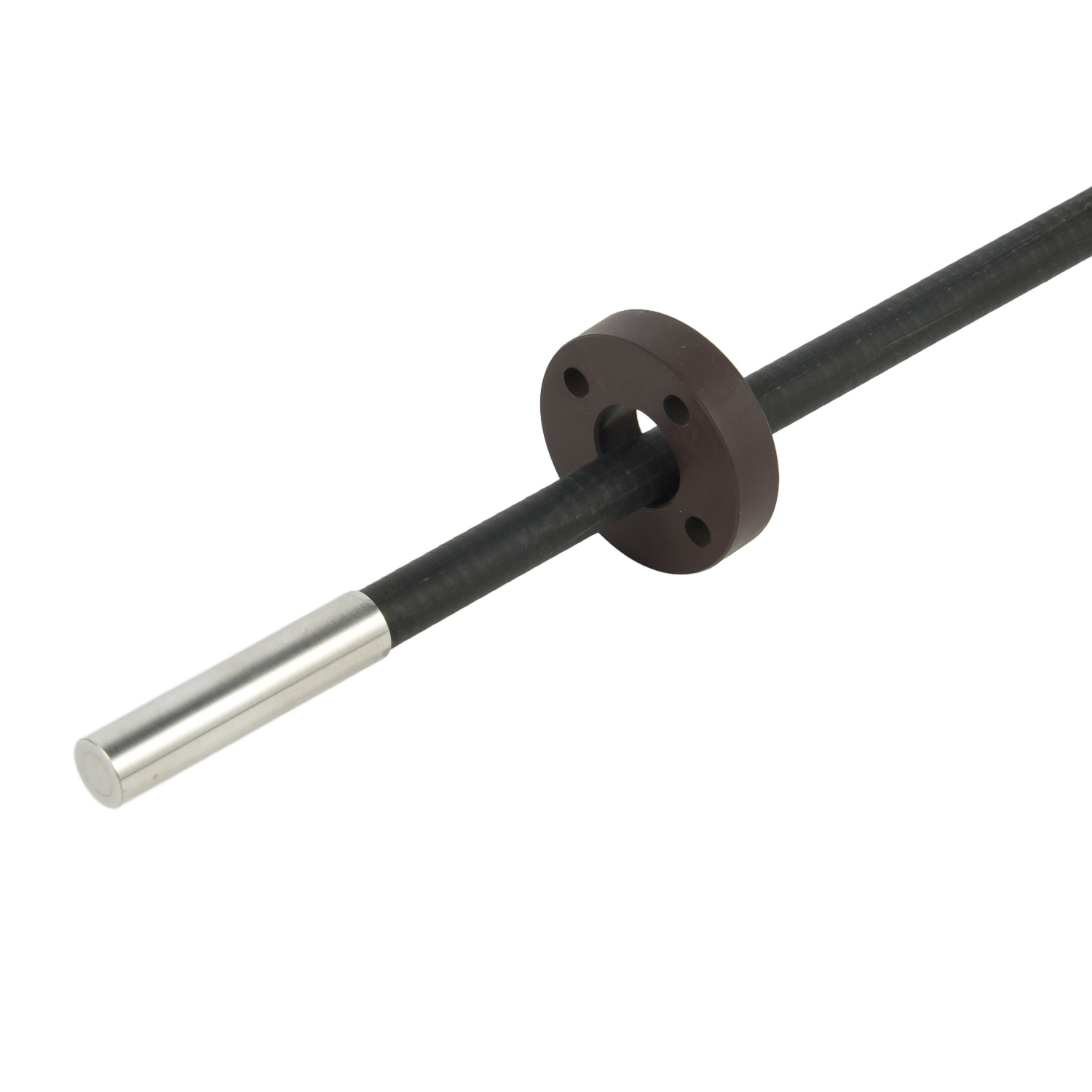
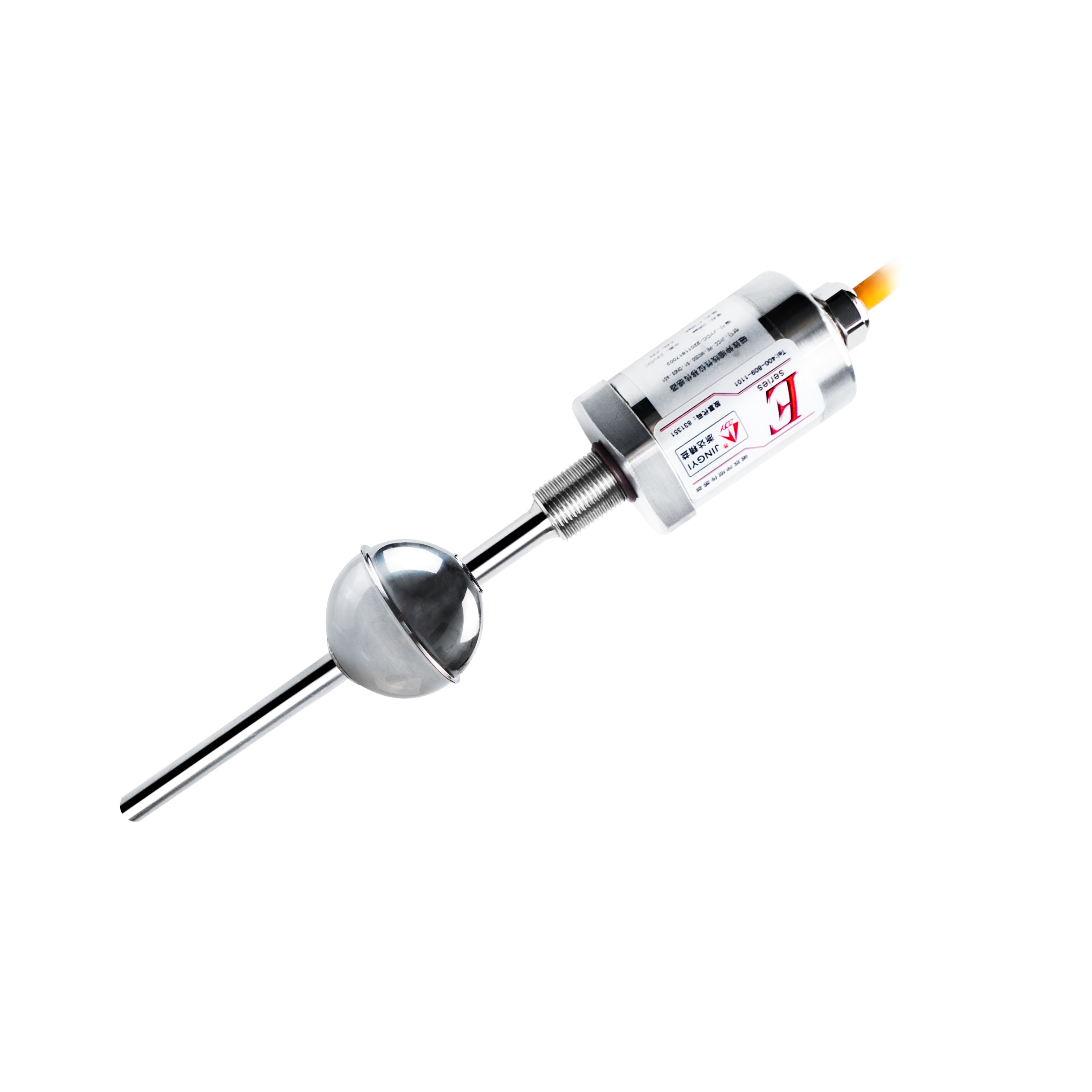
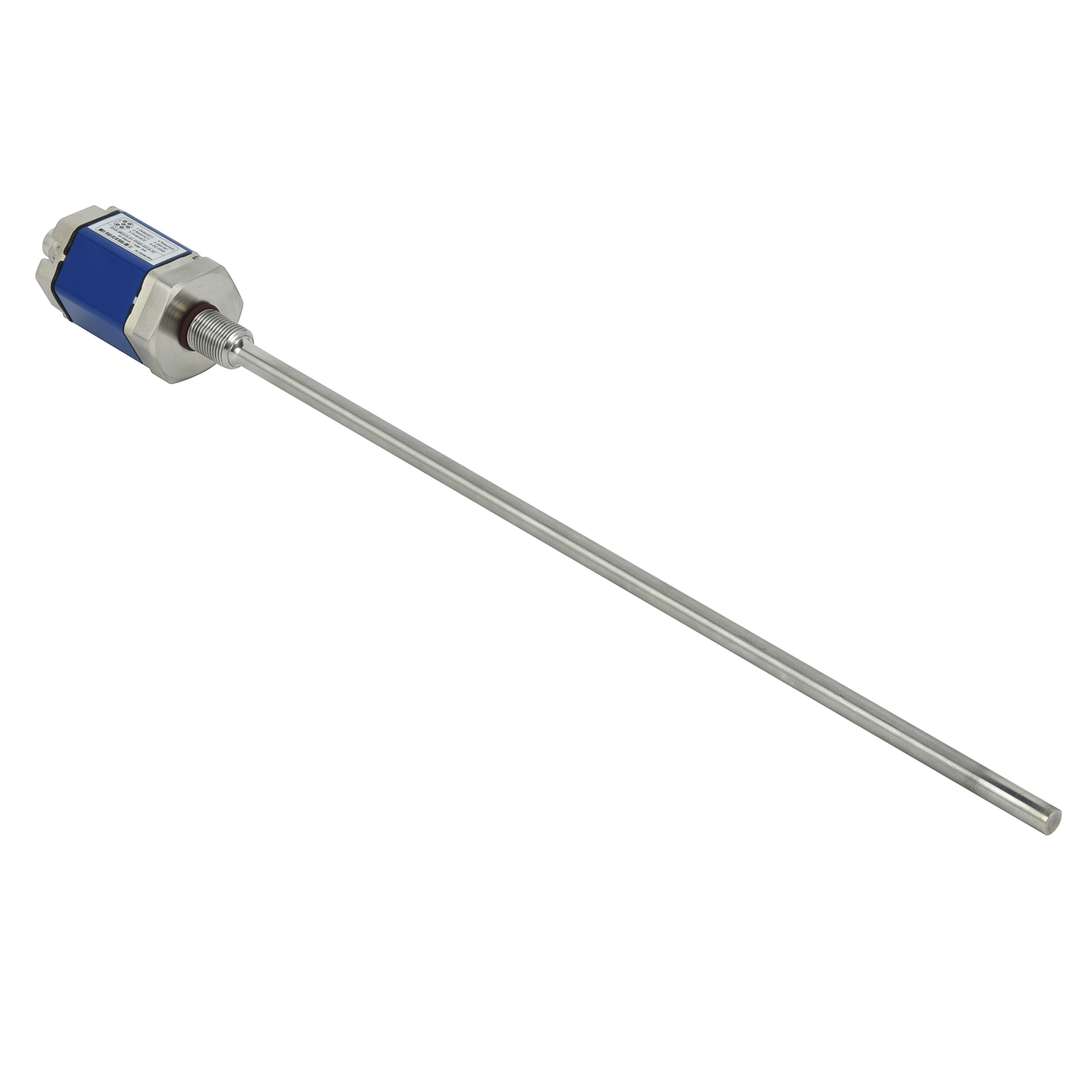
Selecting a high-pressure linear displacement sensor for a chemical hydraulic cylinder requires balancing pressure integrity, chemical compatibility, and control accuracy. First, confirm the cylinder’s maximum working pressure and peak surges. Choose a sensor with a proven pressure rating above these values, including a robust pressure tube, sealed flange, and compatible O-rings. Wetted materials must resist the hydraulic fluid and any chemical exposure. Stainless steel 316L, PTFE, PEEK, and chemically resistant seals are common choices; verify compatibility with the fluid supplier’s data. Next, define stroke length, resolution, repeatability, and linearity. Magnetostrictive or LVDT sensors often suit high-pressure cylinder position feedback, while analog 4–20 mA, 0–10 V, SSI, IO-Link, or CAN outputs should match the controller. Consider mounting space, rod-end access, cable routing, and protection against vibration and shock. In chemical plants, select IP67/IP69K housings and EMC-tested electronics, and use explosion-proof or intrinsically safe versions where required. Temperature drift, pressure cycles, and fluid cleanliness also affect service life. Specify calibration, connectors, cable jackets, and maintenance access early. A documented FAT/SAT and spare-parts plan reduce downtime. By matching pressure rating, materials, output, accuracy, and safety certification to the application, engineers can ensure reliable position feedback and safer chemical hydraulic cylinder operation.
 Injection Molding Machine Buil
 Hoist High-temperature Linear
 Gate Explosion-proof Linear Di
 Silo Rod-type Linear Displacem