
Mining Stacker-reclaimer High-temperature Linear Displacement Sensor Price
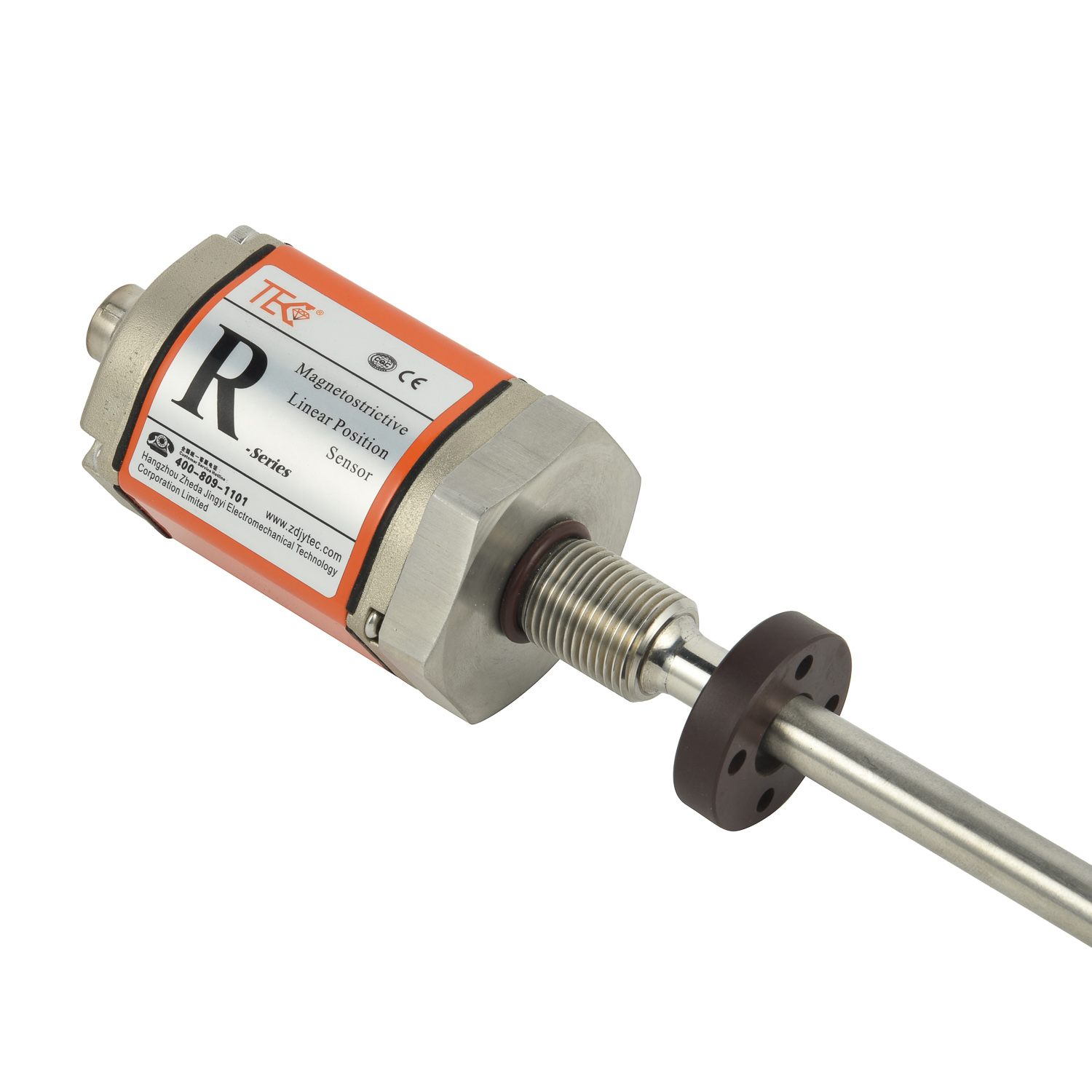
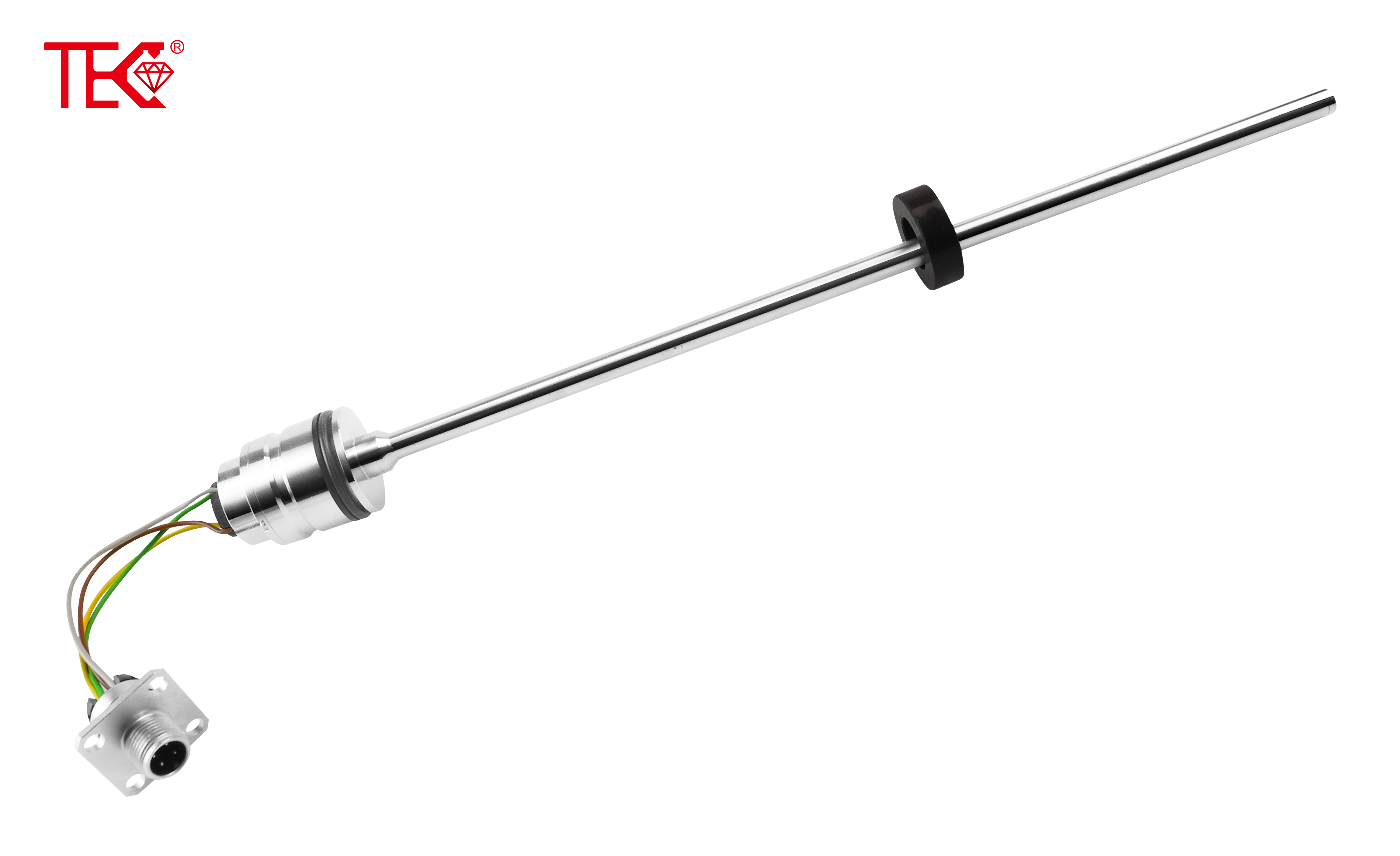
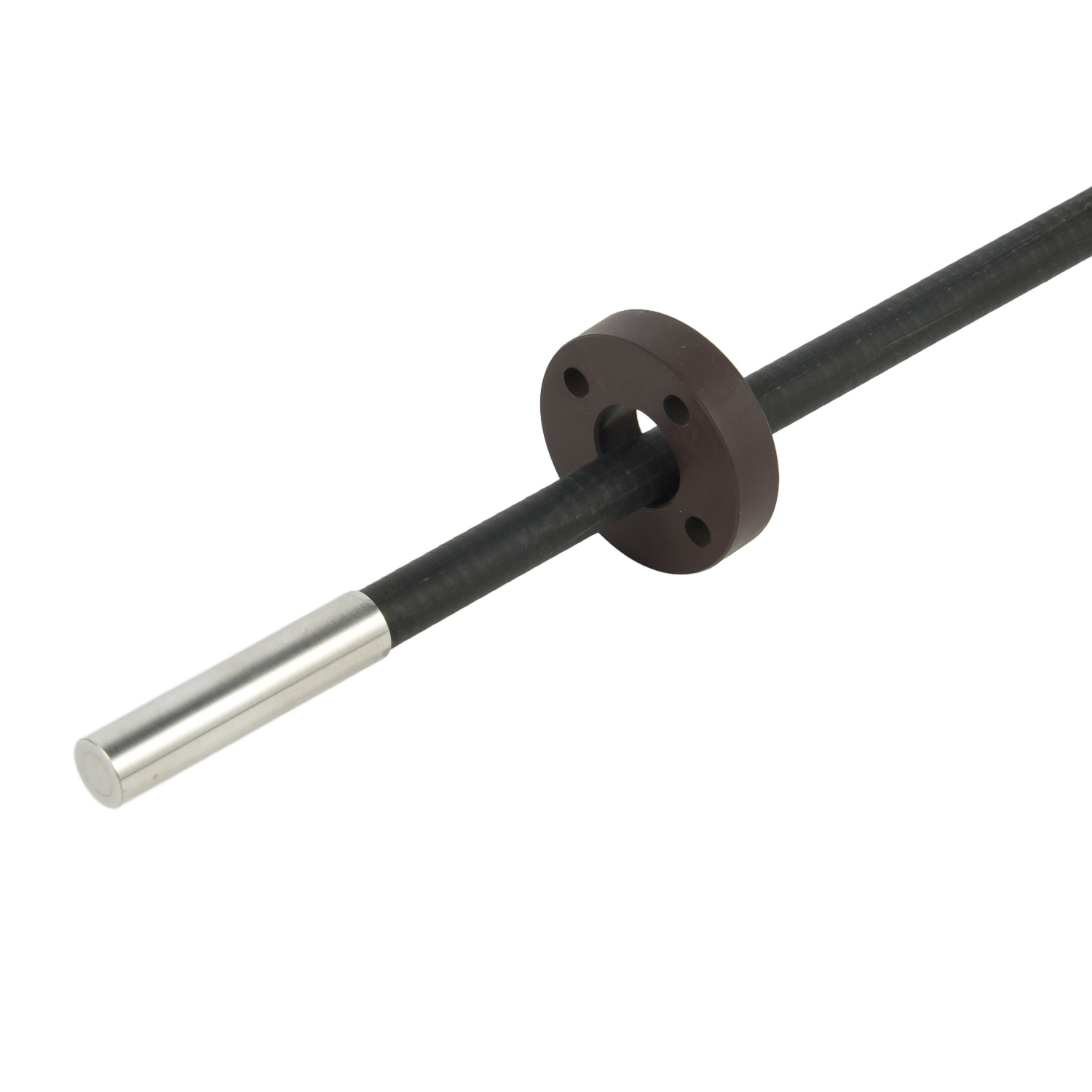
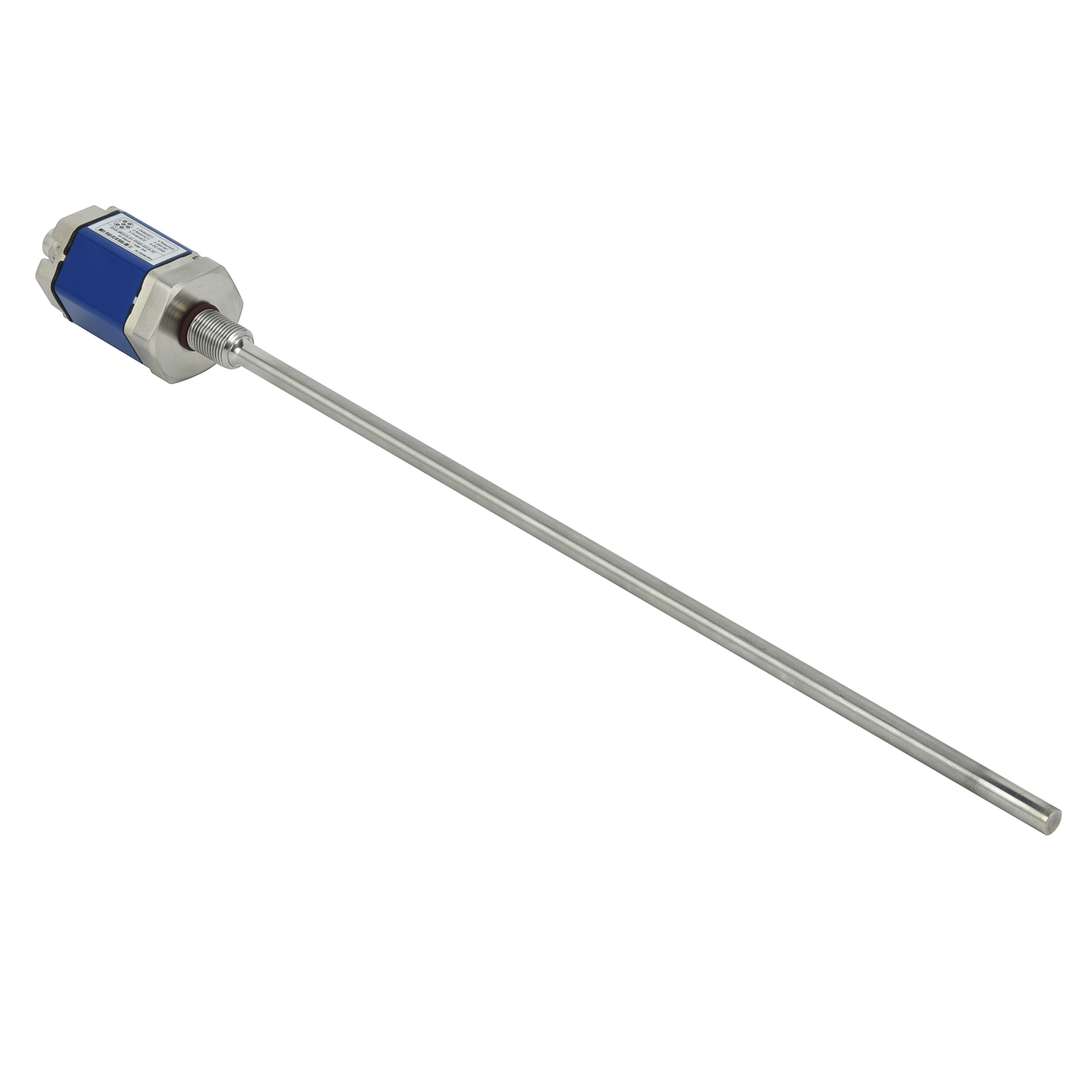
Mining stacker-reclaimers operate in dusty, vibrating, and high-temperature environments. A high-temperature linear displacement sensor is often used to monitor boom position, slewing angle, and material pile alignment. Because these machines run continuously, sensor reliability directly affects safety and productivity. The price of a mining stacker-reclaimer high-temperature linear displacement sensor varies by measuring range, accuracy, output signal, housing material, cable protection, and temperature rating. Standard models may cost less, while sensors rated for 150C or above, with IP67/IP68 protection and rugged stainless-steel housings, carry a premium. Supply chain, brand, calibration, certification, and after-sales support also influence quotes. For buyers, the lowest price is not always the best value. A suitable sensor should resist heat, dust, shock, and electromagnetic interference while delivering stable 4-20mA, 0-10V, or digital output. Before ordering, confirm installation space, stroke length, resolution, repeatability, and compatibility with the control system. Request test data and warranty terms. Bulk orders and long-term supply agreements can reduce unit cost. Typical units range from tens to several hundred dollars, but high-temperature certified designs cost more; request a quote based on stroke, output, and protection class. Selecting a proven supplier helps avoid downtime and replacement expense. In short, evaluate total lifecycle cost, not only the initial sensor price.
 Injection Molding Machine Buil
 Hoist High-temperature Linear
 Gate Explosion-proof Linear Di
 Silo Rod-type Linear Displacem