
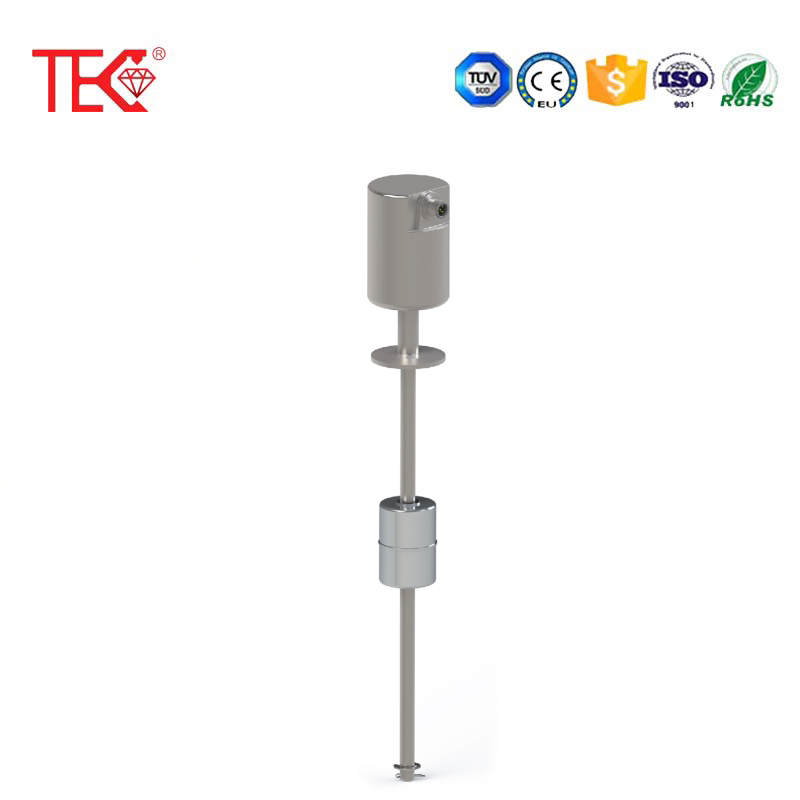
Hydraulic Cylinder Float-type Magnetostrictive Level Gauge Installation Method
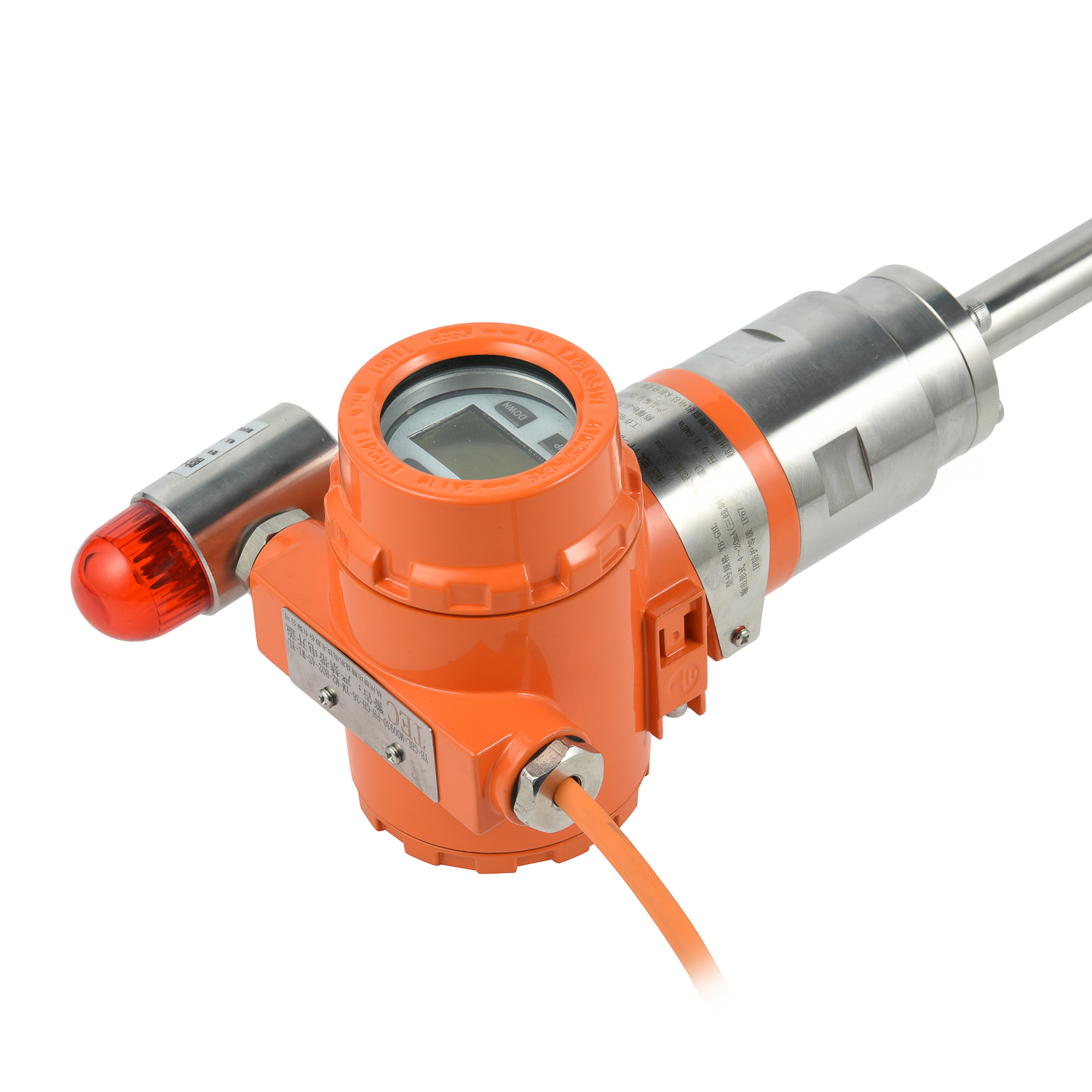
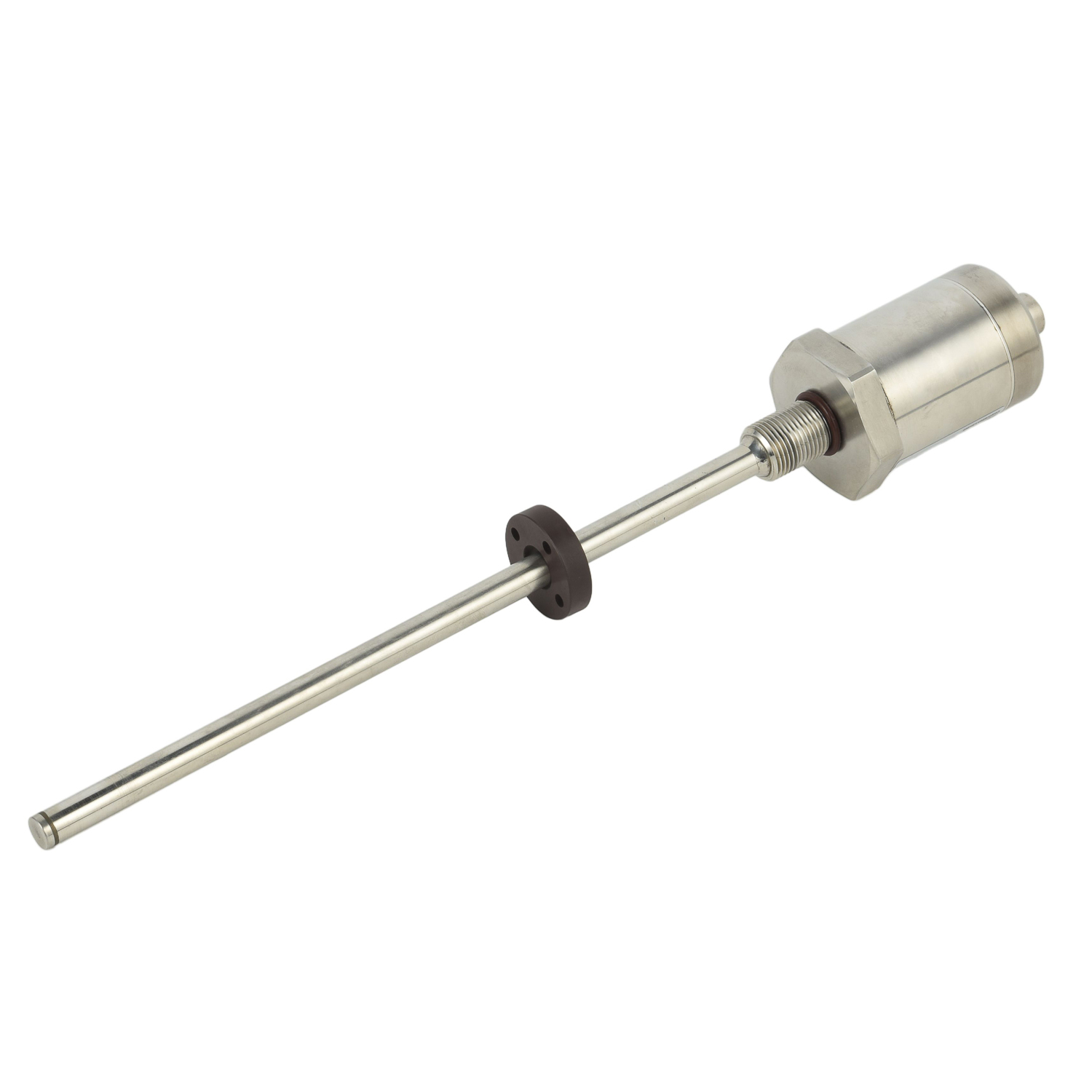
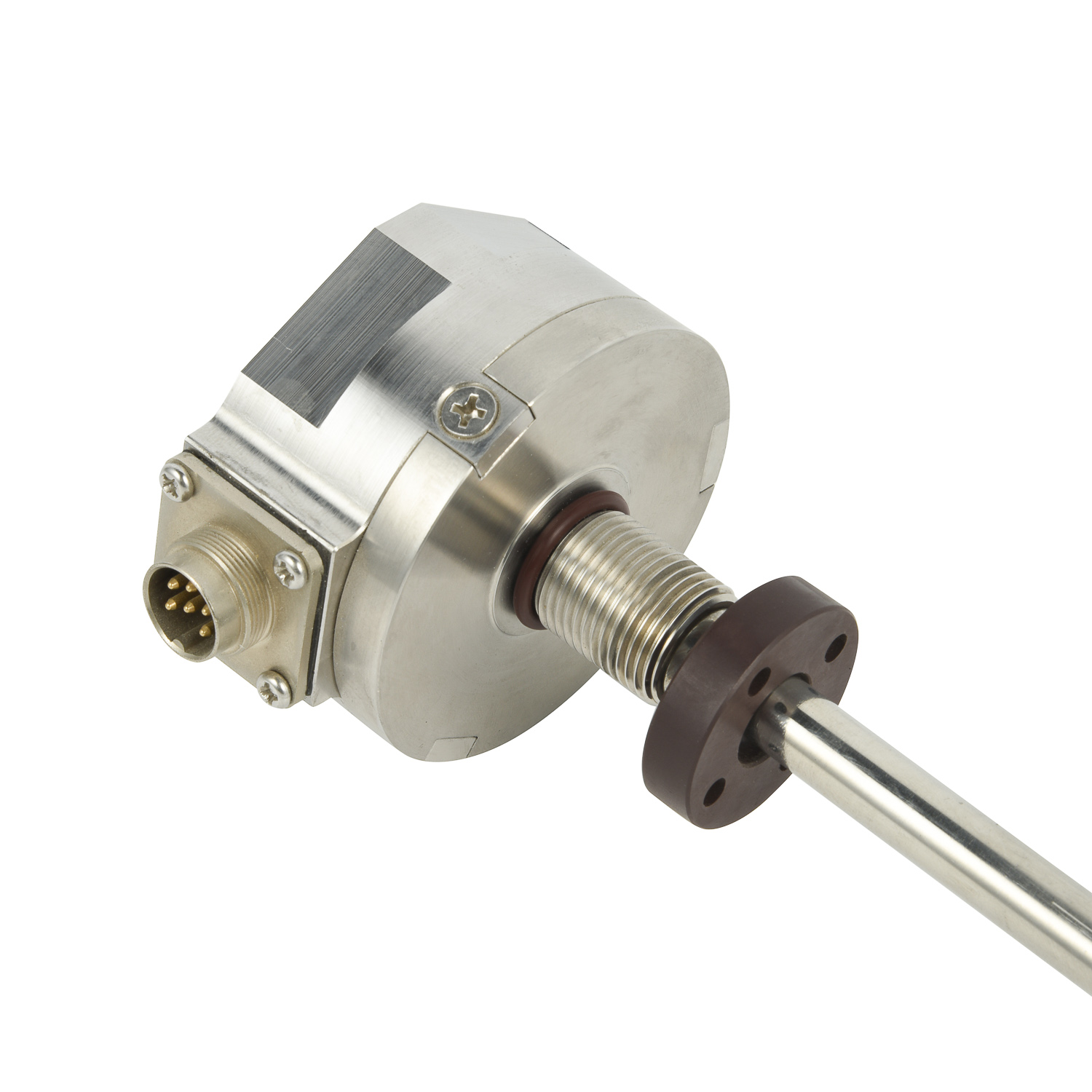
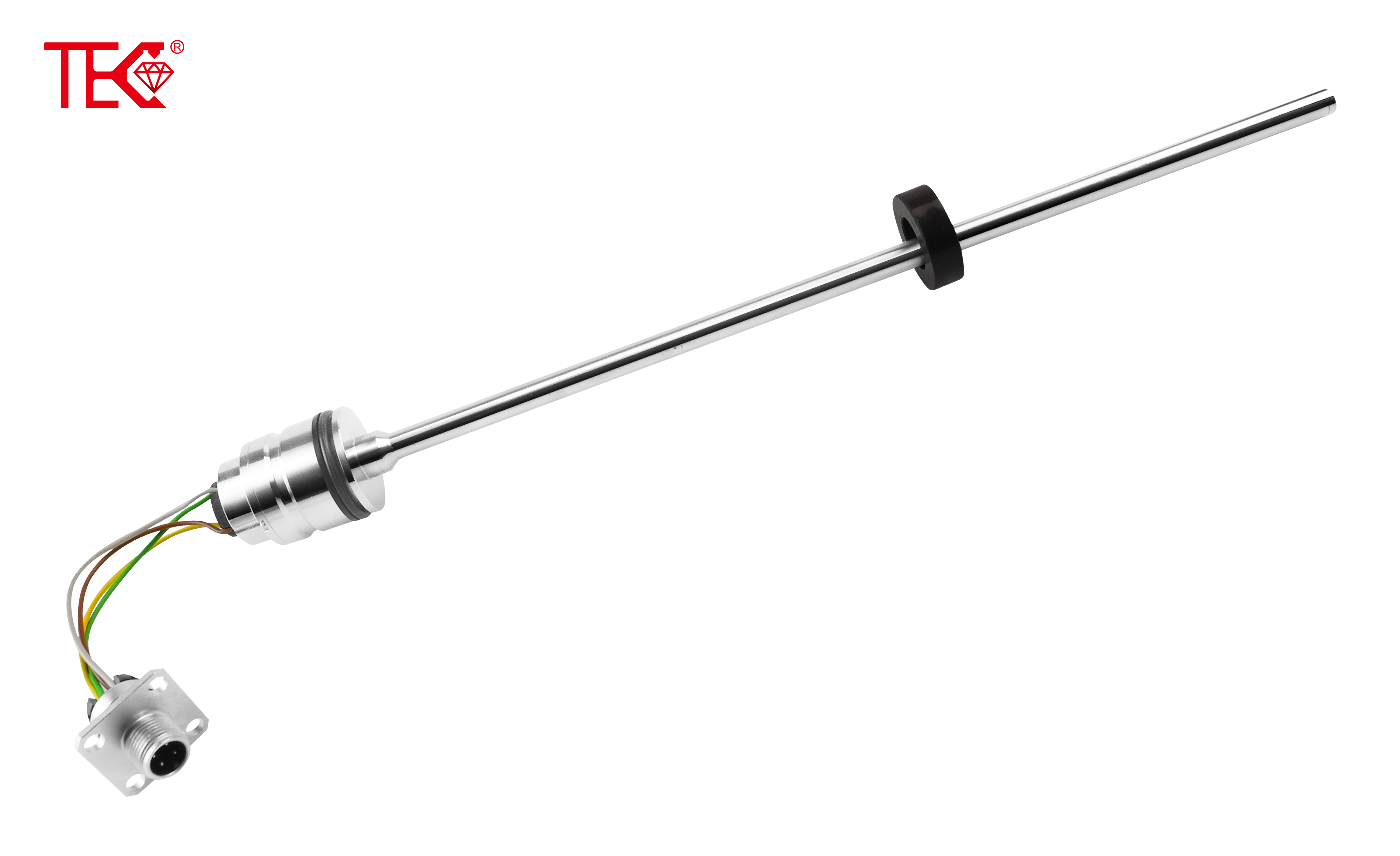
Before installation, verify the gauge rating, measuring range, float type, and process connection against the hydraulic cylinder drawing. Isolate the cylinder, release pressure, drain oil, and apply lockout/tagout. Select a mounting point away from flow turbulence, trapped air, and mechanical impact. Weld or fix the mounting boss and flange according to the manufacturer's drawing, keeping the probe axis perpendicular to the oil surface and within the permitted angle. Use the specified gasket or O-ring, and tighten the process connection to the required torque. Insert the probe and float slowly; do not bend the sensing rod. Confirm that the float moves freely through the full stroke without touching the cylinder wall, baffles, or end stops. Align the electronics housing for cable entry and maintenance access. Connect power and signal wiring as shown in the manual, using shielded cable and separating it from high-power lines. Ground the housing properly. After filling with clean hydraulic oil, calibrate the zero and span according to the actual level range. Slowly pressurize the cylinder and check all joints for leaks. Operate the cylinder through its full stroke and verify that the 4-20 mA or HART output changes smoothly and matches the local indication. Record the zero, span, and commissioning results. If the signal jumps or drifts, recheck float freedom, grounding, wiring polarity, and probe alignment. Document all checks, and retain the commissioning records for maintenance.
 Mining Stacker-reclaimer High-
 Metallurgy Bucket Wheel Stacke
 Die Casting Machine Explosion-
 Injection Molding Machine Buil