
Port Hoist Intrinsically Safe Explosion-proof Magnetostrictive Level Gauge Installation Method
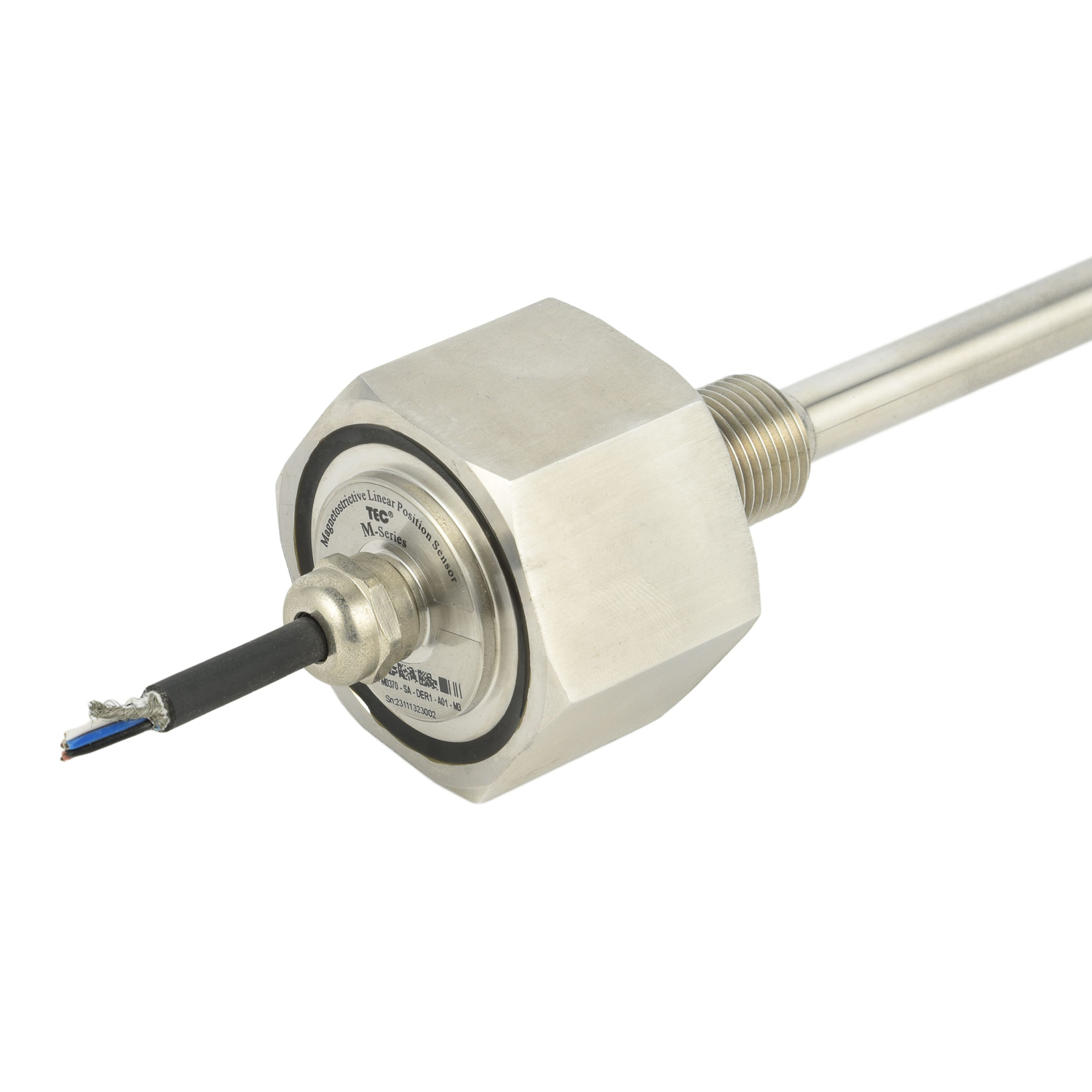
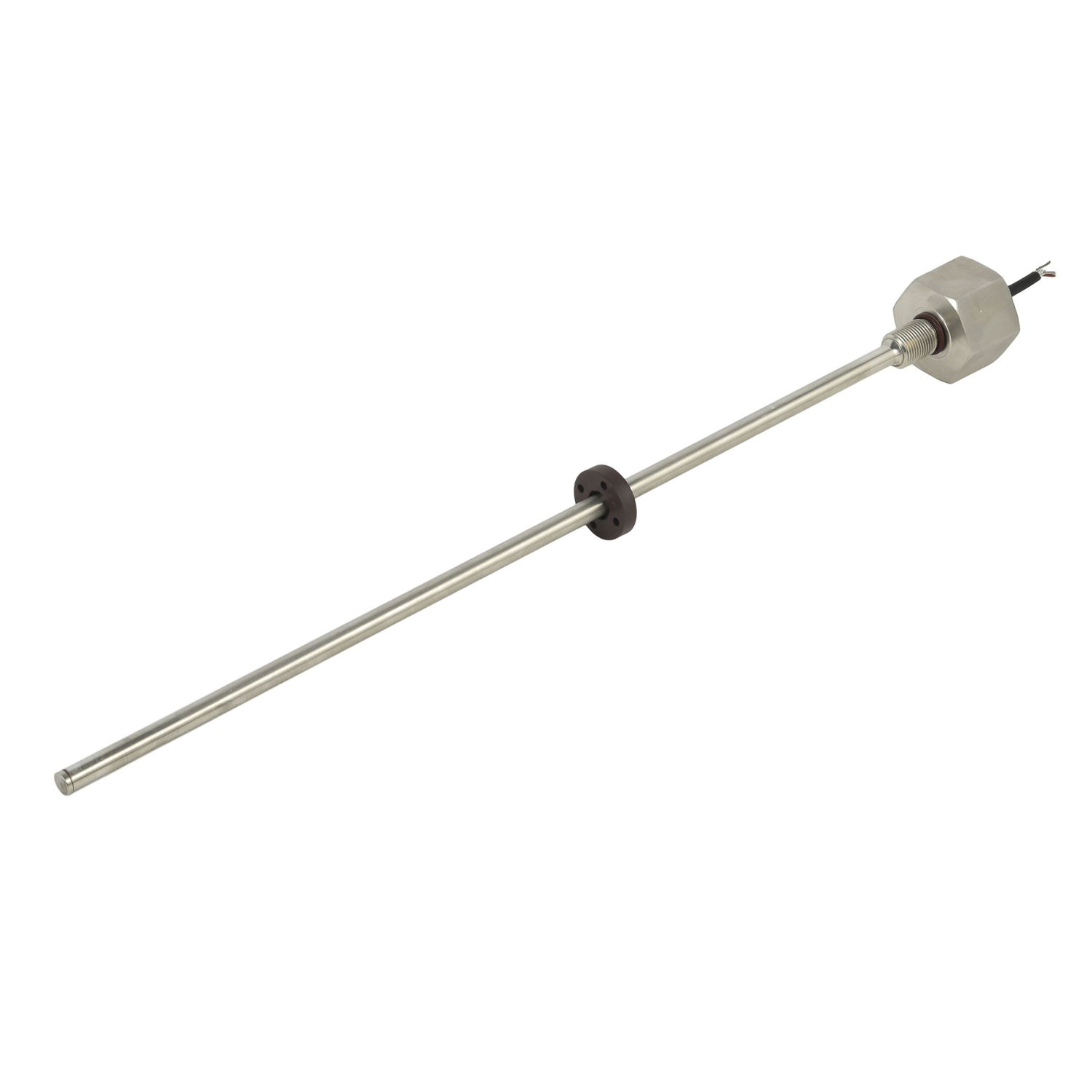
Installing an intrinsically safe explosion-proof magnetostrictive level gauge on a port hoist requires planning. First, confirm the gauge, barrier, and cable are certified for the hazardous zone and compatible with the hoist's control system. Isolate the hoist, apply lockout/tagout, and obtain a hot-work or electrical permit. Select a vertical mounting point on the tank that is free from vibration, heat, and impact. The probe must remain straight and the float must move freely over the measuring range. Use the manufacturer's flange or threaded adapter, tighten to specified torque, and ensure the gasket seals the process connection.
Route the intrinsically safe signal cable separately from power cables. Use approved cable glands and shielded twisted-pair cable, keeping the shield grounded at one specified point only. Connect the gauge to the associated IS barrier or isolator according to the control drawing. Check polarity and terminal torque, then verify insulation resistance before energizing. Ground the hoist structure and gauge housing to the plant grounding system.
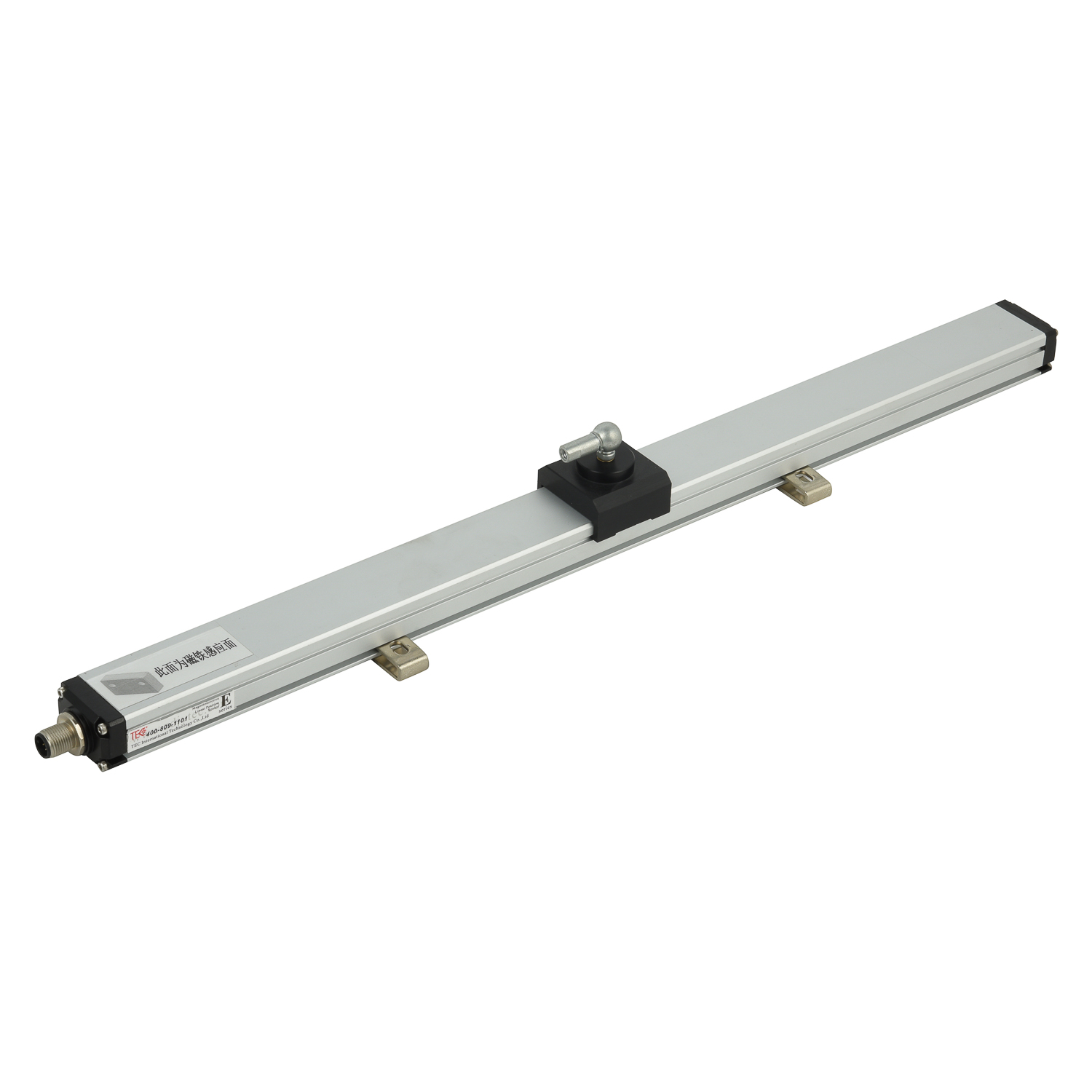
After installation, perform a leak test and calibrate zero and span. Move the float or use a simulator to check output at 0%, 50%, and 100%. Confirm that the display and remote monitoring agree. Test high and low alarms and record all settings. Finally, close the enclosure, restore power through the approved procedure, and complete commissioning documentation. Regular inspection of seals, cables, and grounding is essential for safe port hoist operation.
Port Hoist Intrinsically Safe
 Water Conservancy Gate Corrosi
 Sewage Treatment Silo Waterpro
 Chemical Reaction Kettle High-