
Chemical Reaction Kettle High-pressure Magnetostrictive Level Gauge Selection
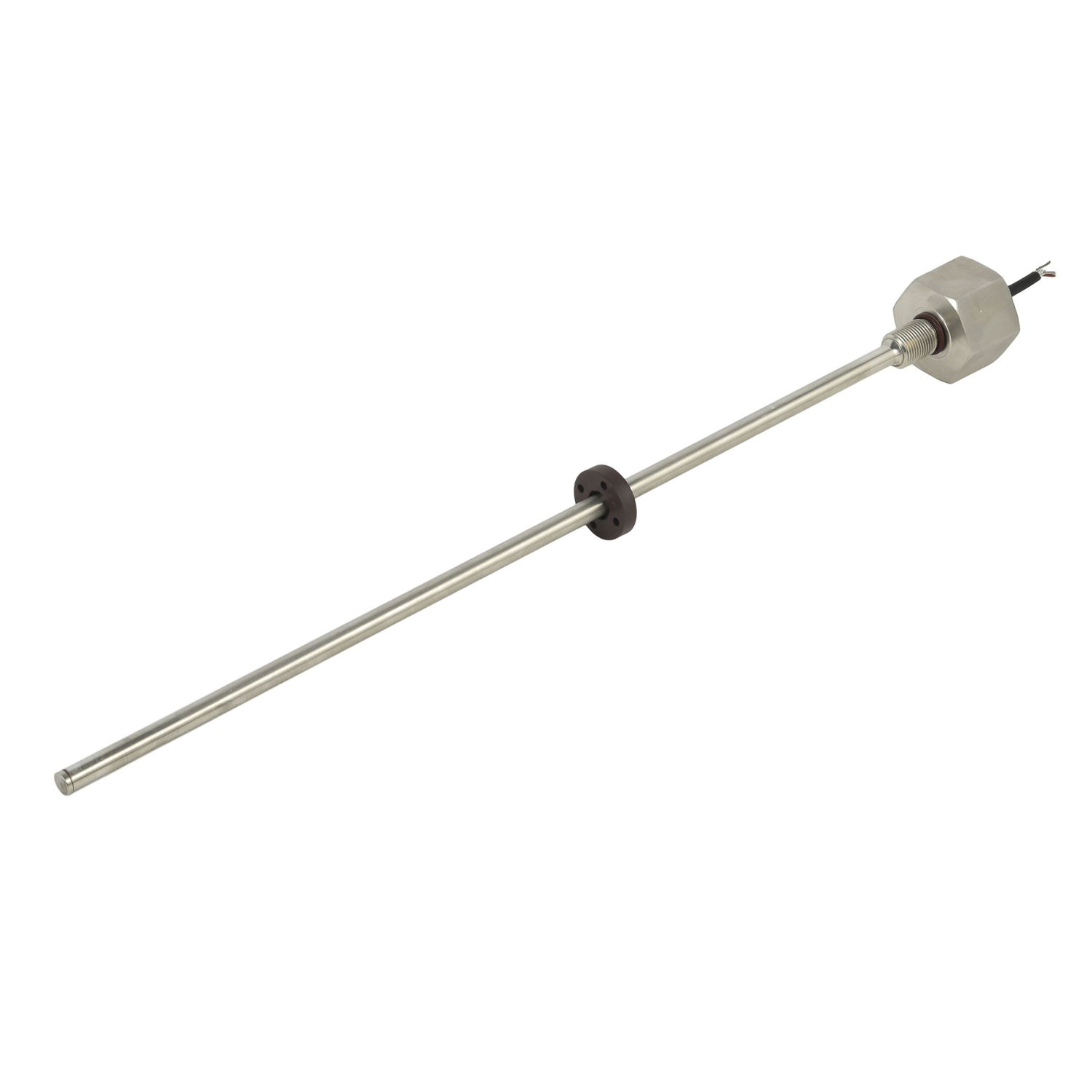
Selecting a high-pressure magnetostrictive level gauge for a chemical reaction kettle requires careful matching to process pressure, temperature, fluid properties, and safety requirements. First, confirm the kettle's maximum working pressure and design temperature. Select a gauge whose pressure rating exceeds the design limit, with the correct flange standard, gasket, and sealing material. Wetted parts such as the probe, float, and flange must resist the chemical medium. Use 316L stainless steel, Hastelloy, PTFE coating, or another compatible material according to corrosion data. The probe length should cover the full measuring range and leave a suitable dead zone for float movement. For foaming, agitation, or viscous media, choose a guided-wave structure and a stable float density. High-pressure sealing and cable entry must meet site safety and explosion-proof requirements. Check the output signal, such as 4-20 mA, HART, or RS485, and ensure compatibility with the control system. Install the gauge away from feed streams and agitator wash; use a stilling well or bypass chamber when turbulence is strong. During commissioning, verify zero and full-scale points, and confirm that density and interface conditions suit the selected float. A well-selected magnetostrictive level gauge provides reliable level measurement, reduces maintenance, and supports safe chemical production. For hazardous areas, verify the explosion-proof certification and temperature class. Follow local codes. Check safety.
 Sewage Treatment Silo Waterpro
Chemical Reaction Kettle High-
 Mining Storage Tank High-tempe
 Metallurgy Material Tank Explo