
Water Conservancy Gate Corrosion-resistant Magnetostrictive Level Gauge Working Principle
A corrosion-resistant magnetostrictive level gauge monitors water levels at hydraulic gates where moisture, silt and chemical attack are common. Its working principle is based on magnetostriction and the interaction between a magnetic field and a mechanical pulse. Inside the probe is a waveguide, a corrosion-resistant tube. A permanent magnet in a float moves with the water surface along the waveguide. When a pulse is sent through the waveguide, it creates a magnetic field. At the float magnet, these fields interact and generate a torsional strain pulse. This pulse travels back along the waveguide at a known speed and is detected by a signal converter. By measuring the time between the pulse and the returned torsional wave, the gauge calculates the float position and converts it into a precise water level reading.
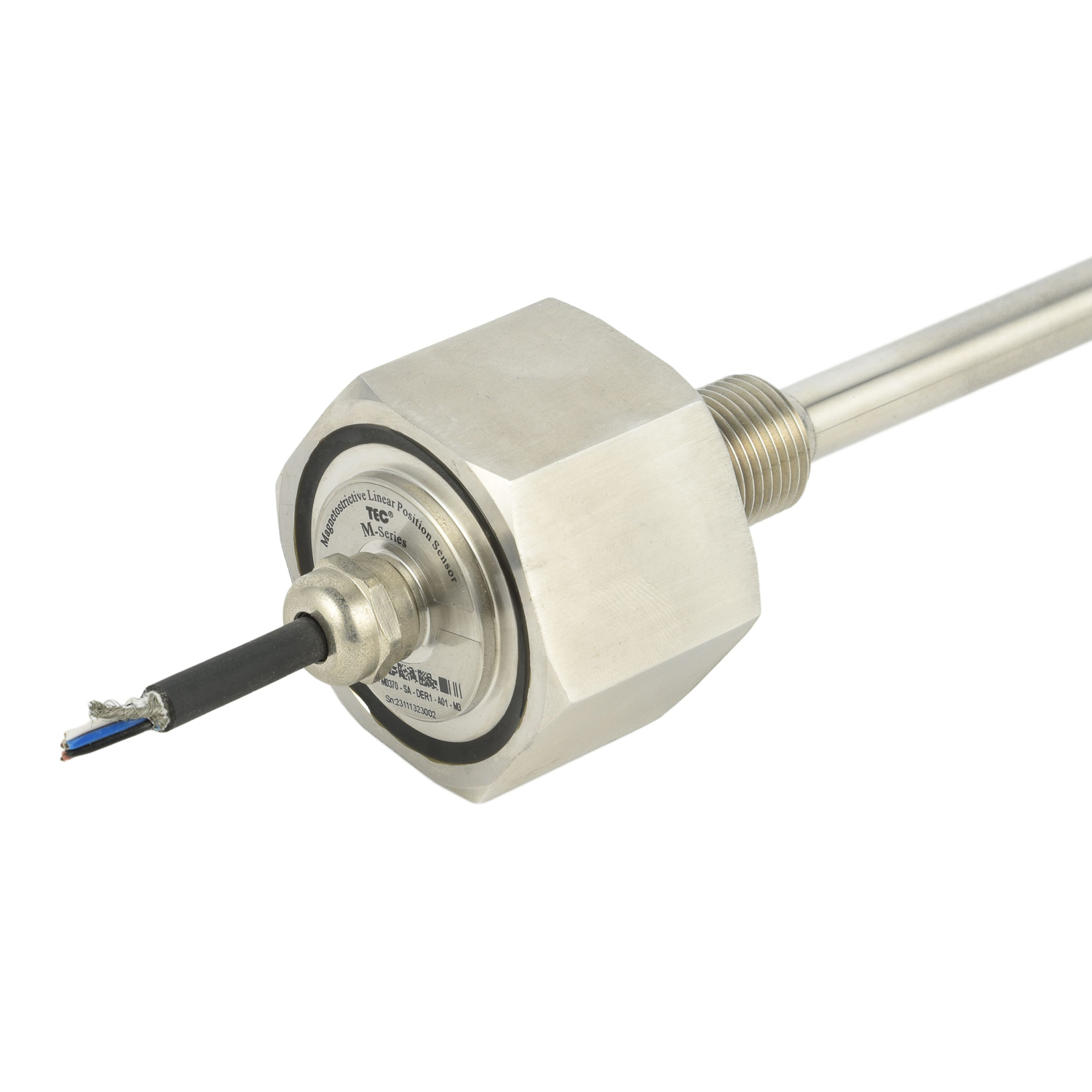
For water conservancy gates, the body, probe and housing use stainless steel, protective coatings and sealed connectors to resist corrosion. This design ensures stable operation in humid, splash-prone and outdoor conditions. The non-contact float and sealed electronics reduce wear and contamination, so maintenance is low. The output can be sent to gate control systems for real-time monitoring, alarms and automatic regulation. Accurate data supports safe gate operation, flood control and water management. In short, it uses a magnetic float, a torsional wave and time measurement to provide reliable, corrosion-resistant level detection at water conservancy gates.
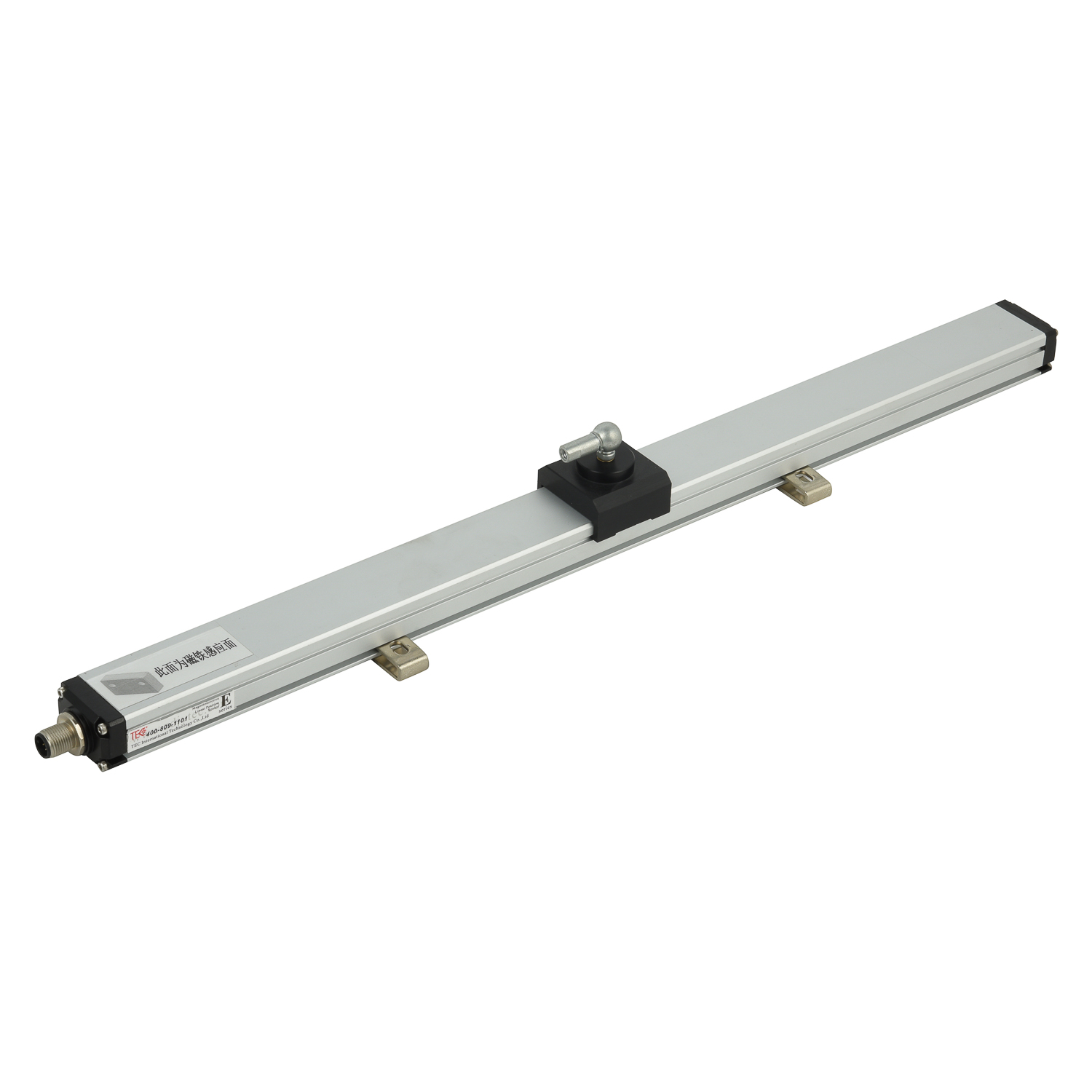 Port Hoist Intrinsically Safe
Water Conservancy Gate Corrosi
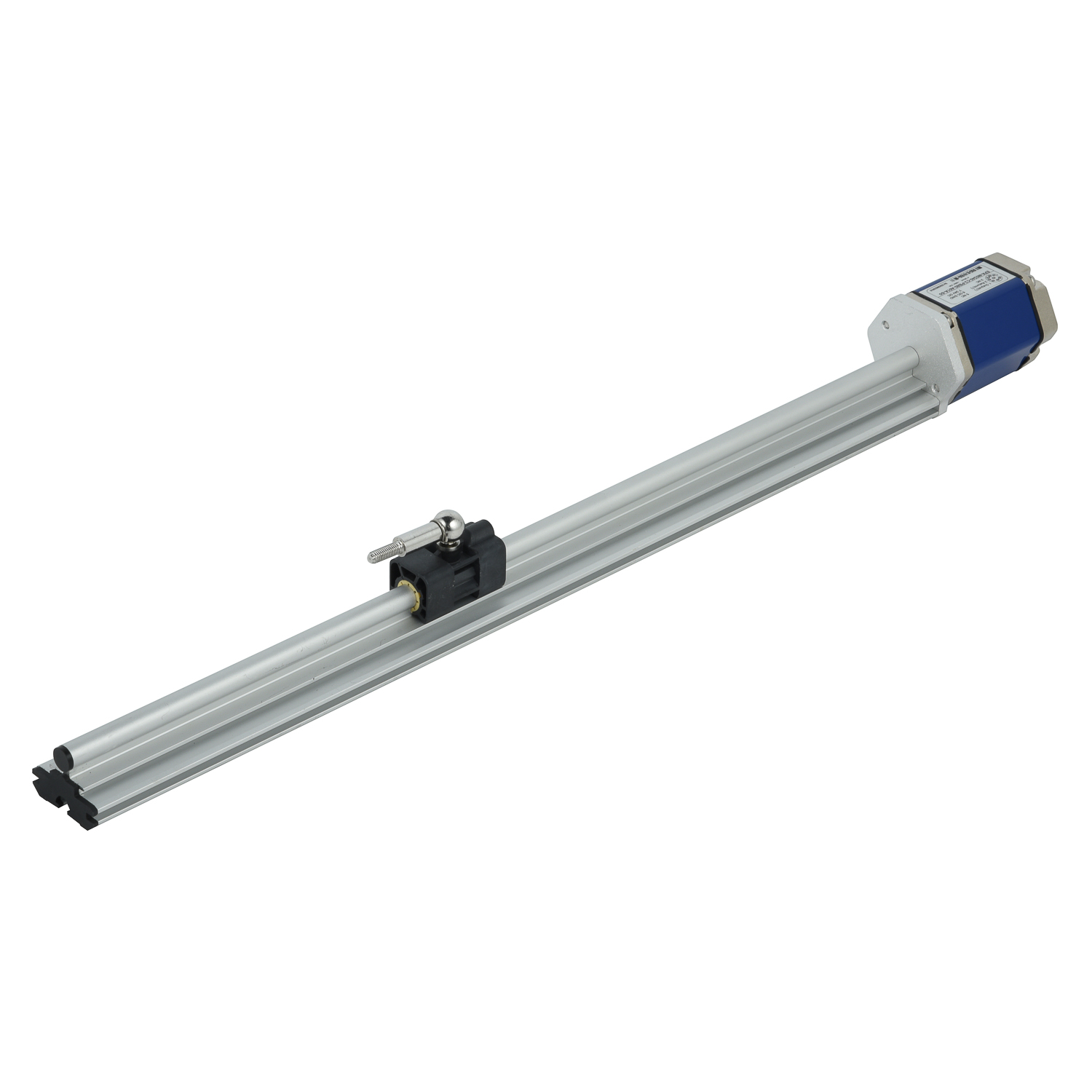 Sewage Treatment Silo Waterpro
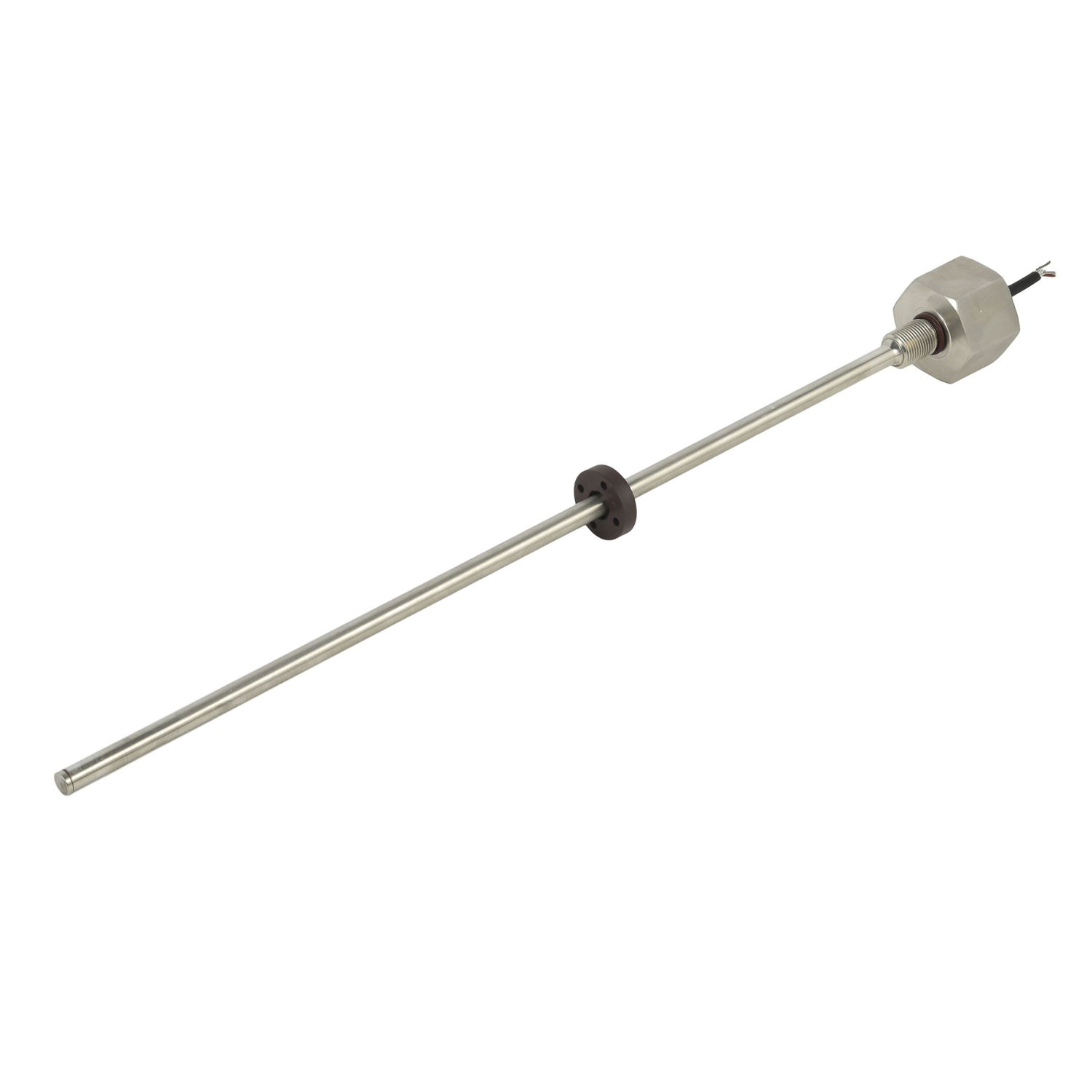 Chemical Reaction Kettle High-