
Mining Overhead Crane Magnetostrictive Displacement Sensor Technical Parameters
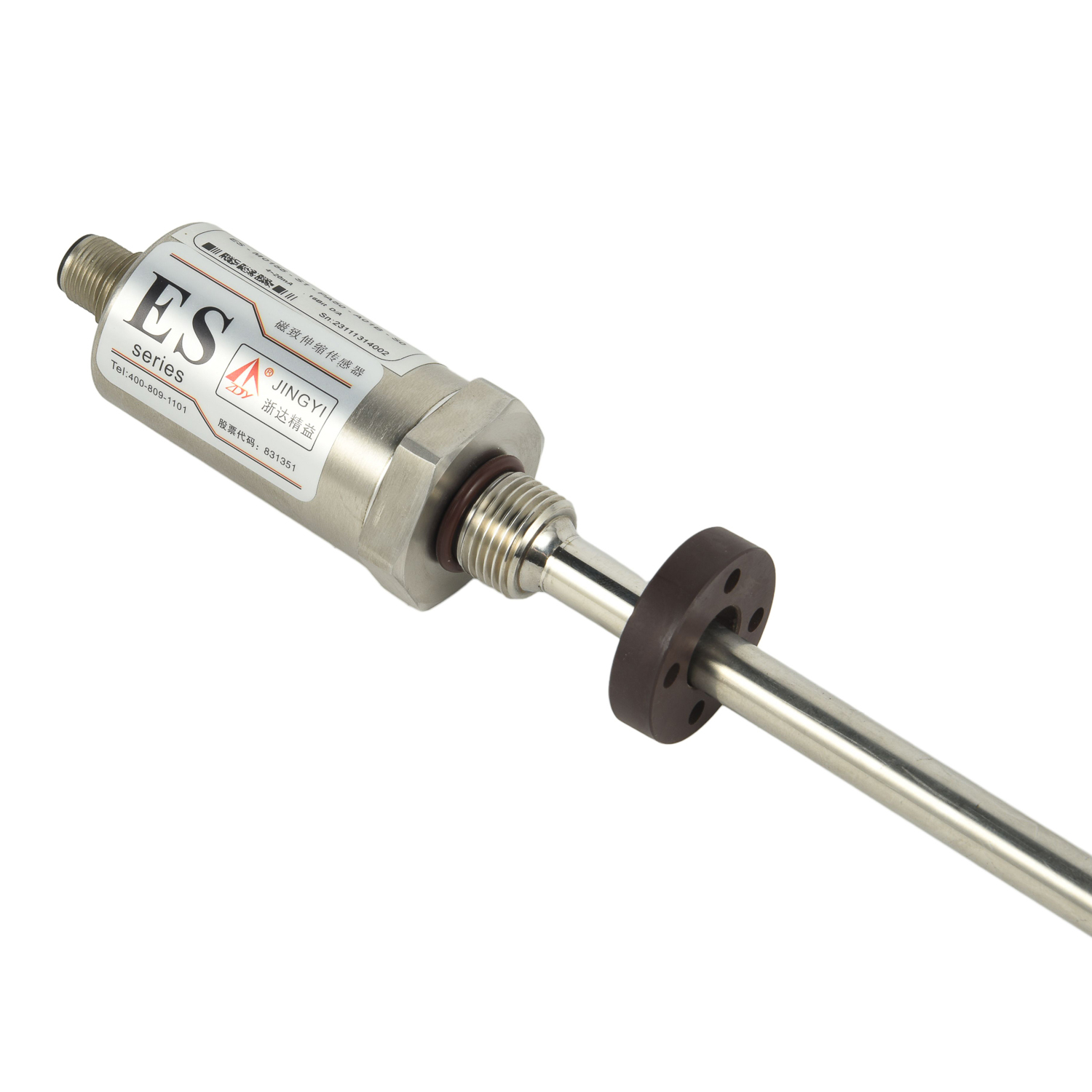
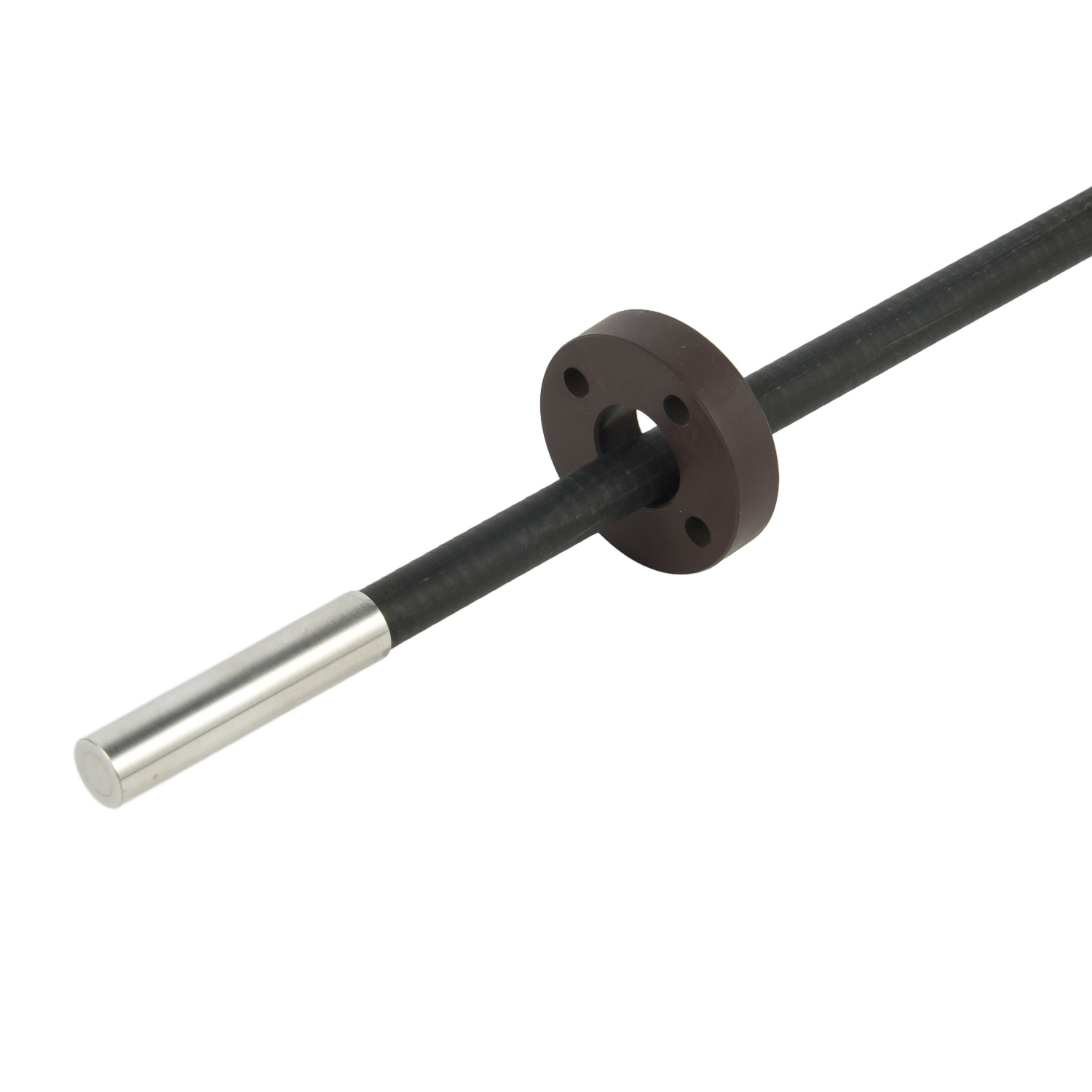
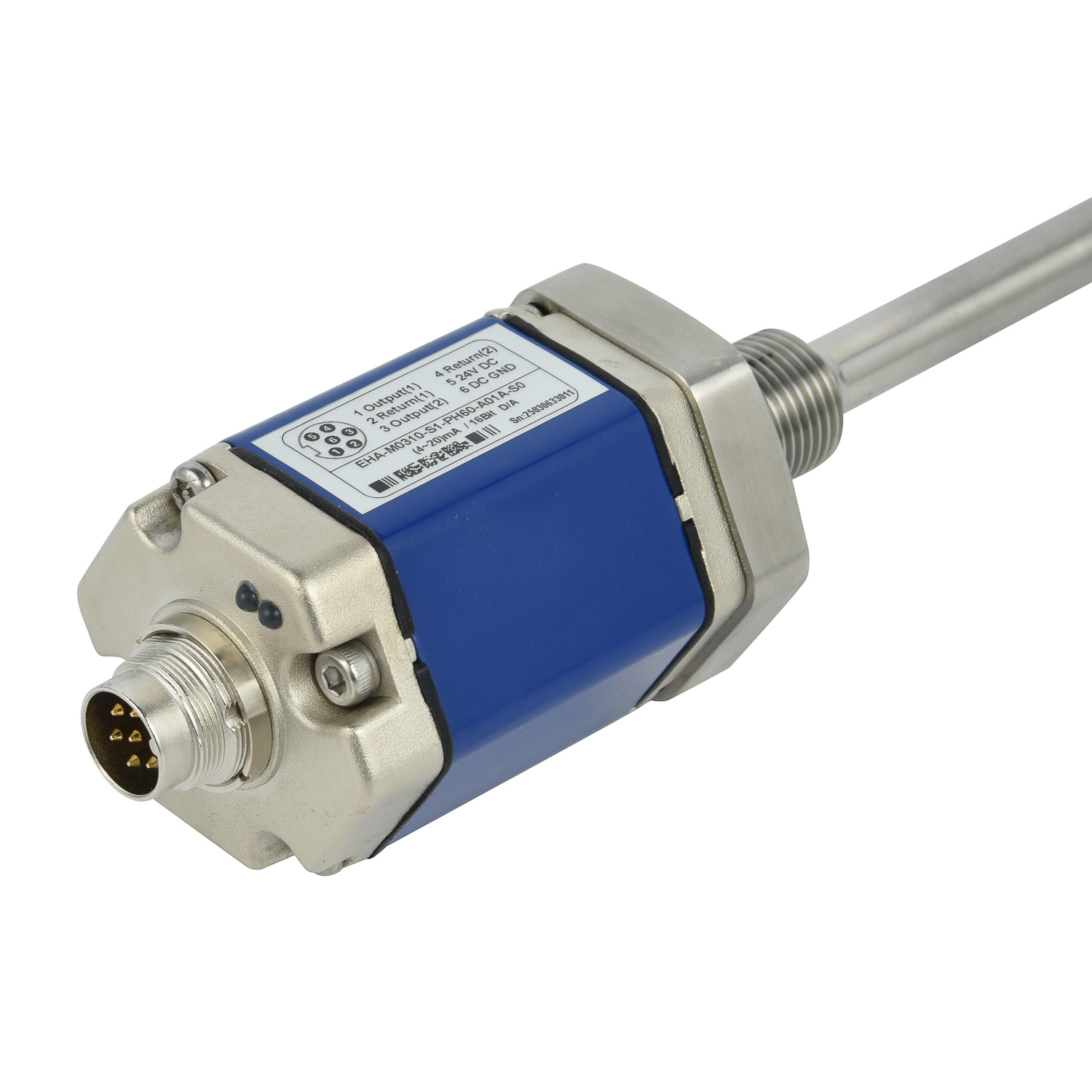
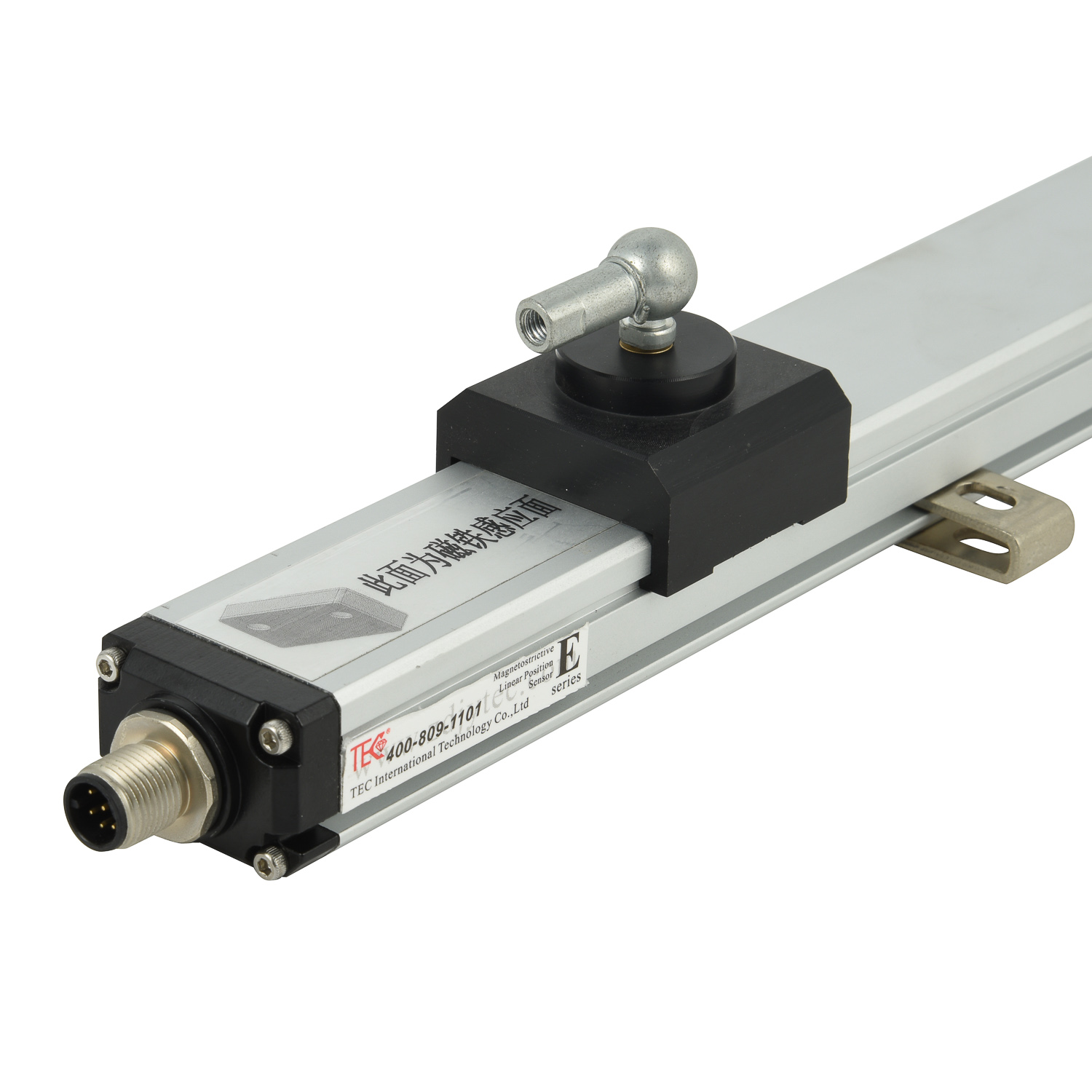
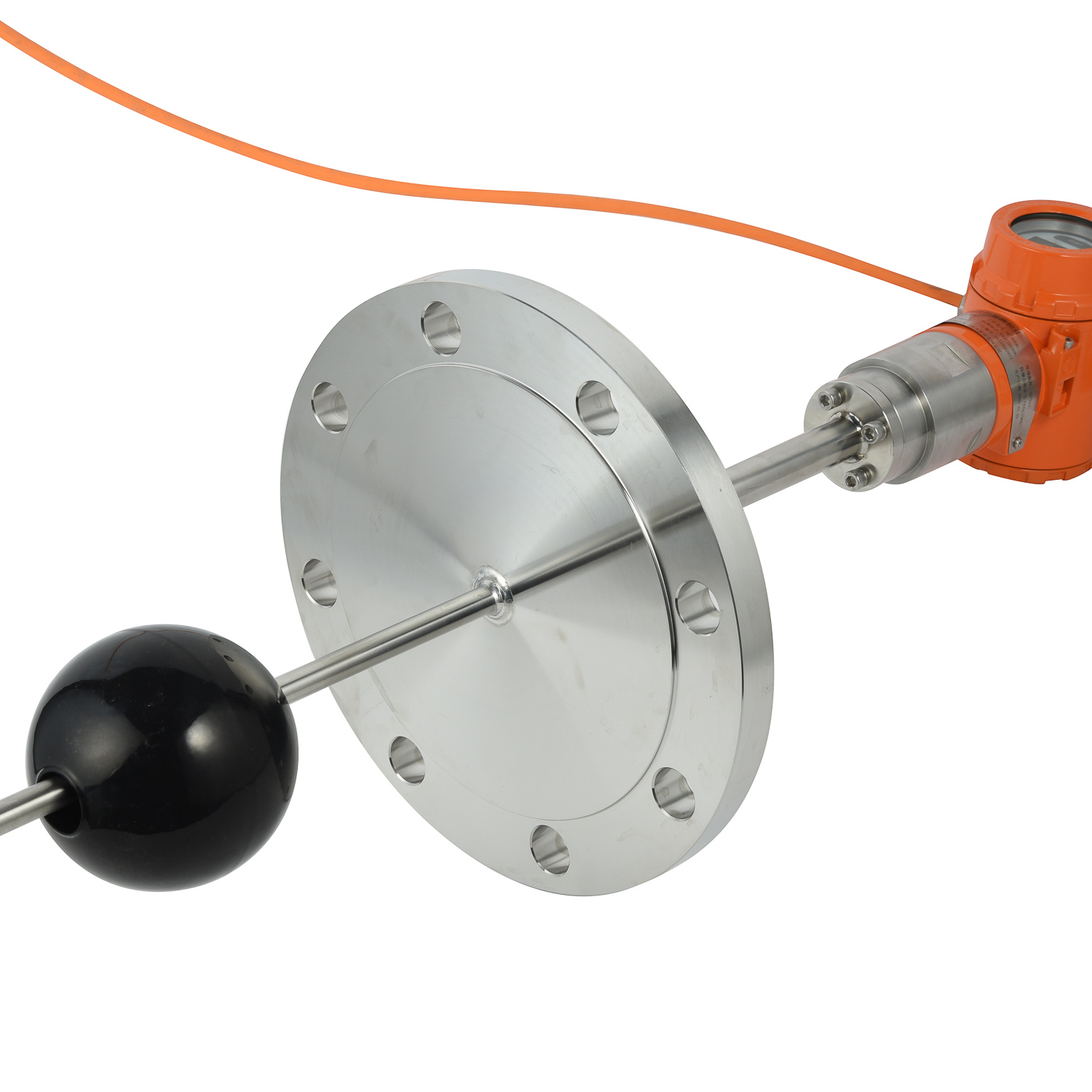
Magnetostrictive displacement sensors are increasingly used on mining overhead cranes because they provide stable, absolute position feedback for bridge travel, trolley movement, hoist height, and brake monitoring. When selecting a sensor for this harsh duty, technical parameters must match mechanical travel, control interface, and mine-site environment. Key parameters include measuring range, usually 50-5000 mm or customized; resolution 0.01-0.1 mm; nonlinearity 0.05% FS or better; repeatability 0.01% FS; and accuracy +/-0.05% FS. Output options include 4-20 mA, 0-10 V, SSI, CANopen, and Profibus DP for PLC and crane control integration. A 24 VDC supply with reverse-polarity and surge protection is common. The sensor should offer IP67 or IP68 protection, a stainless-steel or rugged aluminum housing, and resistance to dust, moisture, oil, and vibration. Operating temperature is typically -40 C to +85 C. Shock resistance may reach 100 g, and vibration resistance covers 10-2000 Hz. Pressure rating depends on rod seal design, often 35 MPa or higher for hydraulic use. For mining overhead cranes, EMC immunity, flame-retardant cable, and optional explosion-proof certification are important. Installation must consider stroke length, dead zones, mounting brackets, and cable routing away from high-current motors. Parameter verification should include full-stroke testing, output linearity, insulation resistance, dielectric strength, and protection class confirmation. Routine calibration and seal inspection help maintain long service life and safe lifting operations.
 Injection Molding Die Casting
 Power Plant Non-contact Magnet
 Port Intrinsically Safe Explos
 Water Conservancy Corrosion-re