
Metallurgy Hydraulic Cylinder Built-in Magnetostrictive Displacement Sensor Selection
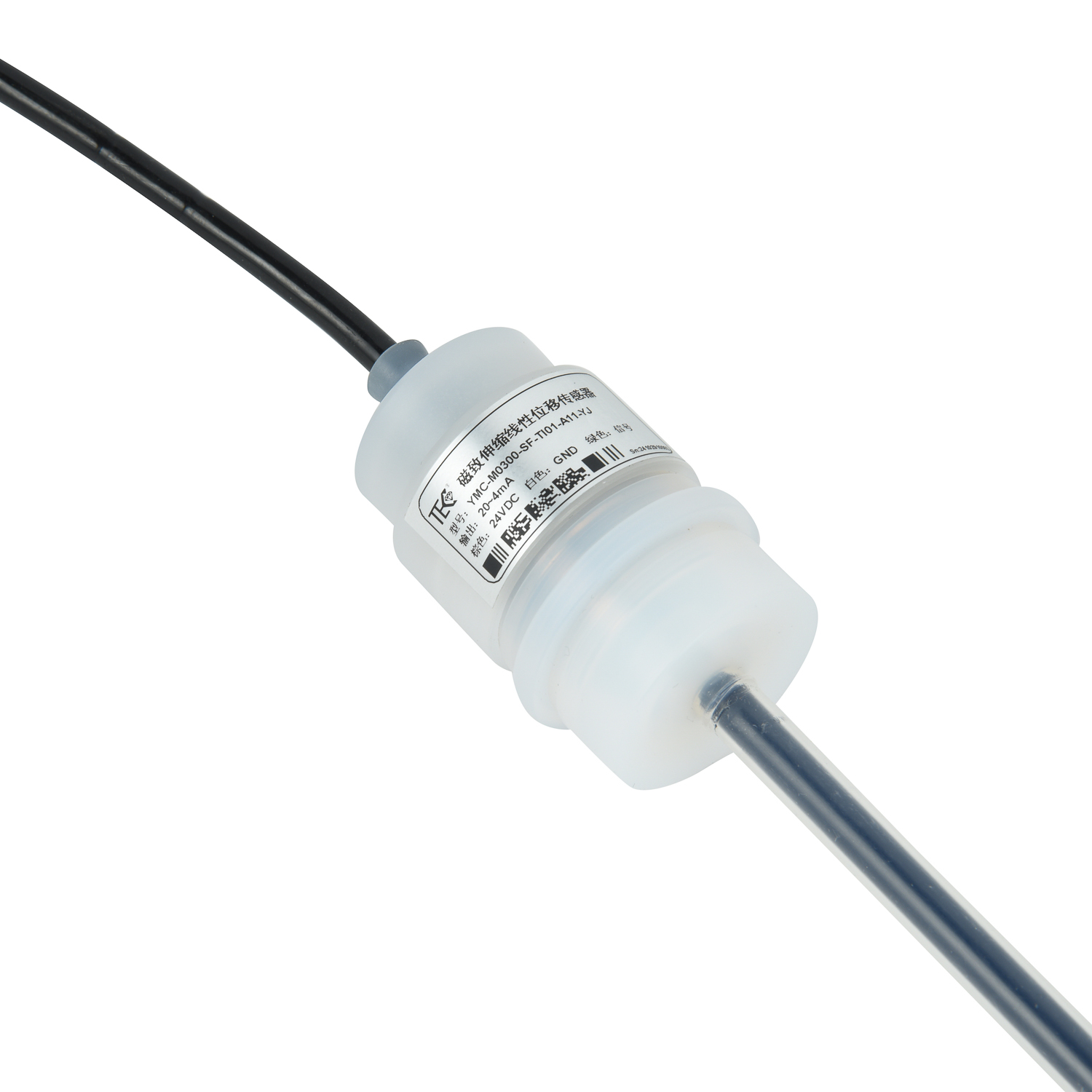
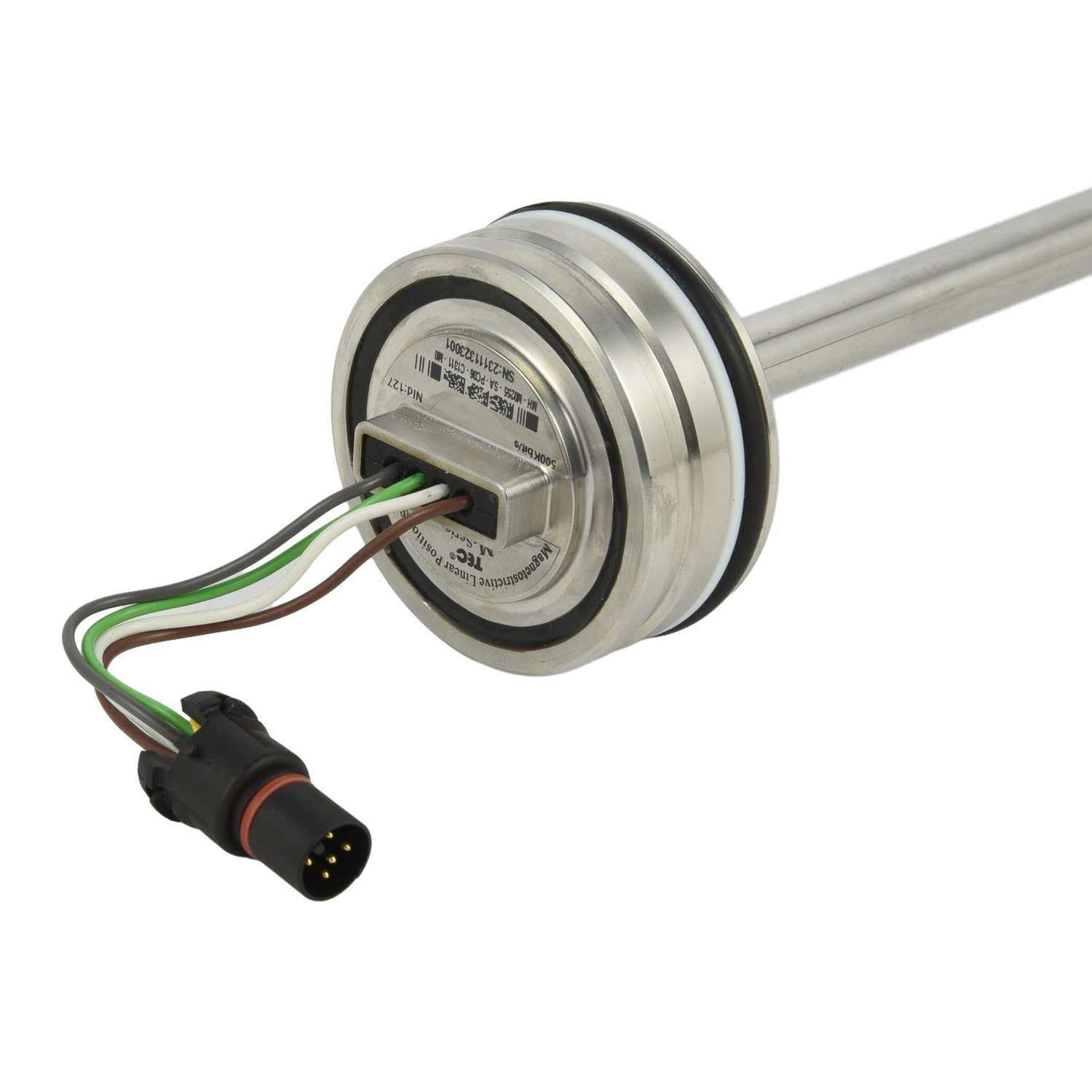
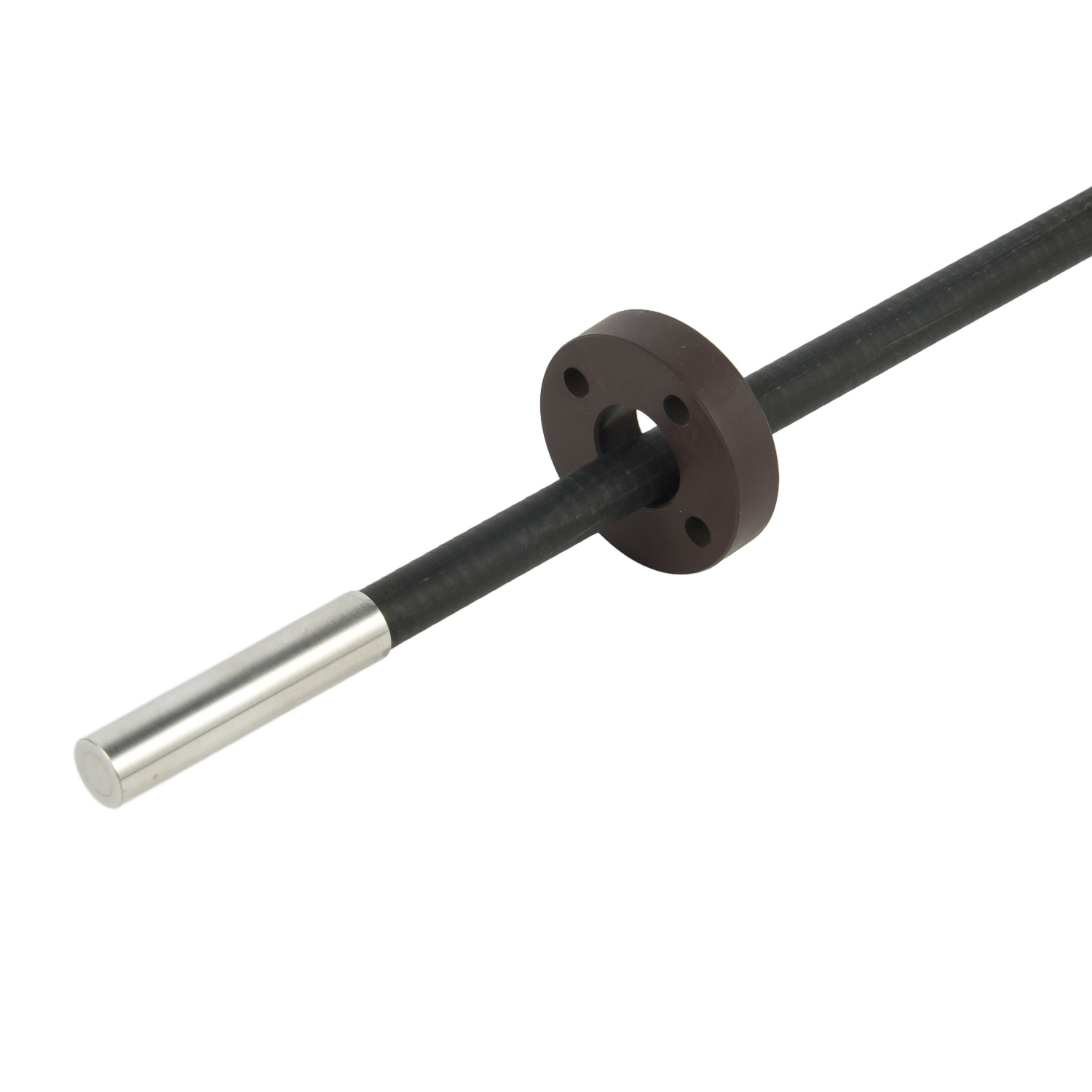
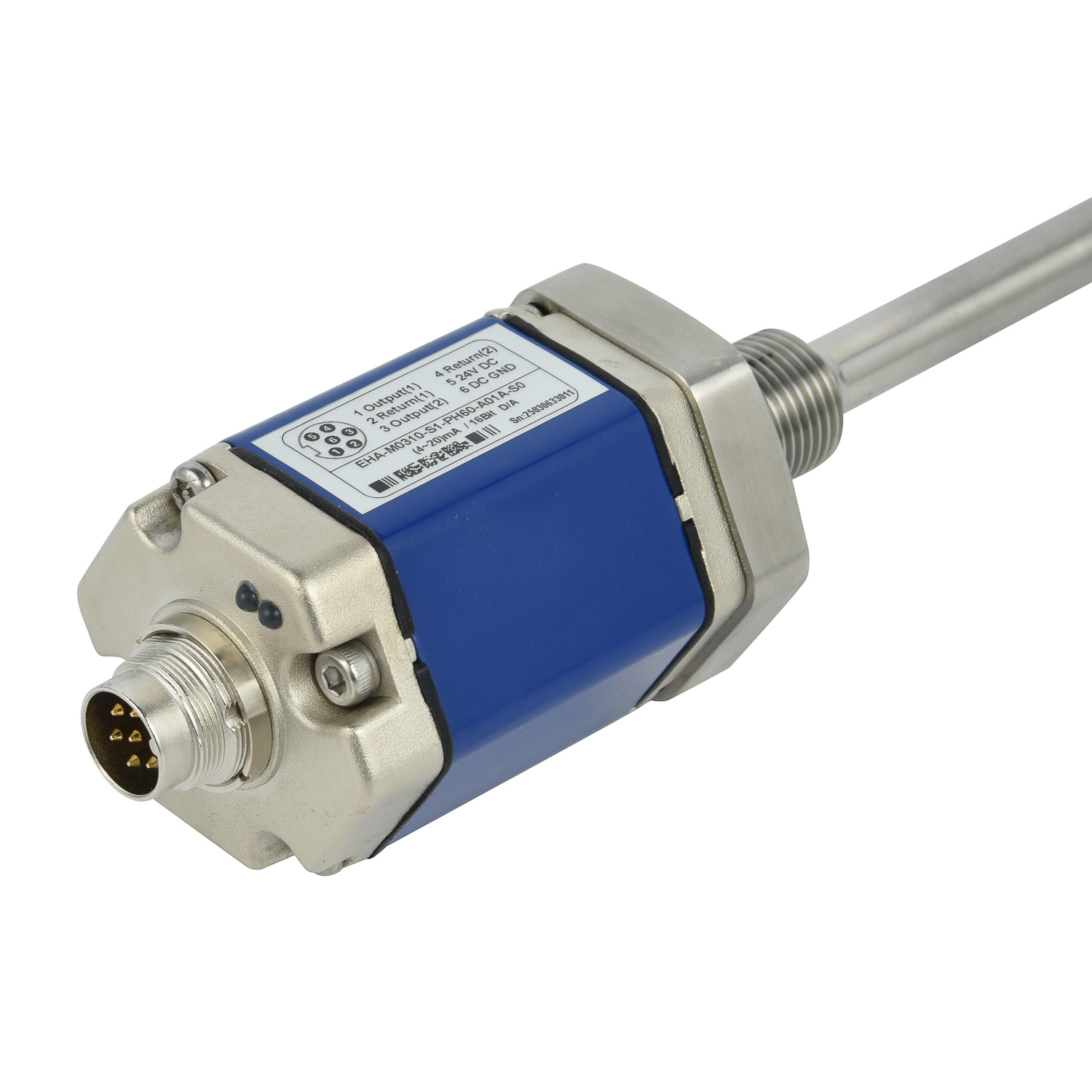
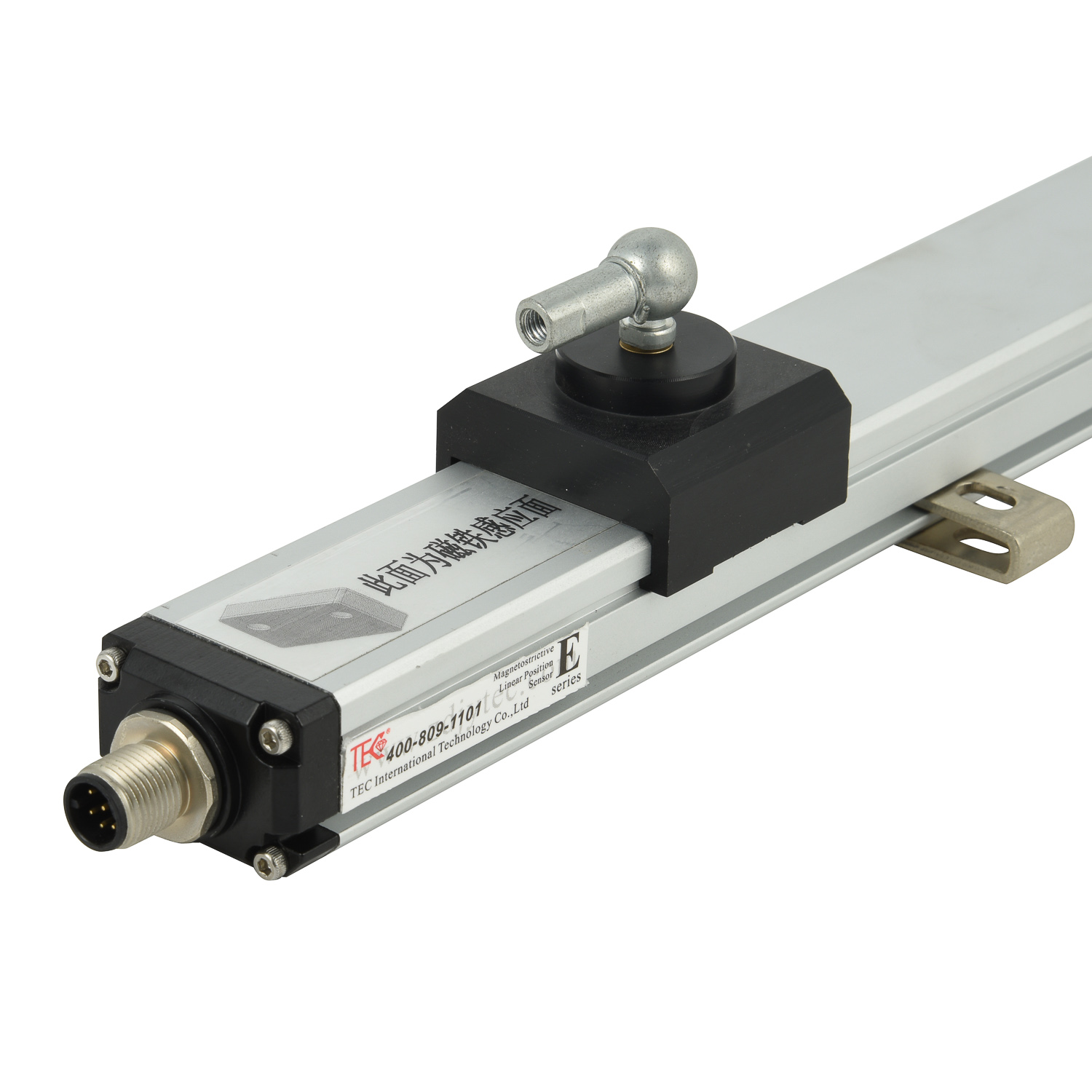
Selecting a built-in magnetostrictive displacement sensor for a metallurgy hydraulic cylinder means matching the sensor to heat, dust, vibration, shock, and electromagnetic interference. First define the cylinder stroke, mounting space, rod-end thread, and whether the sensor must be pressure-sealed inside the cylinder. Confirm the pressure rating, temperature range, protection class, and output signal such as 4–20 mA, SSI, CANopen, or analog voltage. The magnet ring must fit the piston and keep a stable gap over the full stroke. For metallurgy, specify a high-temperature probe, rugged stainless housing, strong EMC shielding, and a pressure-proof connector. Evaluate linearity, repeatability, resolution, and long-term drift, not only resolution. Proper cable routing and grounding reduce signal noise and oil leakage risk. During installation, align the probe coaxially, avoid bending or side load, and protect the magnet from welding currents. Factory calibration, traceable testing, and clear maintenance access help ensure accurate position feedback. If the cylinder sees high shock or continuous cycling, request shock resistance, redundant sealing, and a suitable cable jacket. Select the sensor only after verifying the mechanical interface with the cylinder manufacturer. Match the sensor to the cylinder duty cycle and control system to achieve reliable performance and longer service life.
 Mixing Station Explosion-proof
 Injection Molding Die Casting
 Power Plant Non-contact Magnet
 Port Intrinsically Safe Explos