
Water Conservancy Corrosion-resistant Magnetostrictive Displacement Sensor Working Principle
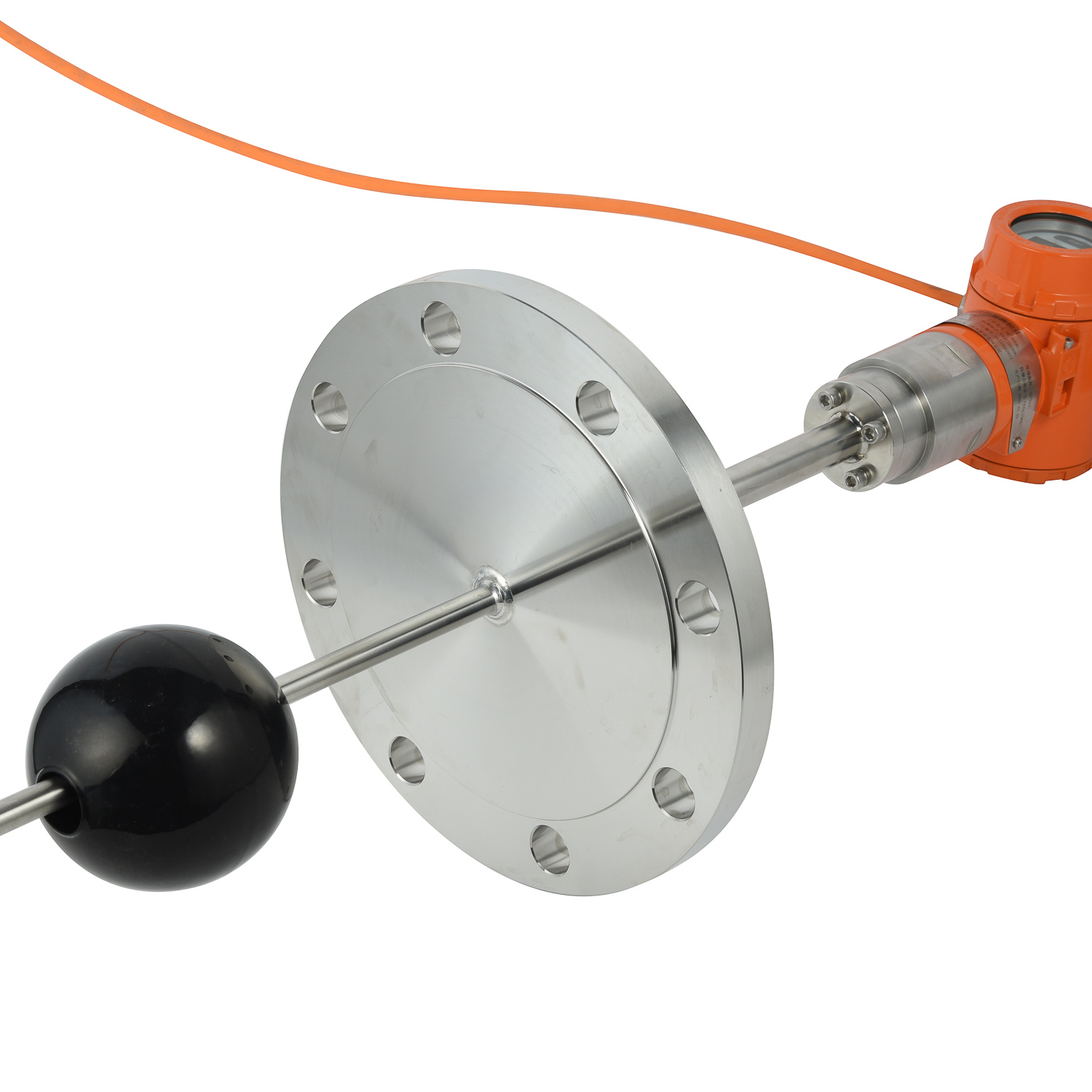
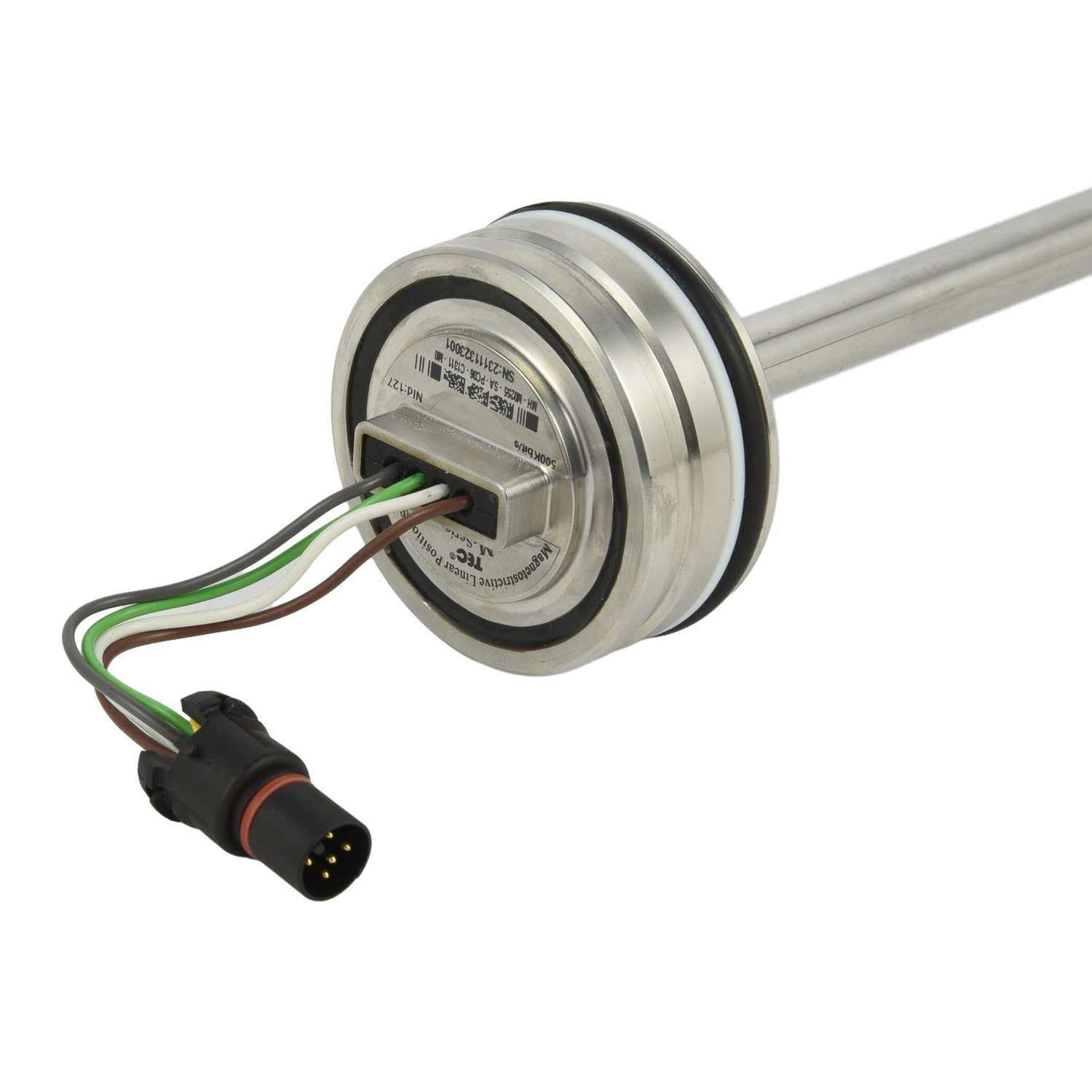
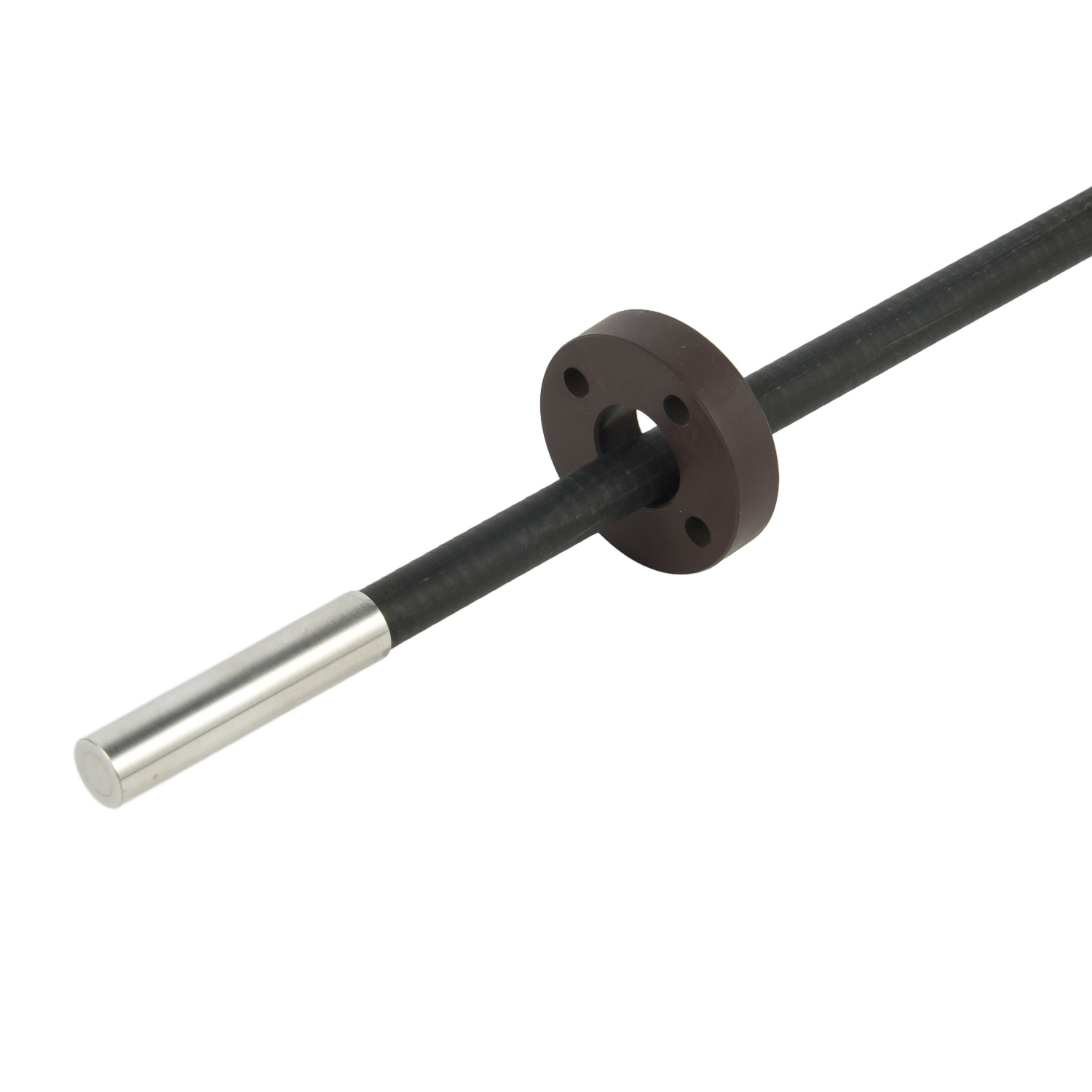
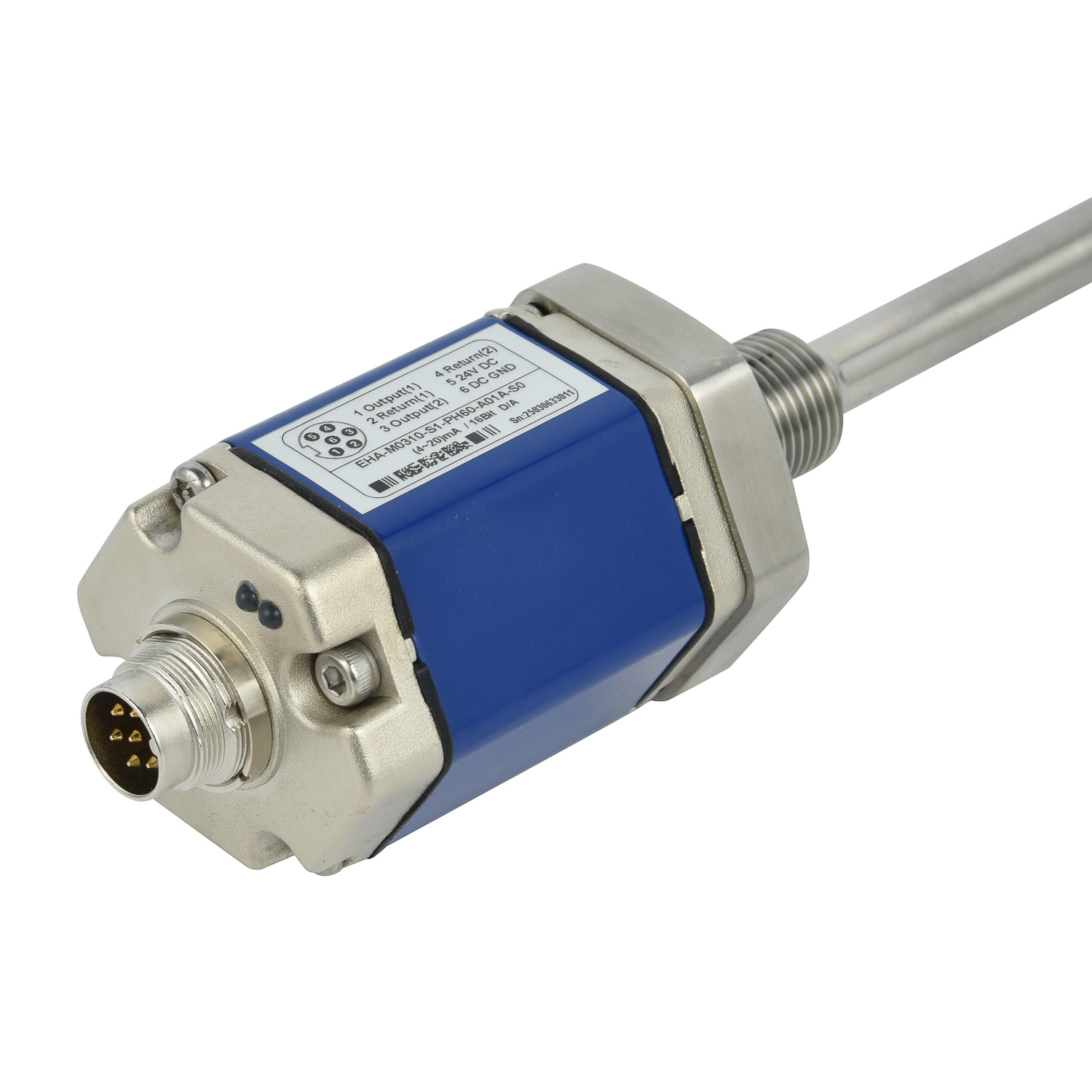
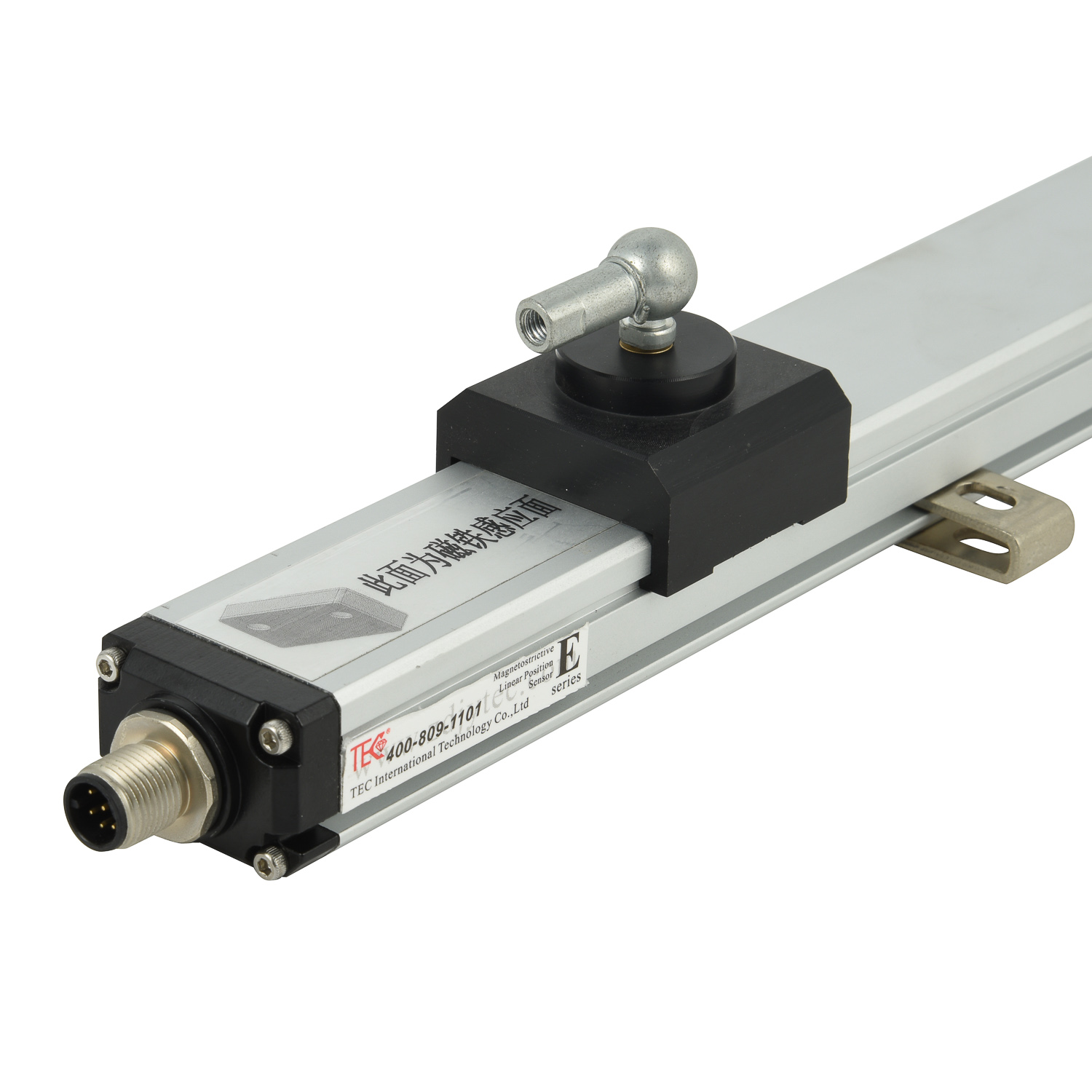
Corrosion-resistant magnetostrictive displacement sensors are widely used in water conservancy for precise level, gate position, and structural displacement measurement. Their core is a magnetostrictive waveguide sealed in a robust stainless-steel or polymer-coated housing. A current pulse is sent along the waveguide, creating a circumferential magnetic field. A permanent magnet mounted on the moving float or gate generates an axial field. Where the two fields interact, a torsional strain pulse is produced by the magnetostrictive effect. This pulse travels back along the waveguide at a stable speed. The electronics measure the time between the emitted current pulse and the received strain pulse. Because the pulse speed is stable, the time-of-flight directly represents displacement, and temperature compensation supports consistent readings. The sensor therefore calculates the magnet position with high accuracy. The non-contact magnet and sealed sensing element avoid wear and contamination, while corrosion-resistant materials, welded connectors, and protective coatings keep the waveguide stable in humid, immersed, and chemical-rich environments. The output can be analog or digital for PLC and SCADA systems. With no mechanical contact at the sensing point, the sensor offers long service life and low maintenance in remote water sites. This design provides reliable long-term displacement feedback for reservoirs, pumping stations, dams, sluice gates, and water treatment facilities.
 Mixing Station Explosion-proof
 Injection Molding Die Casting
 Power Plant Non-contact Magnet
 Port Intrinsically Safe Explos