
Sewage Treatment Waterproof Magnetostrictive Displacement Sensor Technical Parameters
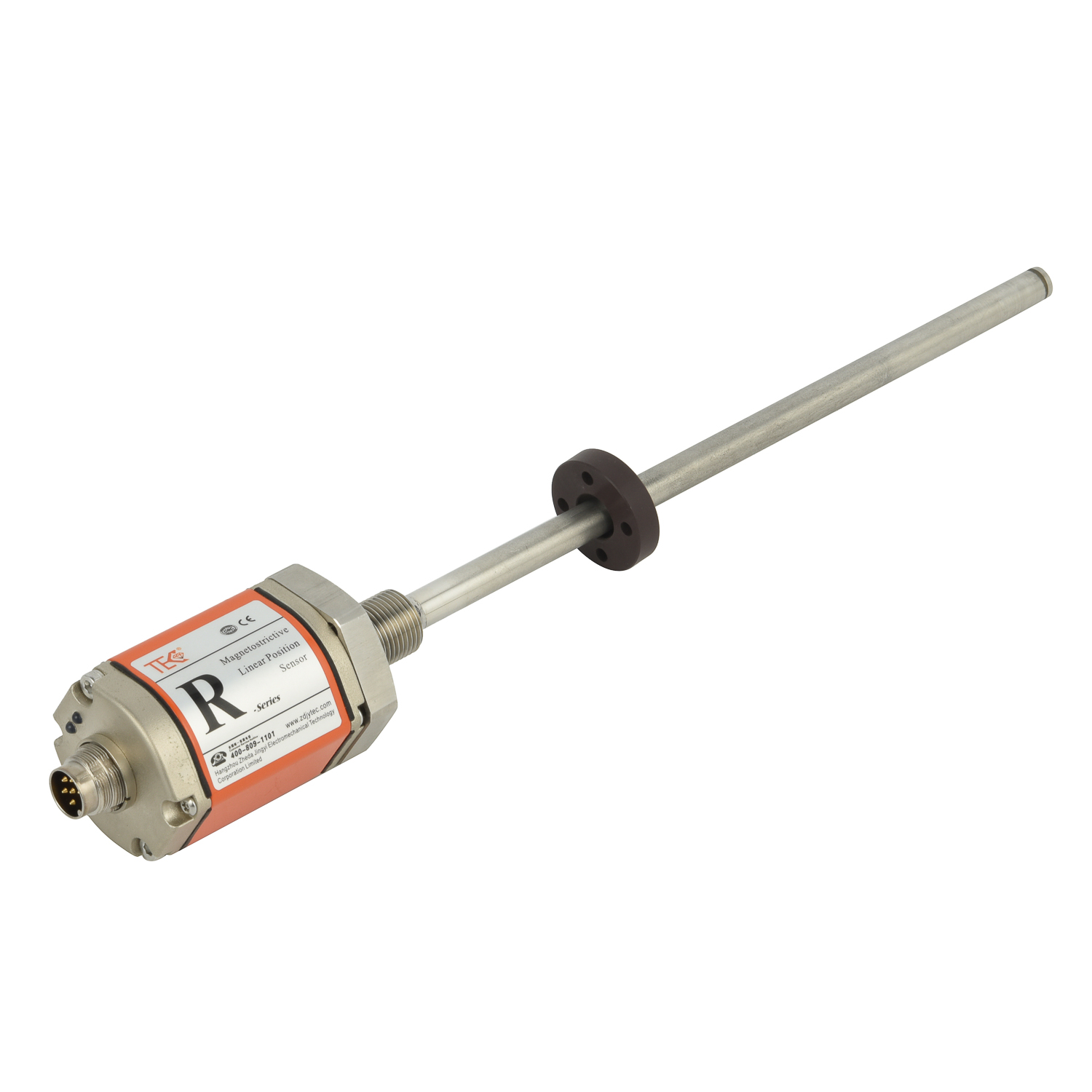
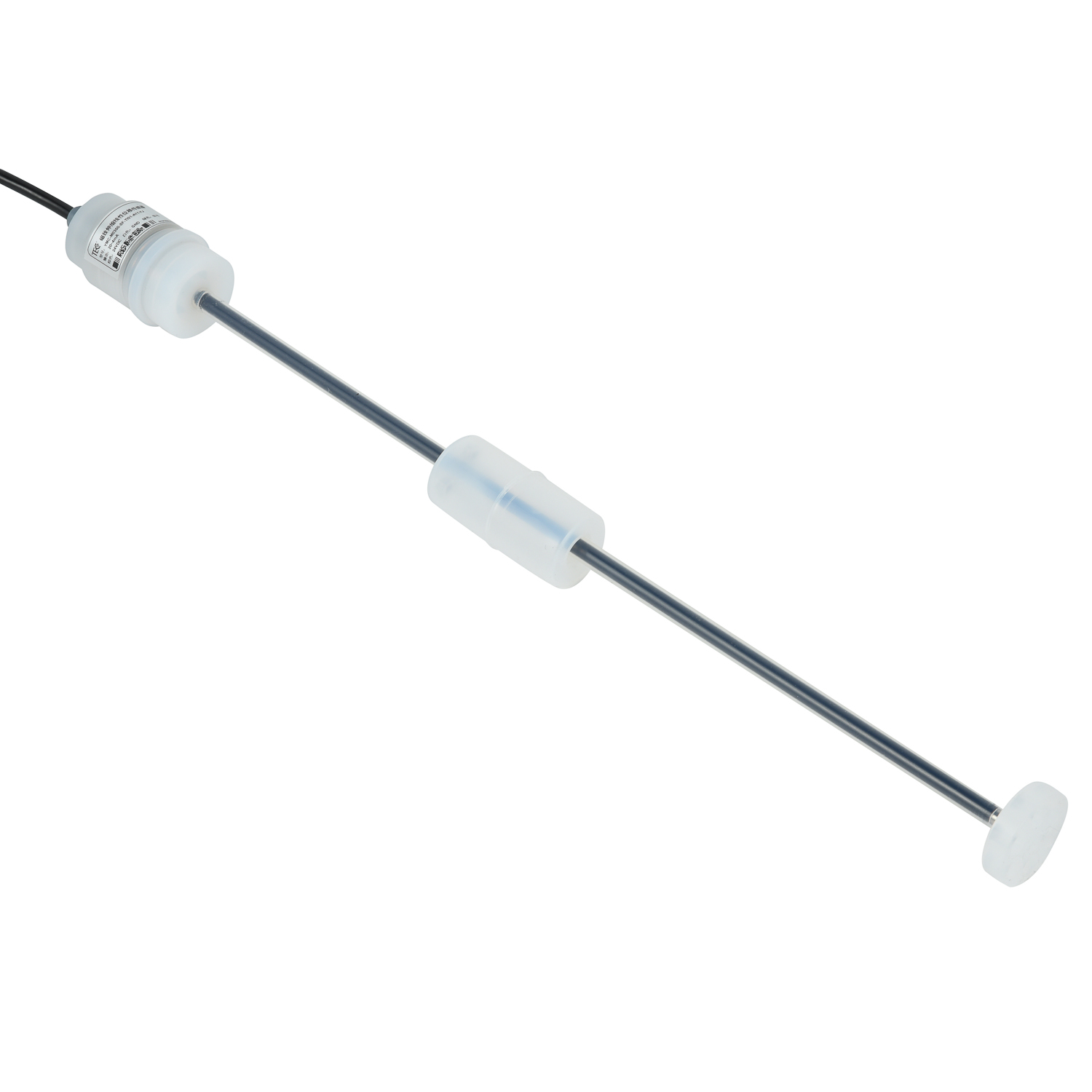
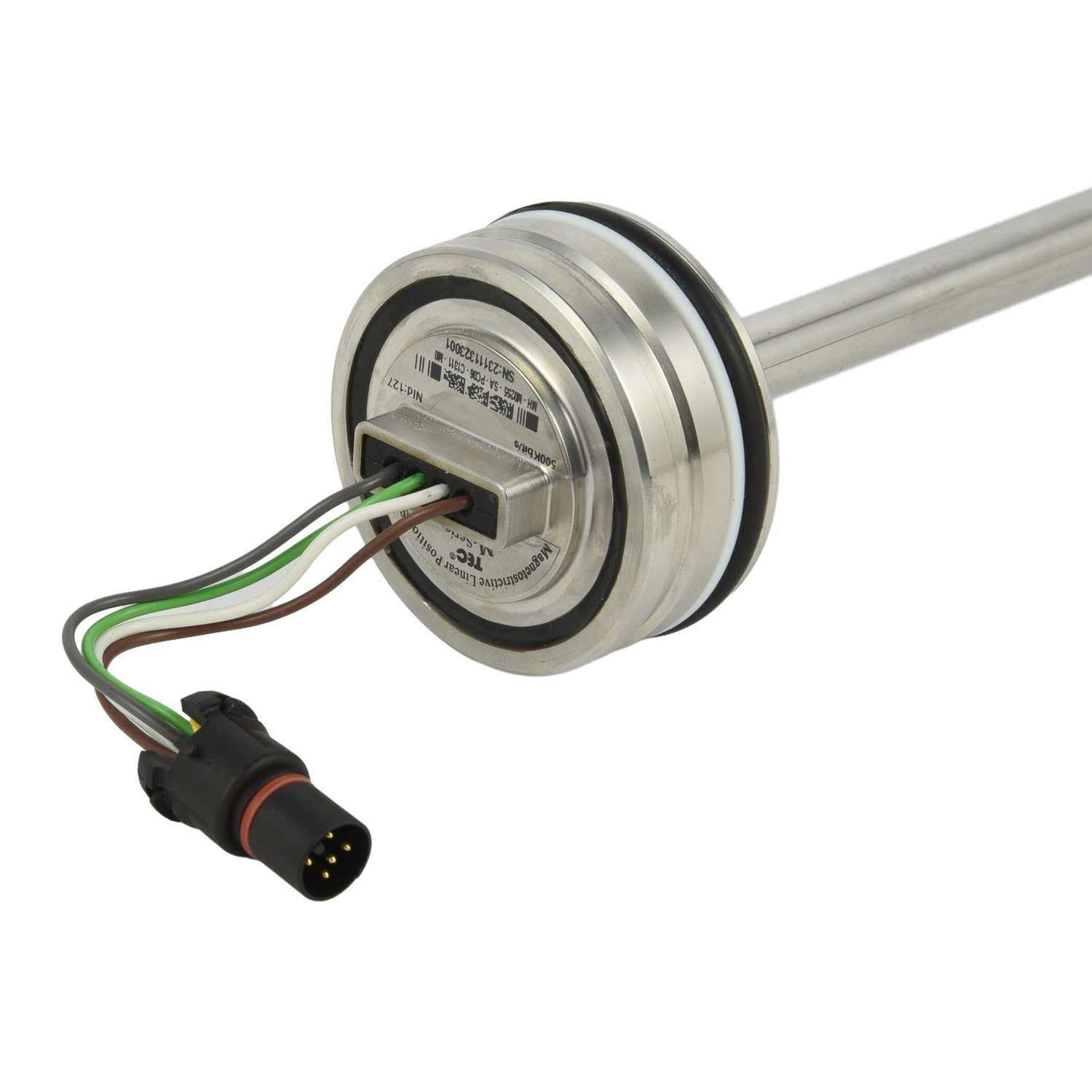
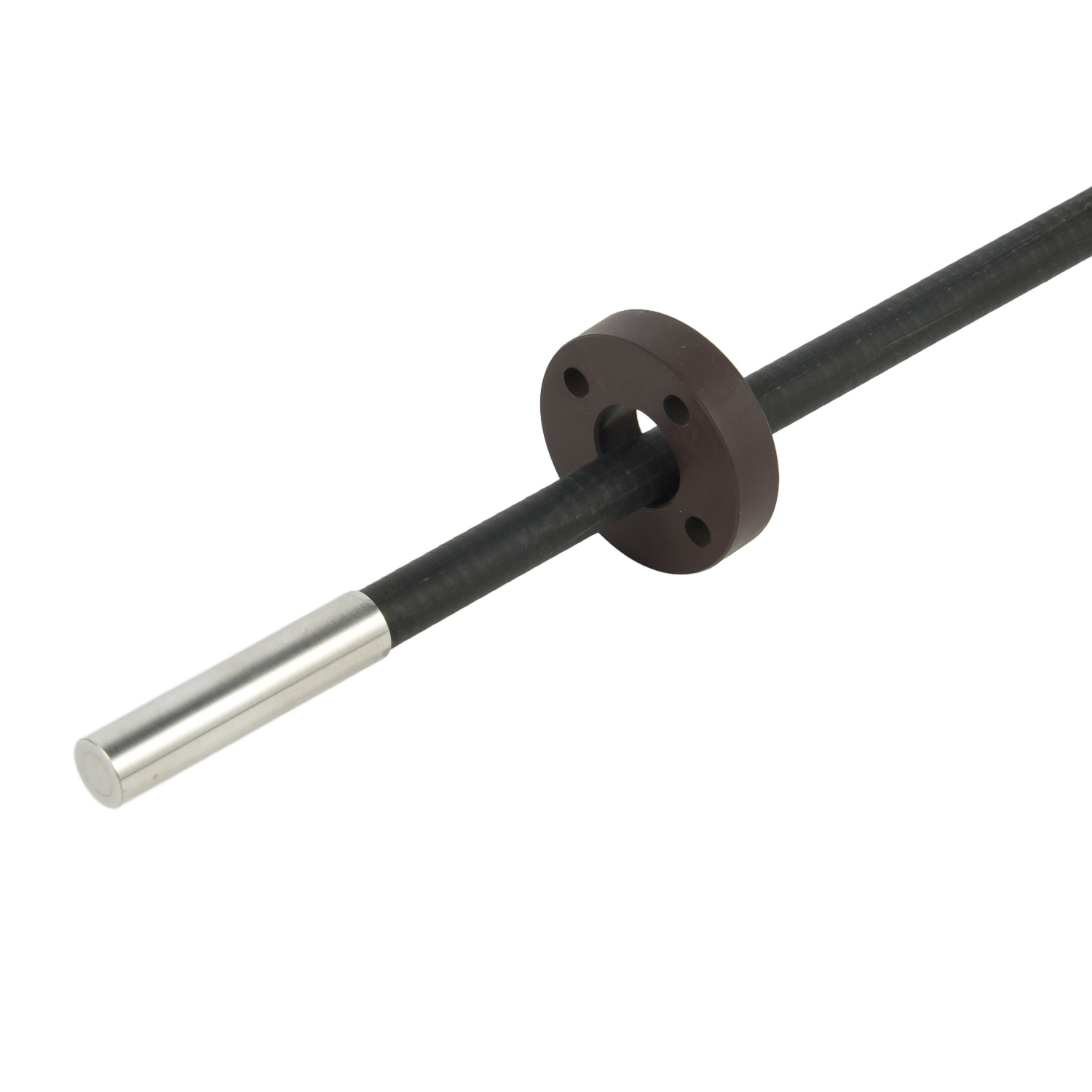
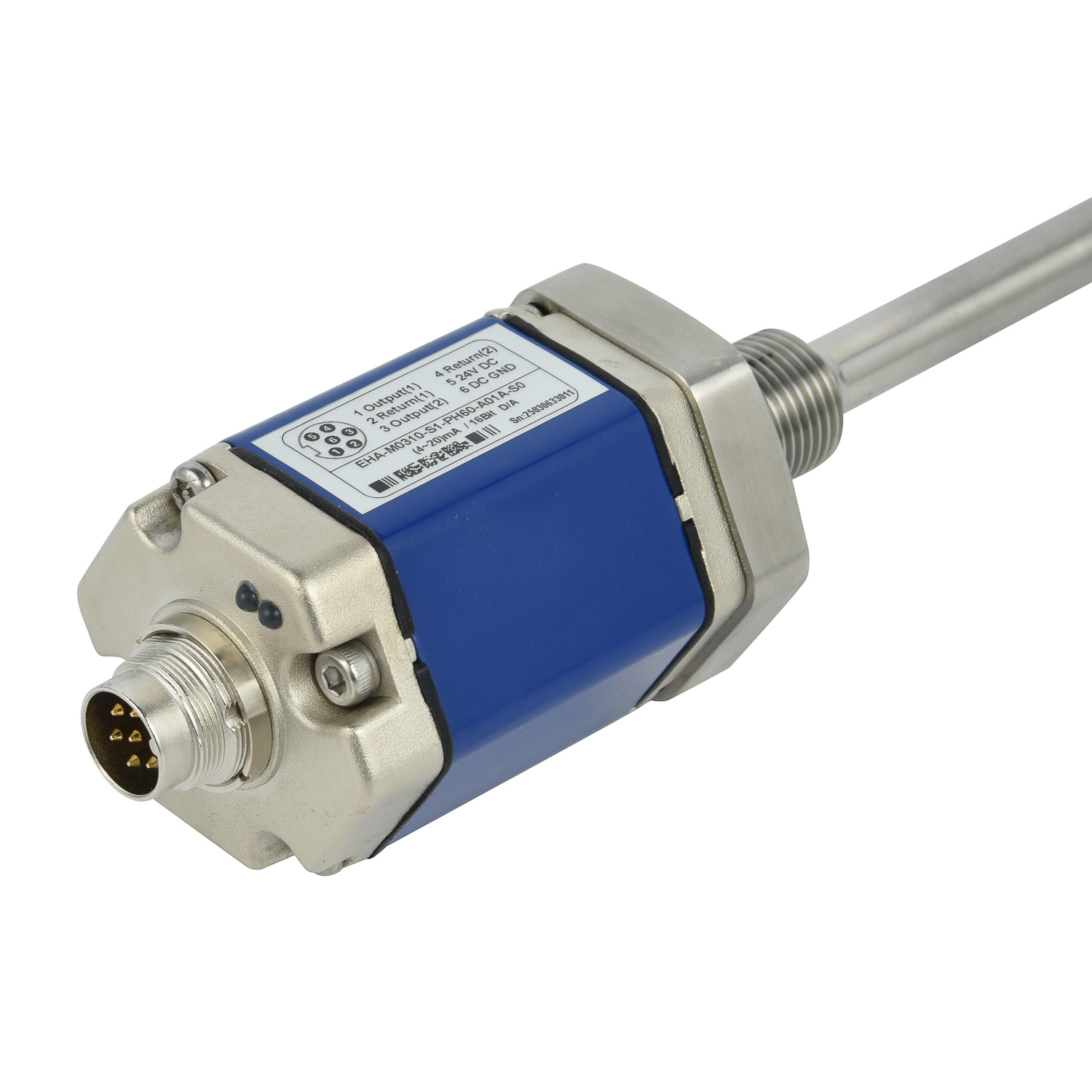
Waterproof magnetostrictive displacement sensors for sewage treatment must deliver stable position feedback in wet, corrosive, and vibration-heavy environments. Their technical parameters usually include a measuring range from 50 mm to 5000 mm, with repeatability up to 0.01% FS and linearity within ±0.05% FS. A resolution of 0.01 mm supports precise gate, scraper, and pump-stroke control. The sensor housing is commonly 304 or 316L stainless steel, sealed to IP67 or IP68, and rated for 1 MPa to 3 MPa pressure in submerged sumps. The measuring rod and flange should resist H2S, chlorine, sludge, and continuous condensation. Standard output options are 4–20 mA, 0–10 V, RS485/Modbus RTU, and SSI, while supply voltage is typically 24 VDC (12–30 VDC). Operating temperature ranges from -40°C to +85°C, with optional high-temperature versions. The magnetostrictive waveguide provides non-contact measurement, long life, and strong anti-interference performance. Response time is often below 10 ms, and protection against reverse polarity, overvoltage, and surge is recommended. Cable entries use M12 or M18 waterproof connectors, with shielded cable for harsh EMC conditions. For sewage treatment applications, choose a sensor with IP68 protection, corrosion-resistant materials, stable analog or digital output, and certified EMC performance. Correct mounting, grounding, and regular inspection of seals ensure reliable level and displacement monitoring in aeration tanks, sludge scraper systems, bar screens, and dosing equipment.
 Hydraulic Cylinder Built-in Ma
 Mixing Station Explosion-proof
 Injection Molding Die Casting
 Power Plant Non-contact Magnet