
Working Principle of High-pressure Electromagnetic Ultrasonic Thickness Probe
High-pressure electromagnetic ultrasonic thickness probes enable non-destructive wall-thickness measurement in pipelines and pressure vessels where couplant-based probes are impractical. Their core is an electromagnetic acoustic transducer (EMAT). A pulsed current drives a coil, creating a dynamic magnetic field, while a permanent magnet or electromagnet provides a static bias field. In a conductive workpiece, the dynamic field induces eddy currents. These currents interact with the bias field to generate a Lorentz force; in ferromagnetic materials, magnetostriction may also contribute. The force launches ultrasonic waves directly into the material without couplant.
The pulse travels through the wall and reflects from the inner or back surface. The same coil receives the echo through the inverse electromagnetic effect. Electronics measure the round-trip time t, and thickness is T = v x t / 2, where v is sound velocity.
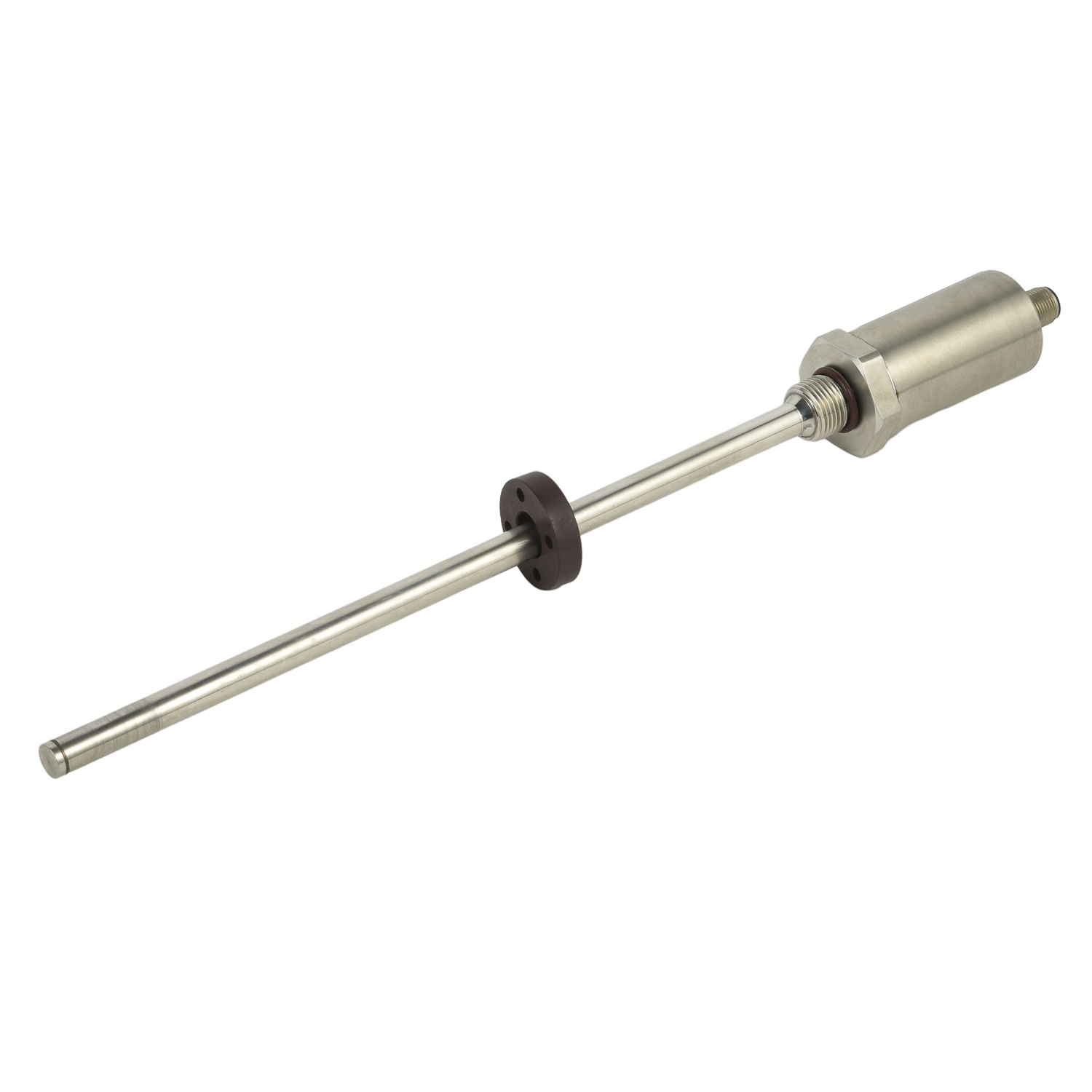
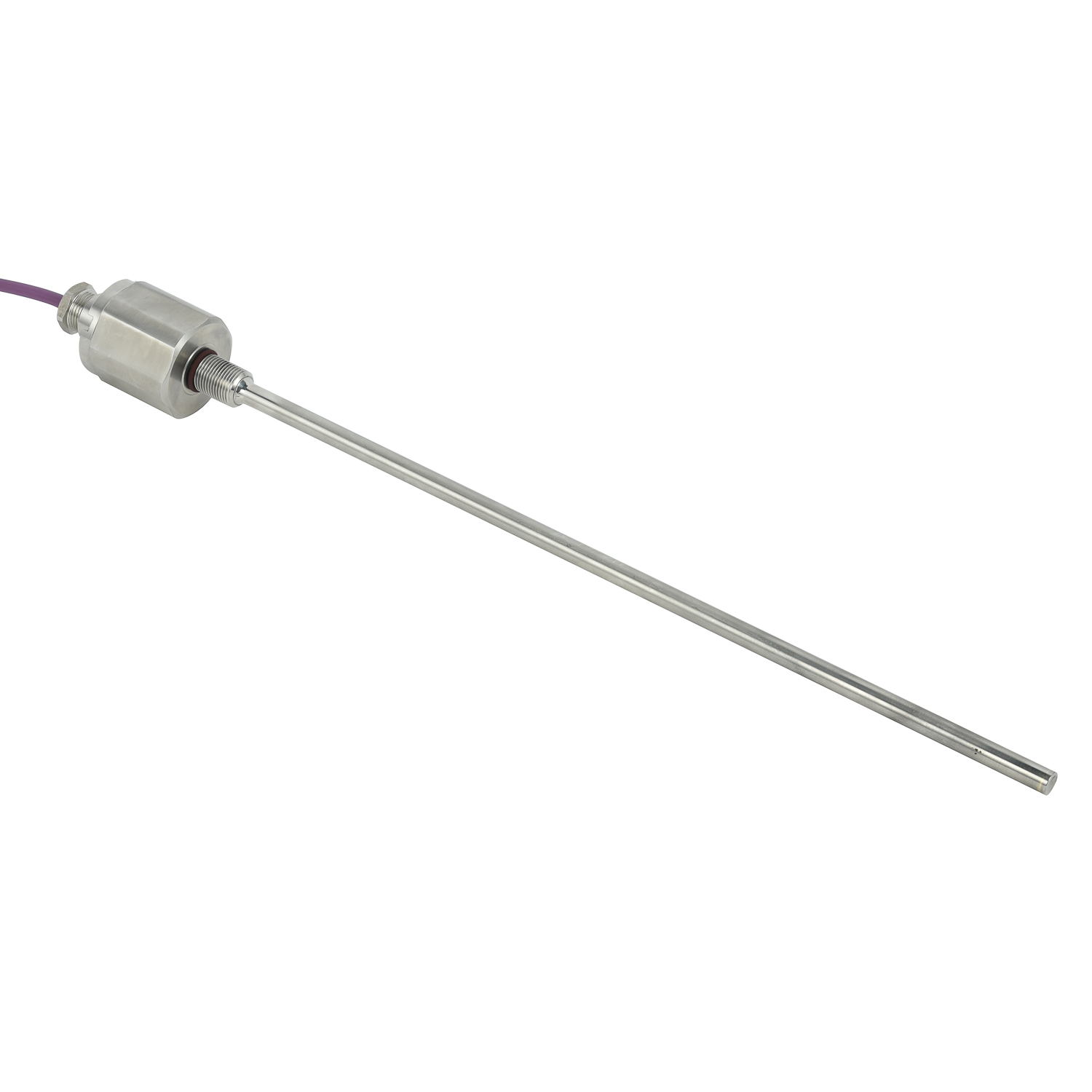
The high-pressure design uses a sealed, pressure-resistant housing, insulated coil, wear plate, and rugged connector. It protects the transducer and maintains stable electromagnetic coupling under pressure, temperature, corrosion, and vibration. Since no liquid couplant is required, the probe supports online inspection and reduces downtime. Signal processing filters noise and averages echoes for accuracy. The probe therefore combines EMAT physics with pressure-resistant packaging for reliable, couplant-free thickness monitoring in high-pressure equipment.
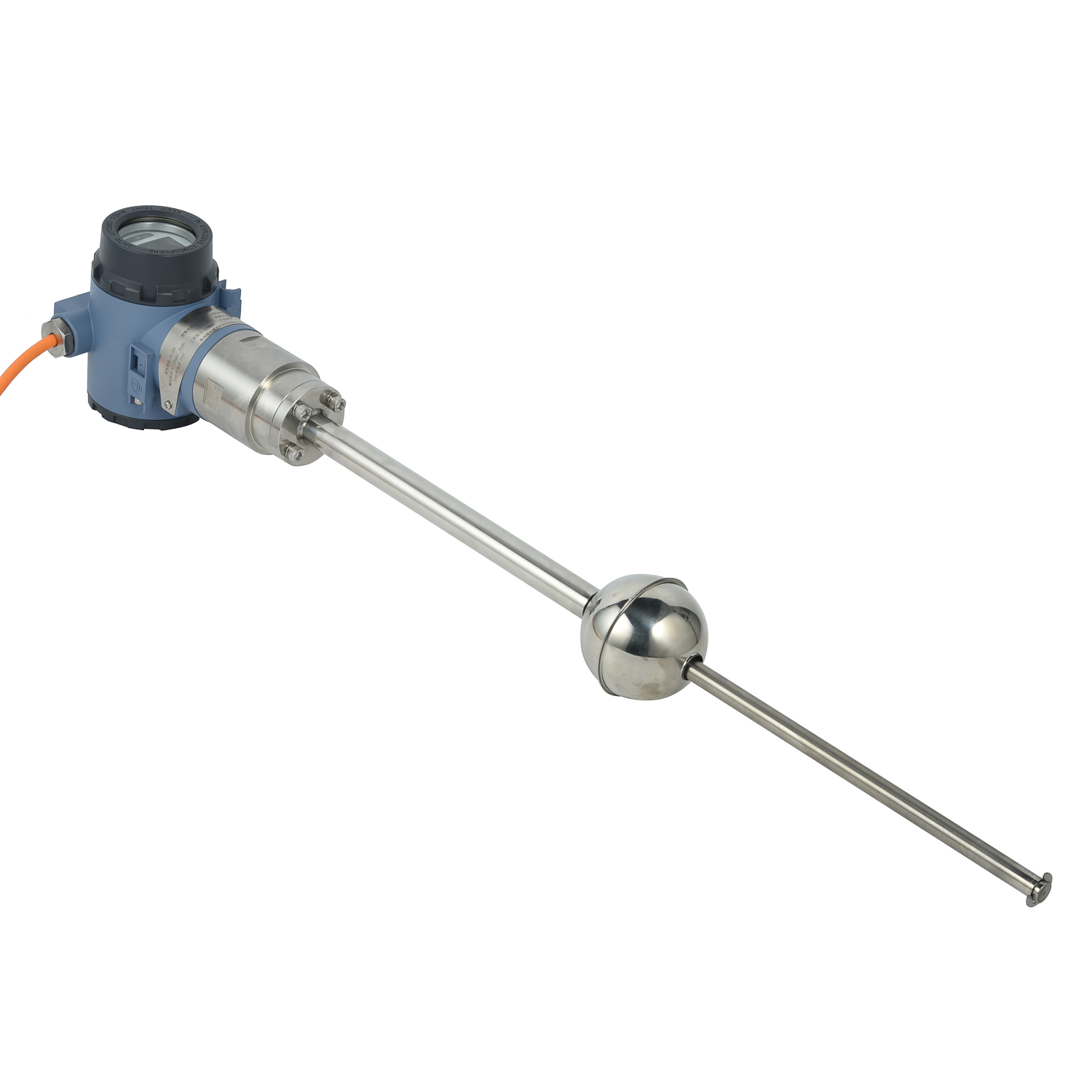 Chemical Pipeline Electromagne
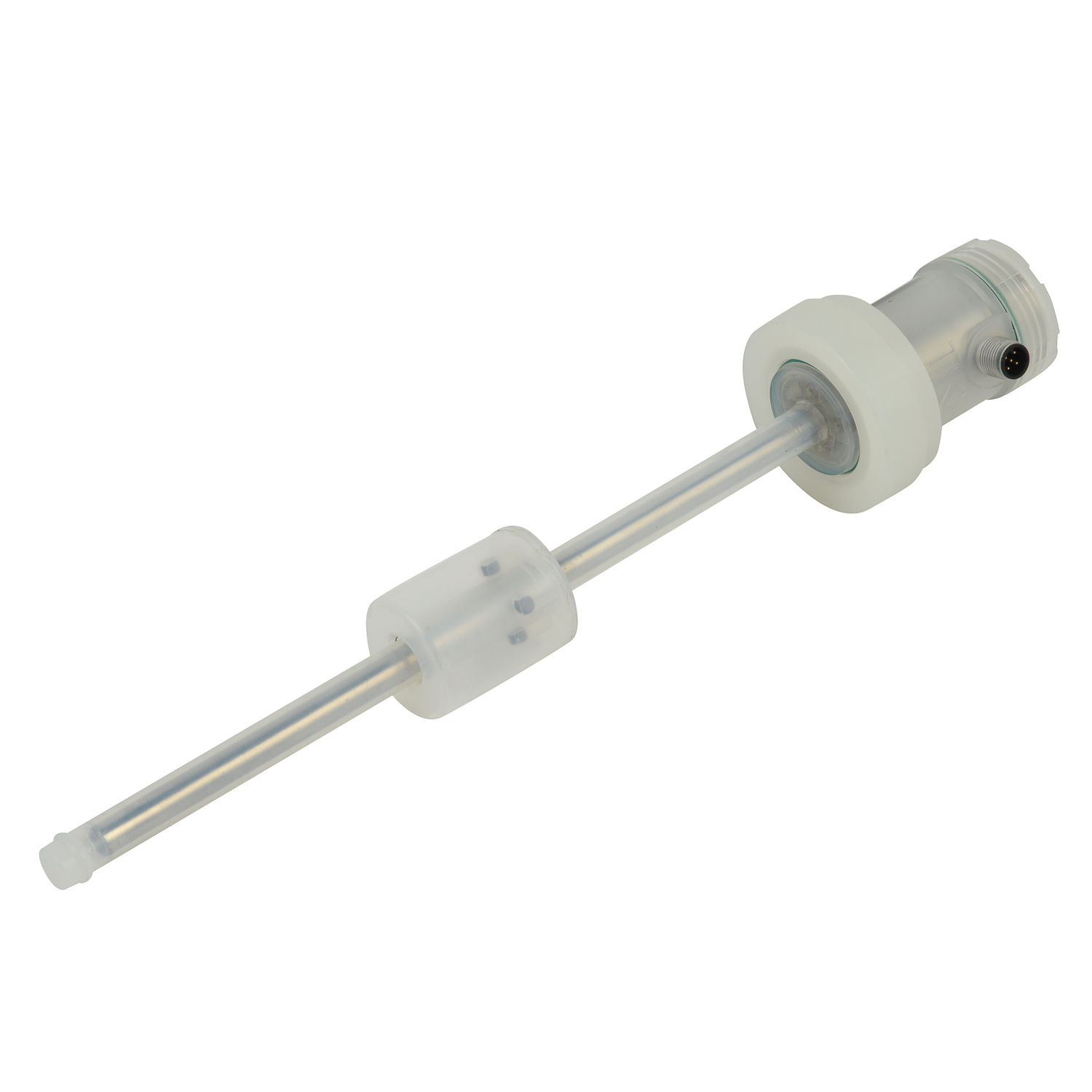 Port Corrosion-resistant Elect
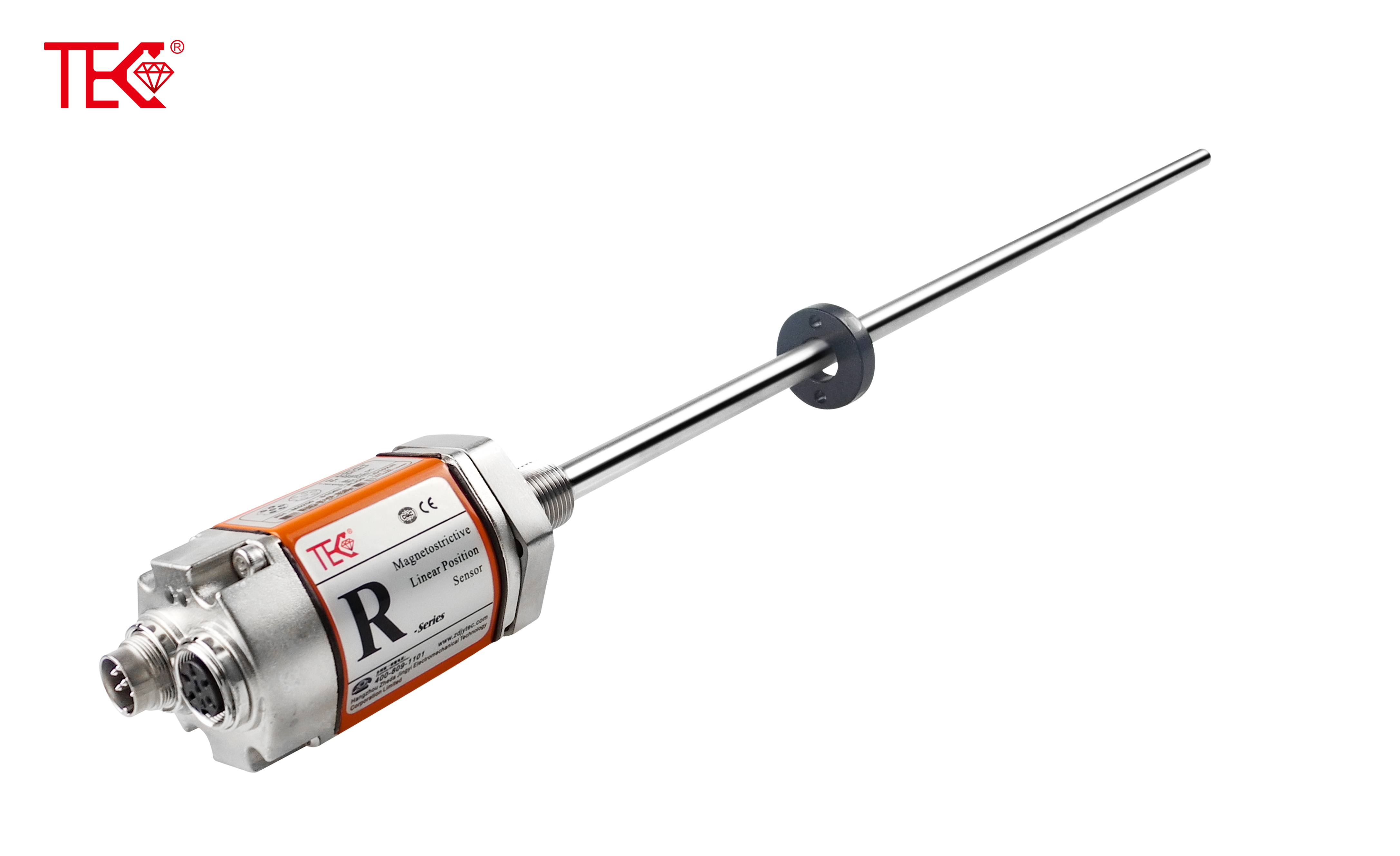 Power Plant Waterproof Electro
 Chemical Industry High-pressur