
Technical Parameters of High-temperature Electromagnetic Ultrasonic Thickness Probe
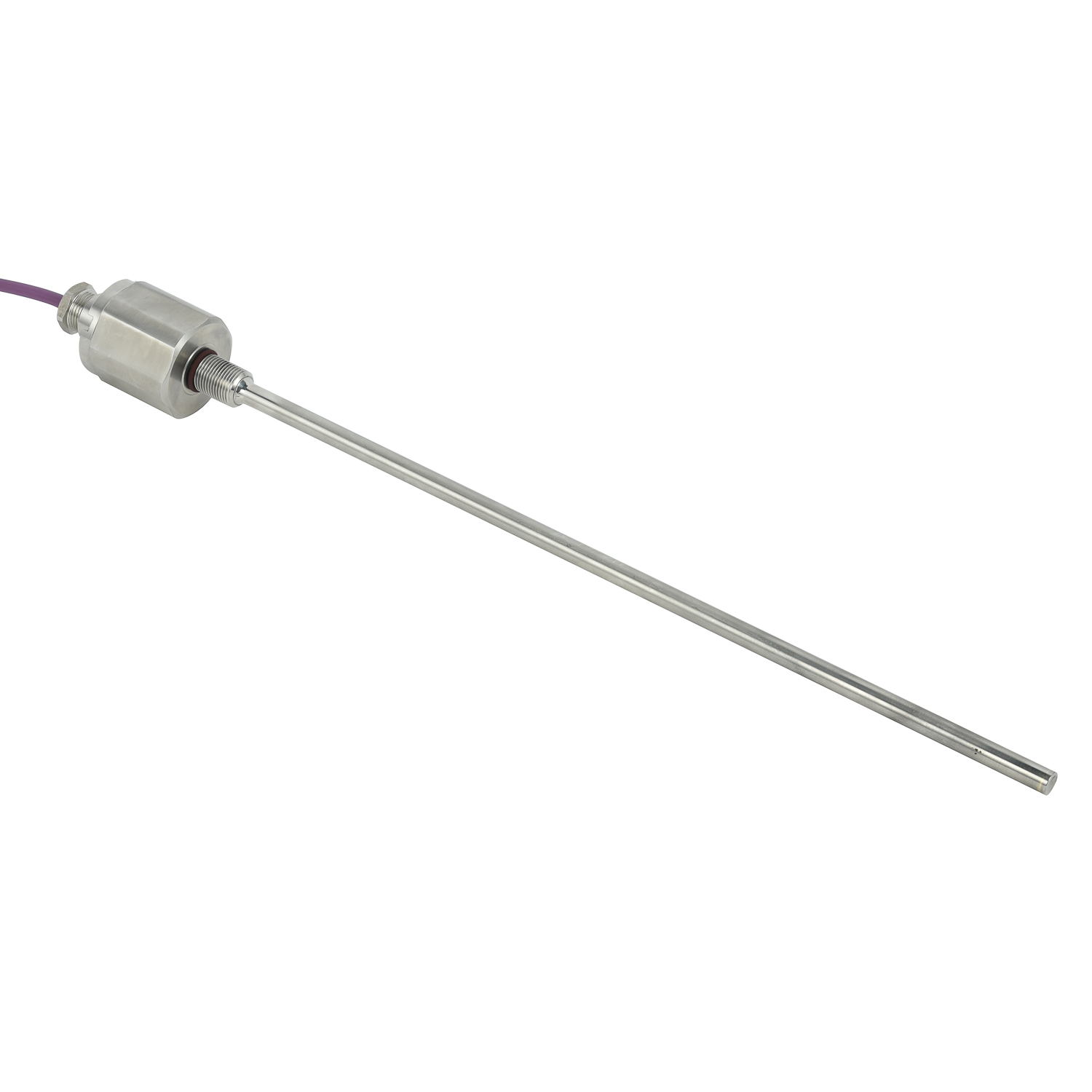
High-temperature electromagnetic ultrasonic thickness probes use EMAT technology to measure wall thickness without couplant. Their key technical parameters determine reliability in boilers, pipelines, and pressure vessels. Typical operating temperature ranges from -20 °C to 650 °C, with special designs reaching 800 °C. Probe frequency usually ranges from 1 MHz to 5 MHz, balancing penetration and resolution. Thickness measurement covers 1.5 mm to 200 mm, depending on material and probe configuration. Accuracy is commonly ±0.05 mm or ±0.1% of reading, while resolution reaches 0.01 mm. The probe must tolerate thermal cycling and maintain stable signal amplitude. Standoff distance and beam diameter affect small-diameter or curved surface inspection. EMAT coils and permanent magnets require heat-resistant insulation and cooling protection. Signal output may be analog or digital, with compatibility for high-temperature cables and industrial controllers. Repeatability, drift, and noise level are critical under elevated temperatures. Material grades such as carbon steel, stainless steel, and alloy steel influence acoustic velocity calibration. A robust housing, IP rating, and mounting interface support field use. Before installation, users should verify temperature limits, frequency, thickness range, accuracy, and cable length against the inspection task. Regular calibration and cooling maintenance help ensure safe, accurate, and repeatable thickness readings in high-temperature environments. This ensures stable performance during continuous industrial inspection.
 Chemical Pipeline Electromagne
 Port Corrosion-resistant Elect
 Power Plant Waterproof Electro
 Chemical Industry High-pressur