
Chemical Industry High-pressure Electromagnetic Ultrasonic Thickness Probe
In the chemical industry, pressure vessels, reactors, pipelines, and storage tanks operate under aggressive media, high temperatures, and severe pressure. Accurate wall-thickness data is essential for corrosion control, integrity assessment, and shutdown planning. A high-pressure electromagnetic ultrasonic thickness probe meets this need by using electromagnetic acoustic transduction to generate and receive ultrasonic waves without direct contact or couplant in many setups. This non-contact method is especially valuable on rough, coated, hot, or inaccessible surfaces where conventional ultrasonic testing may struggle. It also helps inspectors work faster in confined areas and on complex geometries. The method is suited to harsh chemical processing environments.
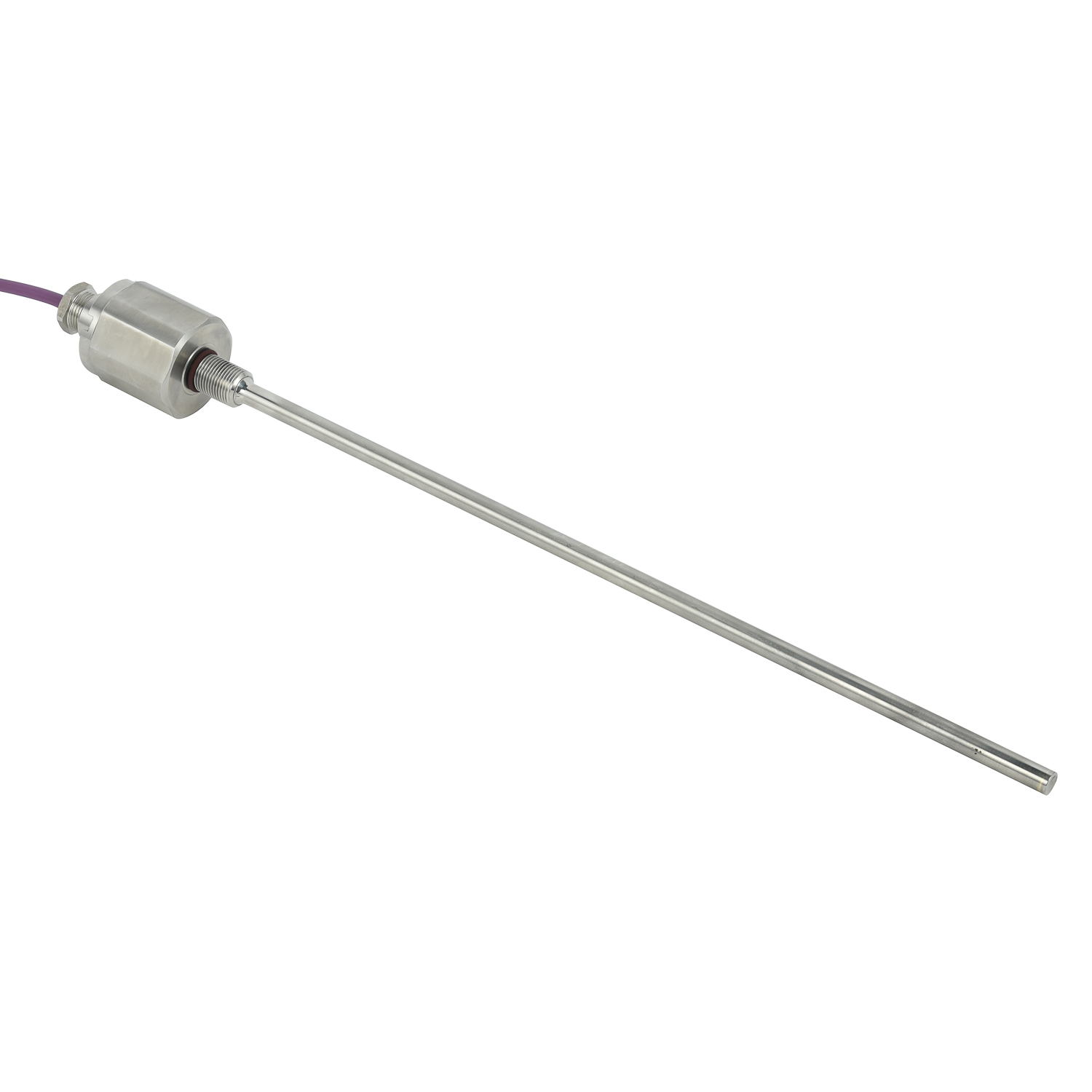
The probe supports safe, repeatable measurement in high-pressure service, helping engineers detect wall loss, monitor corrosion rates, and verify remaining life. Its robust design resists industrial interference and can be integrated into online monitoring systems. Regular inspection with this technology reduces unplanned downtime, improves maintenance decisions, and strengthens process safety. This supports predictive maintenance strategies and early fault detection.
For chemical plants, selecting the right probe means matching pressure rating, temperature range, material, and signal quality to the application. Correct installation, calibration, and data interpretation ensure reliable results. Proper use also helps meet safety and environmental compliance targets. As digital inspection and predictive maintenance grow, high-pressure electromagnetic ultrasonic thickness probes become a practical tool for protecting critical assets and extending equipment service life.
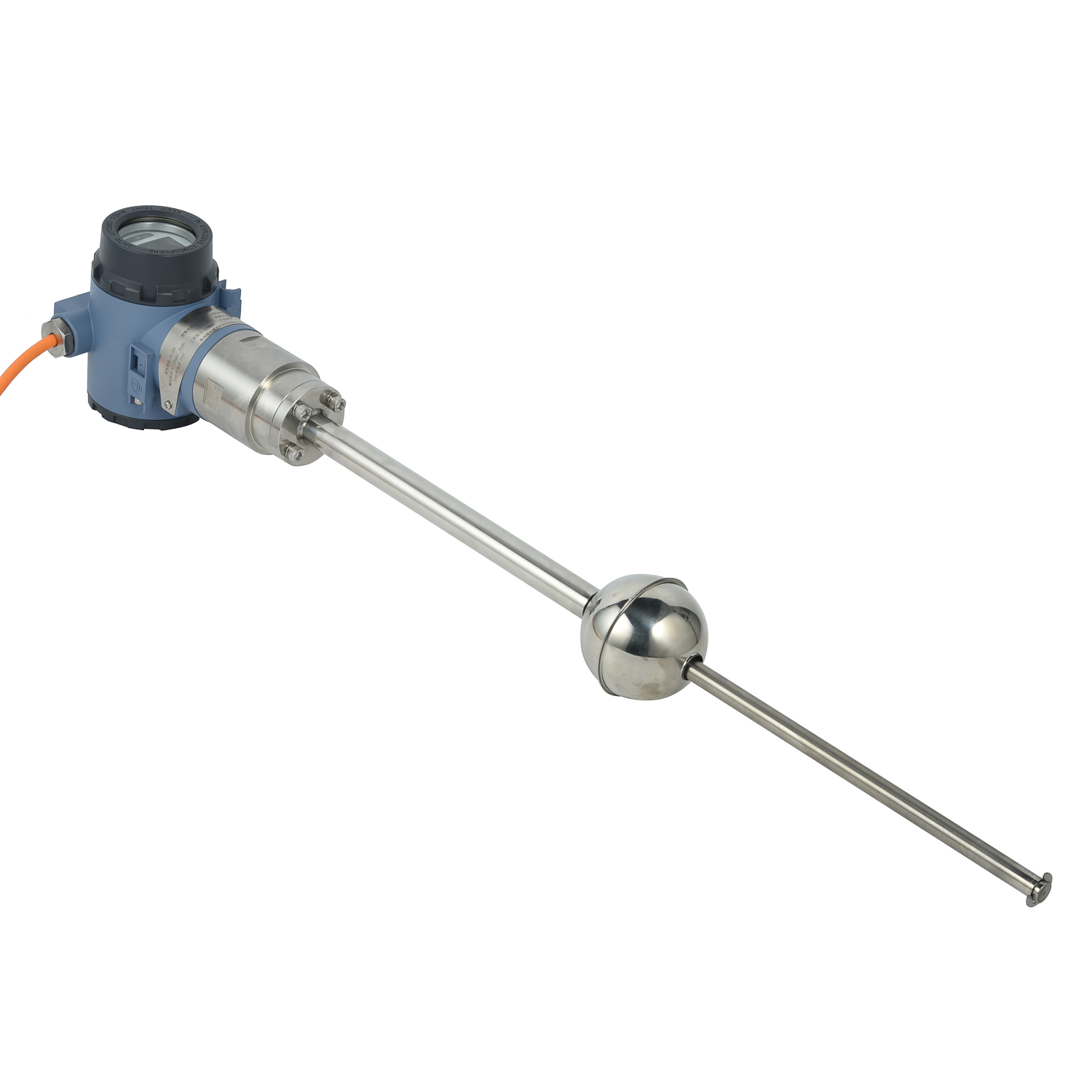 Chemical Pipeline Electromagne
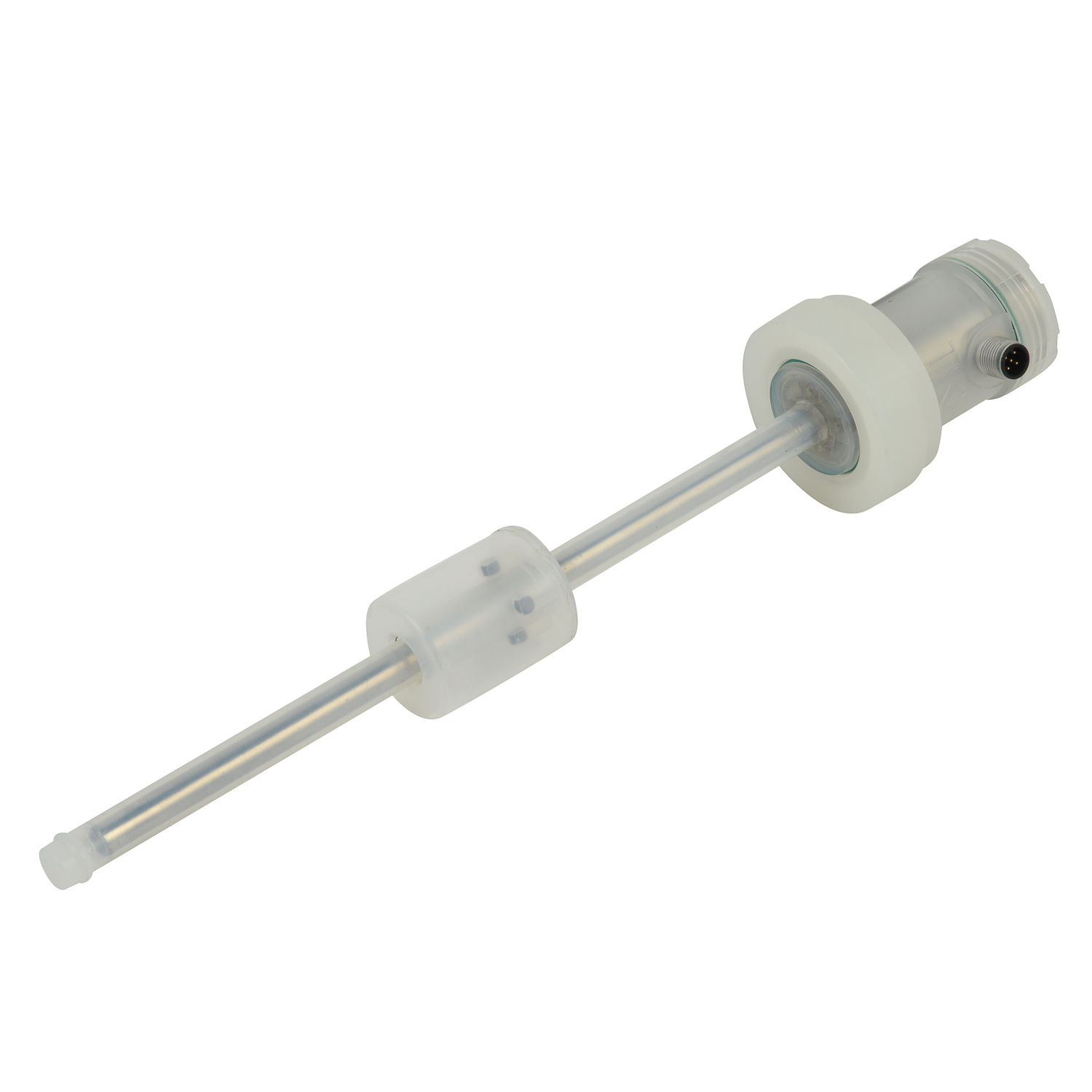 Port Corrosion-resistant Elect
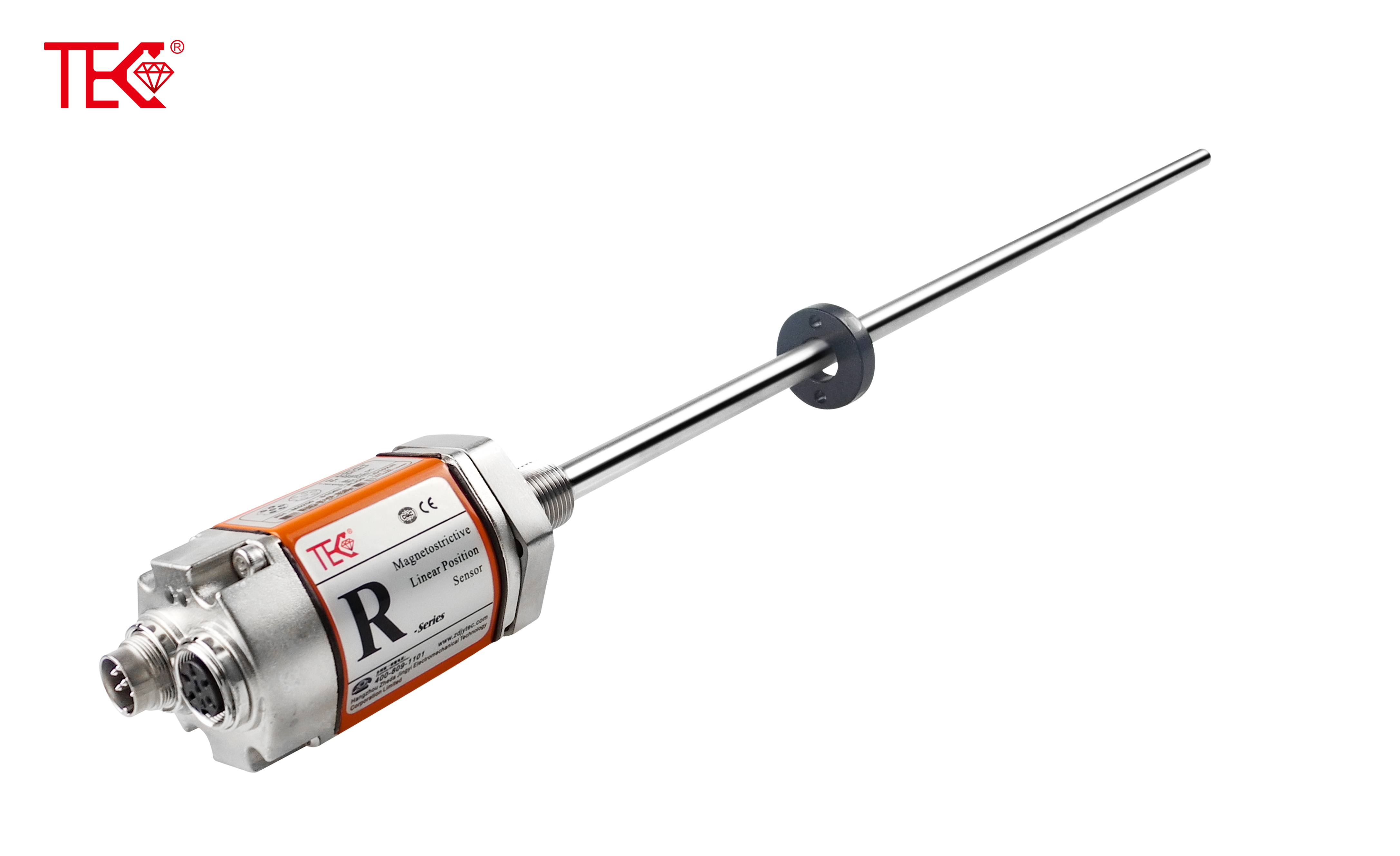 Power Plant Waterproof Electro
Chemical Industry High-pressur