
Electromagnetic Ultrasonic Thickness Probe for Power Plant
Electromagnetic ultrasonic thickness probes are increasingly used in power plants for non-destructive wall-thickness measurement of boiler tubes, steam pipes, and pressure vessels. Unlike conventional ultrasonic testing, electromagnetic acoustic transducer (EMAT) probes generate and receive ultrasound directly in the metal without requiring couplant. This makes inspection faster, cleaner, and more reliable in harsh environments. Power plant components suffer from corrosion, erosion, and creep, so accurate thickness data is essential for safety and maintenance planning. EMAT probes can operate on rough, coated, or high-temperature surfaces, reducing preparation time and allowing online or near-online inspection. They are especially useful for inaccessible areas where clamp-on sensors or manual contact probes are difficult to apply. Modern probes use optimized coil and magnet designs to improve signal strength and stability. When integrated with portable instruments or automated scanners, they provide repeatable readings and support predictive maintenance. However, proper calibration, surface condition control, and operator training are still important for reliable results. Regular inspections help utilities avoid unexpected failures and extend component life. For power plants seeking lower downtime and better asset integrity, electromagnetic ultrasonic thickness probes offer a practical advanced NDT solution. This approach supports safer operation and longer service life. It also helps reduce inspection time and costs.
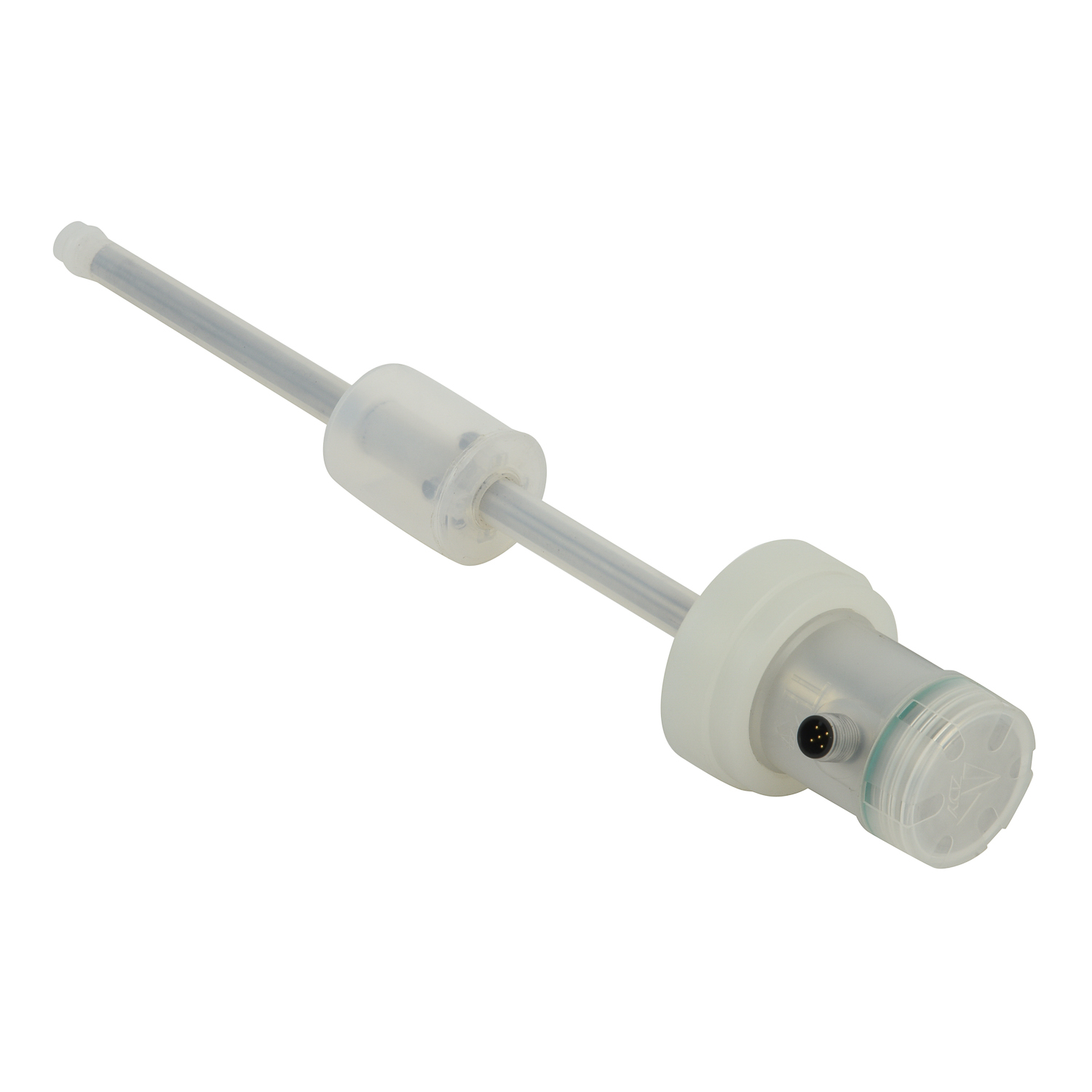
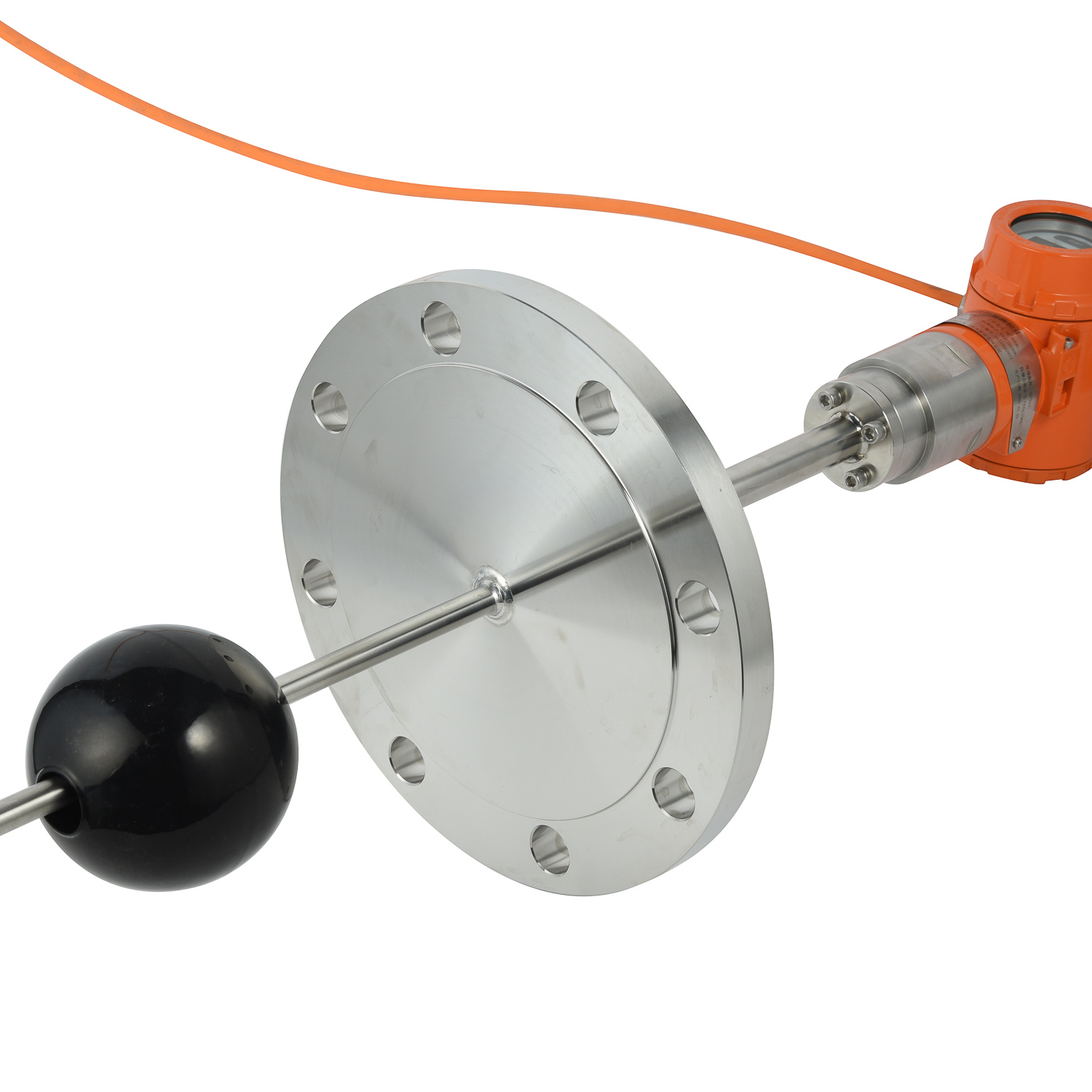 Electromagnetic Ultrasonic Thi
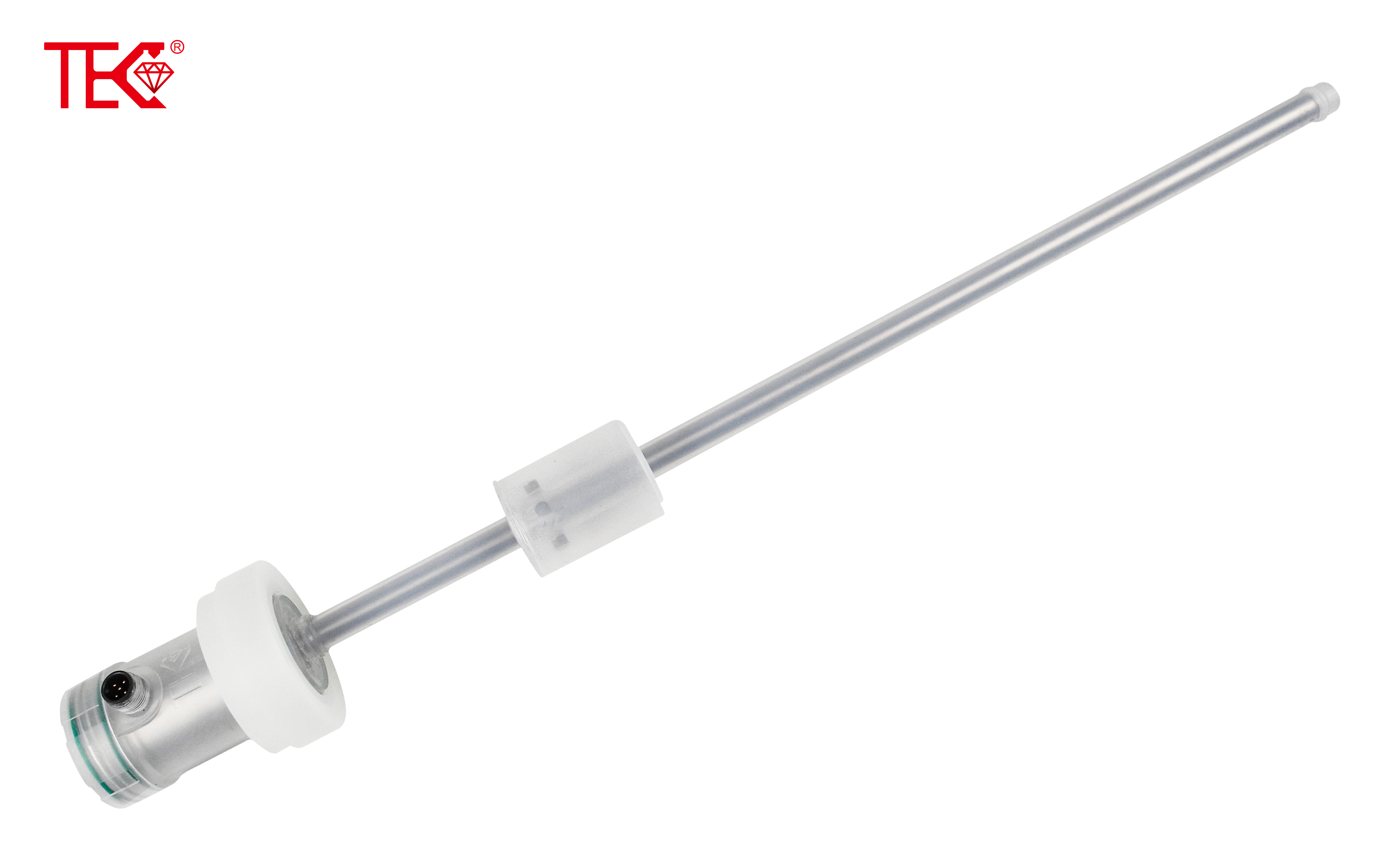 Electromagnetic Ultrasonic Thi
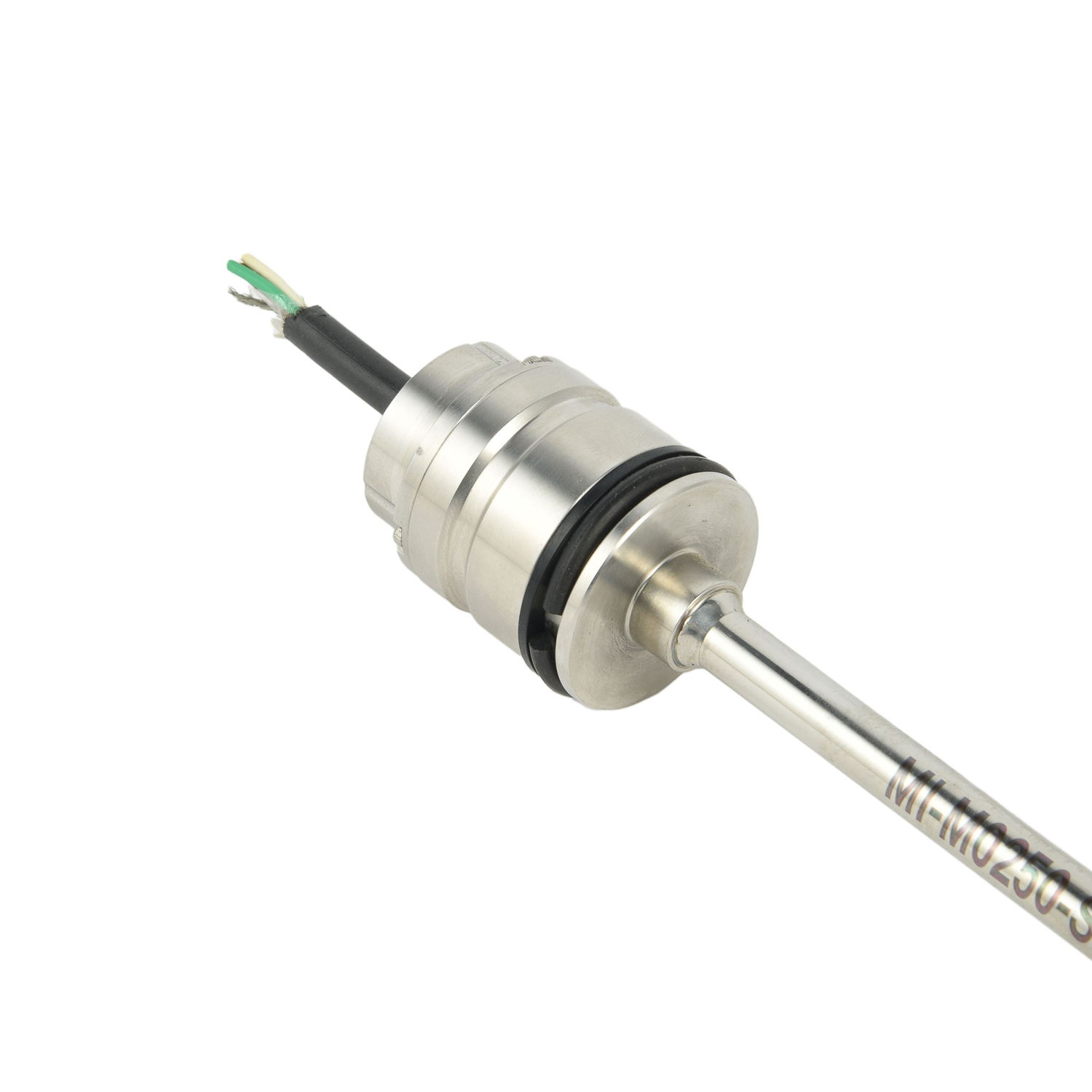 Electromagnetic Ultrasonic Thi