
Electromagnetic Ultrasonic Thickness Probe for Water Conservancy
Electromagnetic ultrasonic thickness probes are transforming inspection work in water conservancy. Unlike conventional ultrasonic gauges, EMAT probes generate and receive ultrasound through electromagnetic coupling, so they need no couplant and can inspect rough, coated, or high-temperature steel surfaces. This makes them ideal for penstocks, pump-station pipes, gates, trash racks, and pressure vessels where corrosion, erosion, and sediment wear reduce wall thickness. Regular thickness measurement supports predictive maintenance, helps engineers locate thinning before leakage or structural risk, and extends asset life. Modern portable EMAT thickness probes offer fast scanning, stable signals, and data logging for field teams. It also improves inspection access in wet, dirty, or coated environments. This saves time in the field. When integrated with drones, robots, or fixed monitoring systems, they enable remote and continuous assessment in hard-to-reach areas such as dam galleries and buried pipelines. For water conservancy managers, the main benefits are safety, less downtime, lower inspection cost, and better decisions for repair and renovation. Choosing the right probe requires matching frequency, range, and surface conditions to each application, plus trained operators and routine calibration. With growing demand for smart water infrastructure, electromagnetic ultrasonic thickness probes provide a reliable, couplant-free solution for corrosion monitoring and asset integrity management.
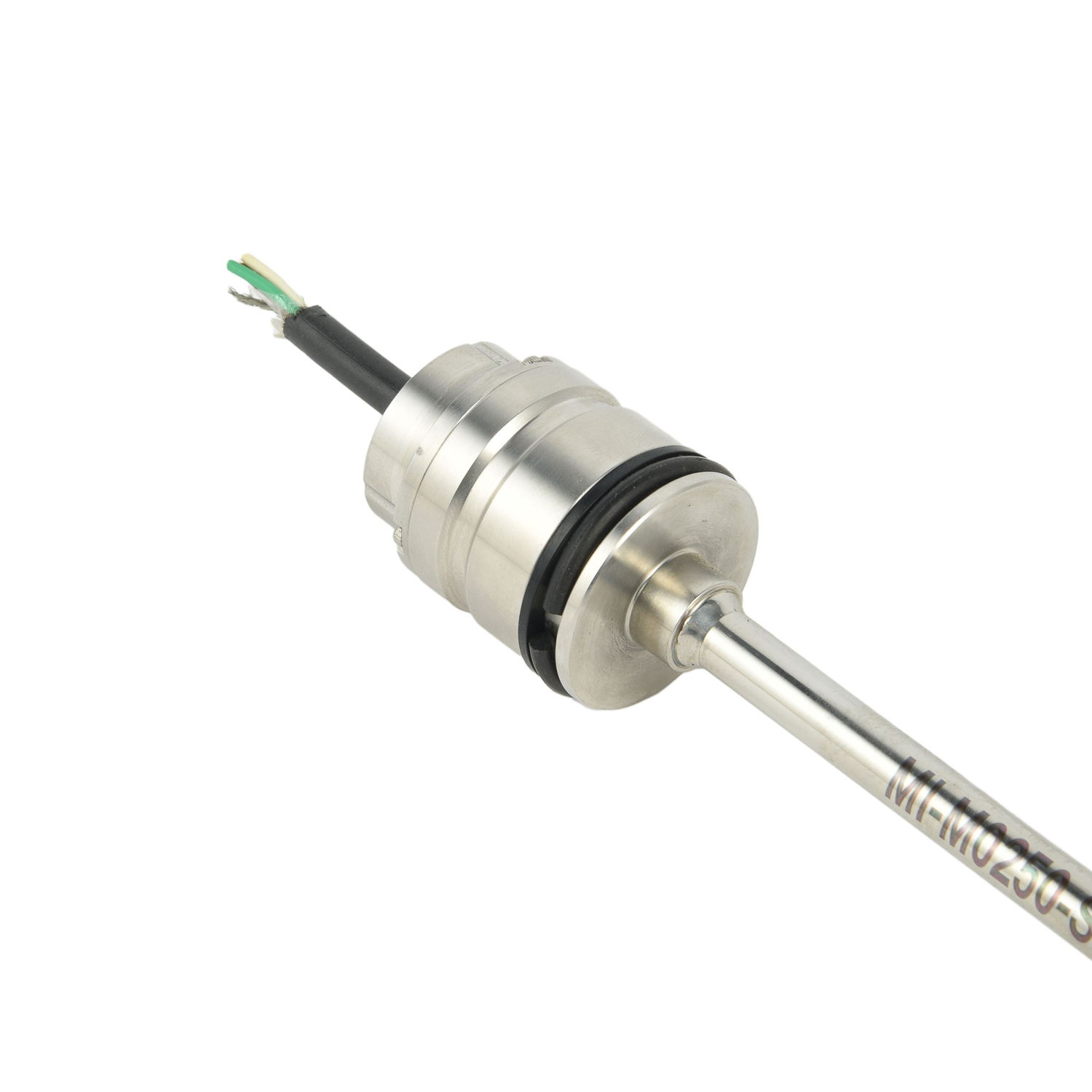
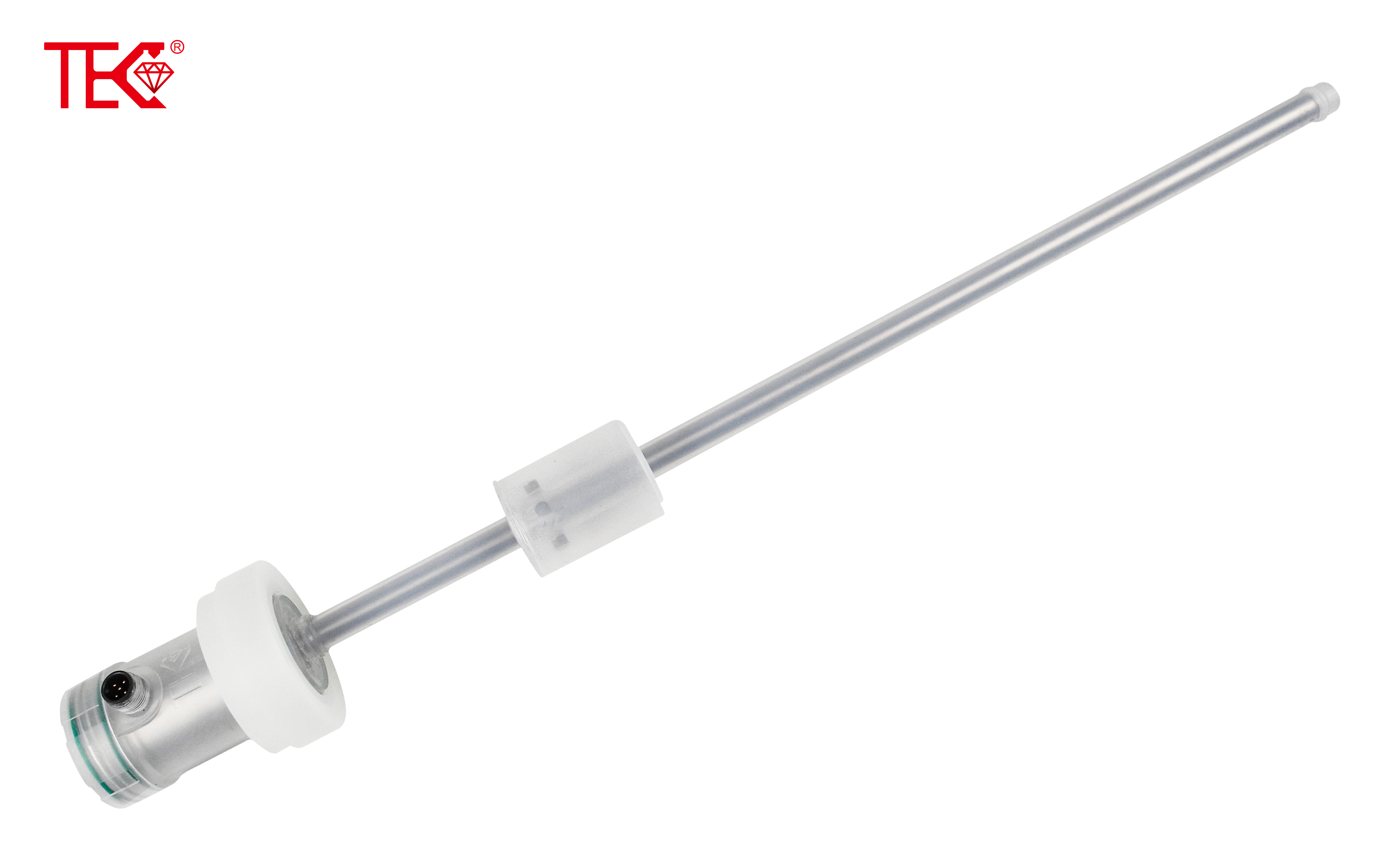 Electromagnetic Ultrasonic Thi
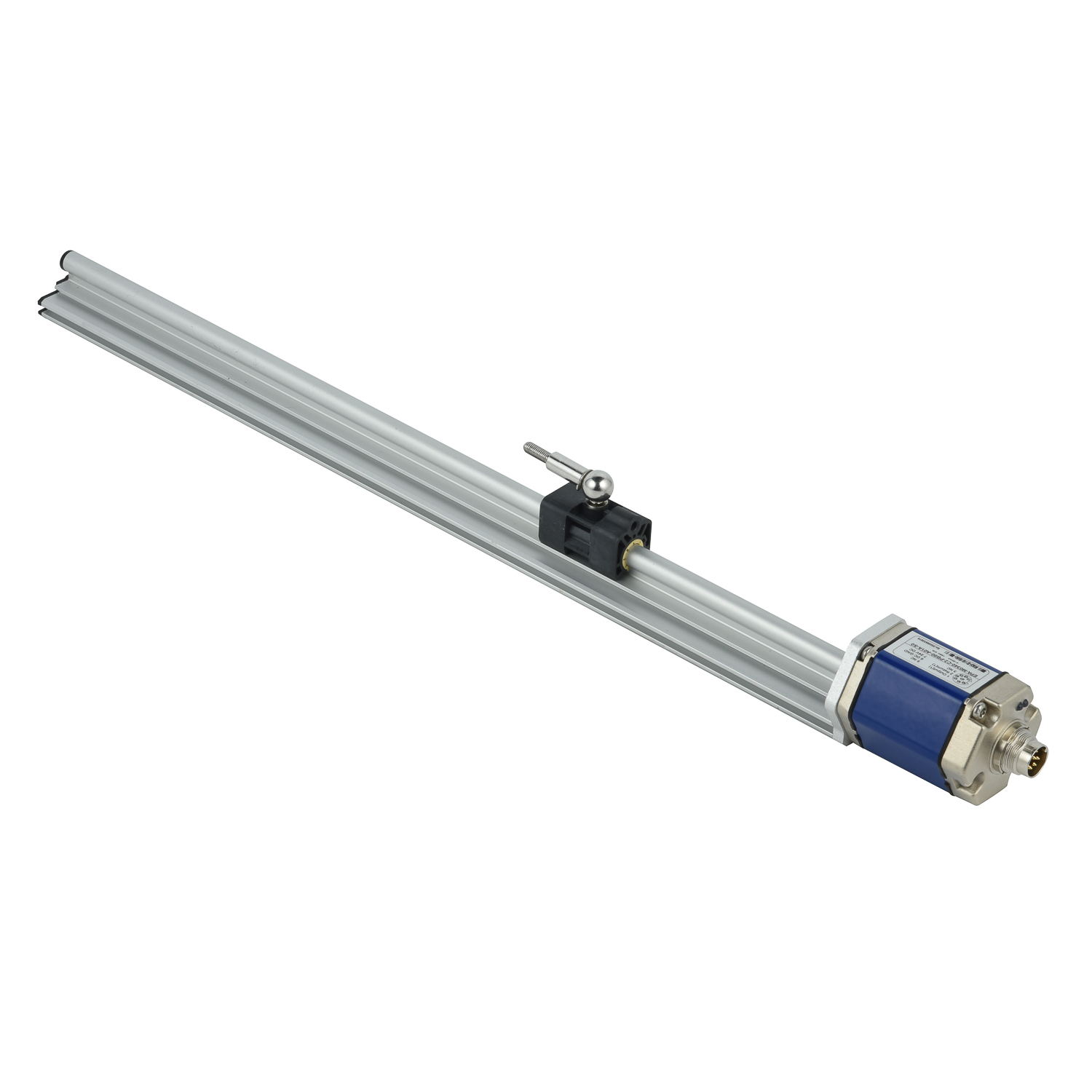 Electromagnetic Ultrasonic Thi
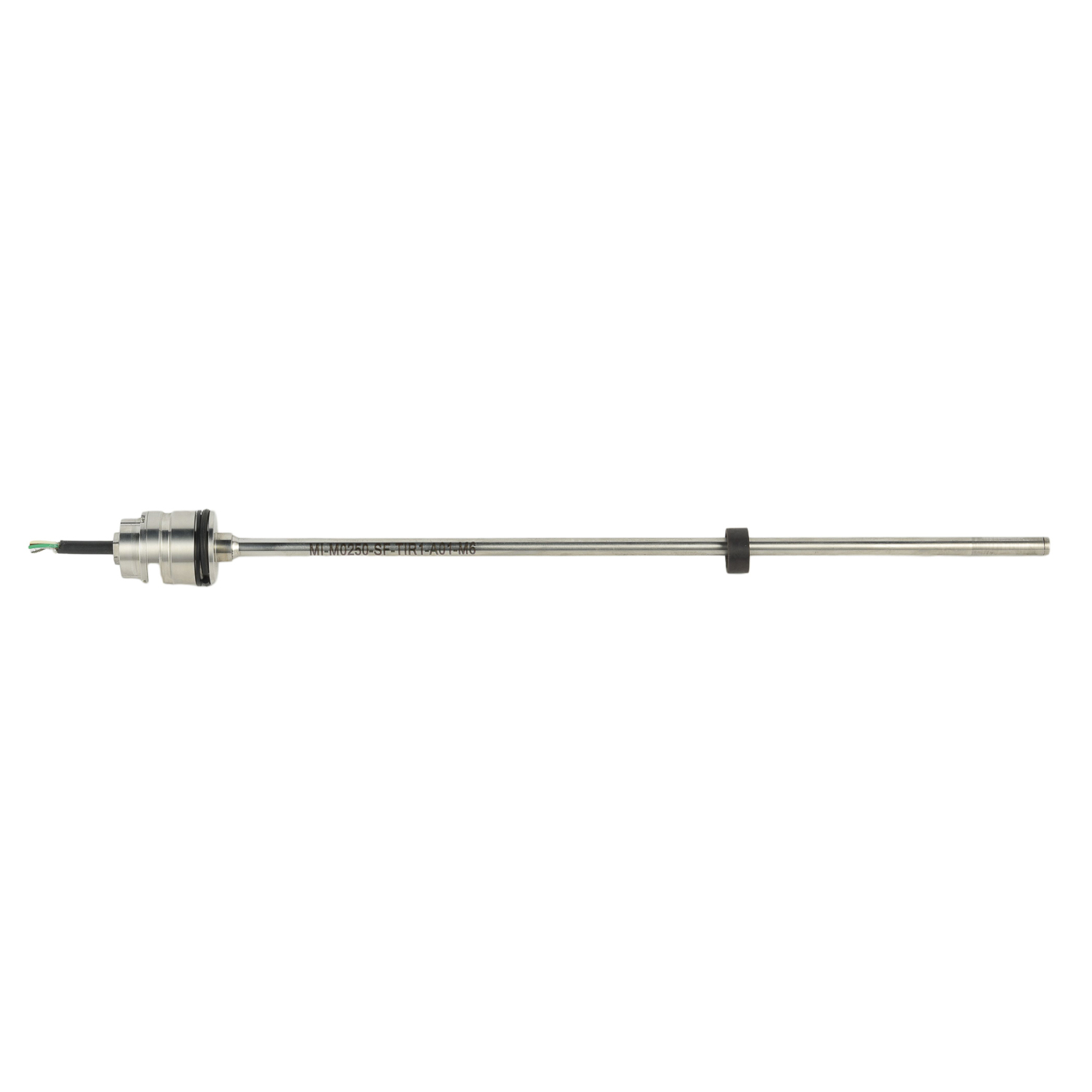 Electromagnetic Ultrasonic Thi