
Electromagnetic Ultrasonic Thickness Probe for Sewage Treatment
Electromagnetic ultrasonic thickness probes are changing how sewage treatment plants monitor pipe and tank wall integrity. Unlike conventional ultrasonic gauges that require a coupling agent and surface preparation, electromagnetic acoustic transducer (EMAT) probes generate and receive ultrasonic waves without direct contact. This makes them ideal for wet, rough, coated, and contaminated steel surfaces common in wastewater environments.
In sewage treatment, aggressive media, abrasive sludge, and hydrogen sulfide cause gradual wall loss in pipes, clarifiers, digesters, and storage tanks. Regular thickness measurement helps operators detect corrosion before leaks or structural failures occur. An electromagnetic ultrasonic probe can inspect through paint, rust, and scale, reducing shutdown time and cleaning costs. It also works on high-temperature surfaces and curved geometries when properly configured. Because EMAT probes do not need liquid couplant, they are safer and cleaner for confined spaces, wet wells, and areas with limited access.
For reliable results, install probes at representative points with stable flow and minimal debris. Clean loose deposits, mark baseline readings, and repeat measurements at the same locations. Use temperature compensation and compare data trends rather than single readings. Record coating thickness and material grade, since these factors can affect signal interpretation. Battery-powered portable units suit field surveys, while fixed probes support continuous monitoring in critical zones.
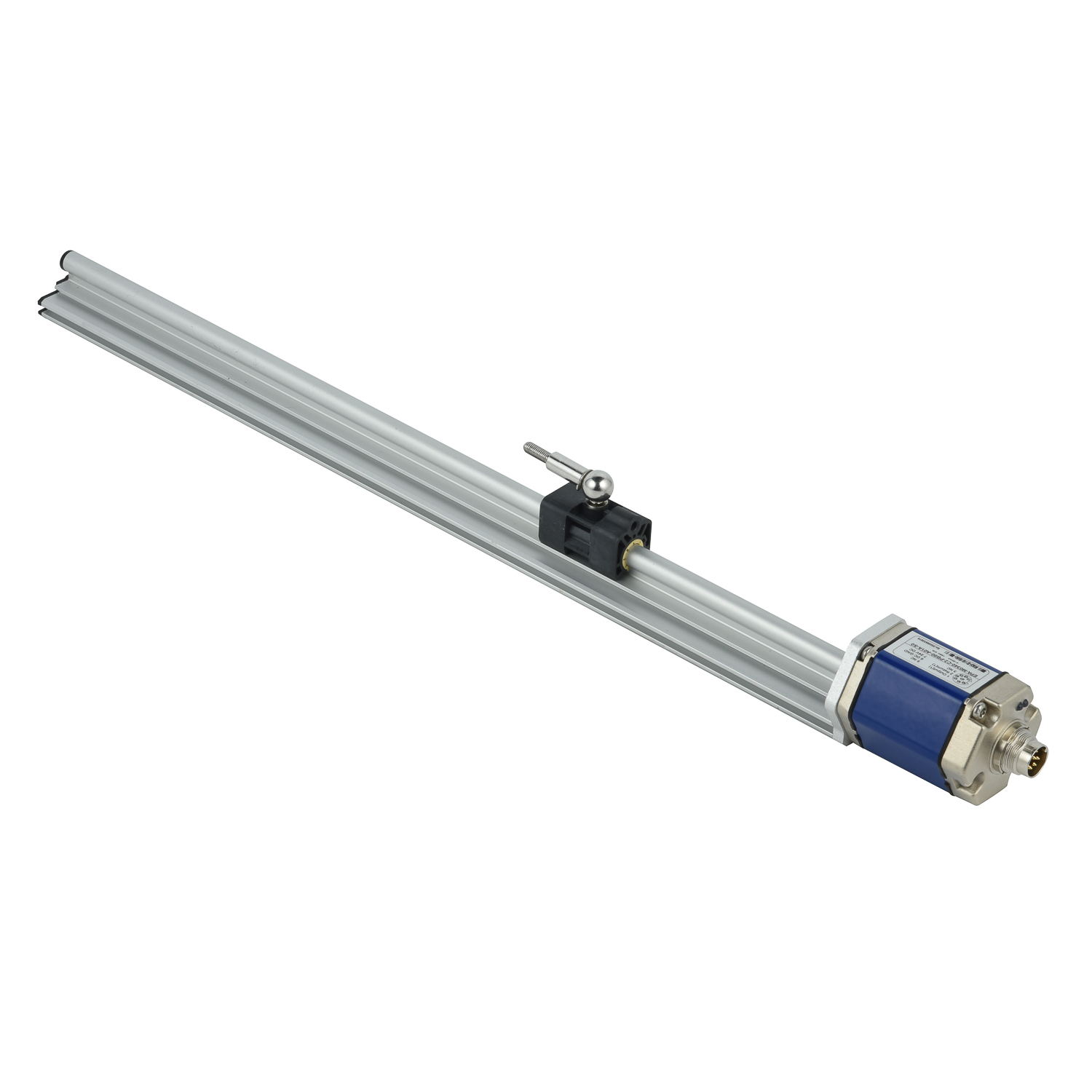
Advantages include non-contact measurement, fast scanning, and reduced surface preparation. Limitations include signal sensitivity to very thick coatings and some material properties. Proper training and calibration are essential. When integrated with plant maintenance software, thickness trends can trigger timely repairs and reduce unplanned downtime. Overall, electromagnetic ultrasonic thickness probes improve safety, extend asset life, and support predictive maintenance in sewage treatment.
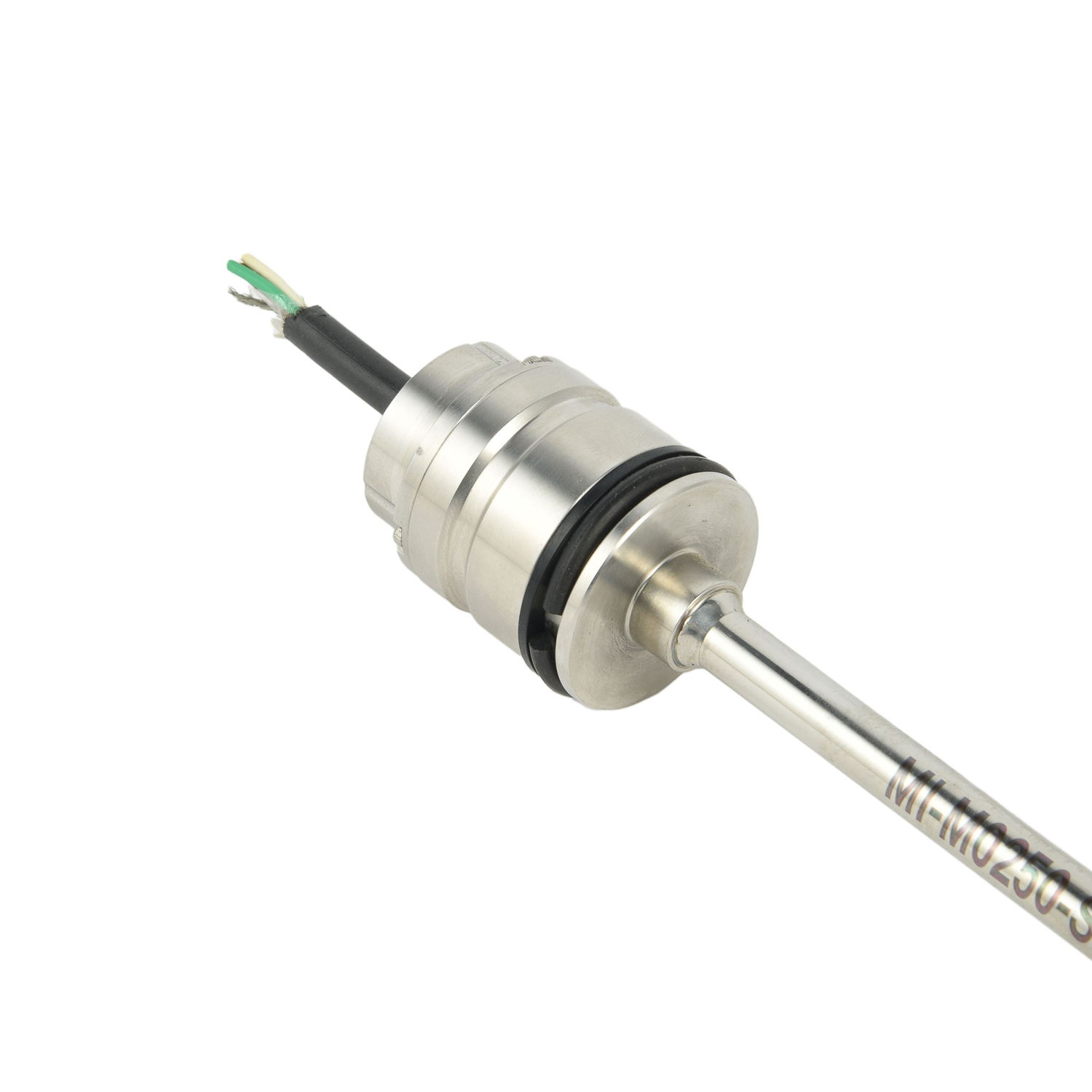 Electromagnetic Ultrasonic Thi
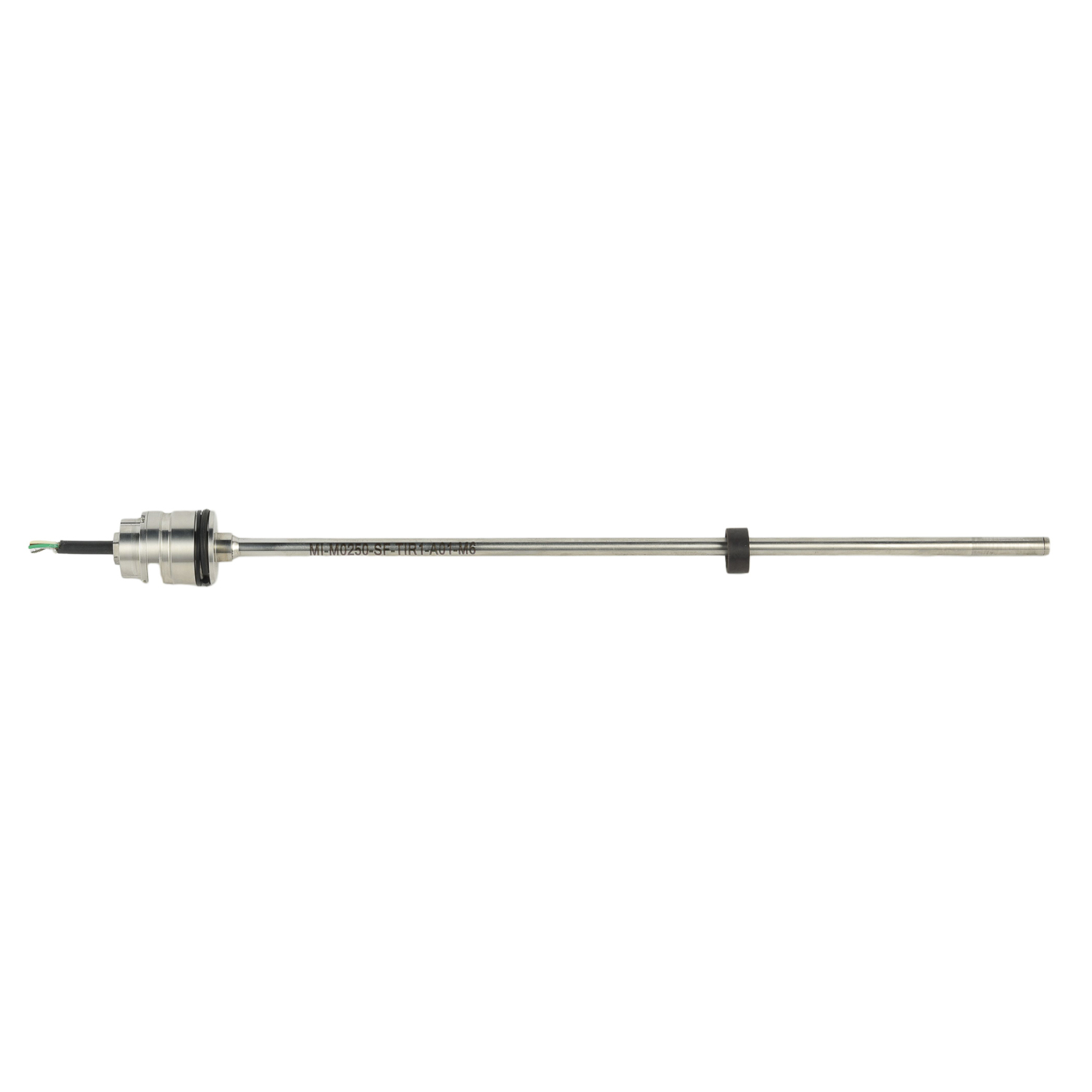 Electromagnetic Ultrasonic Thi
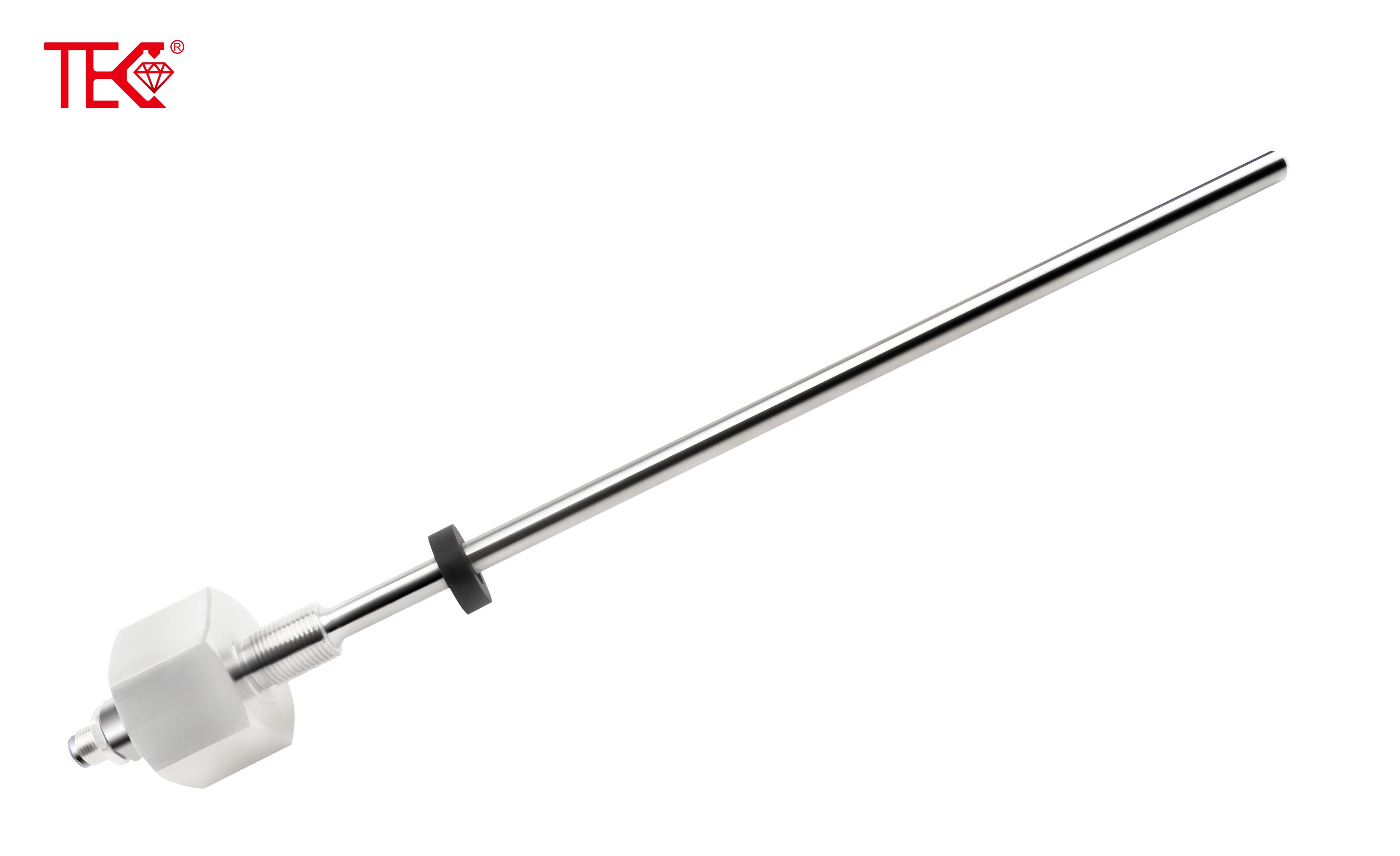 Electromagnetic Ultrasonic Thi