
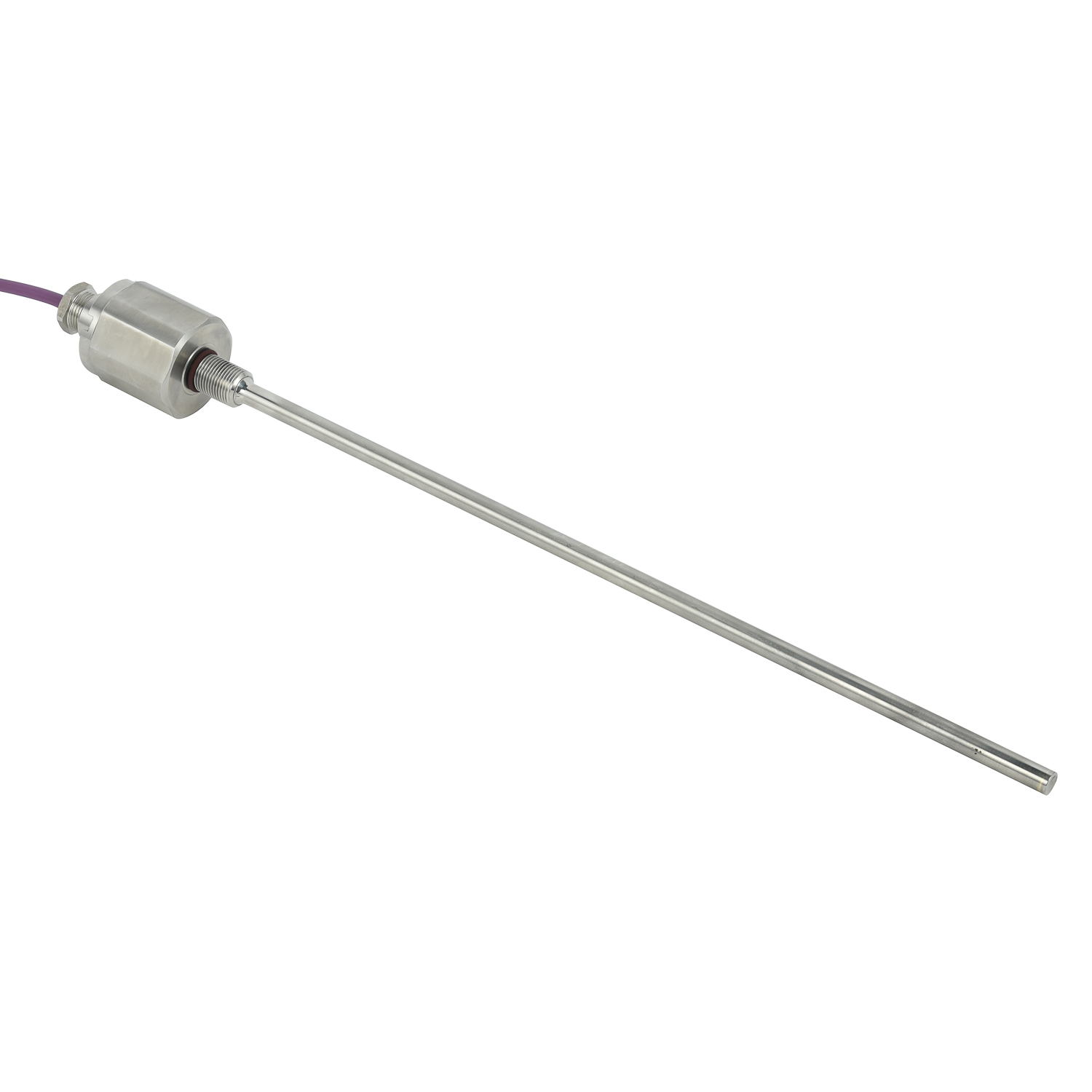
Electromagnetic Ultrasonic Thickness Probe for Cement Industry
Electromagnetic ultrasonic thickness probes are transforming condition monitoring in the cement industry. Unlike conventional ultrasonic gauges, these probes use electromagnetic acoustic transducers (EMATs) to generate and receive ultrasound directly in conductive steel components. This means no couplant is required, and measurements can be taken through paint, rust, scale, and rough surfaces. For cement plants, this capability is valuable because critical equipment like rotary kiln shells, mill liners, preheater cyclones, ducts, silos, and conveying pipes operate in dusty, high-temperature, and abrasive environments.
Regular thickness measurement helps maintenance teams detect wall loss caused by corrosion, erosion, and thermal fatigue before leaks or unplanned shutdowns occur. EMAT probes can support online inspection and portable surveys, reducing the need for extensive surface preparation and improving safety. They are useful on hot kiln shells and hard-to-access areas where conventional contact ultrasonics may struggle.
However, reliable results depend on proper probe selection, calibration, and operator skill. Signal quality can be affected by lift-off, material properties, and surface conditions. Best practice is to combine EMAT thickness data with trend analysis and targeted verification. When integrated into a predictive maintenance program, electromagnetic ultrasonic thickness probes help cement producers extend equipment life, reduce downtime, and improve plant reliability.
 Chemical Pipeline Electromagne
 Port Corrosion-resistant Elect
 Power Plant Waterproof Electro
 Chemical Industry High-pressur