
Electromagnetic Ultrasonic Thickness Probe for Construction Machinery
Construction machinery operates under heavy loads, vibration, corrosion, and abrasion. Booms, buckets, hydraulic cylinders, frames, and wear plates gradually lose wall thickness. Accurate measurement is vital for safety, maintenance planning, and asset life. Electromagnetic ultrasonic thickness probes provide a reliable non-contact solution for on-site inspection.
Unlike conventional ultrasonic testing, these probes use electromagnetic coupling to generate and receive ultrasonic waves. They often work without couplant and tolerate rough, coated, or hot surfaces with less preparation. This makes them practical for excavators, cranes, loaders, bulldozers, and drilling rigs. Eddy currents and Lorentz forces create ultrasonic waves that reflect from the opposite wall, and time-of-flight data becomes a thickness reading. Advanced signal processing filters vibration and electrical noise, while rugged housings and magnetic shielding support field use.
Regular inspection detects thinning before cracks or failure. Maintenance teams can plan repairs, reduce downtime, and extend asset life. Portable probes are useful in overhead, contaminated, or limited-access areas where couplant testing is difficult. For best results, select a probe for the material, thickness range, and temperature; calibrate with reference blocks; clean the sensor; and verify critical points. Proper use improves inspection speed, data quality, and construction machinery safety.
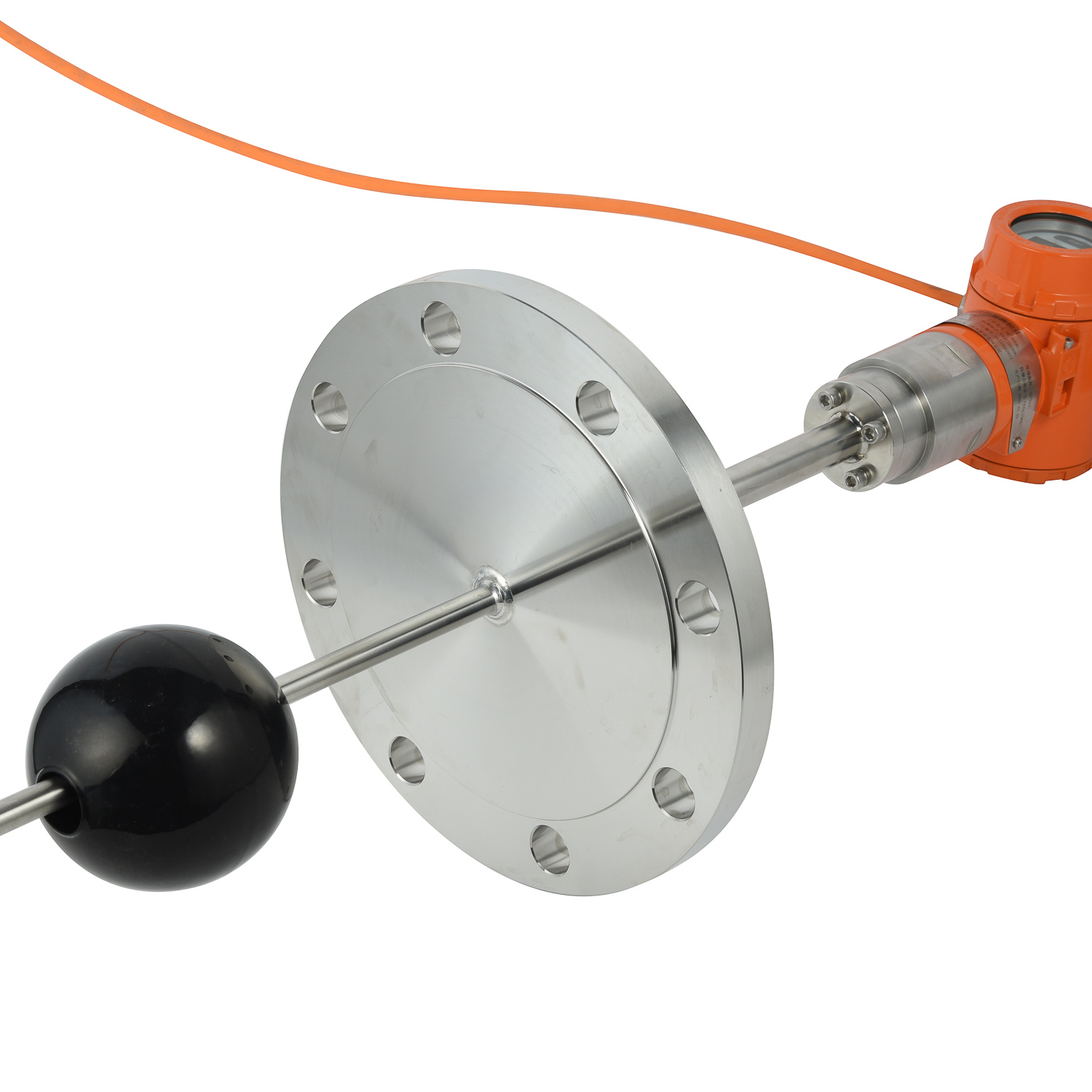
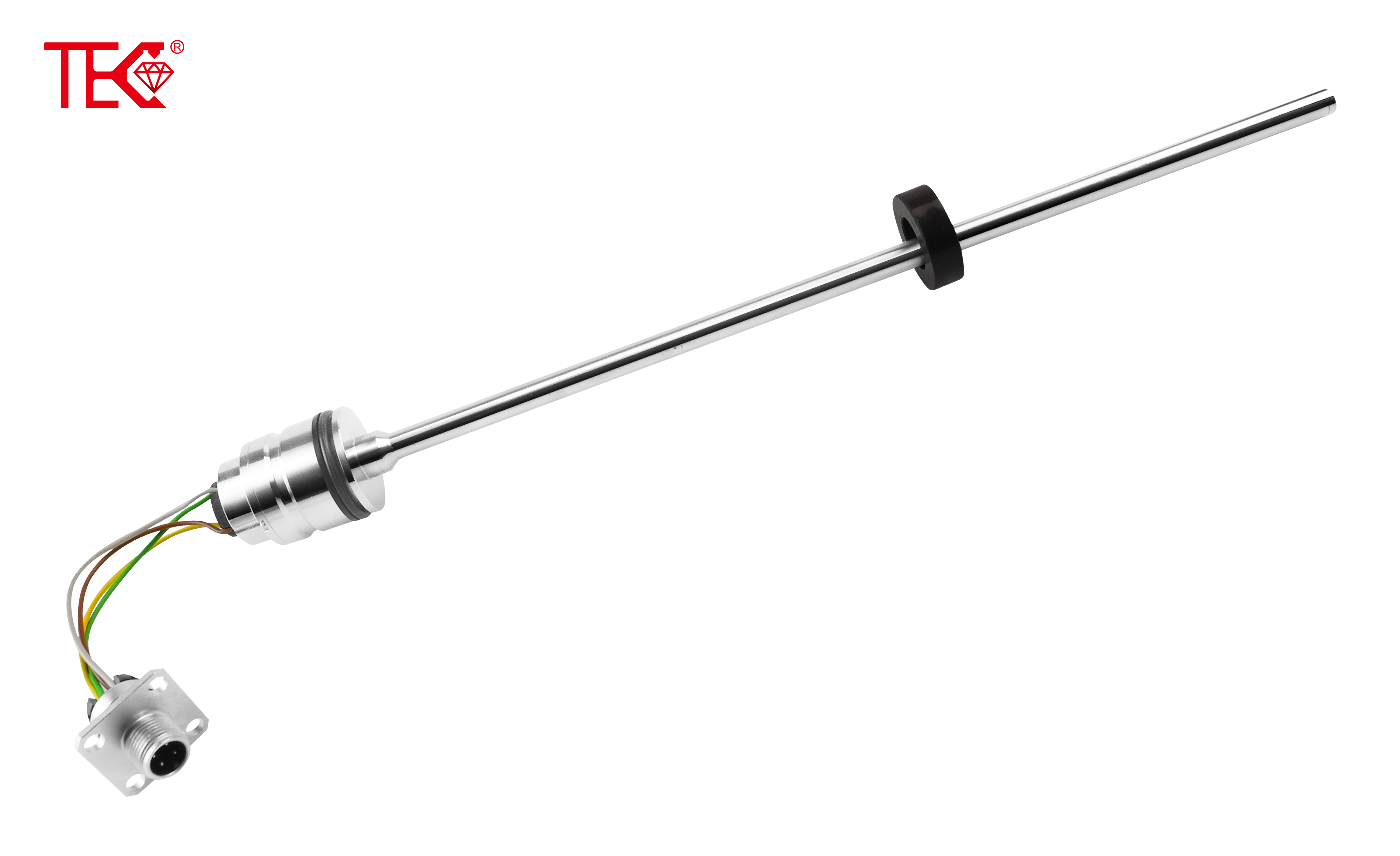 Electromagnetic Ultrasonic Thi
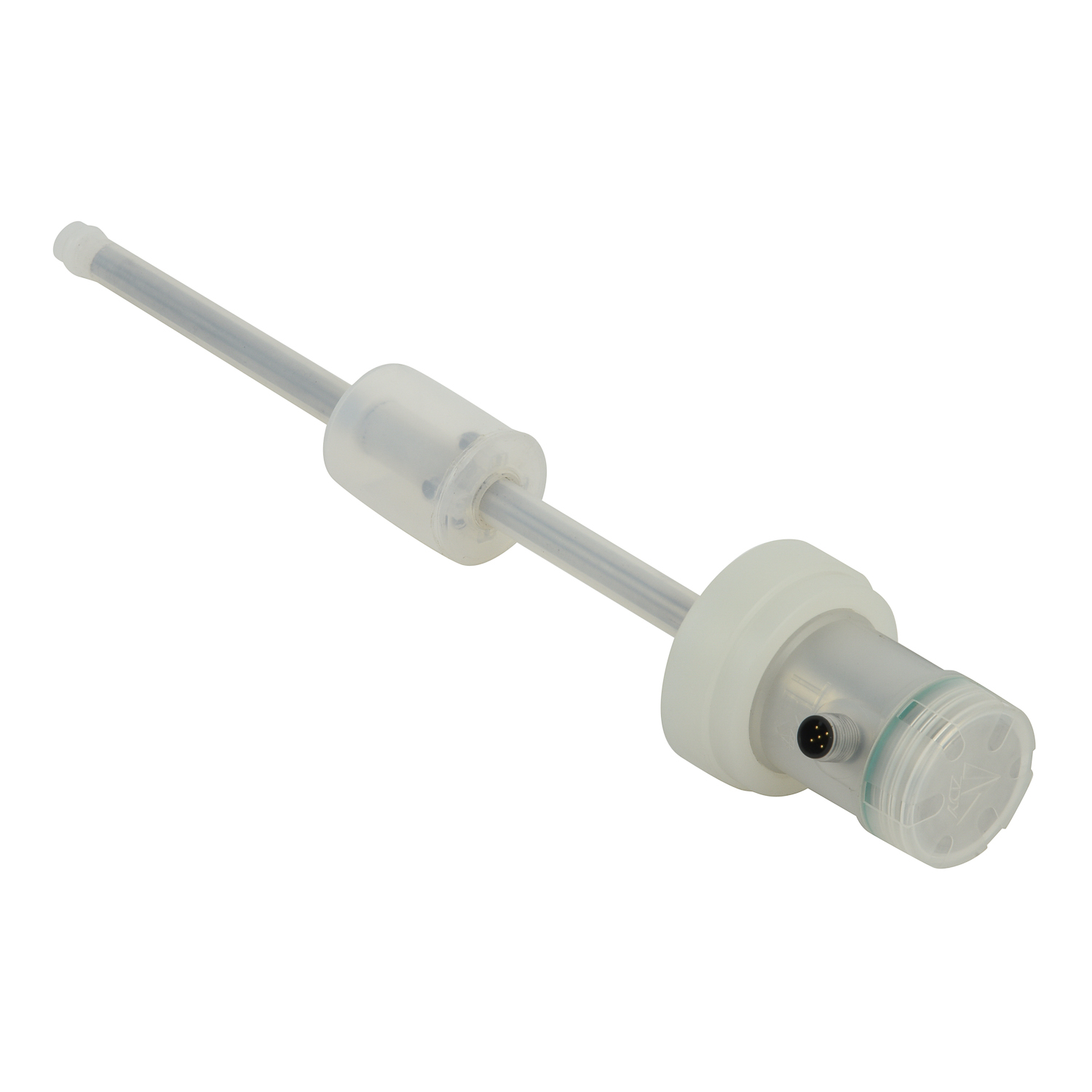 Electromagnetic Ultrasonic Thi
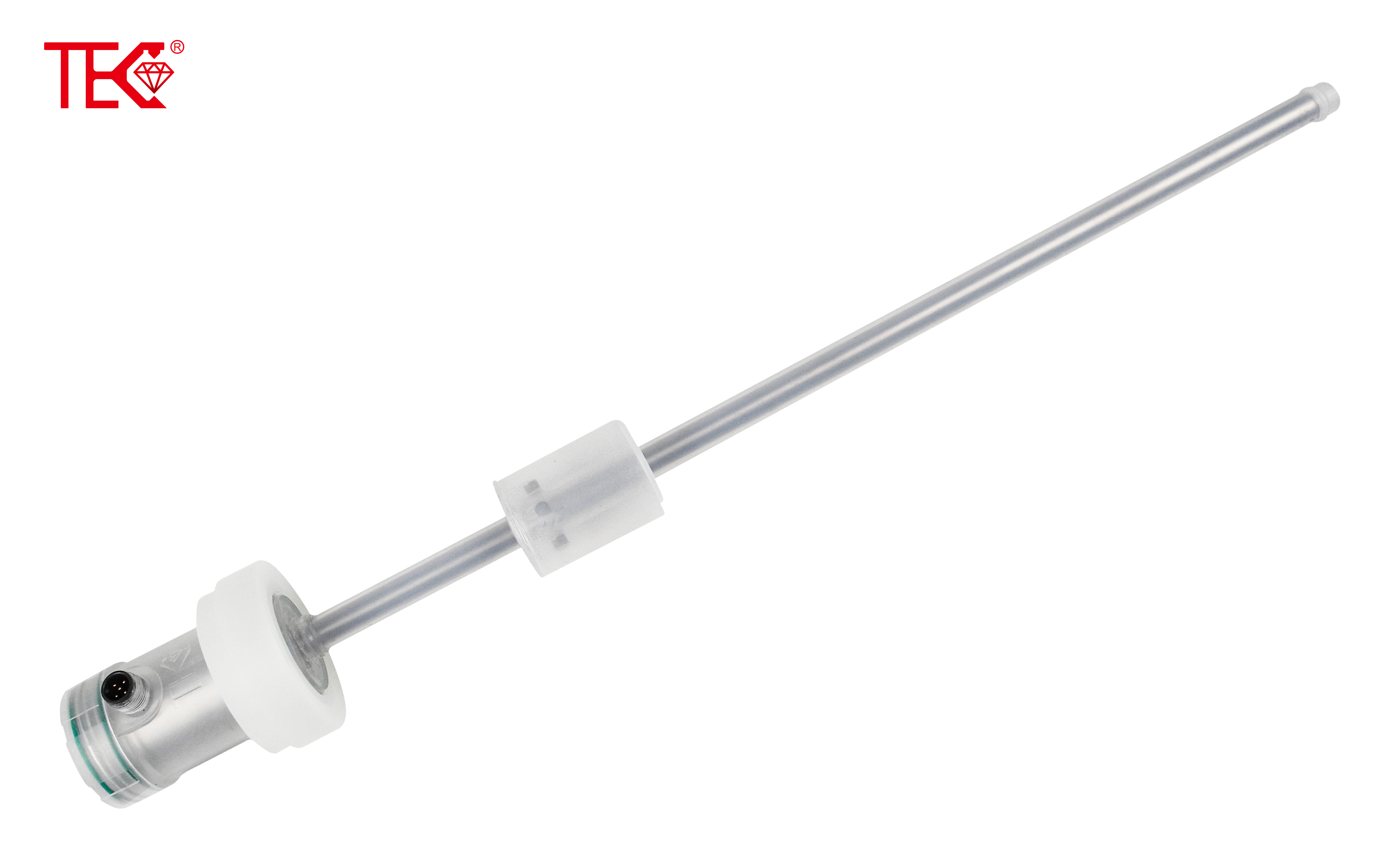 Electromagnetic Ultrasonic Thi