
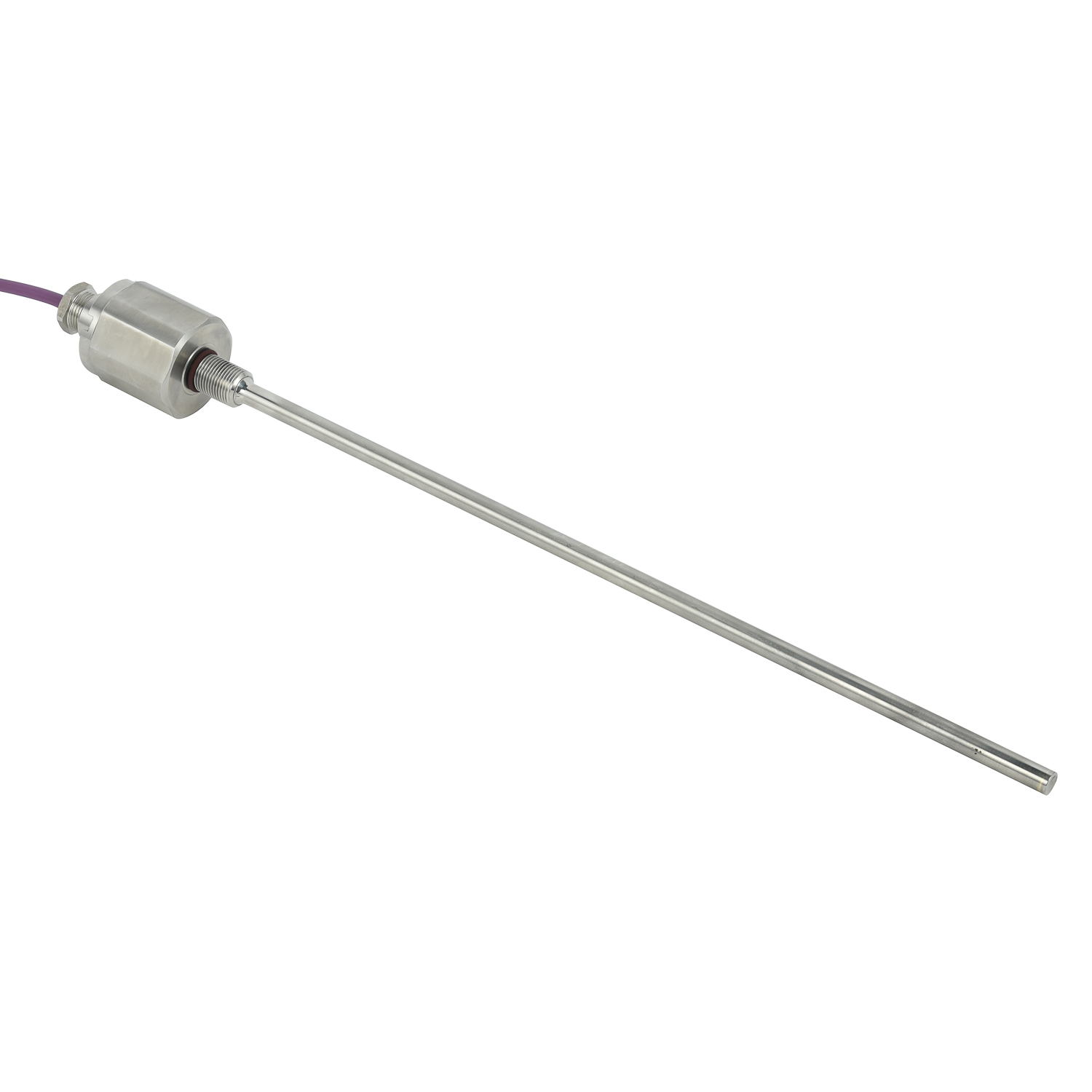
Shield Tunneling Flange-mounted Pressure Sensor
Shield tunneling depends on reliable pressure data to keep excavation stable, protect workers, and avoid surface settlement. A flange-mounted pressure sensor is designed for this demanding environment. Its flange connection allows direct installation on the bulkhead, slurry line, or hydraulic circuit, creating a sealed and rigid interface that resists vibration and accidental loosening. Because the sensing diaphragm sits close to the measured medium, the sensor provides fast response and stable readings, even in dense bentonite slurry or foam-conditioned spoil.
In EPB and slurry shield machines, accurate pressure monitoring supports chamber pressure control, tail void grouting, and hydraulic system safety. The sensor housing is typically stainless steel with IP67 or higher protection, optional flush diaphragm, and pressure ranges matched to the application. Flange mounting simplifies replacement without disturbing pipework, while standardized signals such as 4-20 mA or RS485 enable integration with PLC and SCADA systems. Regular calibration and inspection of the sealing surface help maintain long-term accuracy.
For reliable operation, engineers should confirm the flange standard, pressure range, overload capacity, and diaphragm material before installation. Proper torque, clean sealing faces, and cable protection prevent leaks and signal faults. During tunneling, real-time data helps operators react to pressure changes, minimize settlement risk, and extend sensor service life.
 Chemical Pipeline Electromagne
 Port Corrosion-resistant Elect
 Power Plant Waterproof Electro
 Chemical Industry High-pressur