
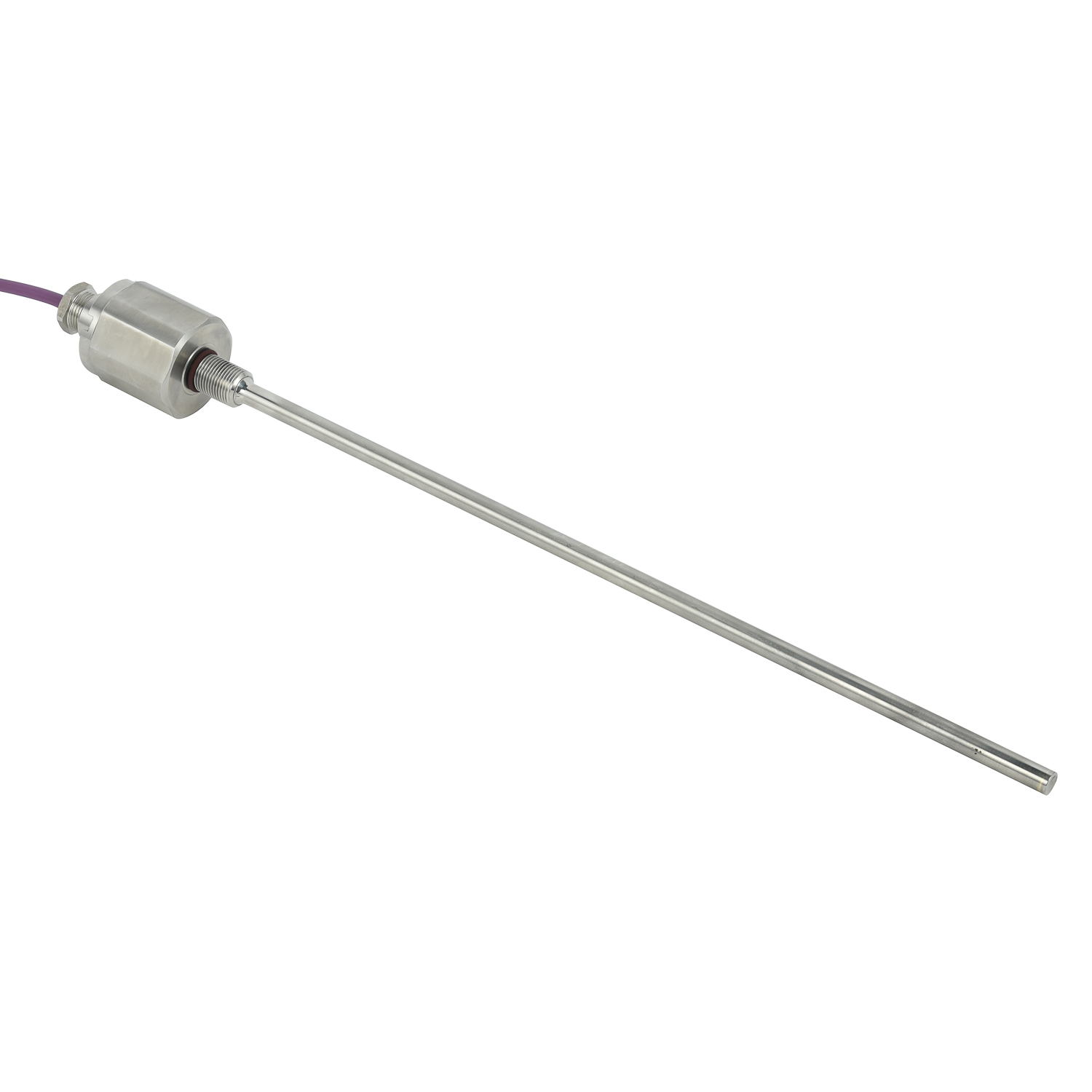
Injection Molding Machine High-temperature Pressure Sensor
High-temperature pressure sensors are vital for reliable plastic injection molding. Installed at the nozzle, hot runner manifold, or mold cavity, they measure melt pressure in real time under severe heat, vibration, and cyclic loading. Accurate pressure data helps operators balance filling, packing, and holding stages, reducing short shots, flash, warpage, and dimensional variation. Modern sensors use piezoelectric, strain-gauge, or capacitive sensing elements with heat-resistant housings, cooling adapters, and isolation diaphragms. Important specifications include pressure range, maximum melt temperature, accuracy, response time, repeatability, and corrosion resistance. Proper mounting, sealing, cooling, and signal conditioning improve measurement stability and extend service life. Regular calibration, zero checks, and leak inspection prevent drift, signal noise, and unexpected downtime. When high-temperature pressure sensors are integrated with machine controllers and data systems, manufacturers gain better process repeatability, faster setup, lower scrap rates, and higher product quality. They also support traceability and predictive maintenance in demanding injection molding environments. For best results, choose a sensor rated above the actual process temperature and pressure peaks, and verify the diaphragm material against the polymer. Use shielded cables, grounded connectors, and a stable power supply to avoid electrical interference. Mount the sensor flush with the melt channel to prevent dead spots and material degradation. Keep cooling channels clean and monitor sensor output during startup. In high-speed molding, fast response and low drift are especially important. With the right high-temperature pressure sensor, molders can optimize cycle times, protect equipment, and maintain consistent part quality.
 Chemical Pipeline Electromagne
 Port Corrosion-resistant Elect
 Power Plant Waterproof Electro
 Chemical Industry High-pressur