
Mixing Station Material Tank Pressure Sensor
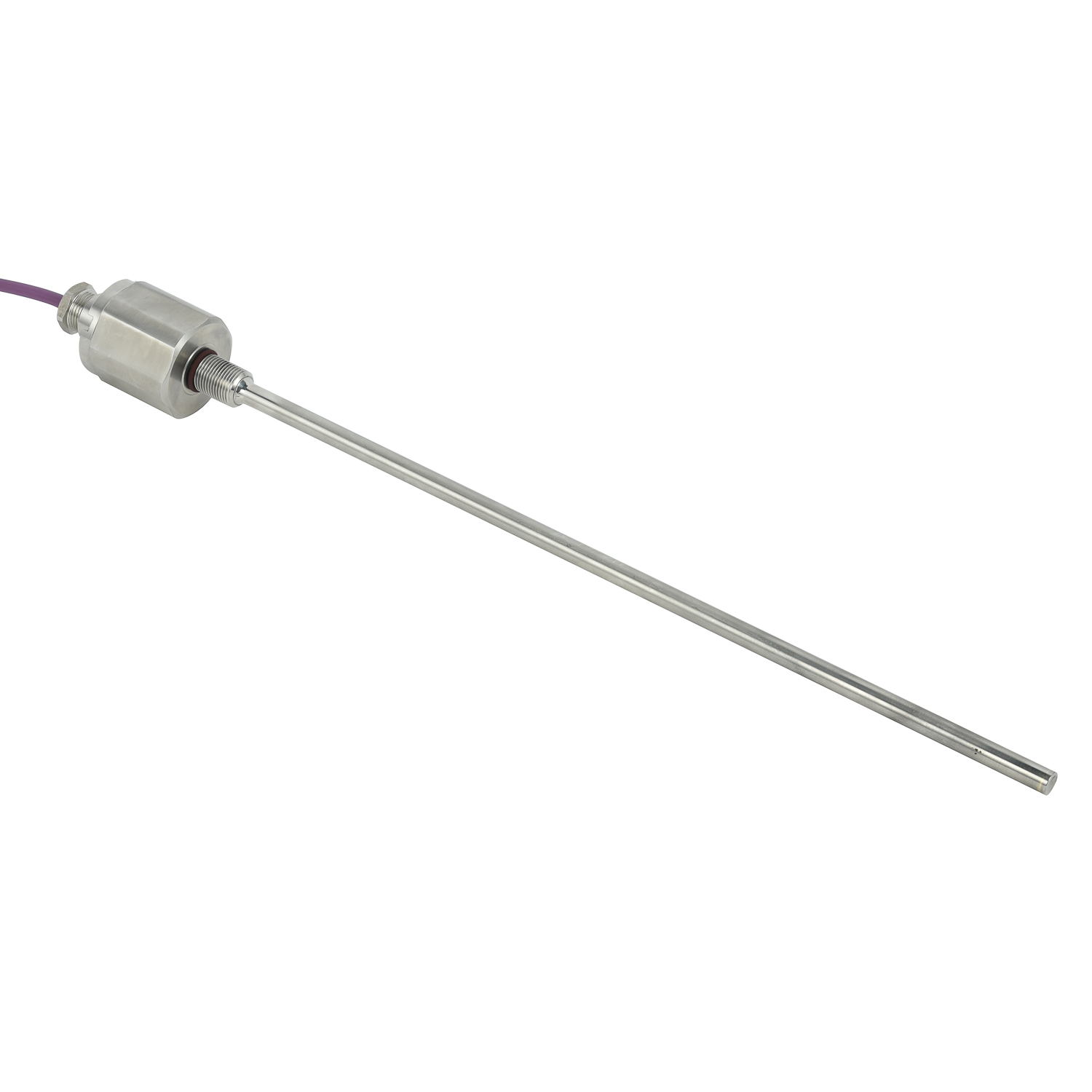
A mixing station material tank pressure sensor is a critical component for safe and stable production. It monitors internal pressure in powder, liquid, or slurry tanks and sends real-time signals to the control system. Accurate readings help operators prevent overpressure, detect blocked filters, and confirm that pneumatic conveying or pumping is working correctly. In mixing stations, even small pressure changes can affect material flow, dosing accuracy, and batch consistency. A well-selected sensor should match the tank's pressure range, temperature, and material compatibility. Stainless steel wetted parts resist corrosion, while sealed housings protect against dust and washdown. For viscous or abrasive materials, diaphragm seals or flush-mounted designs reduce clogging and simplify cleaning. Stable output signals, such as 4–20 mA or digital communication, ensure reliable integration with PLCs and HMIs. Users should also consider response speed, overload protection, and easy calibration when choosing a model. Routine maintenance is essential. Inspect fittings for leaks, clean sensing surfaces, verify zero and span, and check cable seals. Alarm thresholds and calibration records should be reviewed regularly. With proper installation and maintenance, a material tank pressure sensor improves safety, reduces material waste, and supports consistent mixing quality. It also helps identify process faults early, minimizing downtime and protecting equipment. By selecting the right sensor and maintaining it carefully, mixing stations can achieve more reliable pressure control and better overall production efficiency.
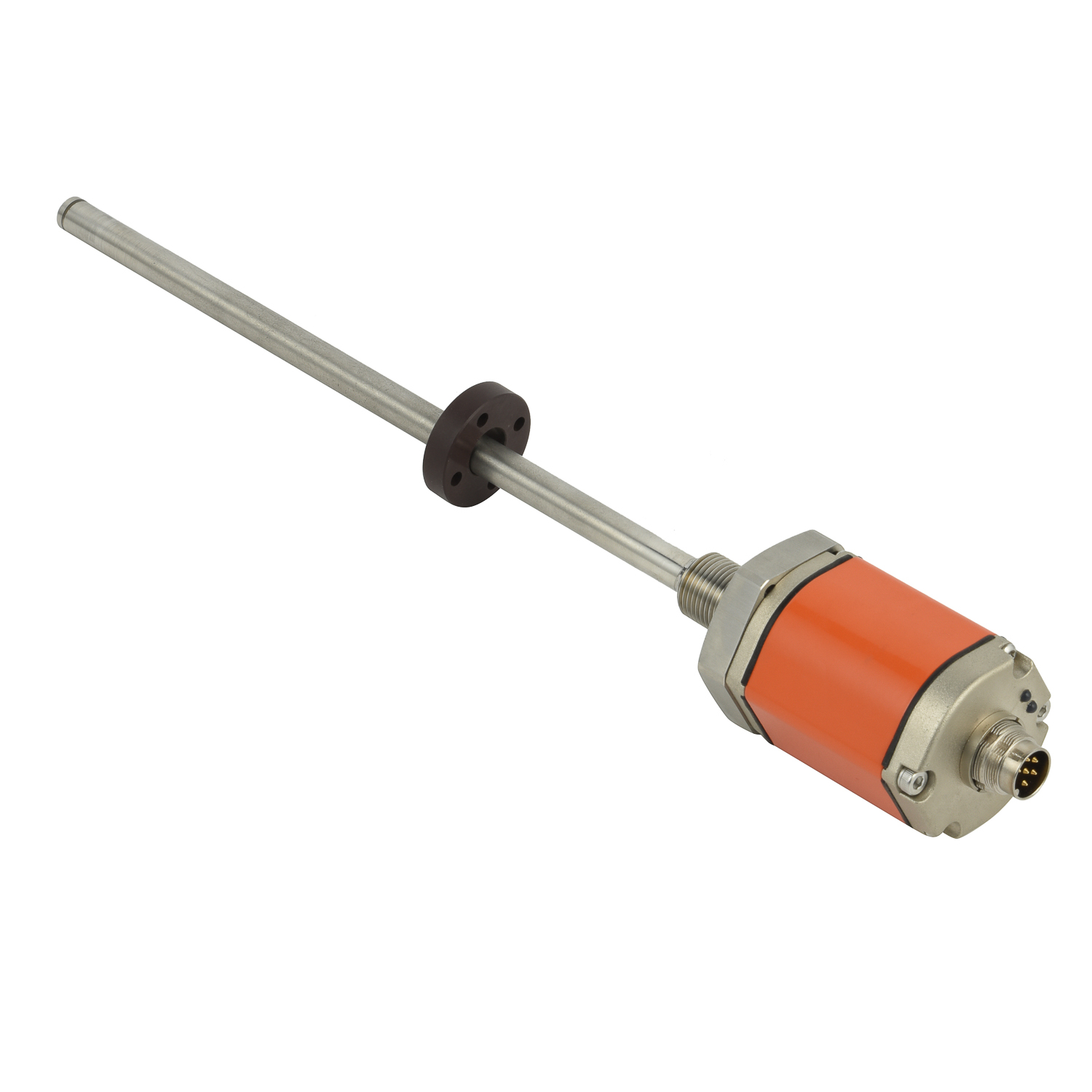
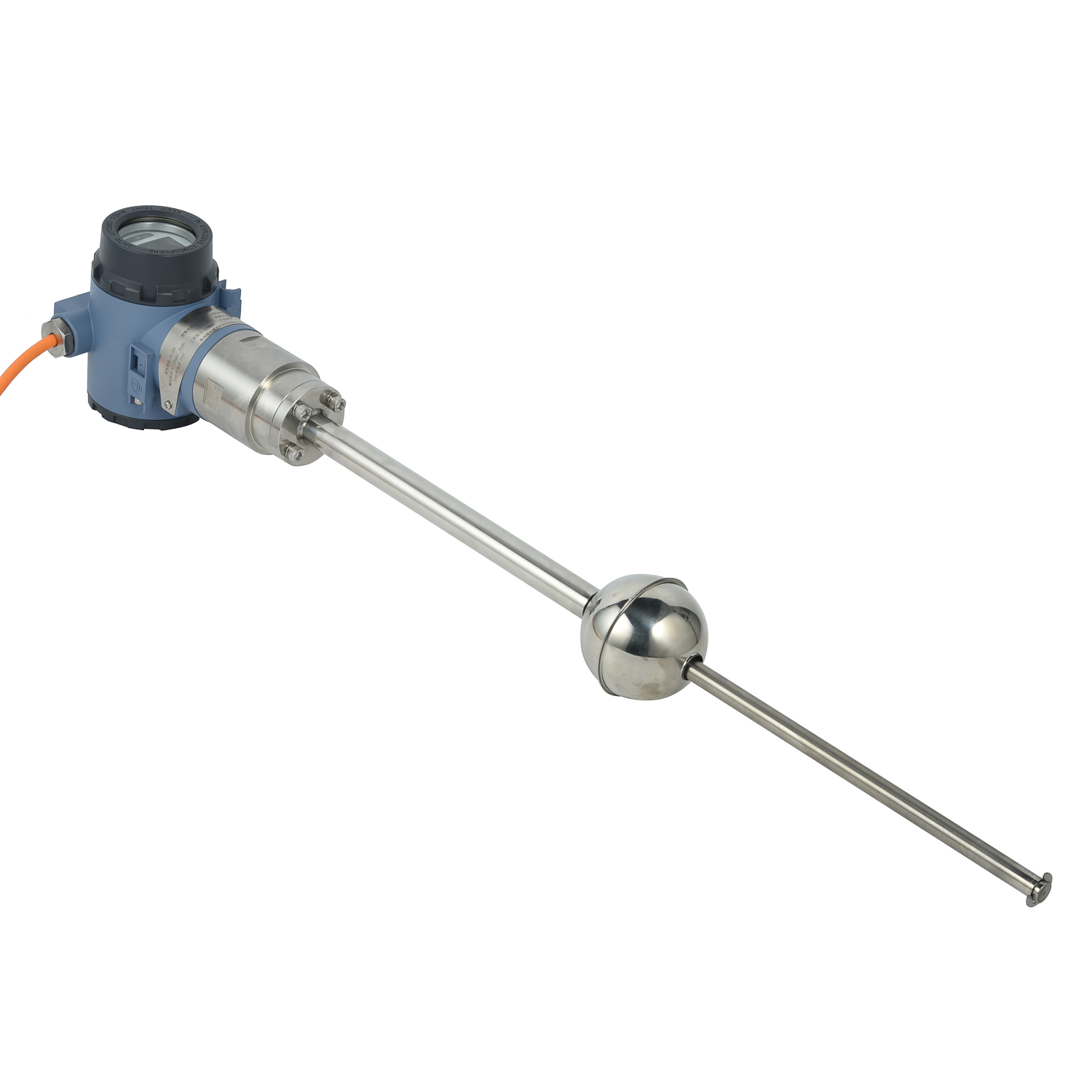 Chemical Pipeline Electromagne
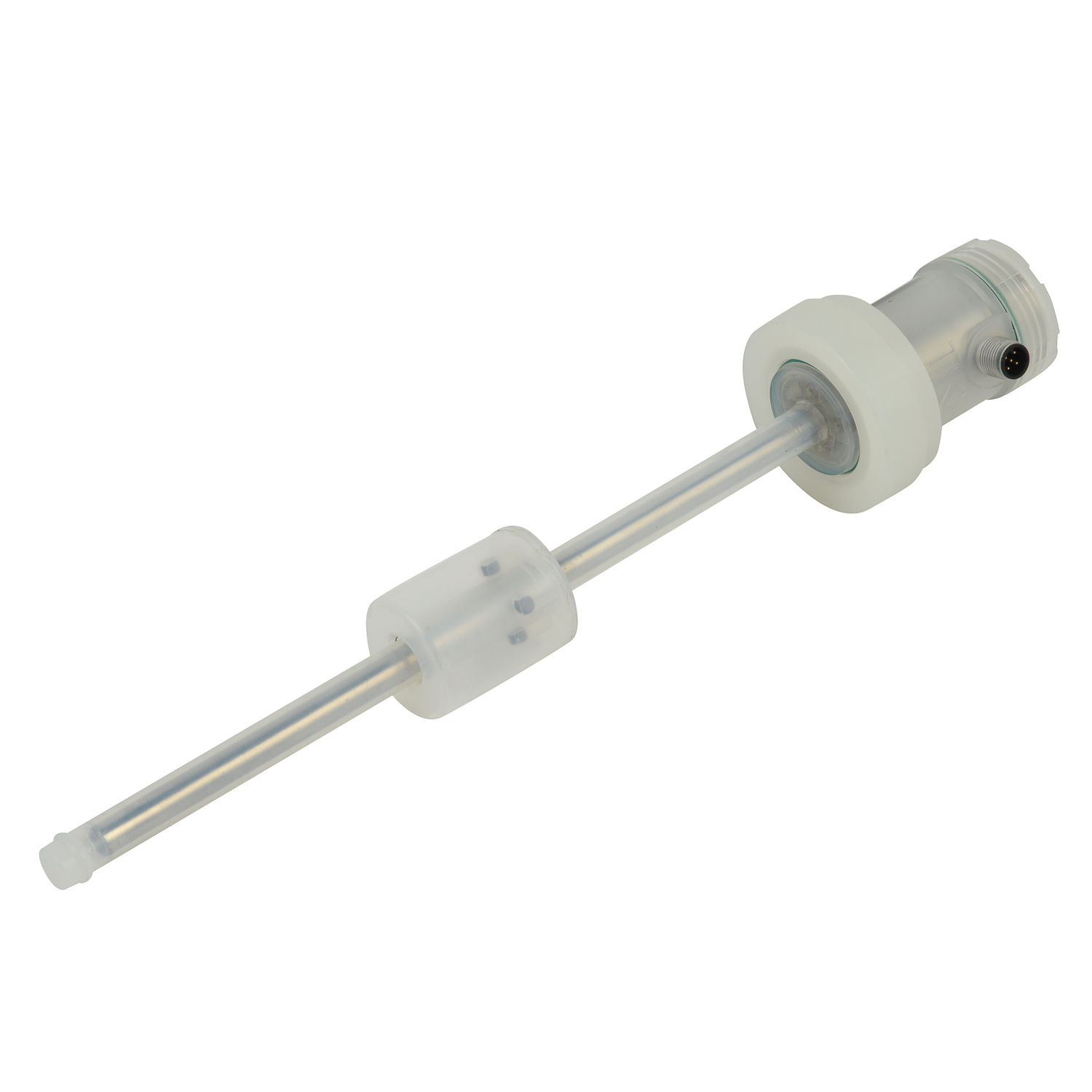 Port Corrosion-resistant Elect
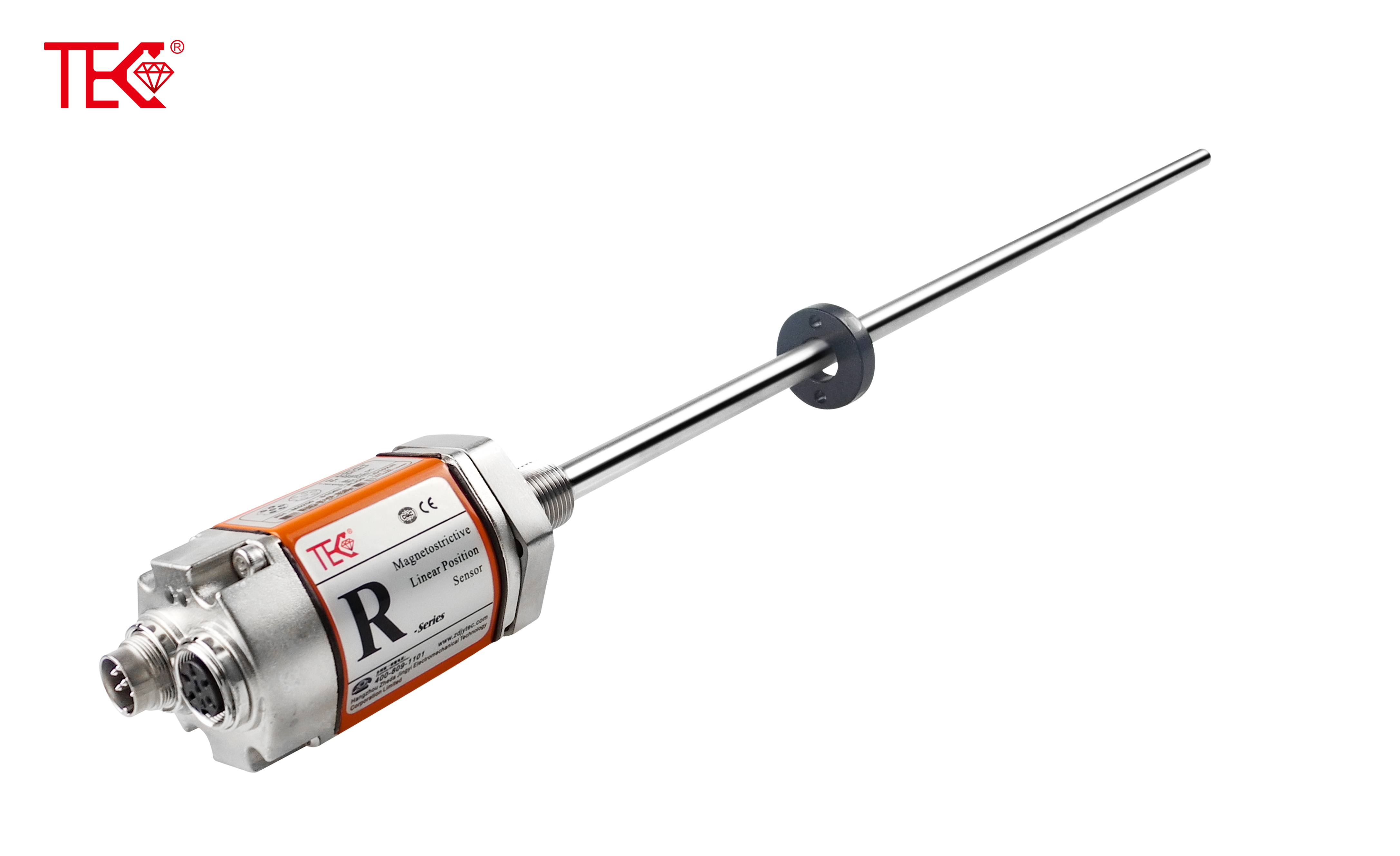 Power Plant Waterproof Electro
 Chemical Industry High-pressur