
Intrinsically Safe Explosion-proof Crane and Trolley Positioning Selection
Selecting positioning for an intrinsically safe explosion-proof crane and trolley starts with the hazardous area classification. Confirm the zone, gas or dust group, and temperature class before choosing sensors, encoders, laser units, RFID tags, or limit switches. The positioning device must match the approved protection concept, such as Ex i, Ex d, or Ex e, and be certified for the crane's operating environment. Define required accuracy, travel speed, load sway, and repeatability; a trolley positioning system that is too precise can add cost, while a slow system may reduce throughput. Use intrinsically safe barriers and isolated power where required, and keep wiring, grounding, and bonding compliant. Evaluate dust, moisture, vibration, shock, and ambient temperature because these affect sensor life and drift. For maintenance, choose accessible components, clear diagnostics, and spare parts with valid ATEX/IECEx certificates. Integrate the positioning data with the crane control system through approved interfaces, and test fail-safe behavior, zone limits, and emergency stopping. Document the risk assessment and verify manufacturer declarations; avoid mixing certified and uncertified parts. During commissioning, validate repeatability under load and confirm safe stop positions. A good selection balances safety certification, positioning performance, durability, and lifecycle cost for reliable explosion-proof crane and trolley operation.

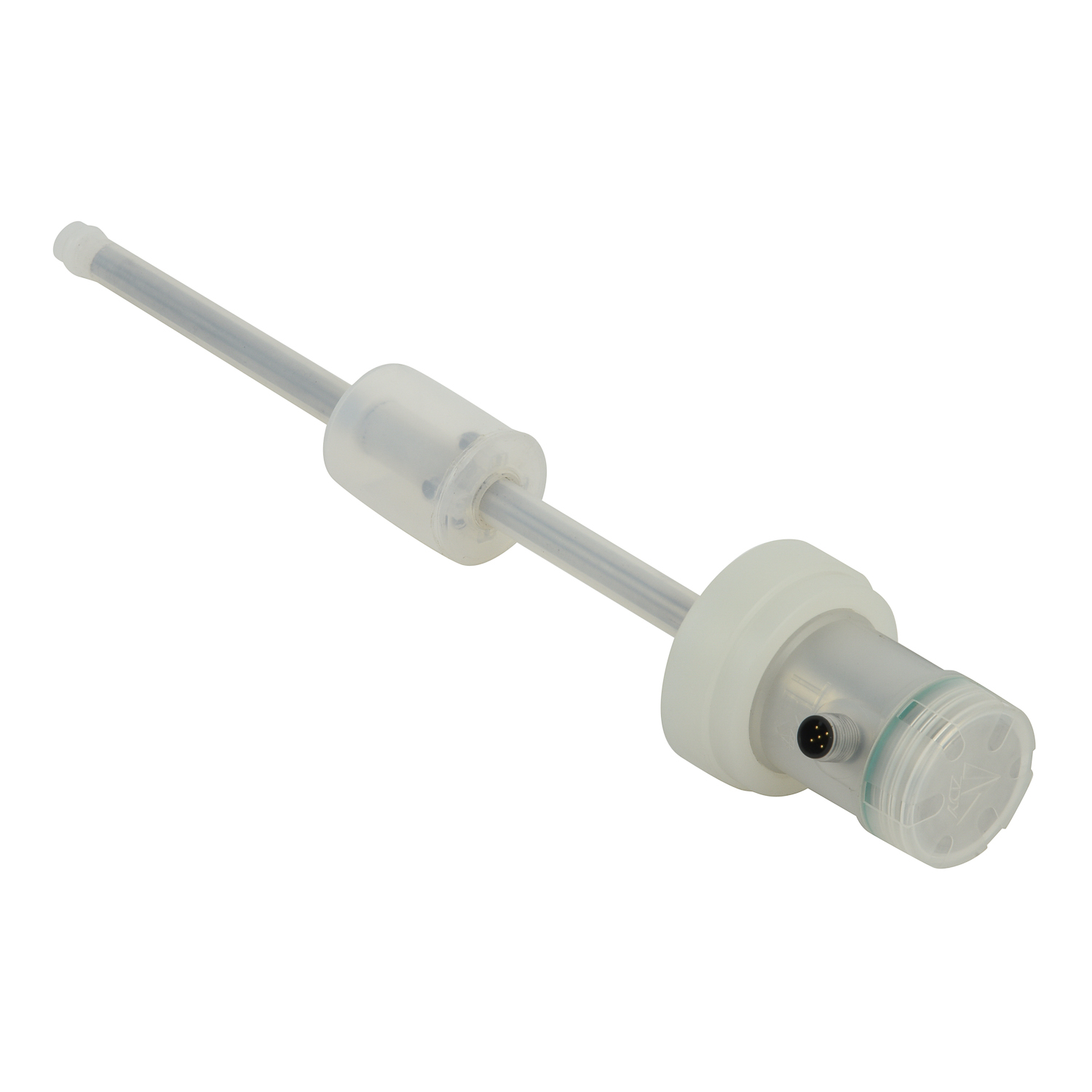 Radar Sensor for Material Tank
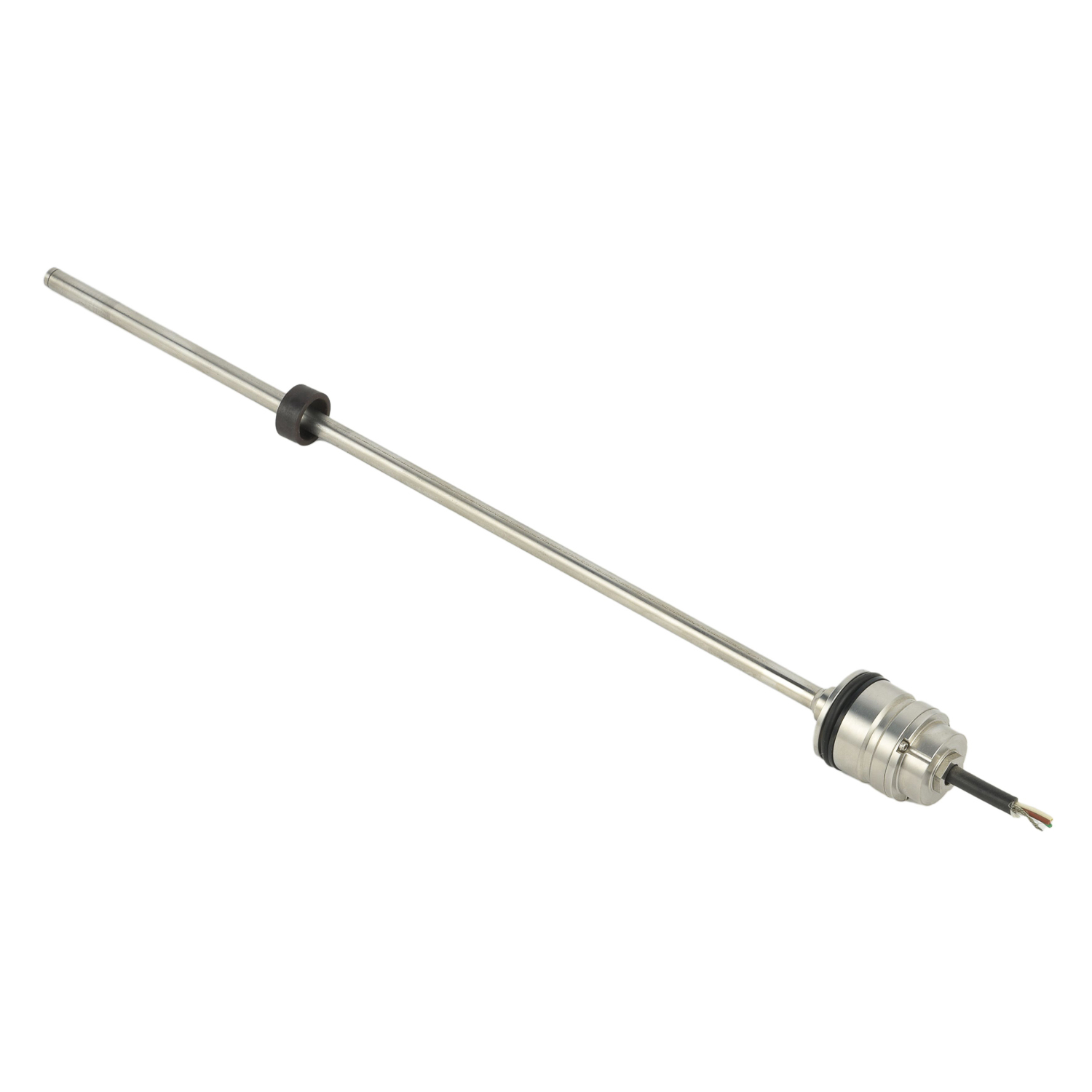 Radar Sensor for Grain and Oil
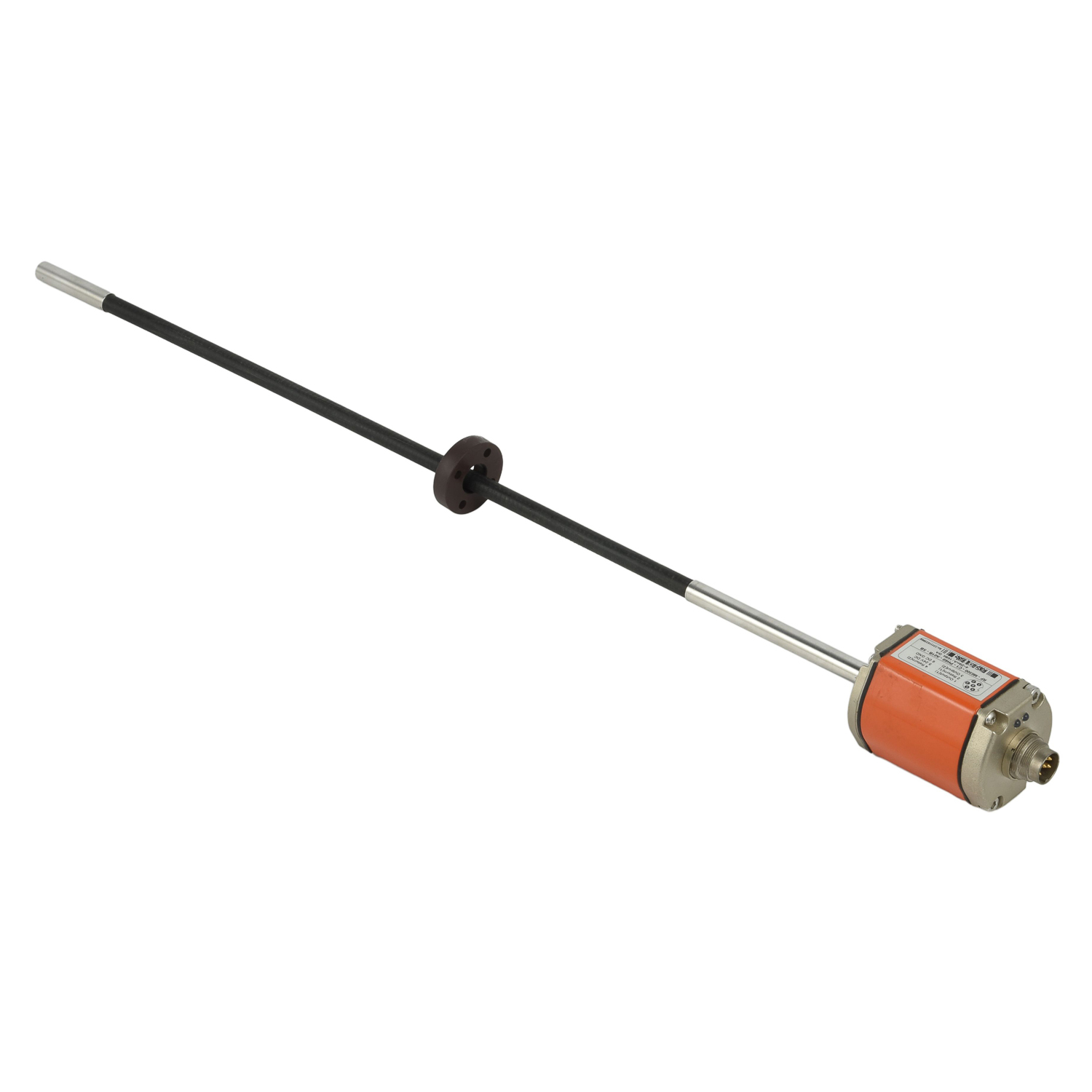 Radar Sensor for Mixing Statio
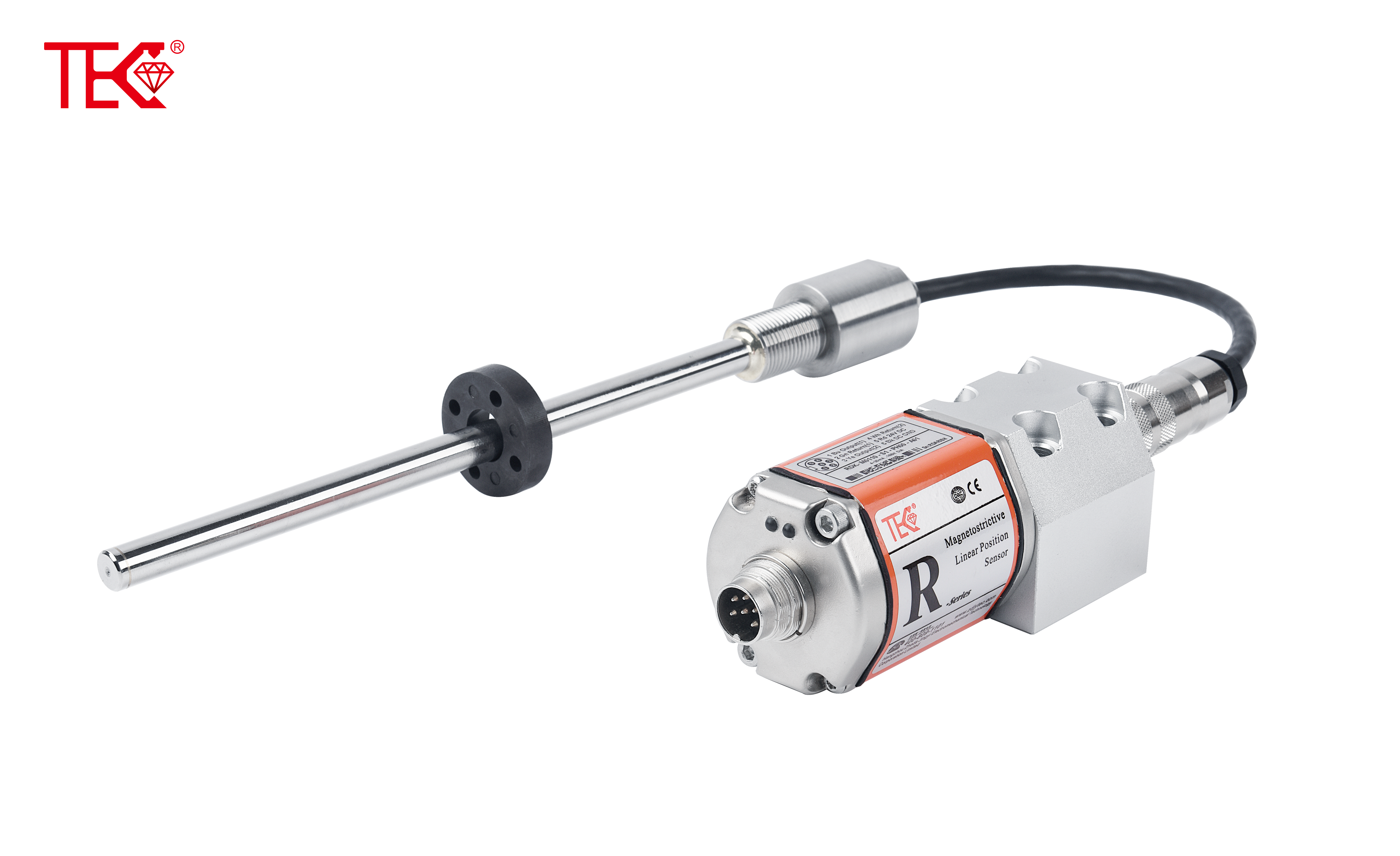 Radar Sensor for Shield Tunnel