
Crane and Trolley Positioning for Bridge Crane
Accurate crane and trolley positioning is essential for safe, efficient bridge crane operation. In automated or semi-automated bays, the crane must stop at exact pick-and-place points while the trolley moves smoothly across the bridge. Poor positioning can cause load sway, collision risk, wasted cycle time, and damage to equipment. A reliable system combines absolute encoders, laser distance sensors, limit switches, and PLC logic to calculate real-time bridge and trolley coordinates. Encoders mounted on travel wheels or rails provide continuous feedback, while laser sensors verify final approach positions for high-precision tasks. Anti-sway control uses motion profiles and feedback to reduce oscillation before the hook reaches the target. For demanding environments, barcode or RFID tags along the runway can correct accumulated error and support zone-based speed control. Regular calibration, rail condition checks, and robust communication between crane and ground controls are also important. When crane and trolley positioning is designed as one integrated control function, bridge cranes achieve repeatable stops, shorter handling cycles, and safer automatic operation. A well-tuned positioning system should include clear target coordinates, repeatability tests, emergency stop checks, and operator visibility. Data logging helps maintenance teams identify drift, wear, or sensor faults before they affect production. By matching sensor resolution to the required stopping tolerance, bridge cranes can balance cost, speed, and accuracy.
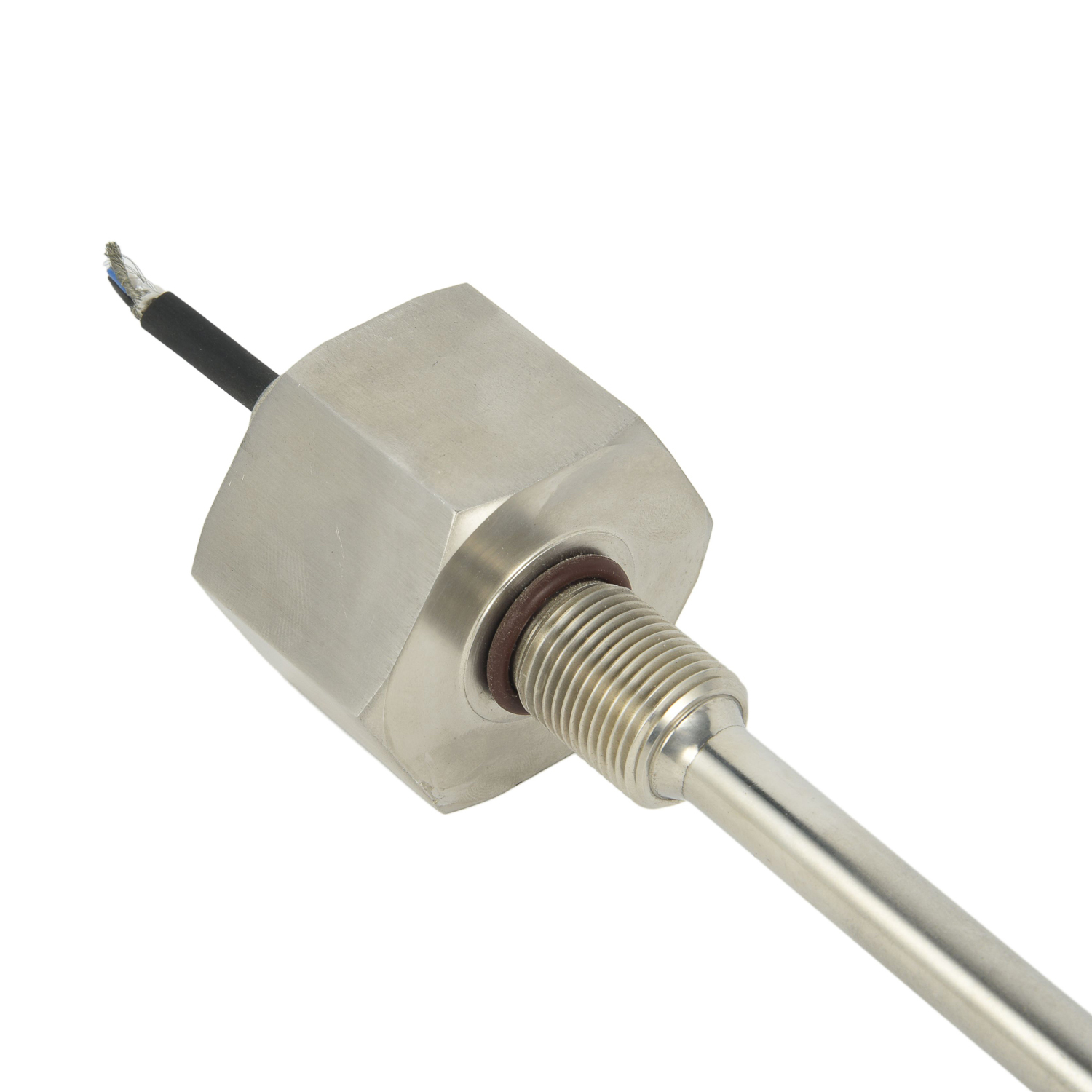
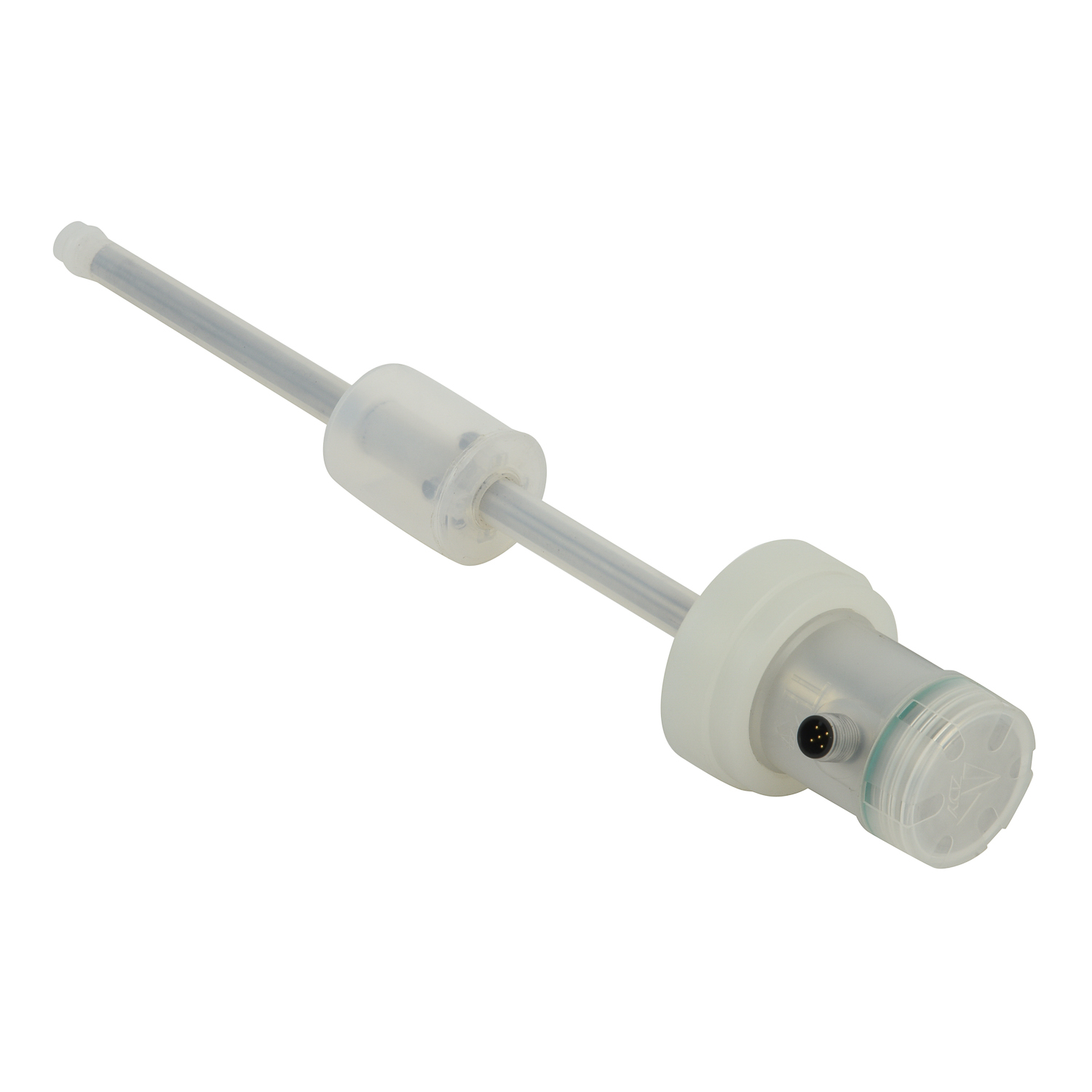 Radar Sensor for Material Tank
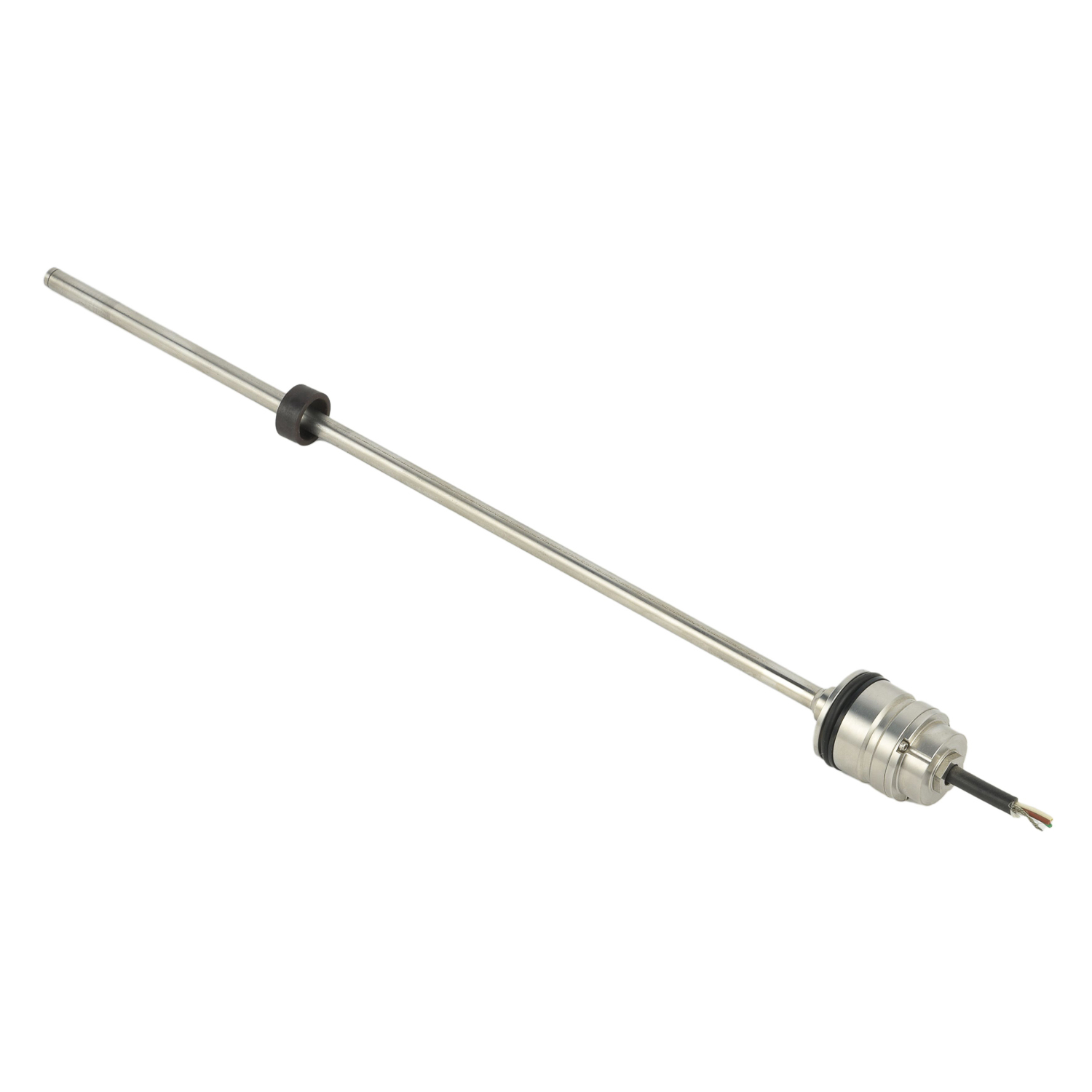 Radar Sensor for Grain and Oil
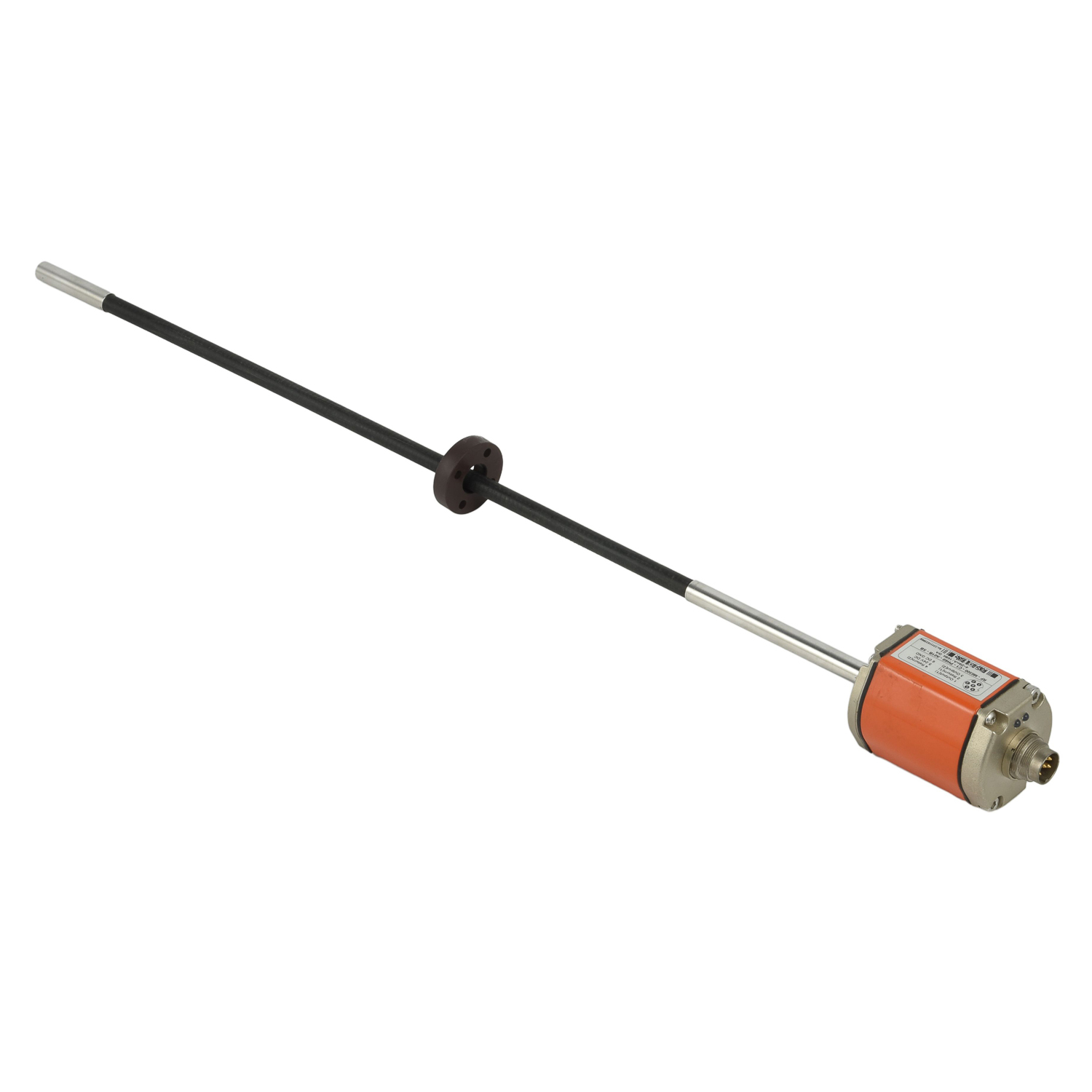 Radar Sensor for Mixing Statio
 Radar Sensor for Shield Tunnel