
Troubleshooting Common Issues with Magnetostrictive Displacement Sensors
Troubleshooting Common Issues with Magnetostrictive Displacement Sensors
Magnetostrictive displacement sensors, known for their high precision and durability, are widely used in various industrial applications. However, like any other equipment, they may encounter issues that require troubleshooting. Here are some common issues and their corresponding solutions.
Issue 1: Inaccurate Measurements
If the sensor is providing inaccurate measurements, it could be due to dirt or debris accumulation on the sensor's surface. To resolve this, clean the sensor thoroughly using a lint-free cloth and appropriate cleaning agents. Ensure the sensor is dry before reinstallation.
Issue 2: Unstable Signals
Unstable signals could indicate a problem with the wiring or connectors. Check for loose or damaged cables and connectors, and replace them if necessary. Additionally, ensure that the cables are securely connected and that no external factors, such as interference or mechanical vibrations, are affecting the sensor's readings.
Issue 3: Sensor Failure
In case of sensor failure, the first step is to check the power supply. Ensure that the sensor is receiving the correct voltage and current. If the power supply is fine, the sensor may need to be replaced. It's important to note that sensors have a limited lifespan and should be replaced periodically to maintain accuracy.
Issue 4: Calibration Issues
Calibration issues can lead to incorrect readings. Regular calibration is crucial to ensure the sensor's accuracy. If the sensor is not calibrated properly, follow the manufacturer's instructions for recalibration. This usually involves comparing the sensor's readings with a known reference value.
Conclusion
Troubleshooting common issues with magnetostrictive displacement sensors involves a combination of thorough inspections, cleaning, and calibration. By following these steps, you can ensure that your sensor continues to provide accurate and reliable measurements, crucial for the smooth operation of your industrial processes. Remember, regular maintenance and timely replacements are key to maximizing the lifespan and performance of your sensors.
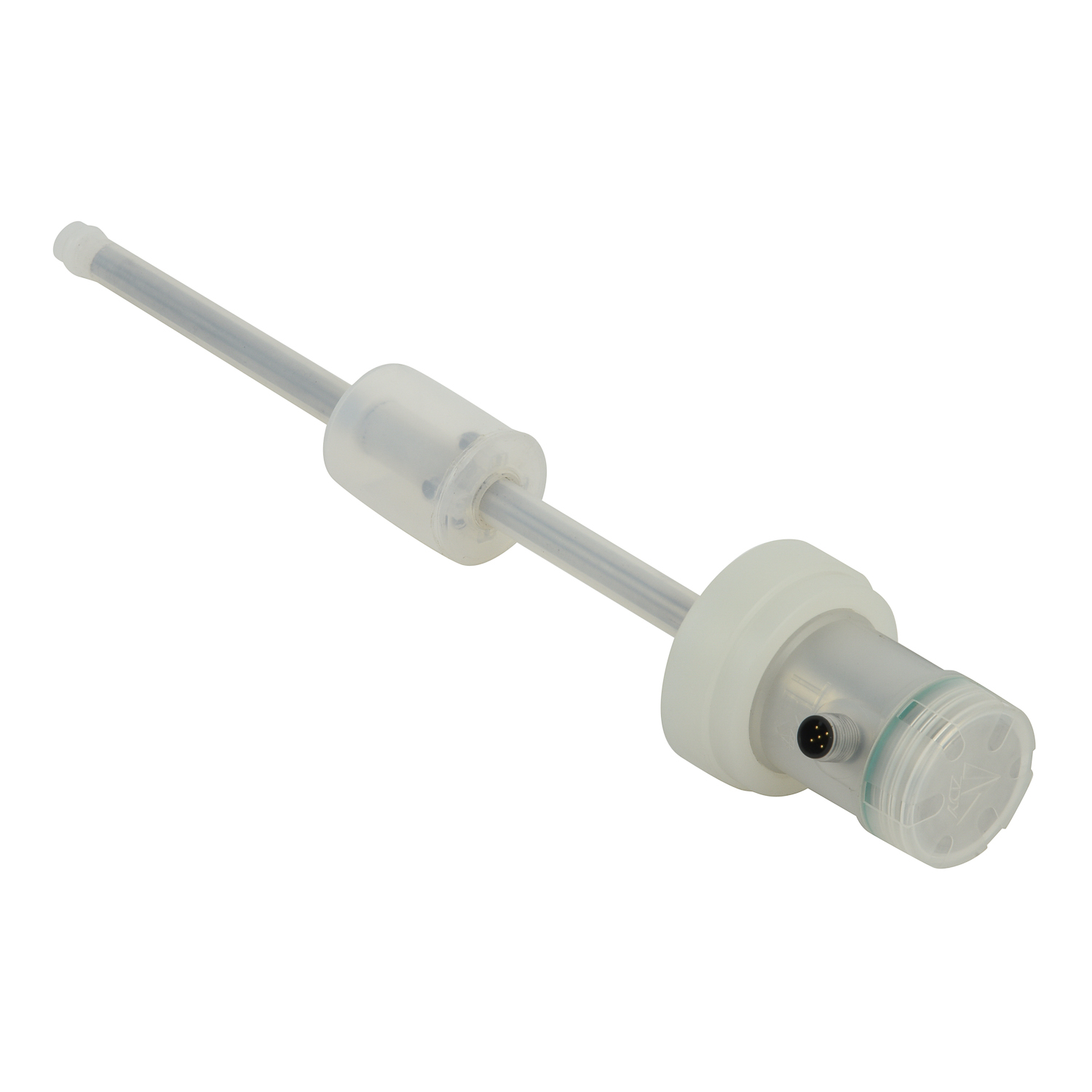 Radar Sensor for Material Tank
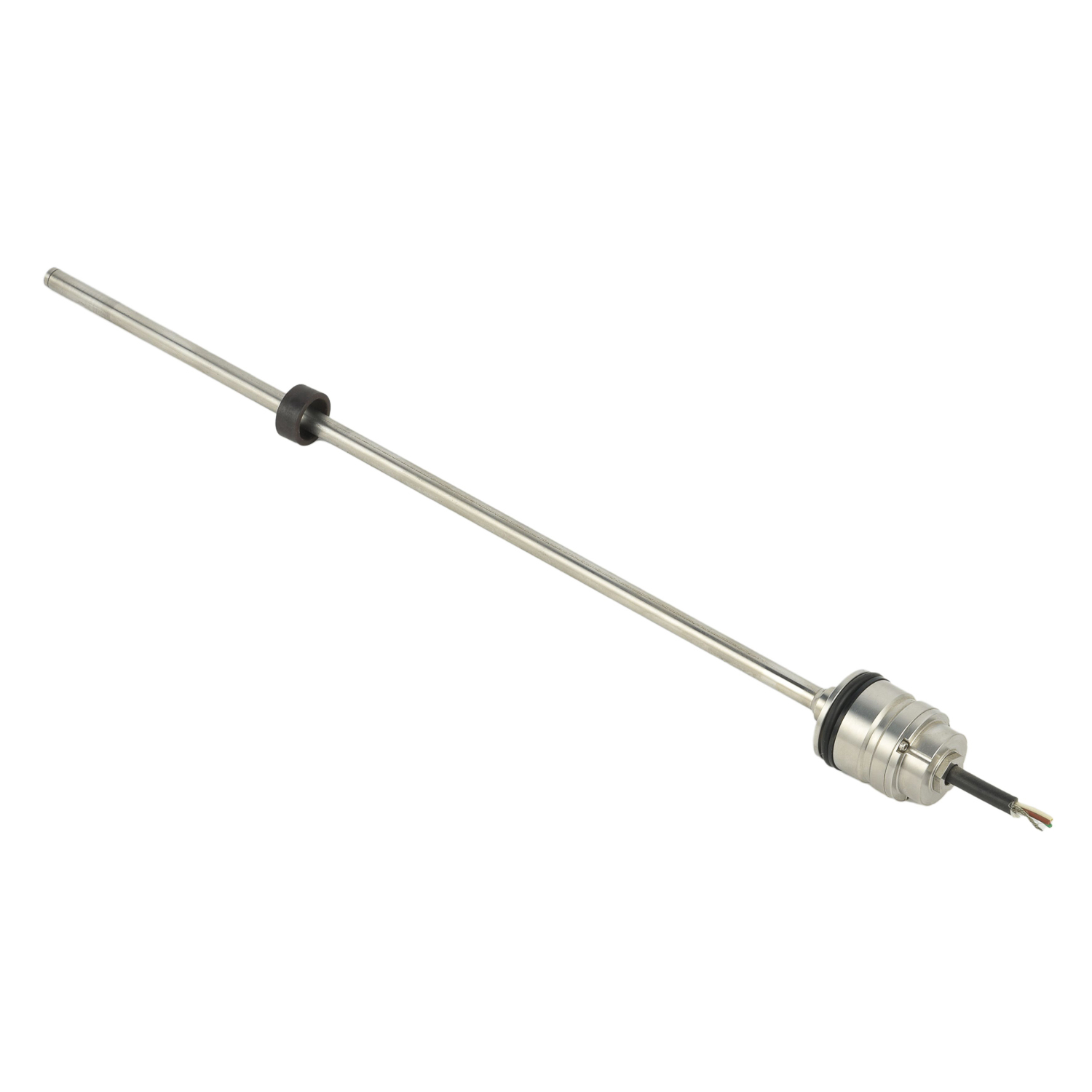 Radar Sensor for Grain and Oil
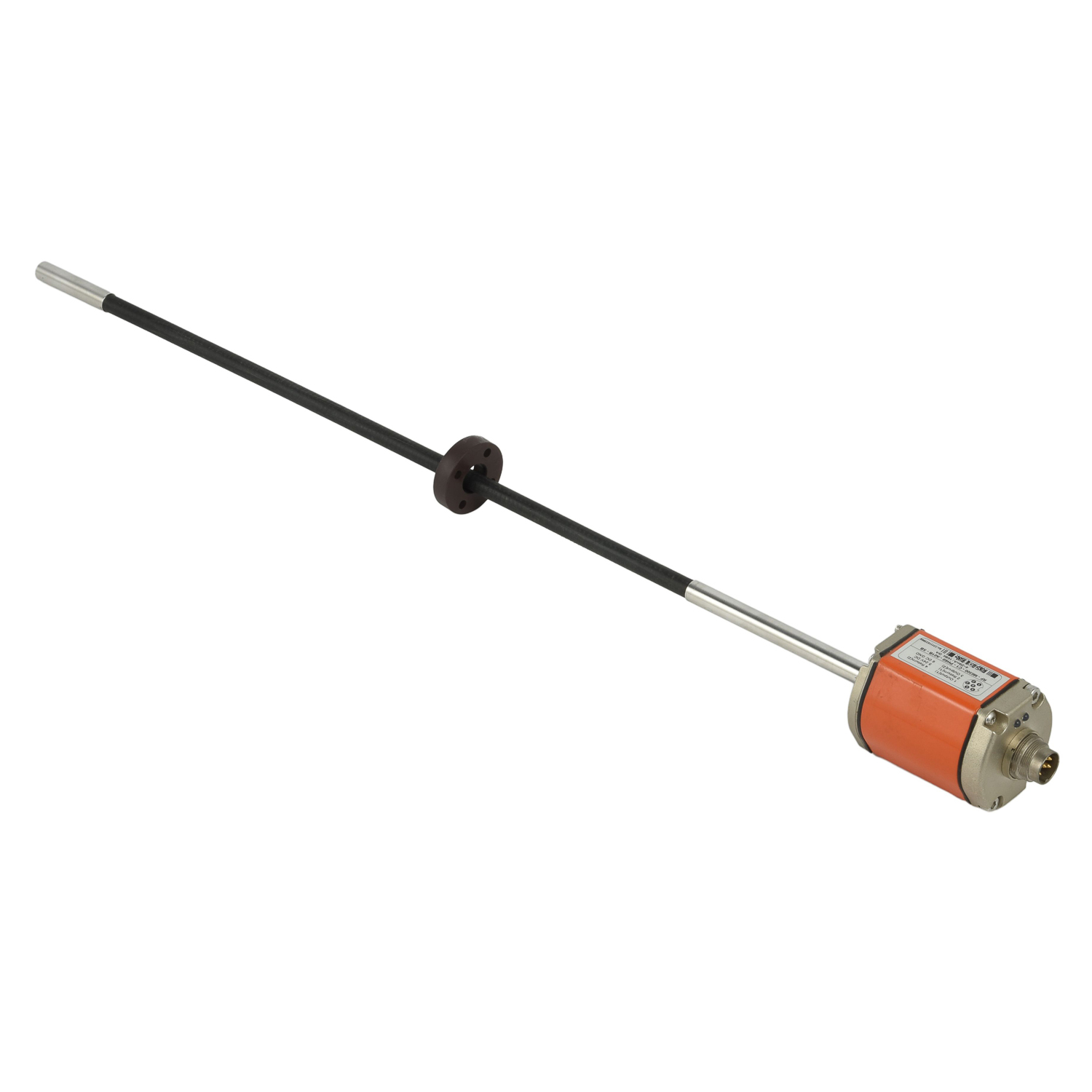 Radar Sensor for Mixing Statio
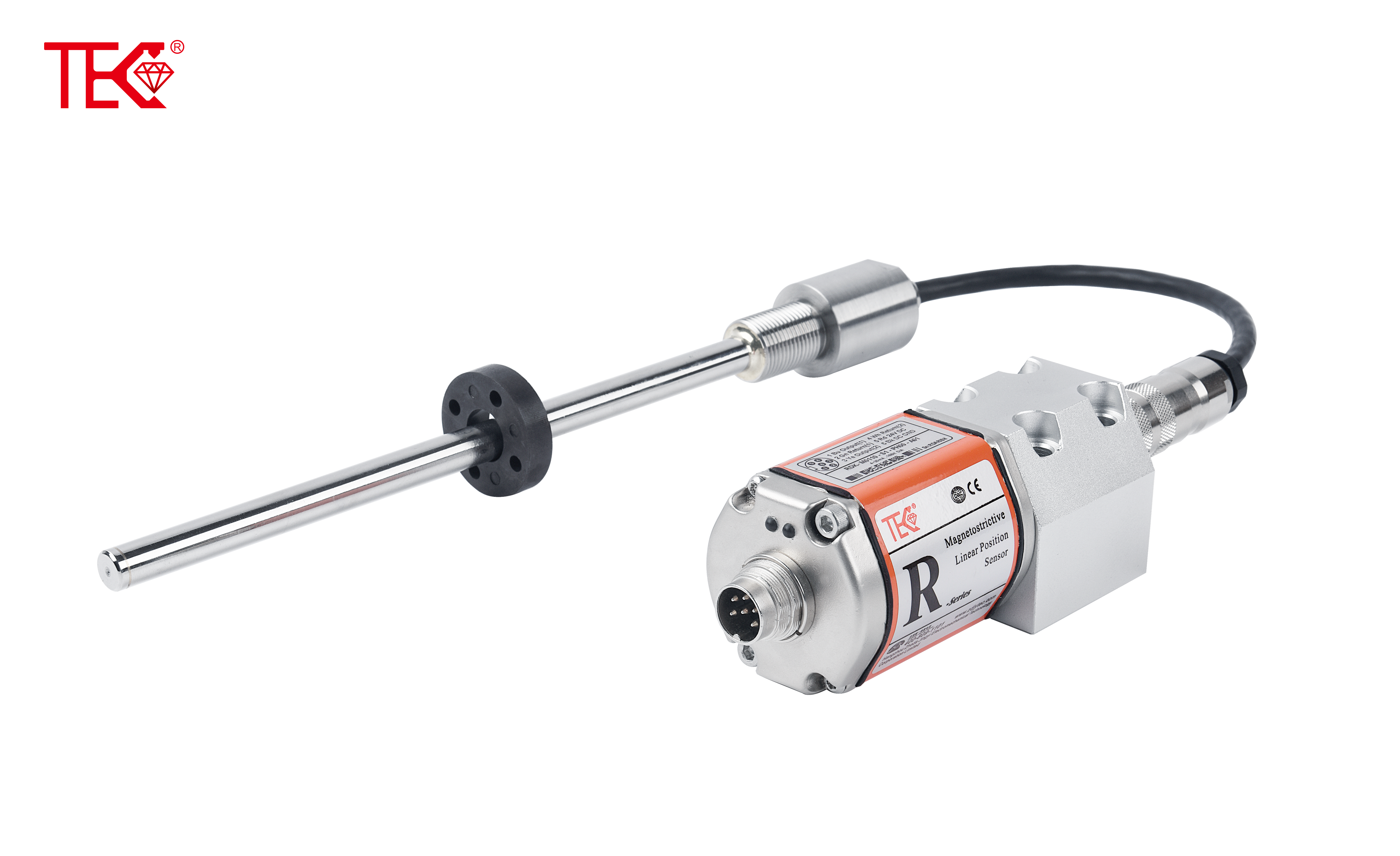 Radar Sensor for Shield Tunnel