
Corrosion-resistant Magnetostrictive Level Gauge Fault
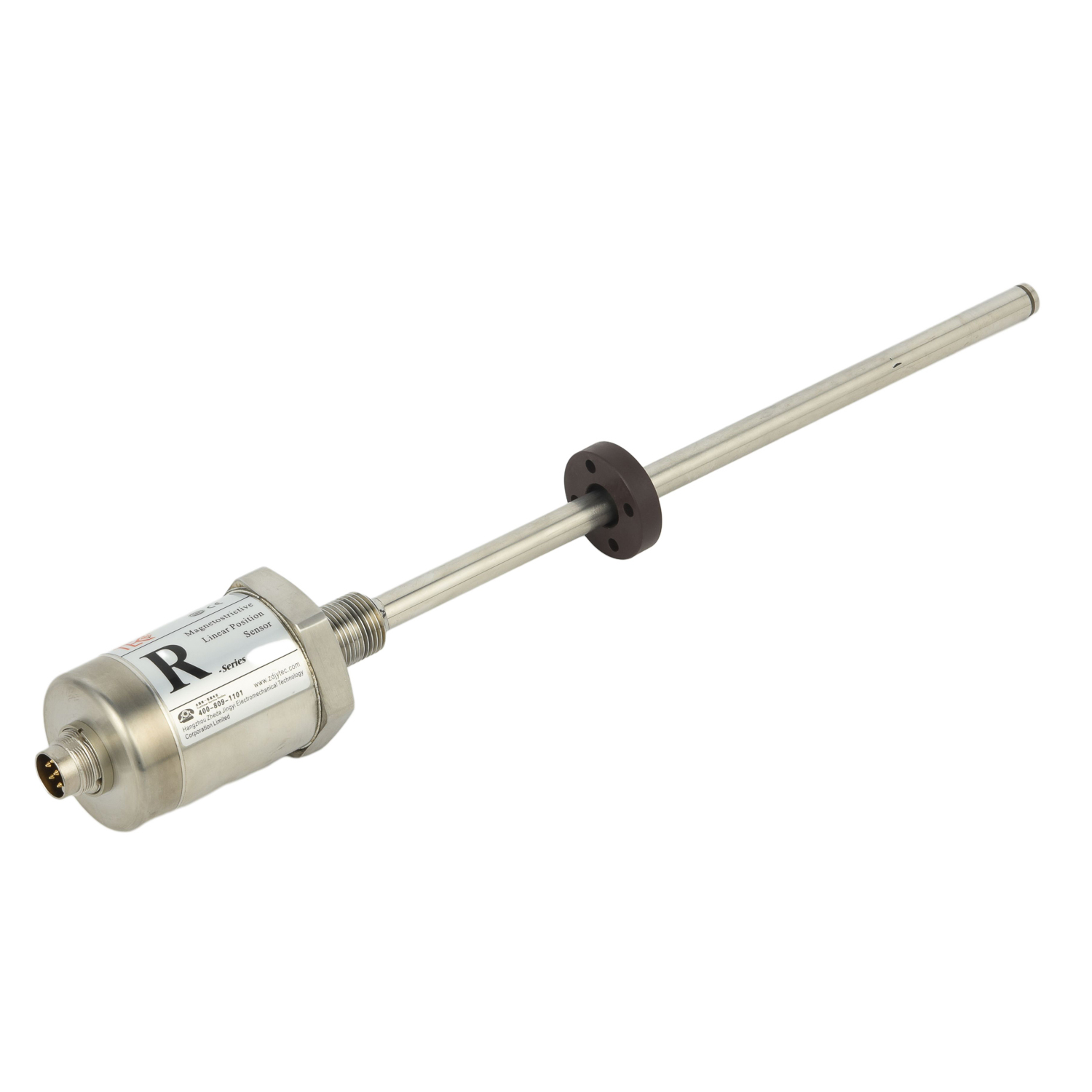
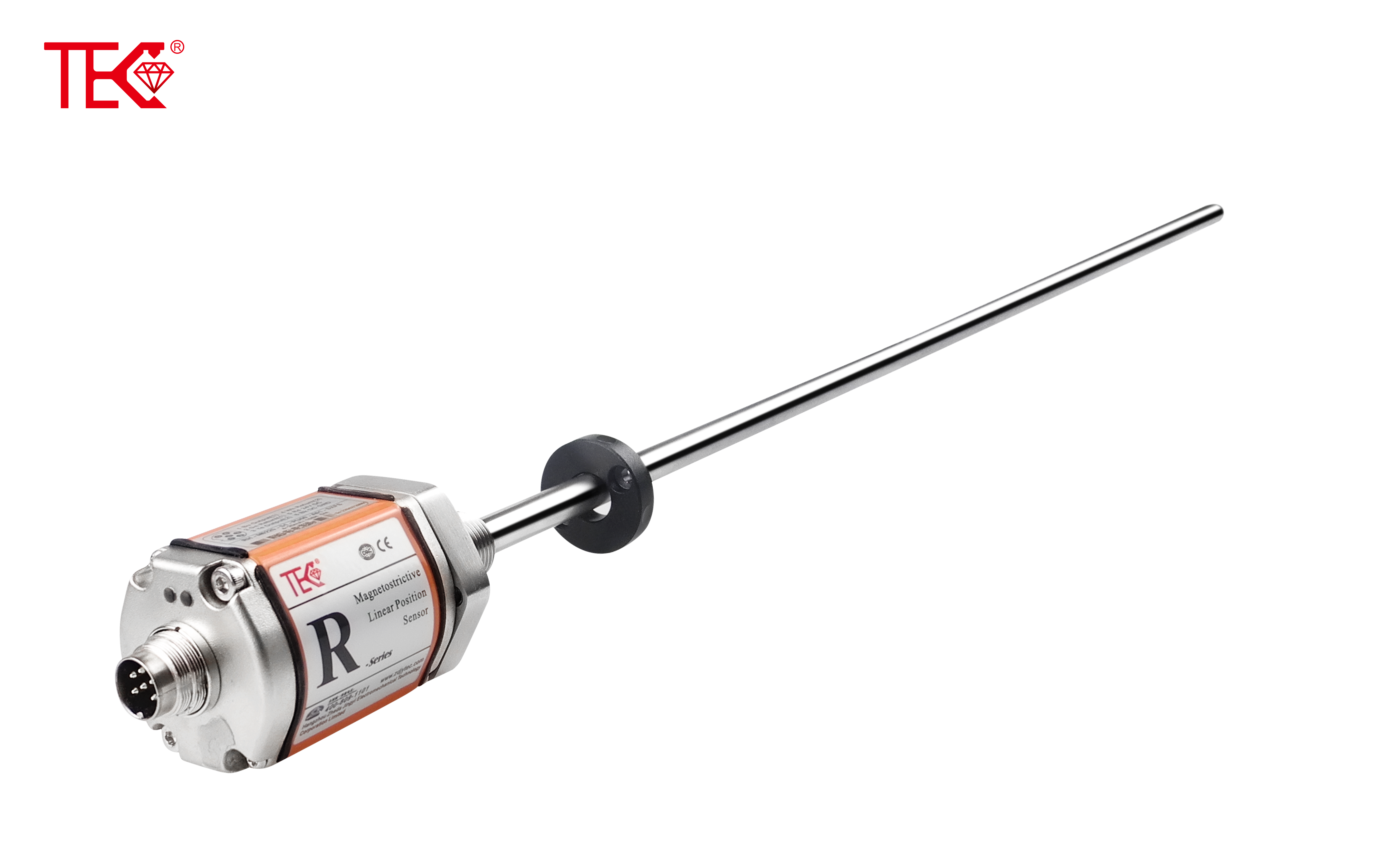
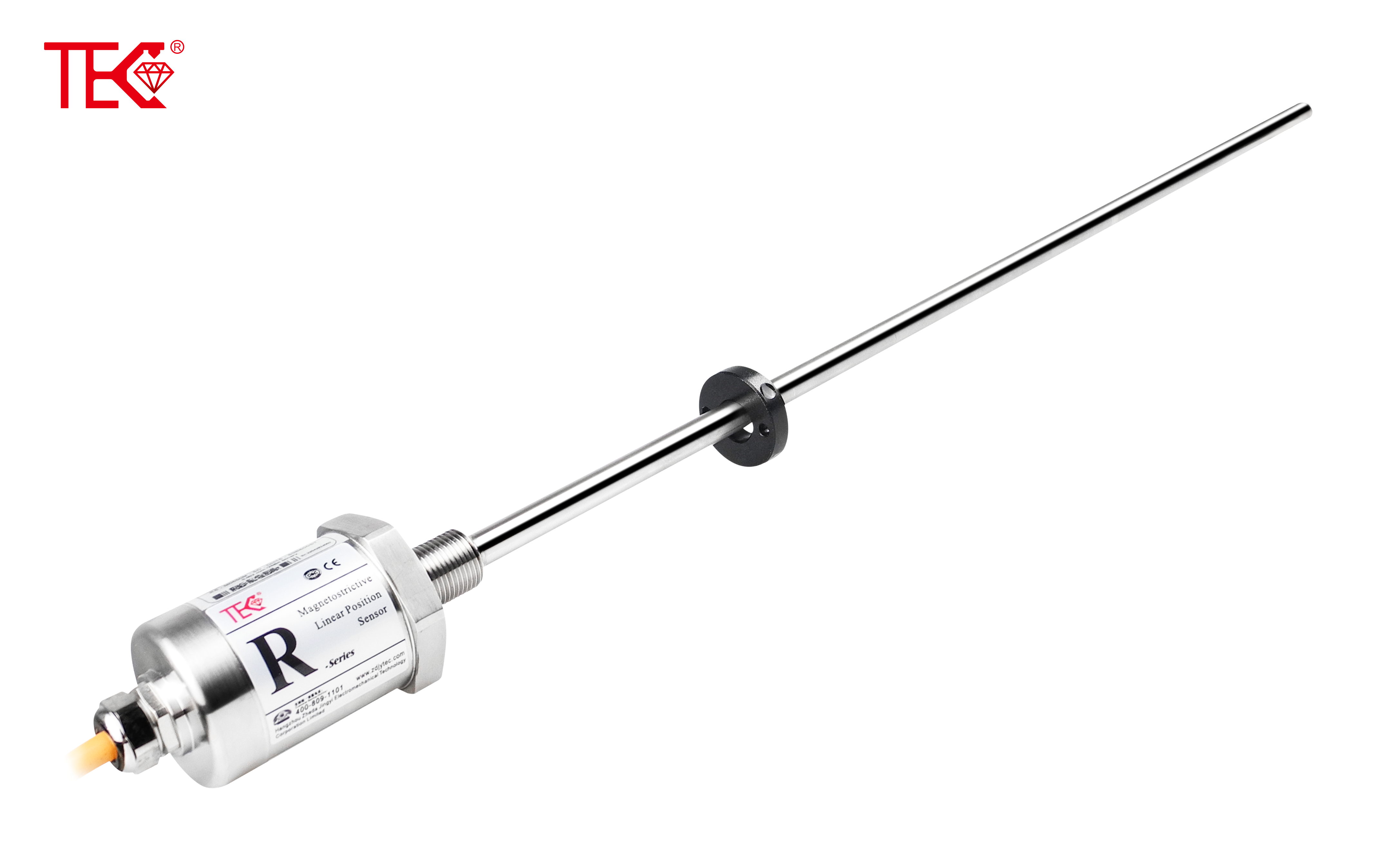
Corrosion-resistant magnetostrictive level gauges are widely used in chemical, water treatment, and offshore applications because they resist aggressive media and provide stable level measurement. However, faults can still occur. Common symptoms include inaccurate readings, signal loss, erratic output, and physical damage to the probe or housing.
A frequent fault is probe contamination or coating buildup. Deposits change wave reflection and cause drifting values. Regular cleaning and compatible flush procedures are essential. Moisture ingress at the terminal box or cable gland is another cause. Seals and cable installation must remain tight and correct. Check gaskets, glands, and wiring insulation after washdowns or storm exposure.
Mechanical damage may result from vibration, tank turbulence, or incorrect mounting. A bent probe or loose float can produce stuck or intermittent readings. Verify straightness, float movement, and mounting alignment. Electrical faults include poor grounding, damaged transmitters, and unstable power supply. Use shielded cables, confirm grounding, and test output with a known level.
Temperature extremes and chemical incompatibility can shorten seal life and distort electronics. Confirm that wetted parts match the process medium and that the gauge rating suits tank pressure and temperature. During troubleshooting, isolate the gauge, inspect the probe, check wiring and seals, and compare readings with a manual measurement.
Replace worn seals and damaged components promptly. A preventive maintenance schedule with visual inspection, calibration checks, and corrosion monitoring extends service life and reduces unplanned downtime.
 Power Plant Waterproof Magneto
 Chemical Industry High-pressur
 Mining High-temperature Magnet
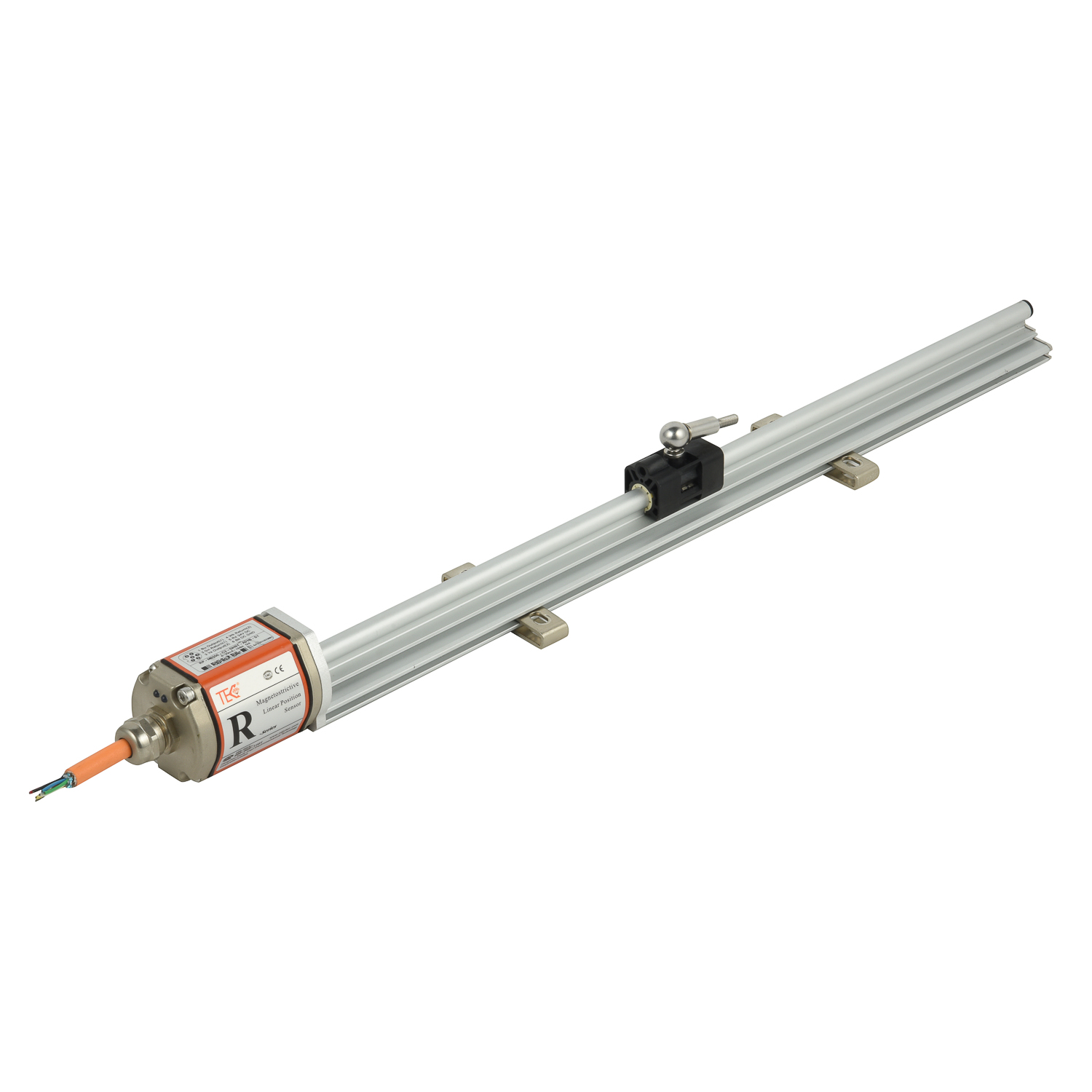 Metallurgy Explosion-proof Mag