
Field Application of Rod-type Magnetostrictive Level Gauge
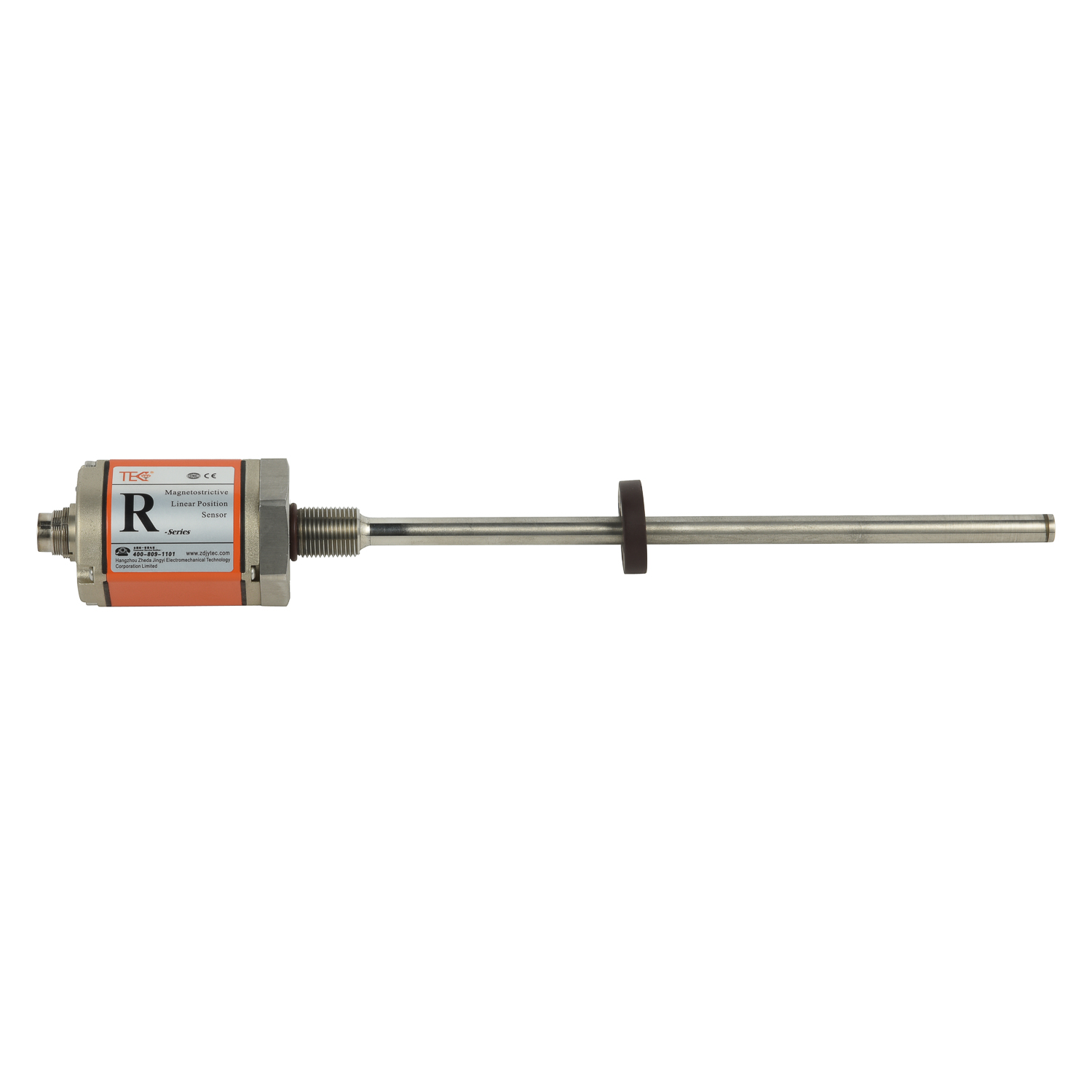
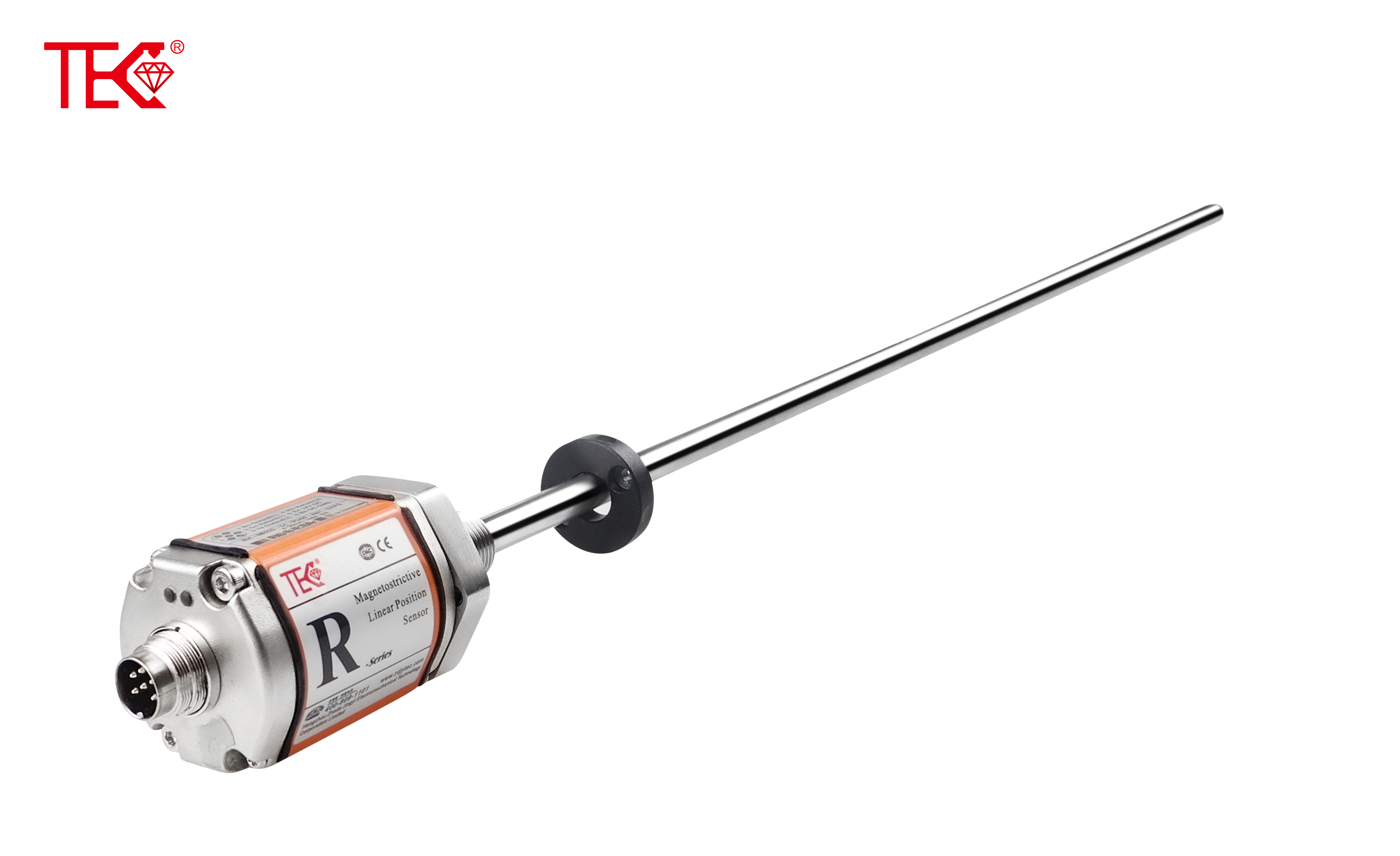
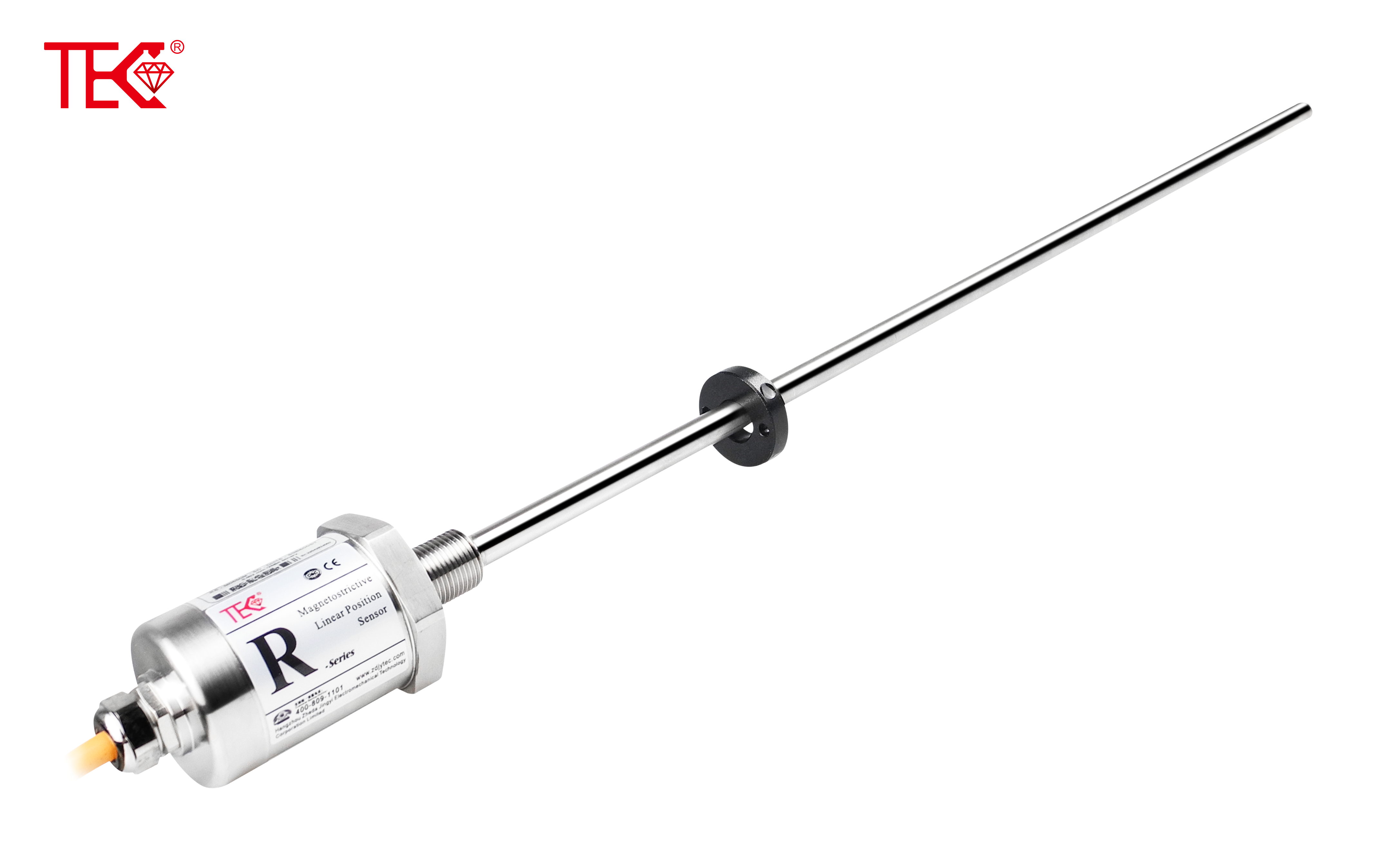
In practical field applications, the rod-type magnetostrictive level gauge is widely used for continuous liquid-level measurement in storage tanks, process vessels, and chemical dosing systems. Its rigid rod probe is installed vertically through a top-mounted flange, while a magnetic float moves with the liquid surface. The sensor detects the float position through magnetostrictive interaction and converts it into a stable 4–20 mA or digital signal. This design provides high accuracy, repeatability, and resistance to foam, vapor, and turbulent conditions. During commissioning, technicians verify the probe length, set the measuring range, and confirm zero and span against manual dipping. In petrochemical, water treatment, and food processing plants, the gauge supports real-time monitoring, inventory control, and overfill protection. Explosion-proof models are selected for flammable areas, and hygienic versions suit sanitary processes. For reliable field performance, the rod should be mounted away from inlet flows and agitators, and the float must match the liquid density. The gauge can also handle interface measurement when a second float is configured, and its local display lets operators read levels without opening the tank. Routine inspection includes checking the float for buildup, confirming wiring integrity, and reviewing output stability. Proper grounding is still recommended. With correct installation and minimal maintenance, the rod-type magnetostrictive level gauge delivers long-term field reliability and reduces manual measurement workload.
 Port Corrosion-resistant Magne
 Power Plant Waterproof Magneto
 Chemical Industry High-pressur
 Mining High-temperature Magnet