
Mining High-temperature Magnetostrictive Level Gauge
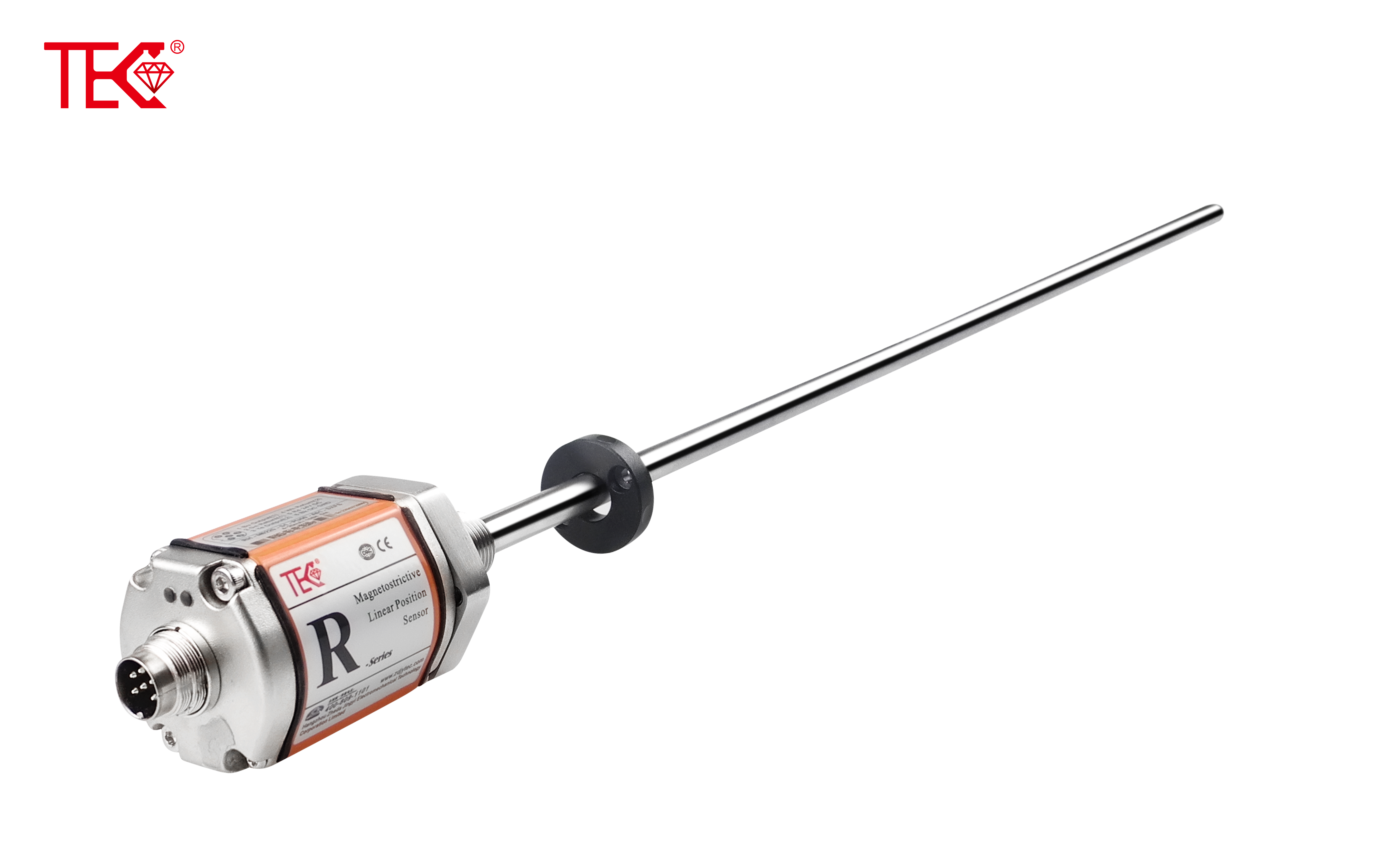
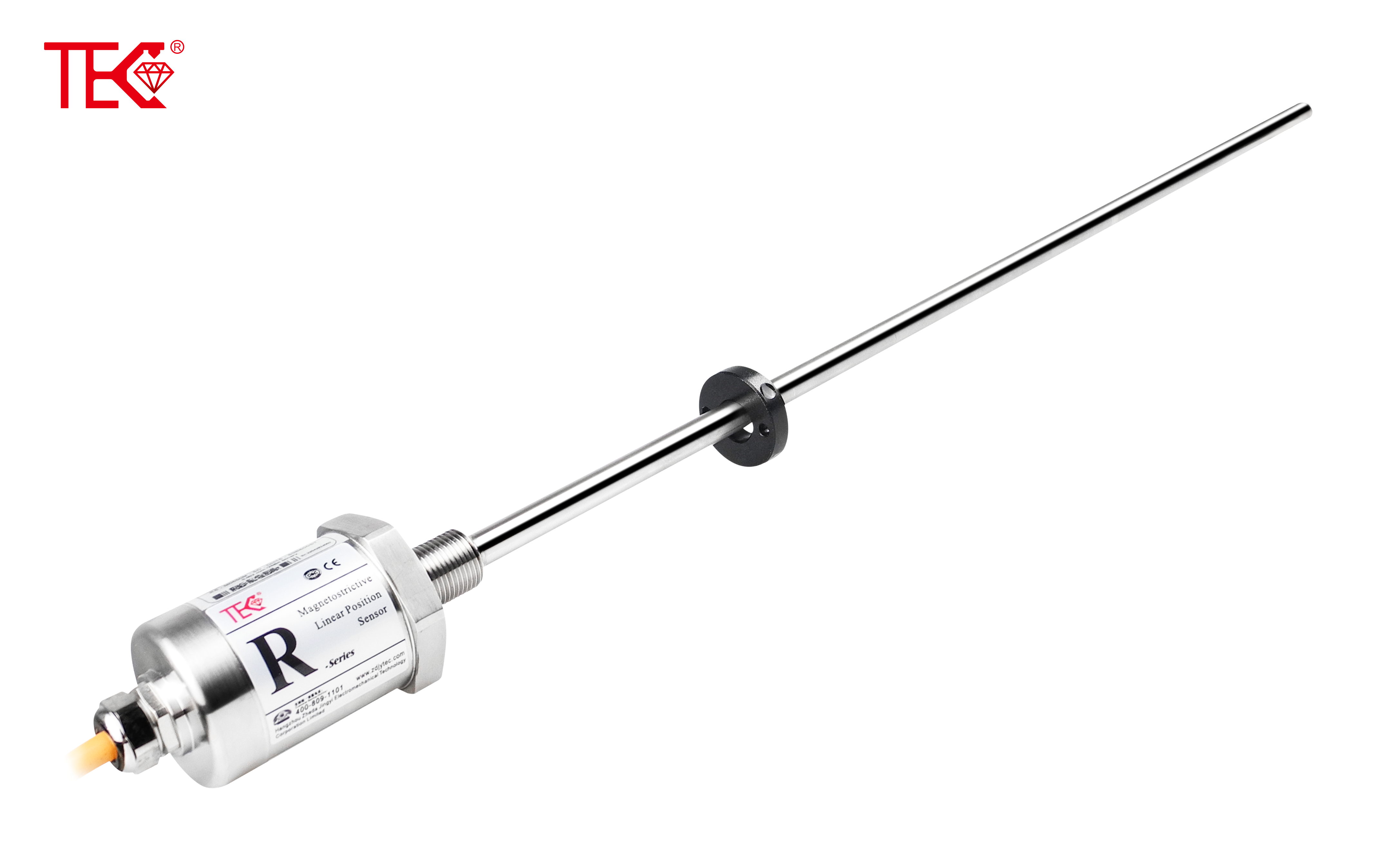
In mining operations, reliable level measurement is critical for safety, throughput, and environmental control. A mining high-temperature magnetostrictive level gauge is engineered for hot process vessels, reagent tanks, sumps, thickeners, and smelter-related applications where conventional sensors may drift or fail. The gauge uses a magnetostrictive waveguide and a float with permanent magnets. When the float moves, it creates a torsion pulse that is converted into a precise level signal. Because the sensing element has no moving parts and the electronics can be isolated from heat, the design provides stable measurement under dust, vibration, and temperature stress. The isolated electronics help protect signal stability when process temperatures rise sharply. High-temperature versions often include cooling fins, thermal barriers, ceramic insulation, remote transmitters, and rugged stainless steel or alloy housings. Explosion-proof and high-ingress-protection options support demanding mining environments. Operators can use 4–20 mA, HART, or digital outputs for integration with PLC and SCADA systems. Benefits include high accuracy, repeatability, low maintenance, and resistance to foam, steam, and contamination when correctly specified. Proper installation, float selection, temperature compensation, and regular inspection are essential. Overall, a high-temperature magnetostrictive level gauge improves process visibility and reduces unplanned downtime in mining level measurement.
 Power Plant Waterproof Magneto
 Chemical Industry High-pressur
Mining High-temperature Magnet
Chemical Industry High-pressur
Mining High-temperature Magnet
 Metallurgy Explosion-proof Mag