
Installation Method of Float-type Magnetostrictive Level Gauge
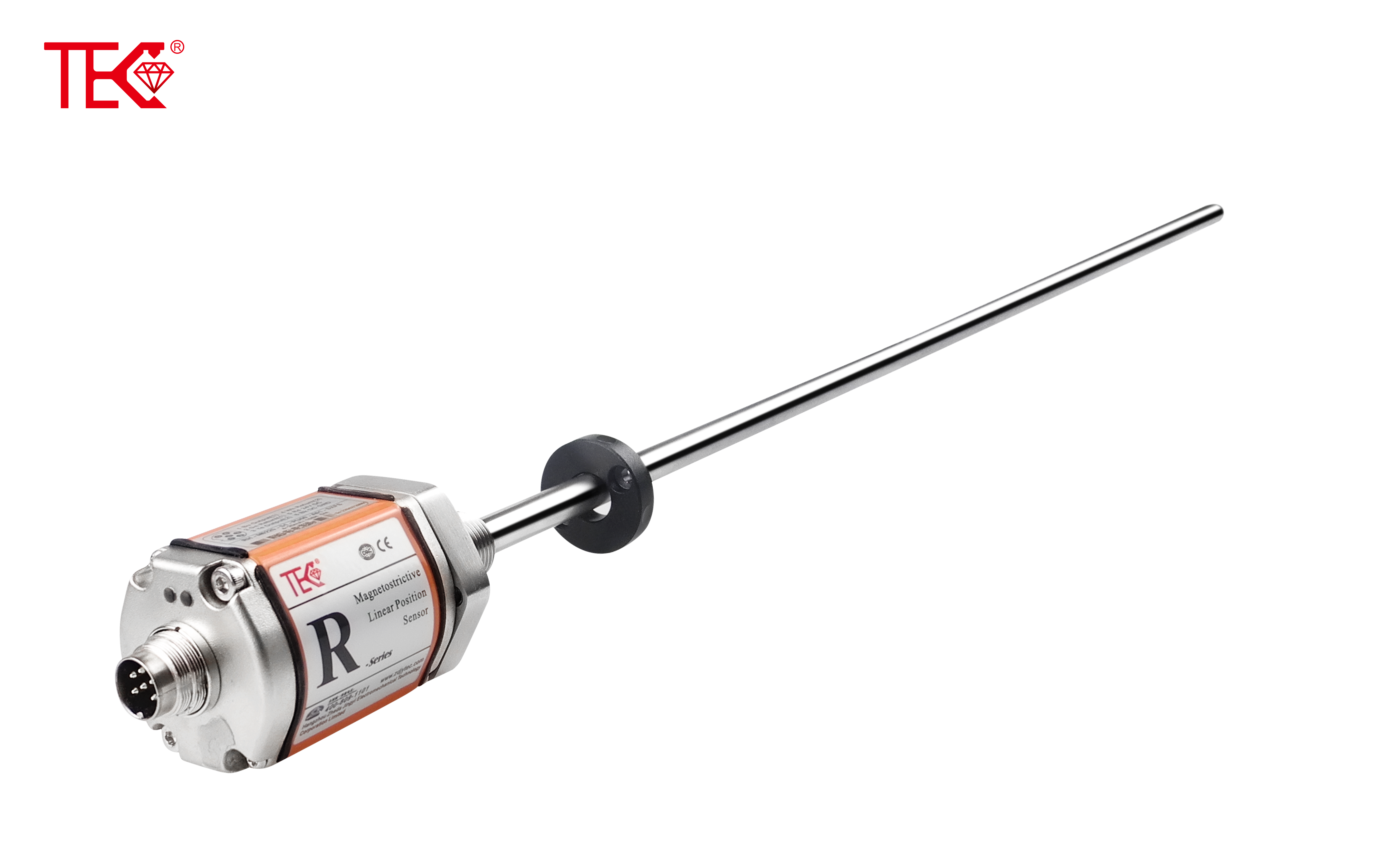
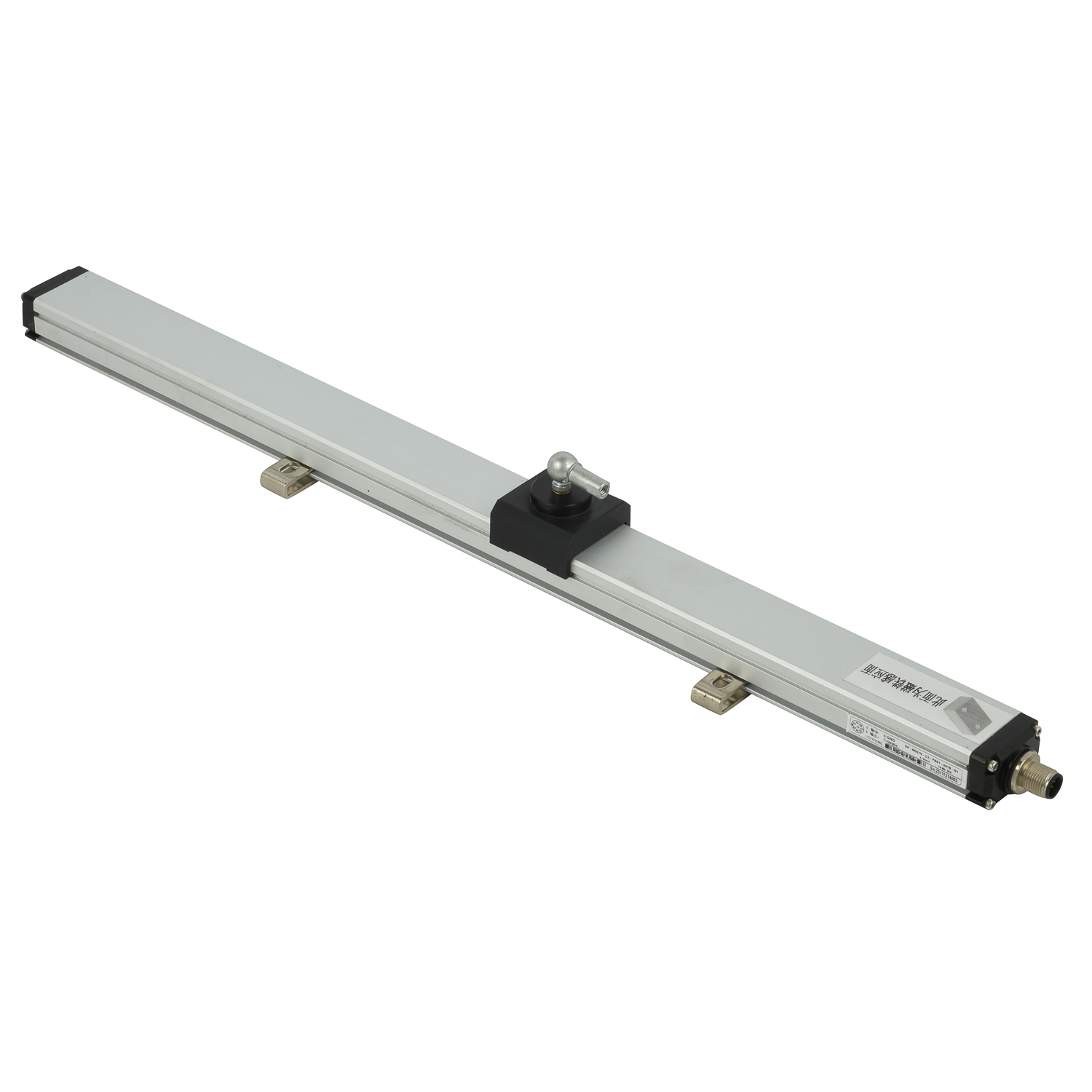
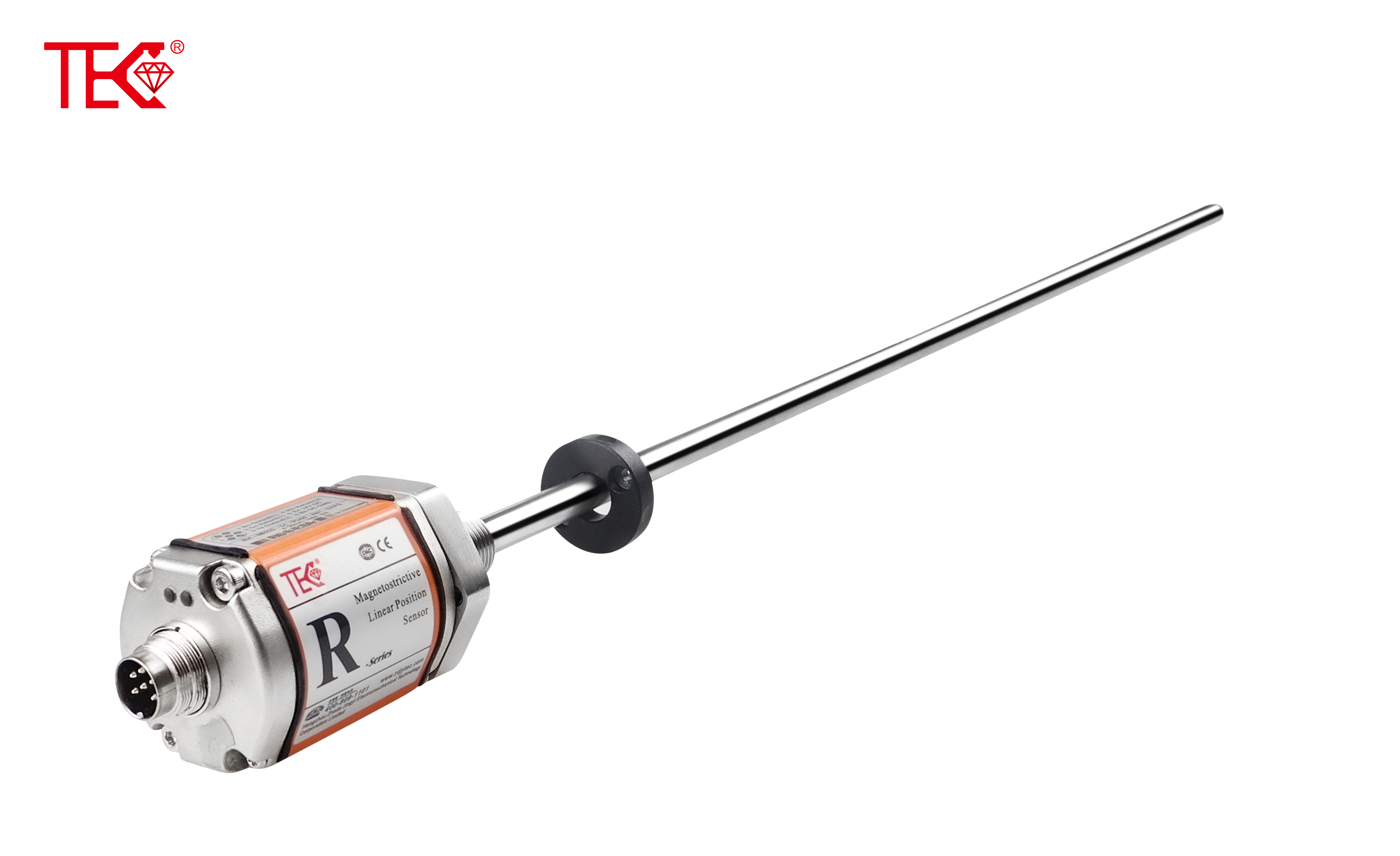
Installing a float-type magnetostrictive level gauge begins with preparation. Confirm the gauge length, measuring range, process connection, pressure rating, and float type match the tank and medium. Before mounting, compare the gauge datasheet with the tank drawing, nozzle position, insertion depth, and required clearance. Shut down or isolate the tank, release pressure, and drain hazardous media before work. Inspect the flange, gasket, float, stem, and sensor head for damage. Follow site safety rules. Do not strike the stem. Mount the gauge vertically. Use the specified flange or threaded connection and tighten it evenly to prevent leakage. Keep the measuring stem straight and avoid bending or side force. The float must move freely and must not touch the tank wall, inlet flow, agitators, or other internal parts. For top-mounted designs, ensure the float is positioned on the correct side of the stop and that the stem reaches the required low level. For side-mounted designs, verify the center distance and alignment with the tank nozzle. Wire the gauge according to the wiring diagram. Use shielded cable, connect grounding correctly, and keep signal cables away from high-voltage lines. After mechanical installation, calibrate the zero and span, then verify the output with manual float movement. Check for stable readings, correct polarity, and no interference. Finally, seal unused openings, record installation data, and perform a leak test before returning the tank to service.
 Water Conservancy Rod-type Mag
 Sewage Treatment Flange-mounte
 Grain and Oil Storage Tank Flo
 Port Corrosion-resistant Magne