
Water Conservancy Rod-type Magnetostrictive Level Gauge
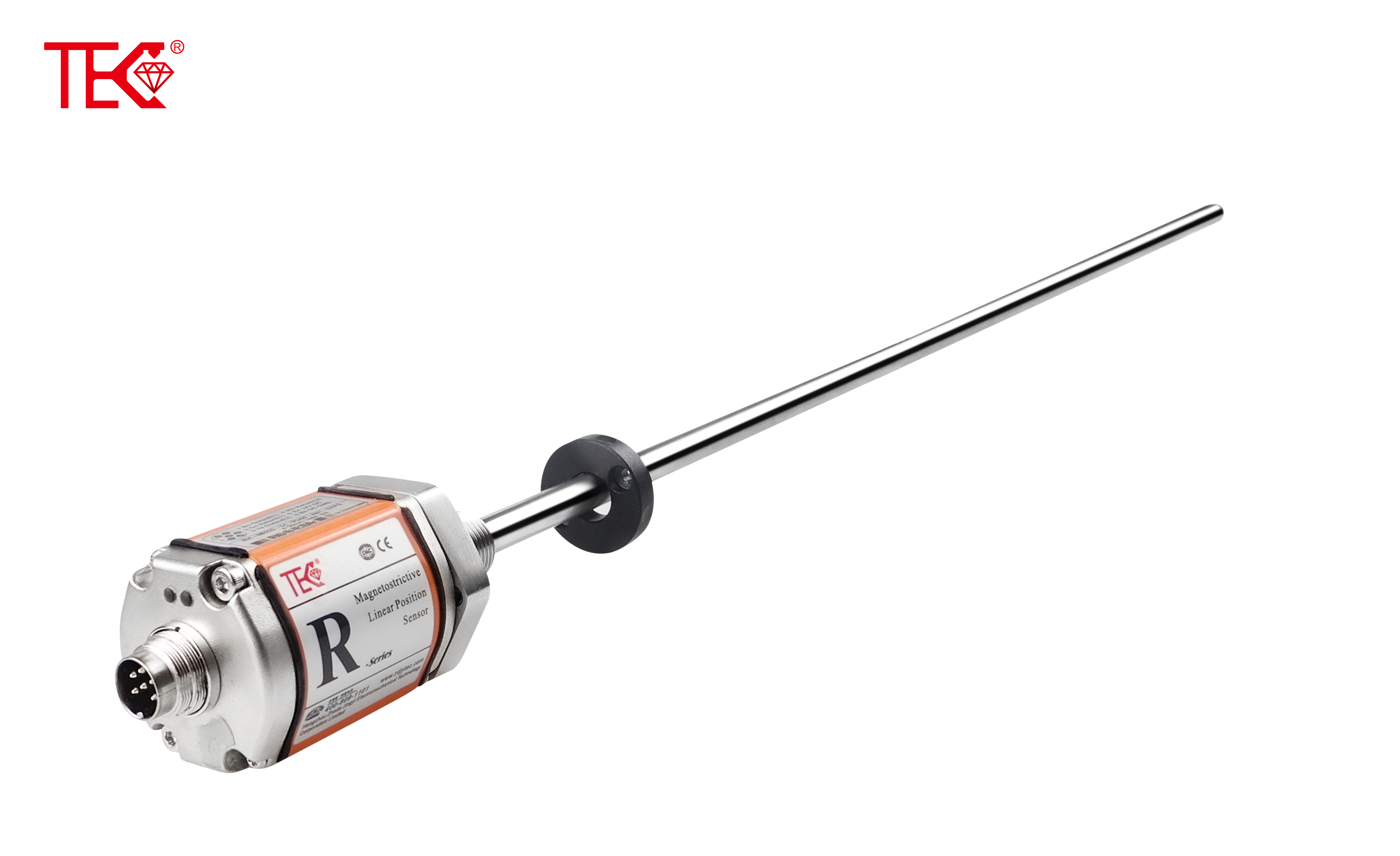
Water conservancy systems require continuous, reliable level data to support flood control, irrigation scheduling, and ecological water management. The water conservancy rod-type magnetostrictive level gauge is designed for this task. Its rod probe is installed vertically in reservoirs, canals, dams, or pump stations, while a float with a built-in magnet moves with the water surface. The sensor detects the magnetic field position and converts it into a precise electrical signal, providing high accuracy and excellent repeatability.
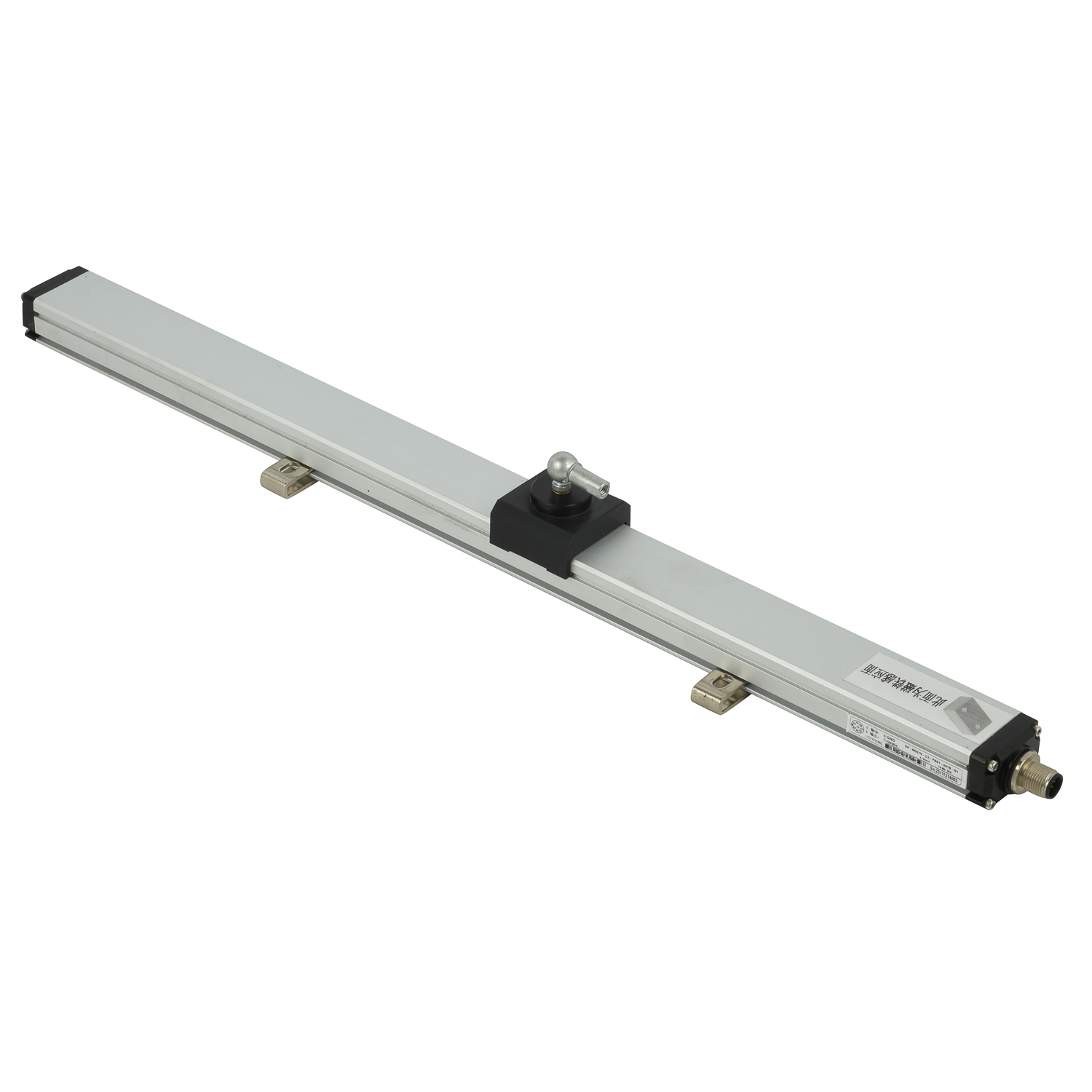
Unlike mechanical floats or pressure sensors, this gauge has no moving parts in the sensing element, so wear is low and maintenance is simple. The stainless steel rod and sealed housing resist moisture, corrosion, and outdoor temperature changes, making the device suitable for long-term unattended operation. It can output 4–20 mA, RS485, or other signals for integration with SCADA and telemetry platforms. Operators can monitor water levels in real time, set alarm thresholds, and improve dispatch decisions.
Installation requires a stable mounting bracket and a vertical probe aligned with the measuring range. Regular cleaning of the float and rod prevents sediment or debris from affecting readings. With stable performance, strong anti-interference ability, and easy digital integration, the rod-type magnetostrictive level gauge supports safer and more efficient water conservancy management.
Water Conservancy Rod-type Mag
 Sewage Treatment Flange-mounte
 Grain and Oil Storage Tank Flo
 Port Corrosion-resistant Magne