
Intrinsically Safe Explosion-proof Magnetostrictive Level Gauge Selection
Selecting an intrinsically safe explosion-proof magnetostrictive level gauge starts with the hazardous area classification. Confirm the zone, gas or dust group, and temperature class before choosing a model. The gauge must carry valid ATEX, IECEx, or local certification and match the required protection concept. For intrinsic safety, verify entity parameters: rated voltage, current, power, internal capacitance and inductance must be compatible with the associated safety barrier or galvanic isolator. Calculate cable capacitance and inductance between the gauge and barrier, then compare the total with the approved loop limits. Use shielded twisted-pair cable, keep cable runs short, and follow grounding and equipotential bonding requirements. Check process conditions next: tank height, fluid density, temperature, pressure, and chemical compatibility determine probe material, process connection, and float type. A 316L stainless steel probe with PTFE coating may suit corrosive media, while high-pressure tanks need reinforced flanges. Confirm measurement range, resolution, repeatability, and output signal such as 4-20 mA with HART. Consider display, diagnostics, and ease of calibration. Installation should avoid turbulence, foam, and buildup; mounting must allow unobstructed float movement. Also check ambient temperature, enclosure rating, and hazardous-area marking against the installation. Choose a supplier that provides third-party certificates and clear control drawings. Keep the safety documentation with the instrument and verify the loop after installation. Finally, review documentation, nameplate markings, control drawing, and maintenance access. A correct selection balances certified safety, loop compatibility, process durability, and accurate level measurement.
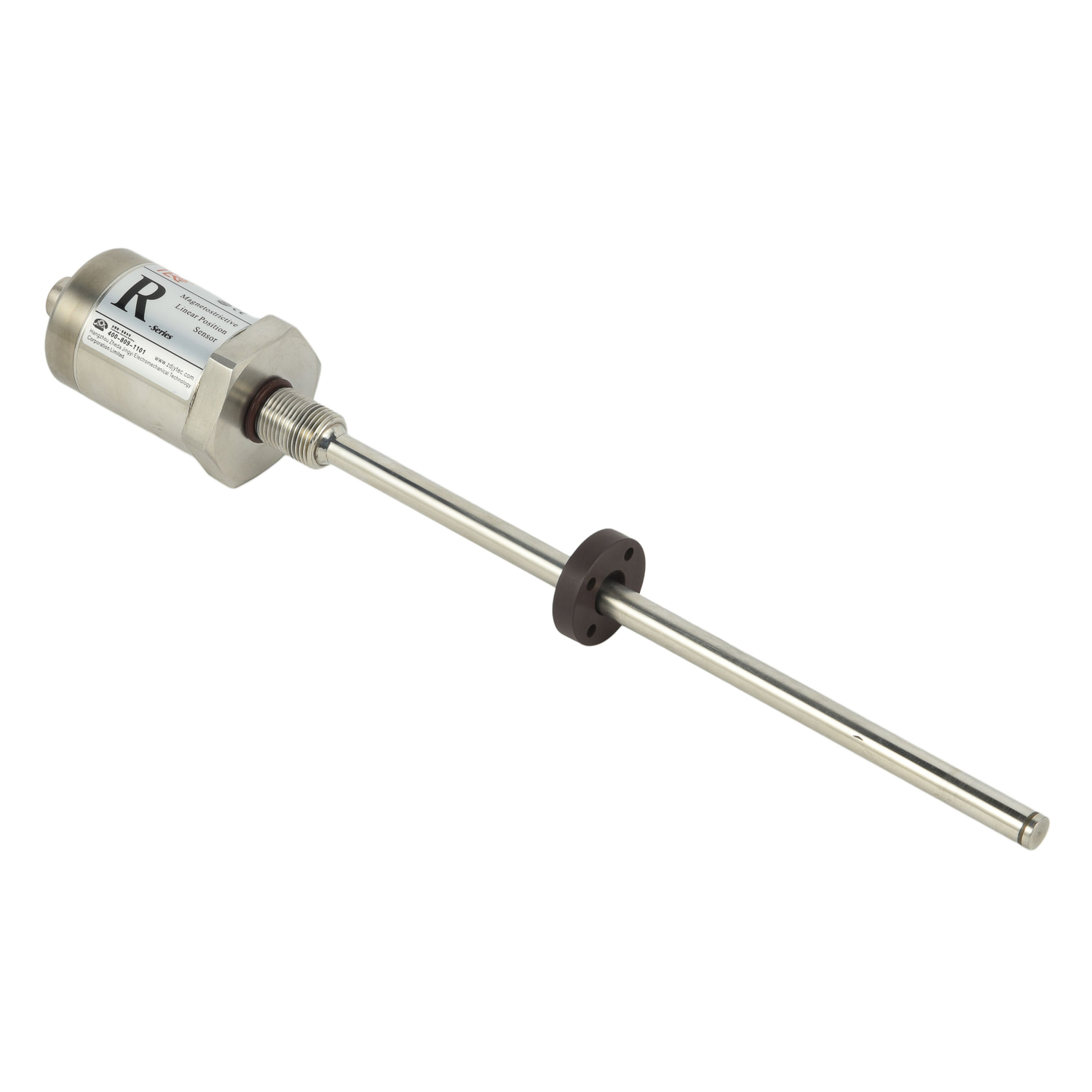
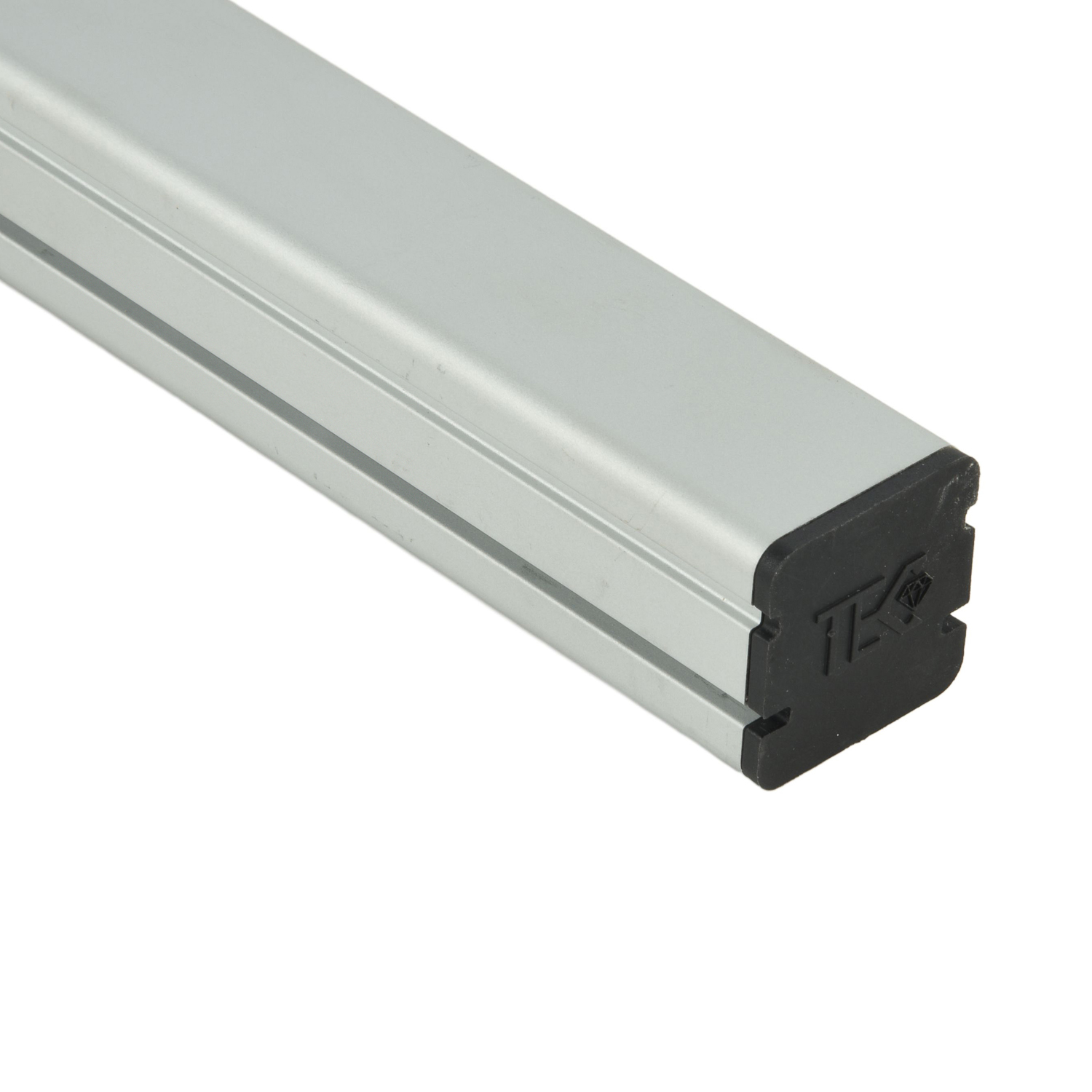 Linear Displacement Sensor for
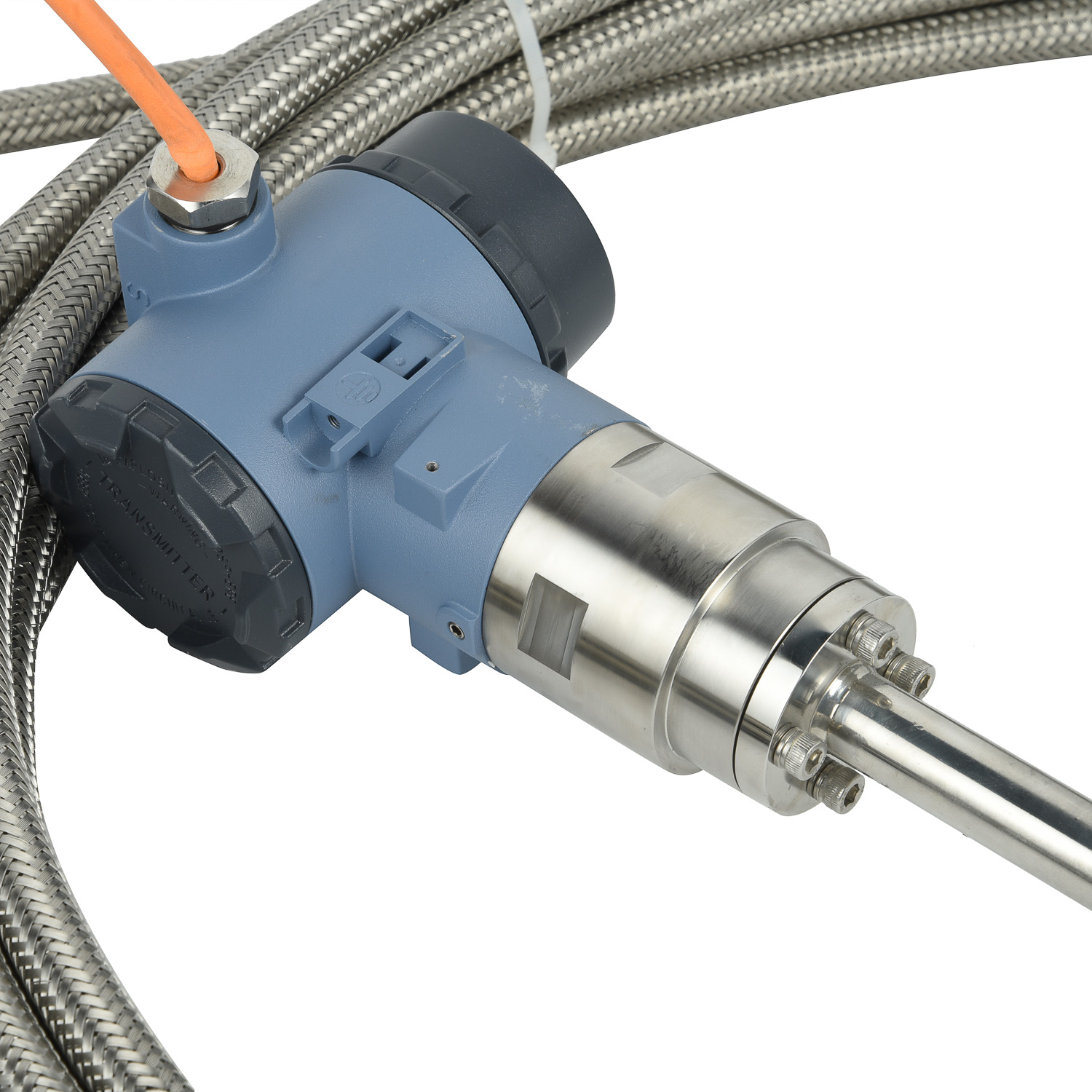 Linear Displacement Sensor for
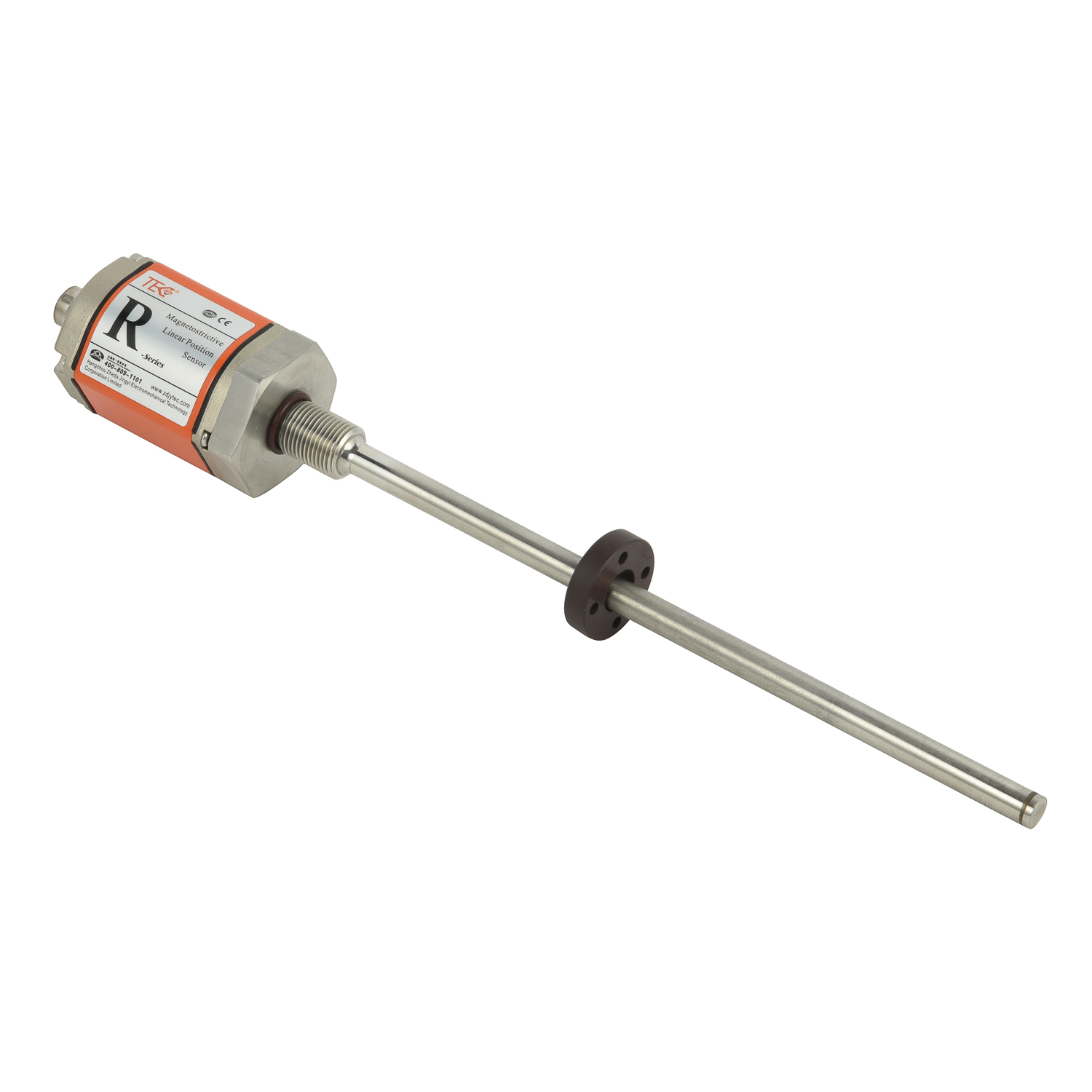 Linear Displacement Sensor for
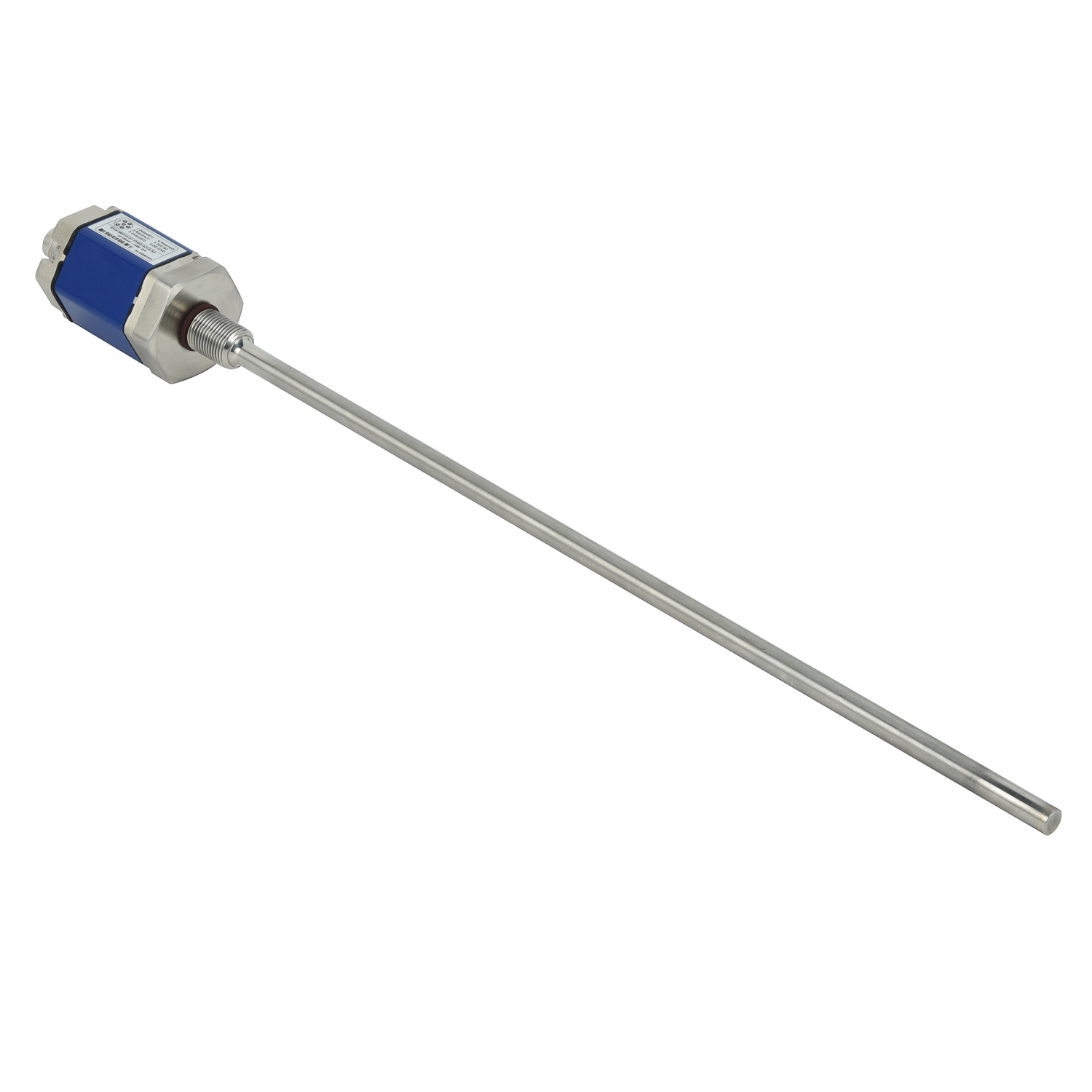 Chemical Reaction Kettle Intri