
Magnetostrictive Level Gauge for Power Plant
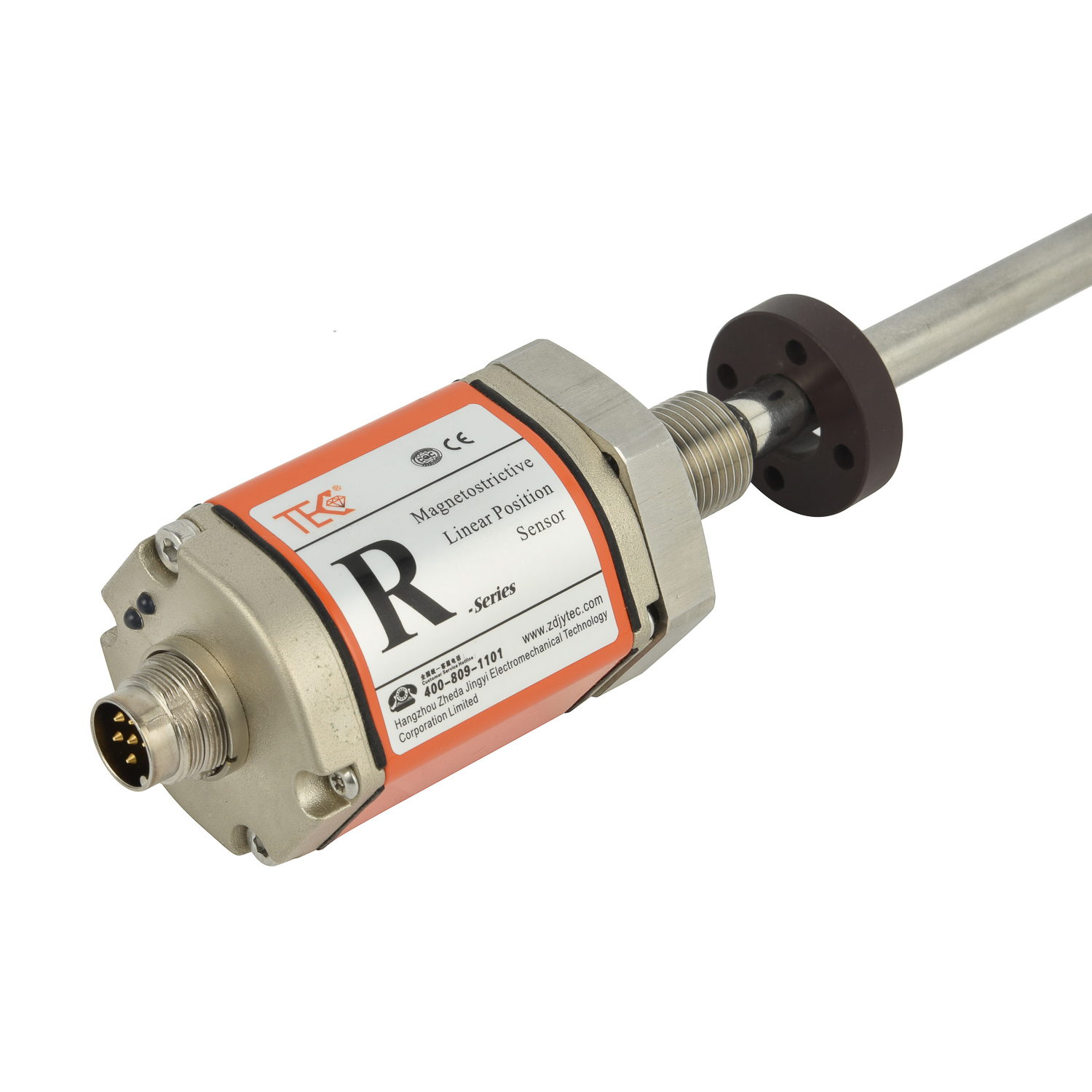
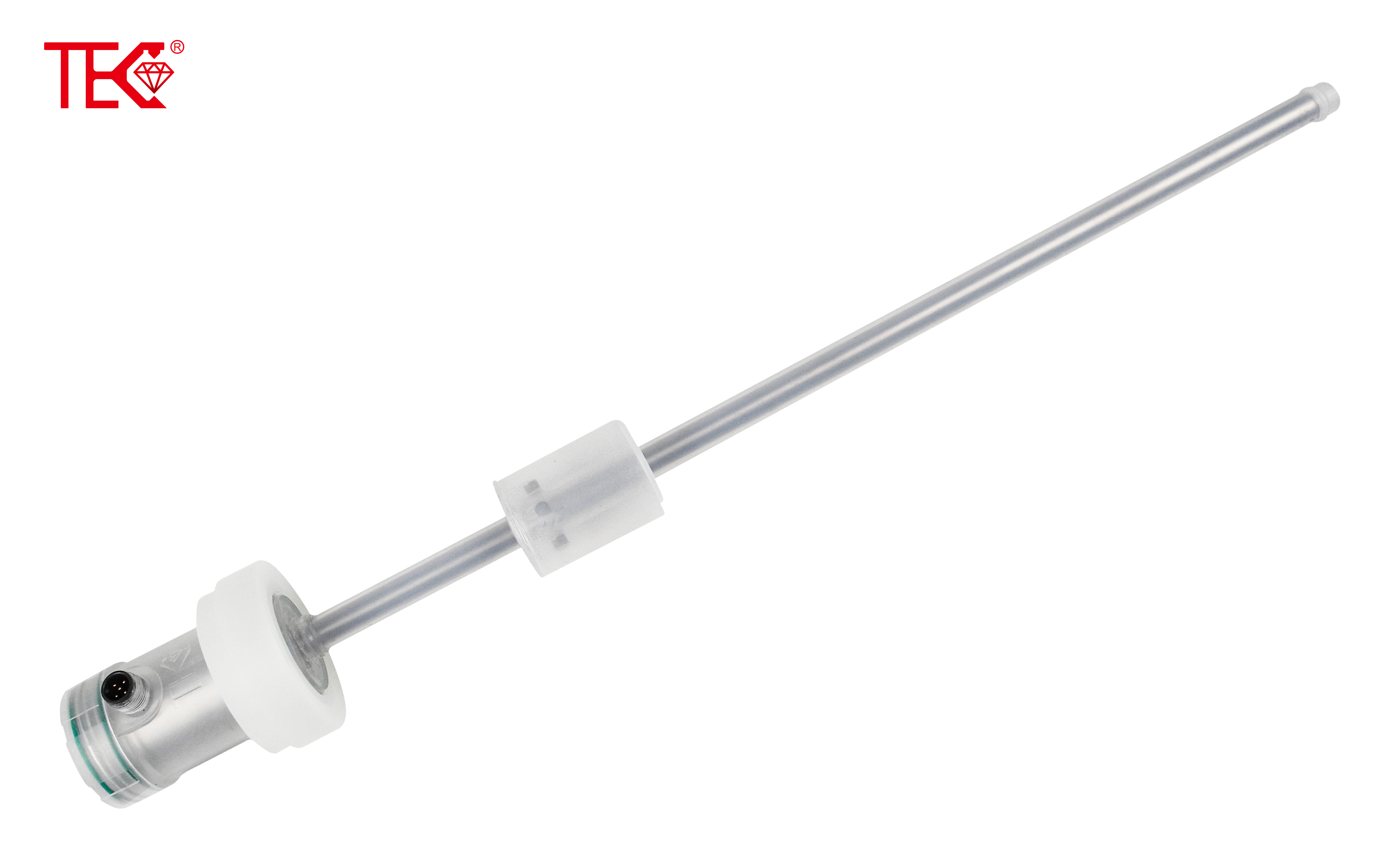
Magnetostrictive level gauges are widely used in power plants because they provide continuous, reliable liquid level measurement in demanding operating conditions. A magnetostrictive level gauge uses a waveguide and a float with permanent magnets. The interaction between the float field and the waveguide generates a torsion pulse, which is converted into a precise level signal. Since there are no moving mechanical linkages in the sensing element, wear is minimized and long-term stability is excellent. The measuring principle is simple and repeatable, even when temperature and pressure fluctuate.
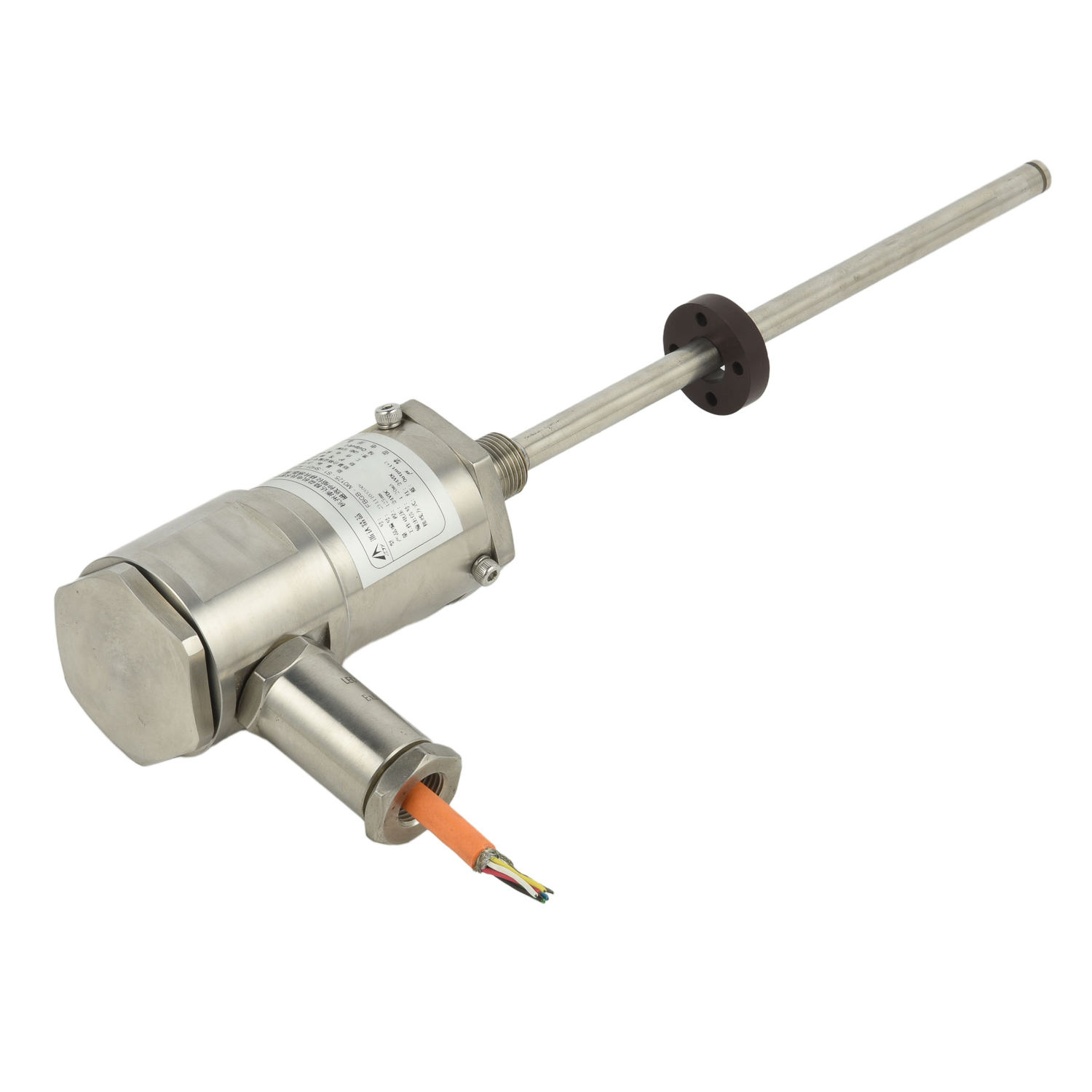
In power plants, these gauges are suitable for boiler feedwater tanks, condensate receivers, deaerators, fuel oil storage, lube oil systems, and cooling water reservoirs. They can be configured with 4-20 mA output, HART communication, local indication, and high/low alarms. Stainless steel or corrosion-resistant materials, explosion-proof housings, and high-temperature versions help meet site safety and environmental requirements. Remote transmitters and local displays allow operators to monitor tank levels from the control room. They also support early leak detection and inventory control.
Accurate level data supports water treatment, pump protection, inventory control, and safe boiler operation. Easy installation and low maintenance make magnetostrictive level gauges a practical choice for modern power generation facilities. Routine inspection is simple, and calibration can be performed without draining the tank.
 Linear Displacement Sensor for
 Linear Displacement Sensor for
 Linear Displacement Sensor for
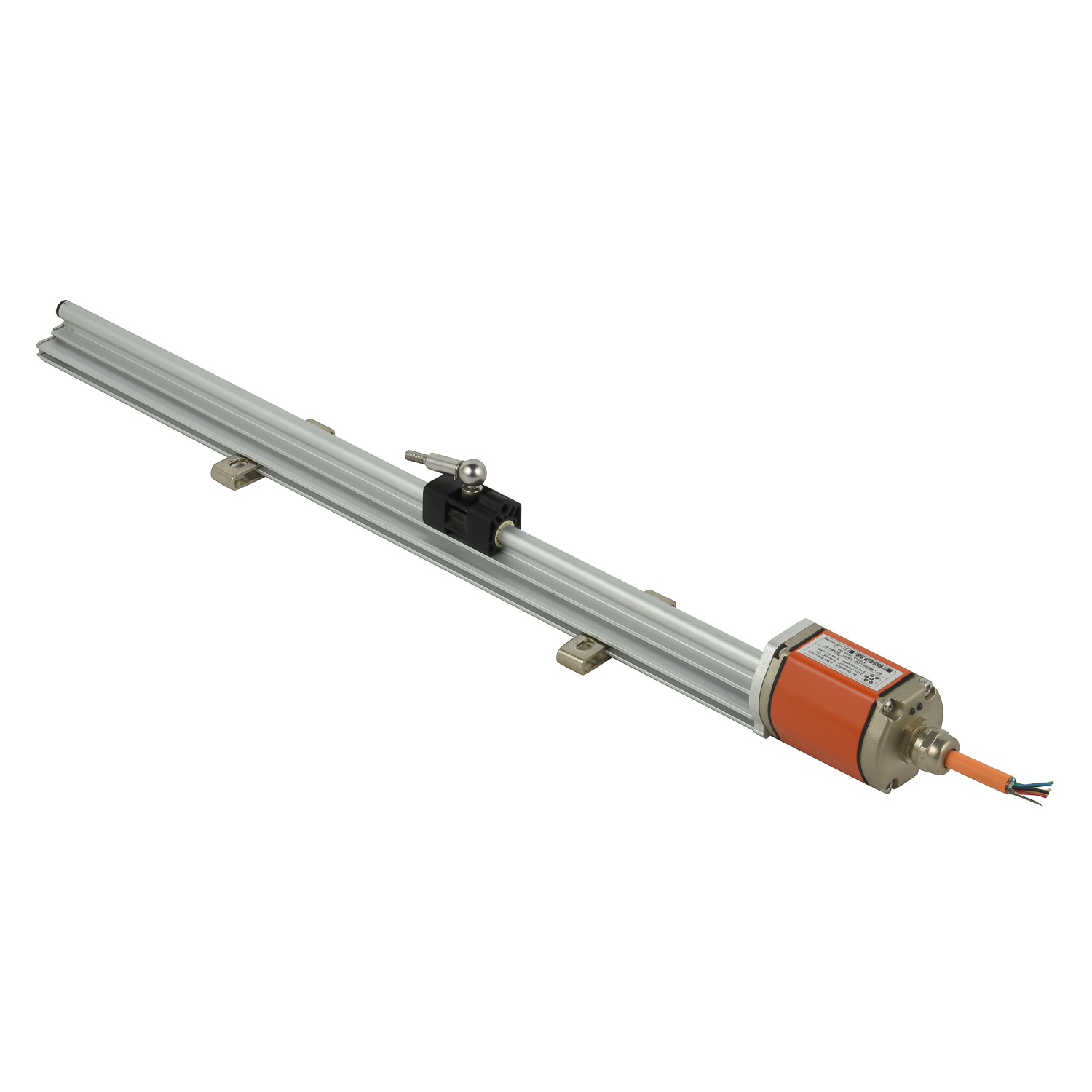 Linear Displacement Sensor for