
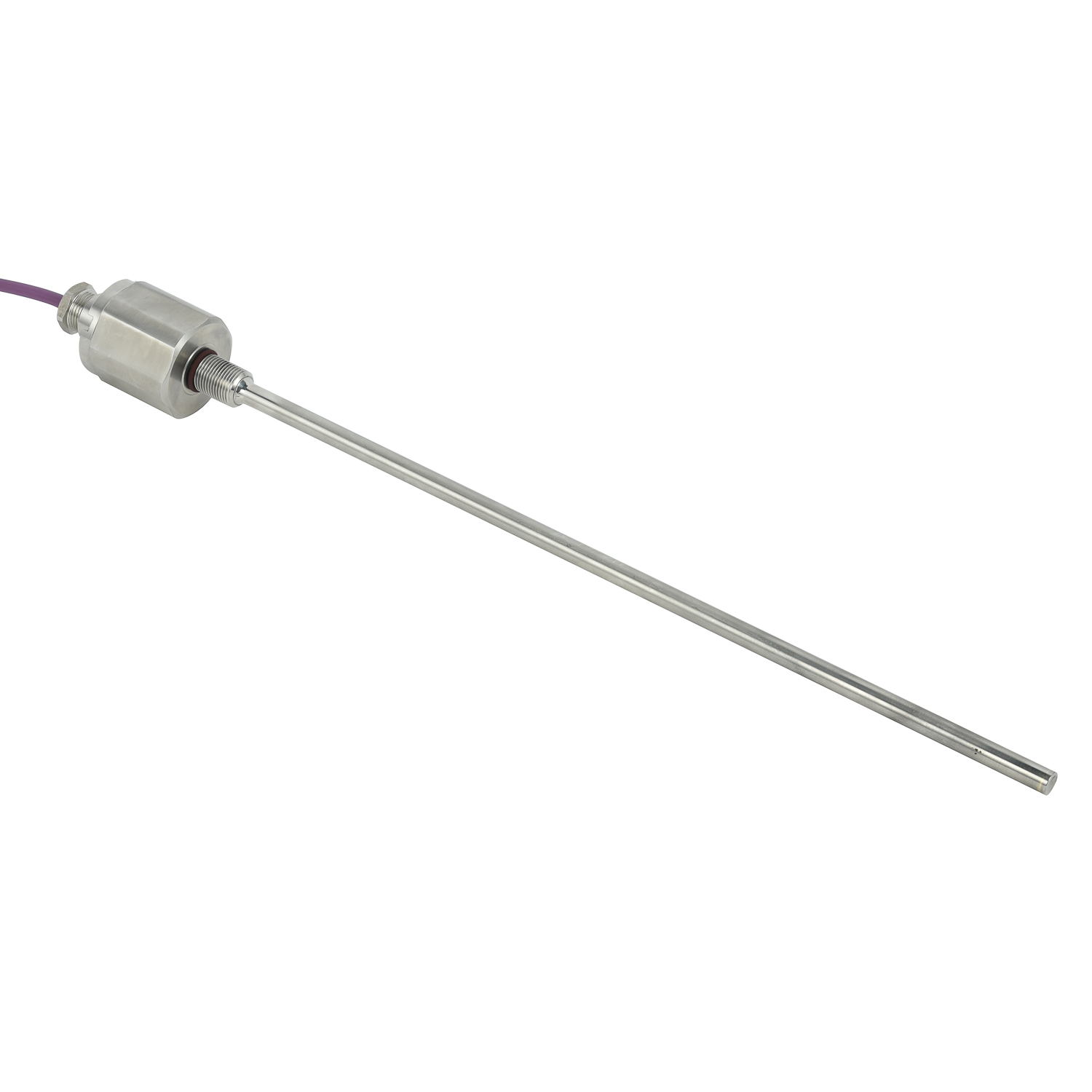
Mixing Station Rod-type Magnetostrictive Displacement Sensor
In concrete mixing stations, accurate position feedback is vital for batching, discharging, and gate control. The rod-type magnetostrictive displacement sensor is widely used because it offers high precision, long life, and strong resistance to dust, vibration, oil, and moisture.
A magnetostrictive sensor measures position through the interaction between a magnetic field and a waveguide wire. A magnet moves along the rod, while the electronic head sends a current pulse. The strain pulse returns and is converted into a precise distance value. This non-contact principle removes wear, so output stays stable over millions of cycles.
For mixing stations, the rod-type design installs easily inside hydraulic cylinders or beside discharge doors. It provides absolute position, so no re-zeroing is needed after power loss. Common outputs include 0-10V, 4-20mA, SSI, CANopen, and RS485 for PLC connection. Ranges can be customized from 50 mm to 3000 mm, with repeatability up to 0.002% FS.
Main advantages:
- High accuracy and repeatability
- Rugged stainless steel rod and IP67 protection
- Non-contact measurement with no wear
- Fast response for real-time control
- Easy integration with automation systems
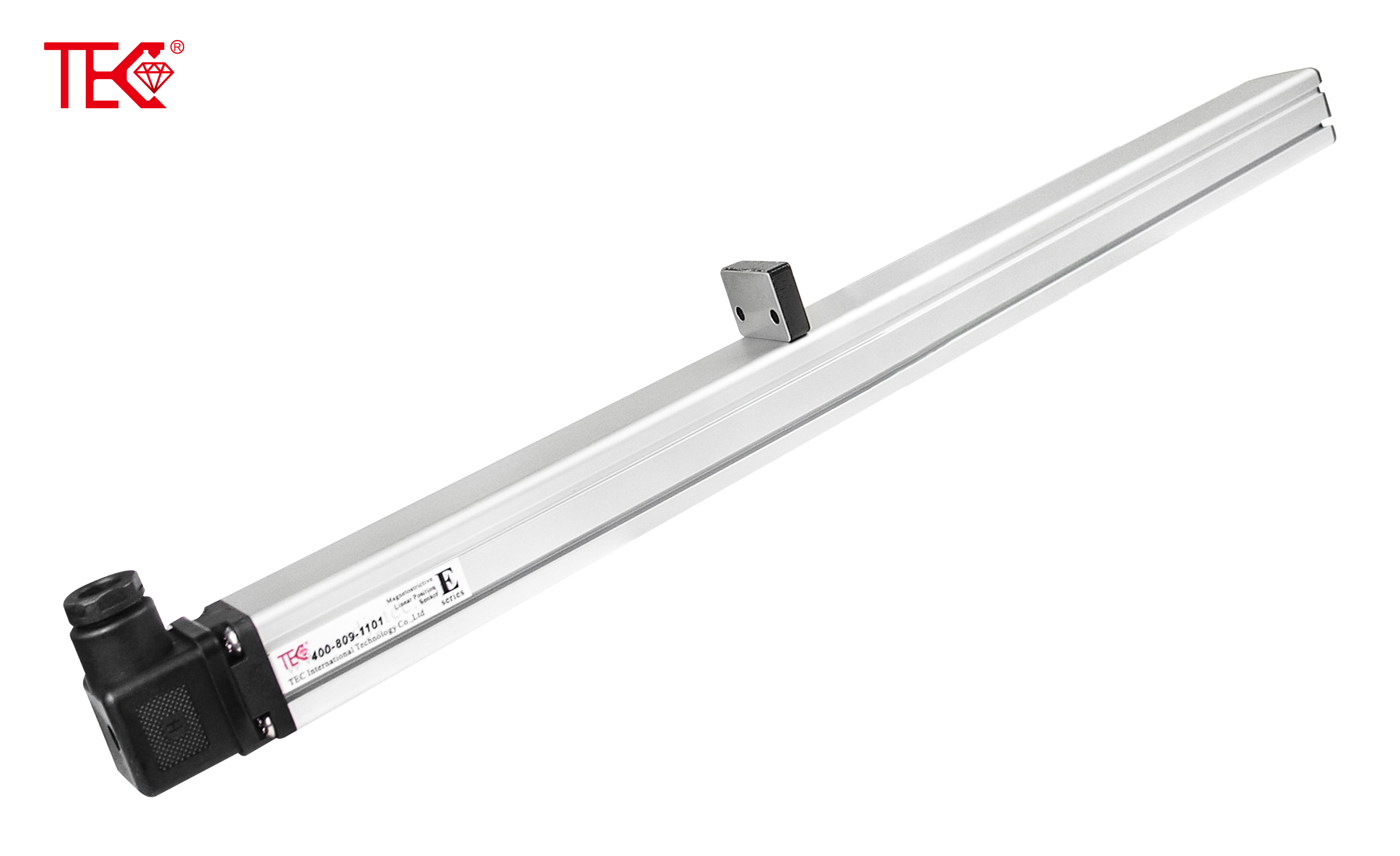
In a mixing station, the sensor monitors gate opening, cement discharge, and water valve position. Reliable data reduces waste, shortens cycle time, and improves quality. When choosing a model, check stroke length, output type, pressure rating, thread size, and working temperature.
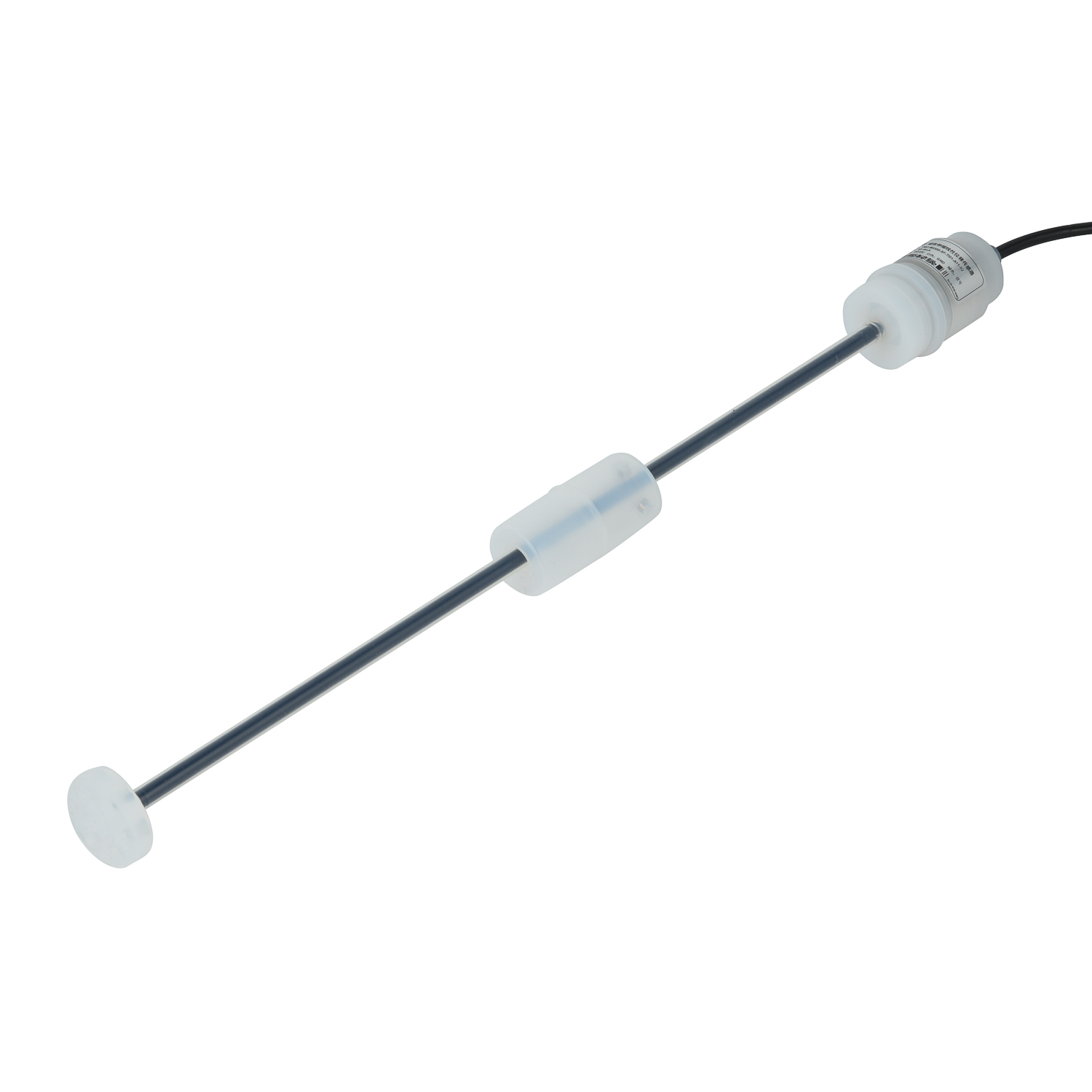 Linear Displacement Sensor for
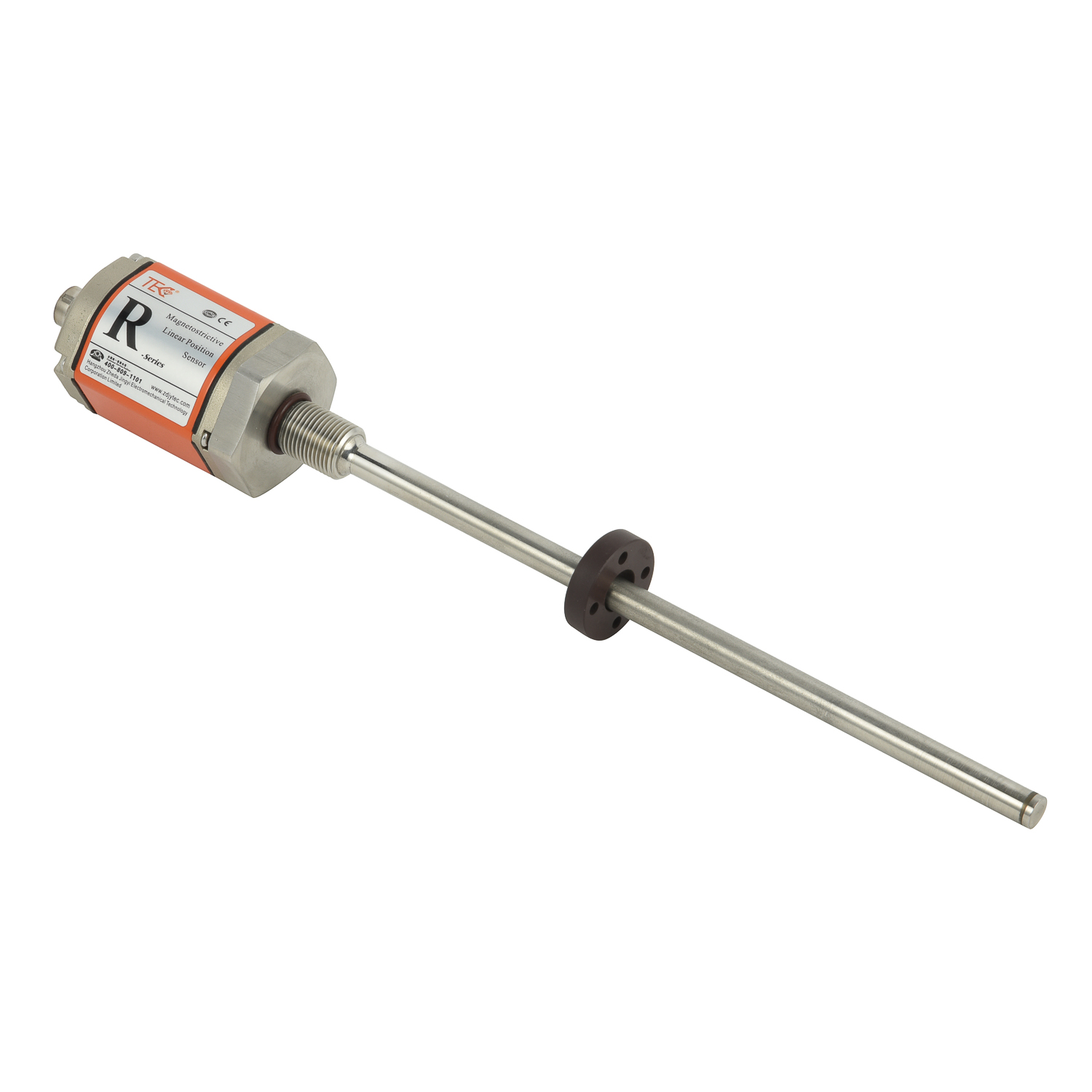 Linear Displacement Sensor for
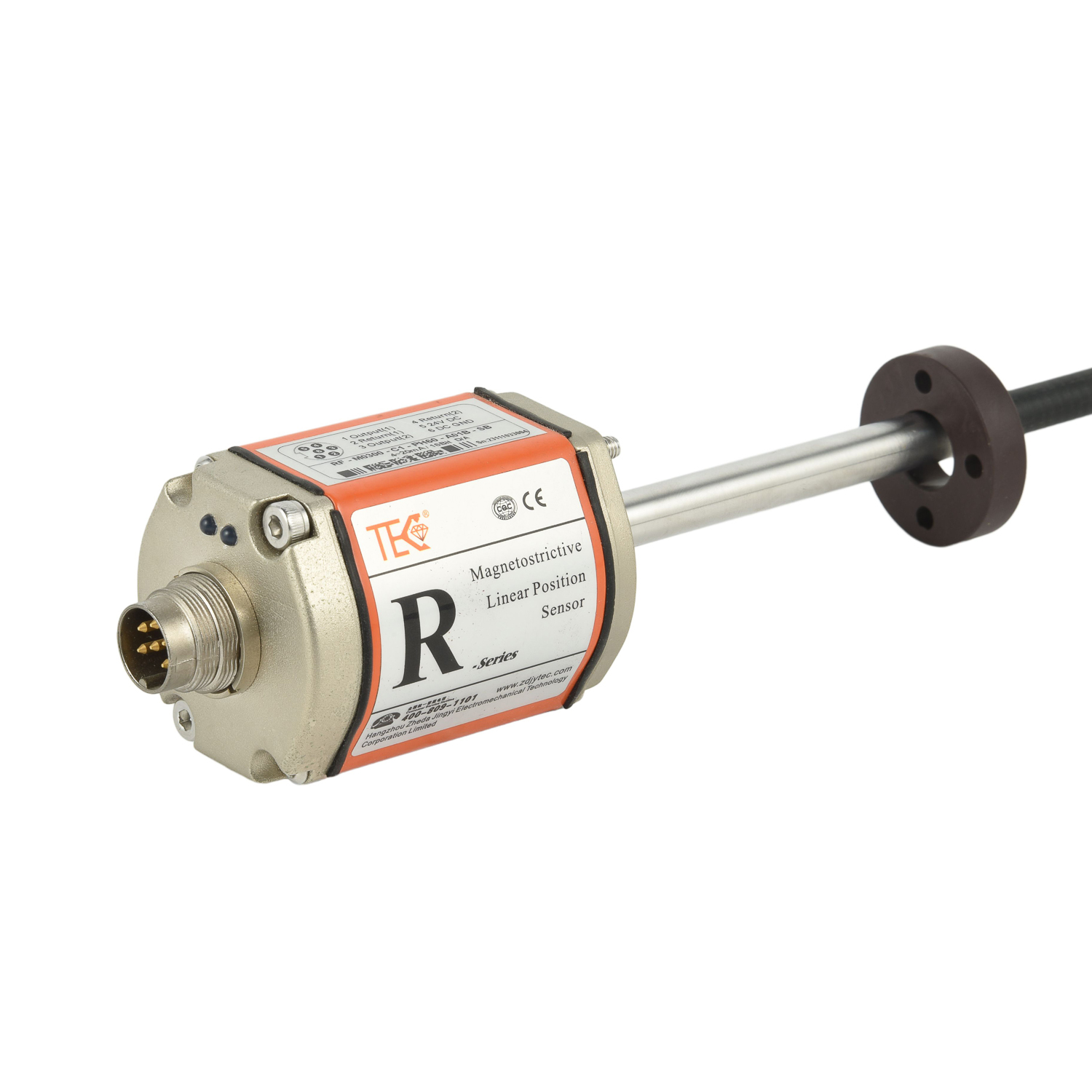 Linear Displacement Sensor for
 Linear Displacement Sensor for