
Magnetostrictive Displacement Sensor for Construction Machinery
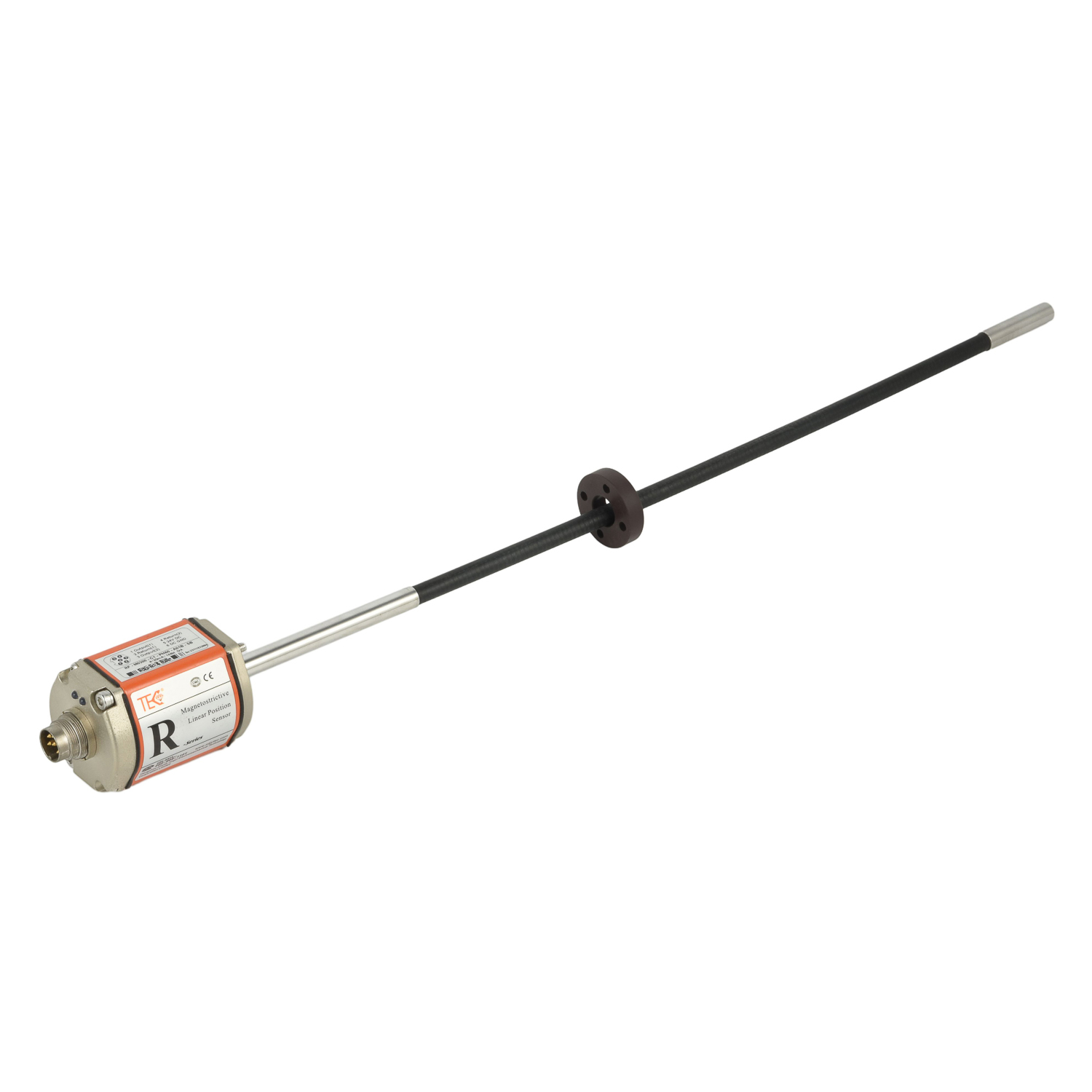
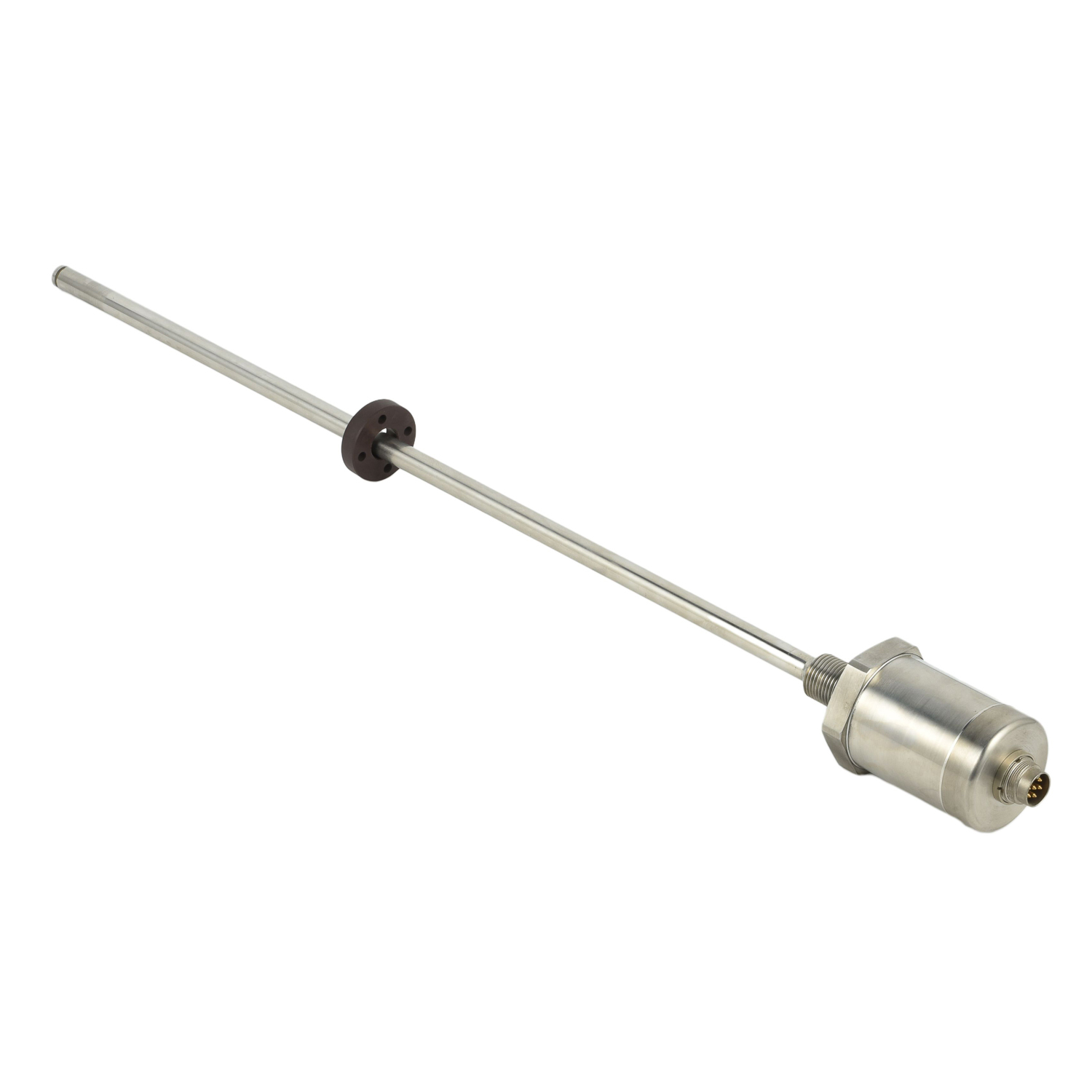
Magnetostrictive displacement sensors provide accurate, rugged position feedback for construction machinery. They measure linear movement using a movable magnet and a waveguide wire. A current pulse travels along the waveguide, interacts with the magnet, and creates a torsional strain wave. By measuring the wave's time of flight, the sensor calculates precise position. This non-contact design eliminates wear, making it ideal for hydraulic cylinders on excavators, cranes, loaders, and pavers.
In heavy equipment, reliable hydraulic control is essential. These sensors monitor boom, bucket, outrigger, and steering cylinder positions in real time. They support automatic leveling, grading accuracy, attachment control, overload protection, and end-of-stroke damping. Analog, CANbus, and SSI outputs allow easy integration with mobile controllers and telematics.
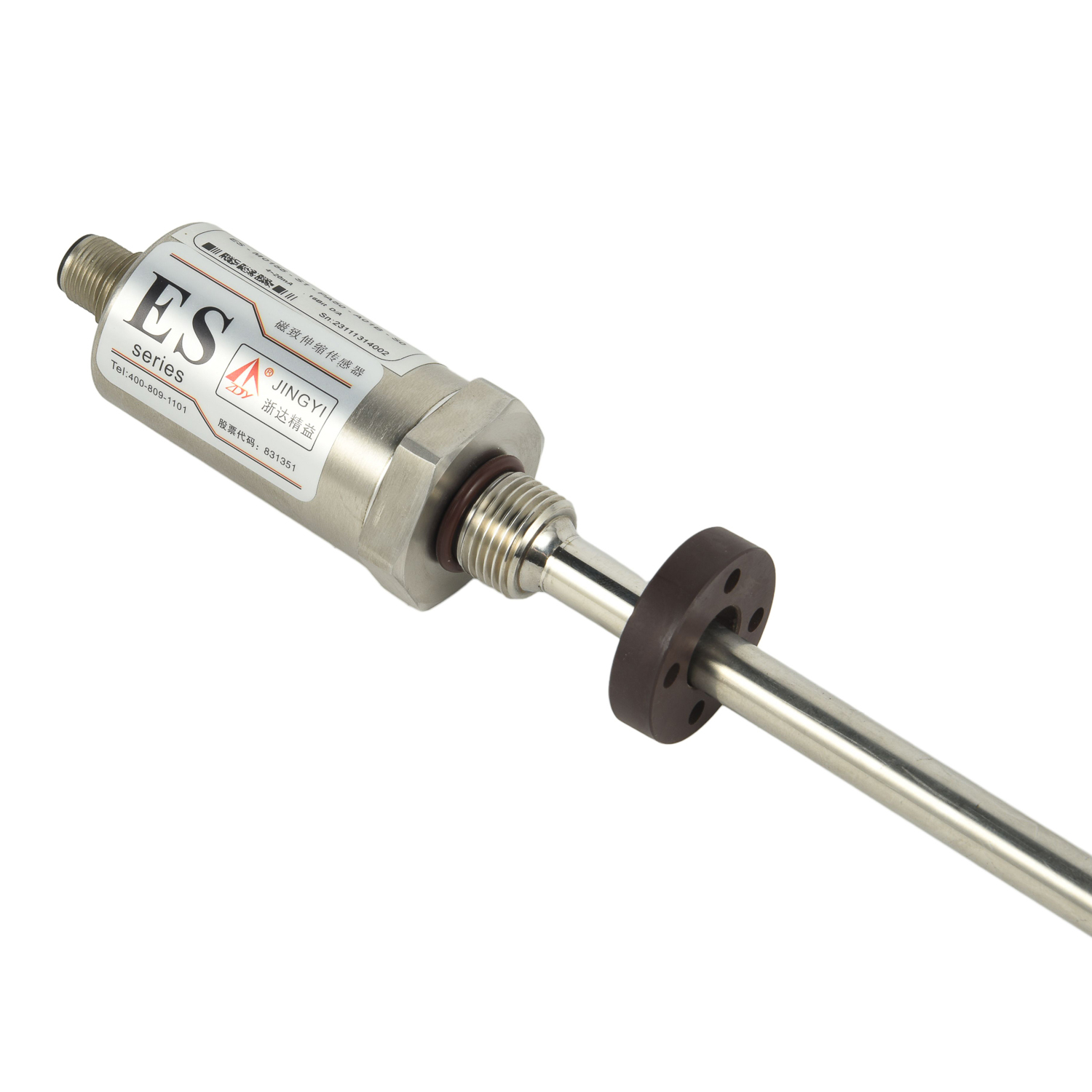
Key advantages include high resolution, repeatability, shock and vibration resistance, and IP67 or IP69K sealing. Many models operate from -40 C to 85 C and withstand pressures up to 350 bar when mounted inside a cylinder. Stainless steel rods and sealed connectors resist dust, mud, water, and oil. With no wearing parts, maintenance is low and uptime improves.
When choosing a sensor, consider stroke length, output signal, pressure rating, mounting style. In cylinder integration, the magnet is usually fixed to the piston while the sensor rod mounts in the cylinder head. Correct alignment and cable shielding ensure stable performance.
 LVDT Displacement Sensor for I
 LVDT Displacement Sensor for C
 LVDT Displacement Sensor for P
 LVDT Displacement Sensor for P