
Magnetostrictive Displacement Sensor for Metallurgy
Metallurgy is demanding. Heat, dust, vibration, and heavy machinery make accurate position feedback difficult. Magnetostrictive displacement sensors provide reliable linear measurement in steel mills, foundries, and rolling lines.
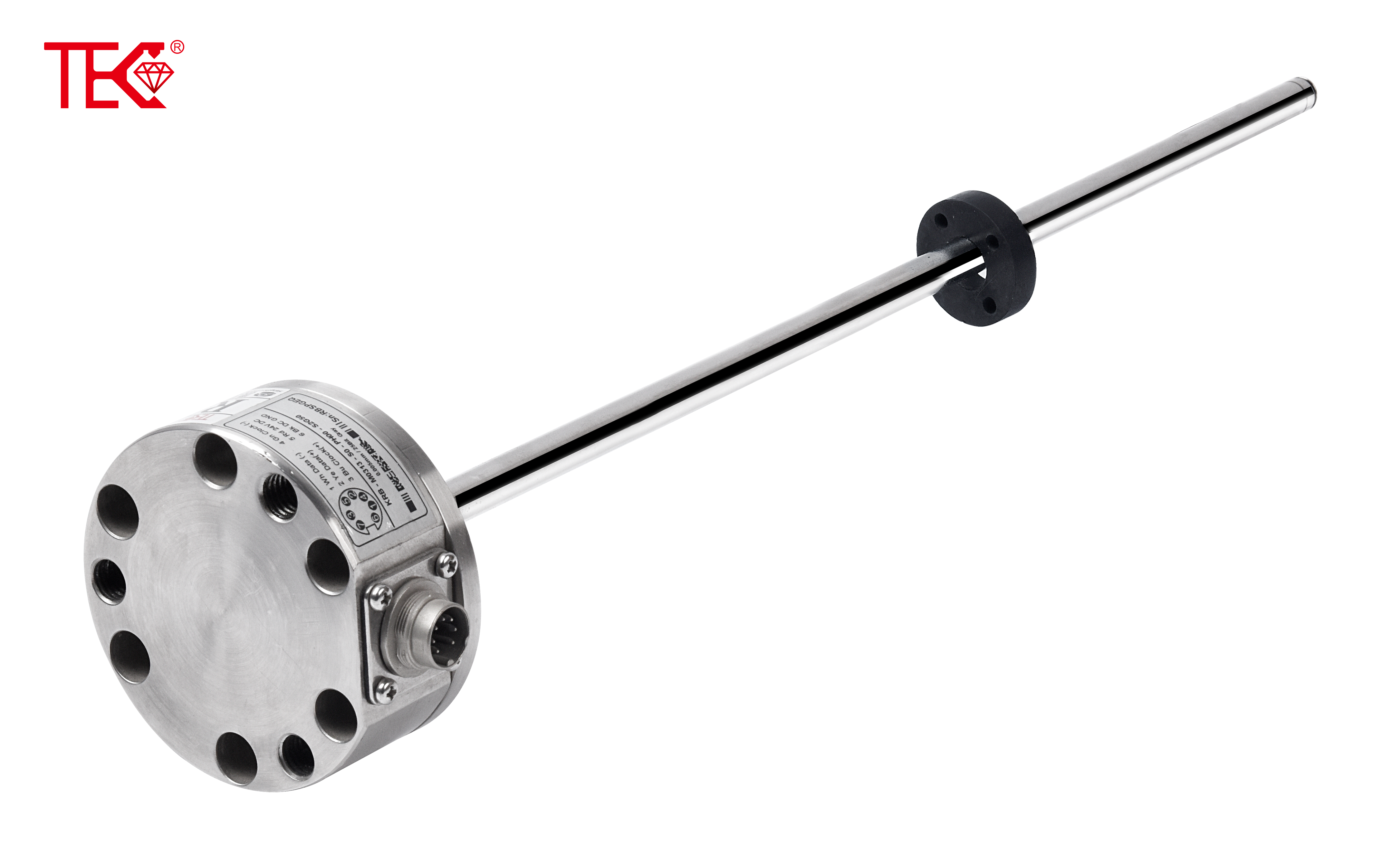
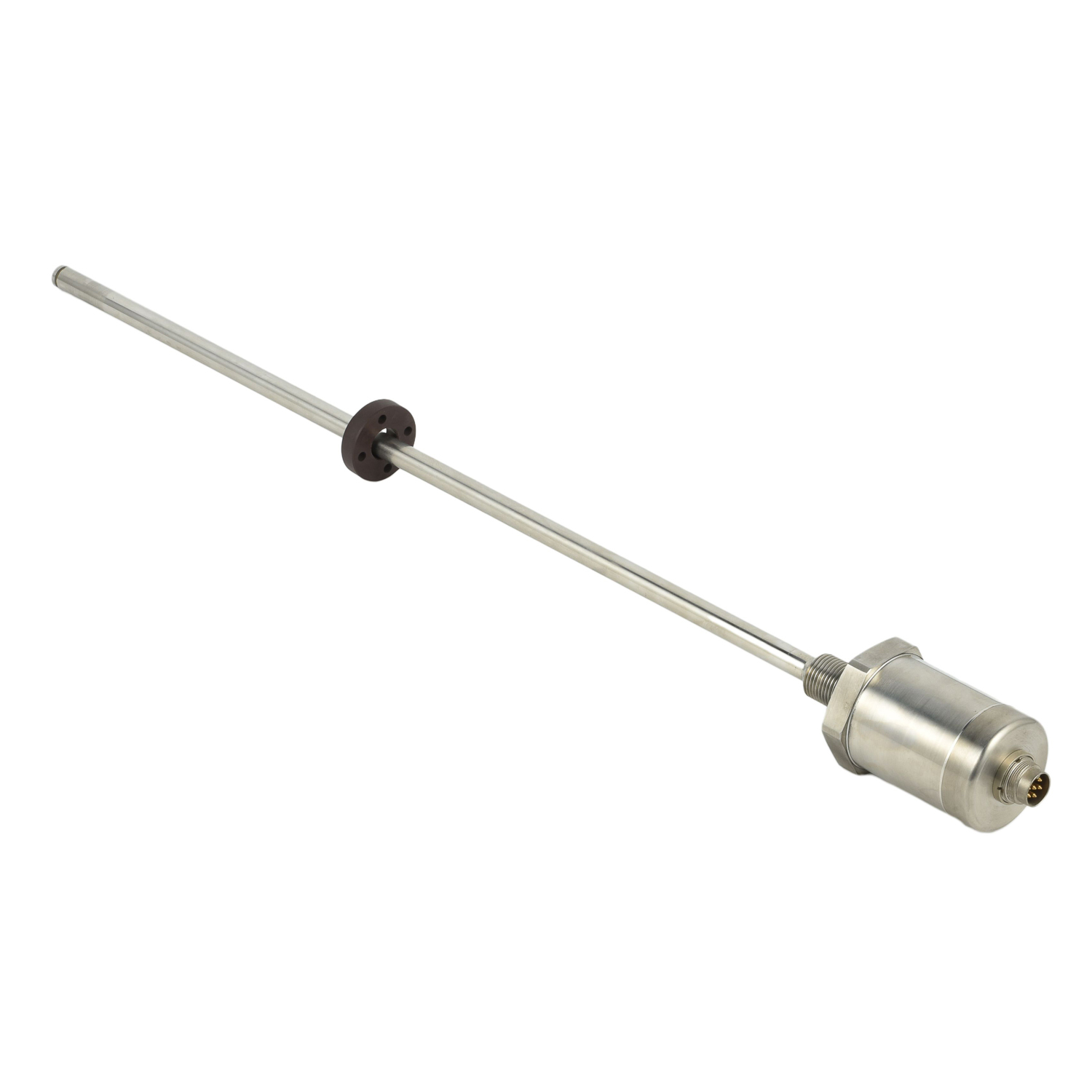
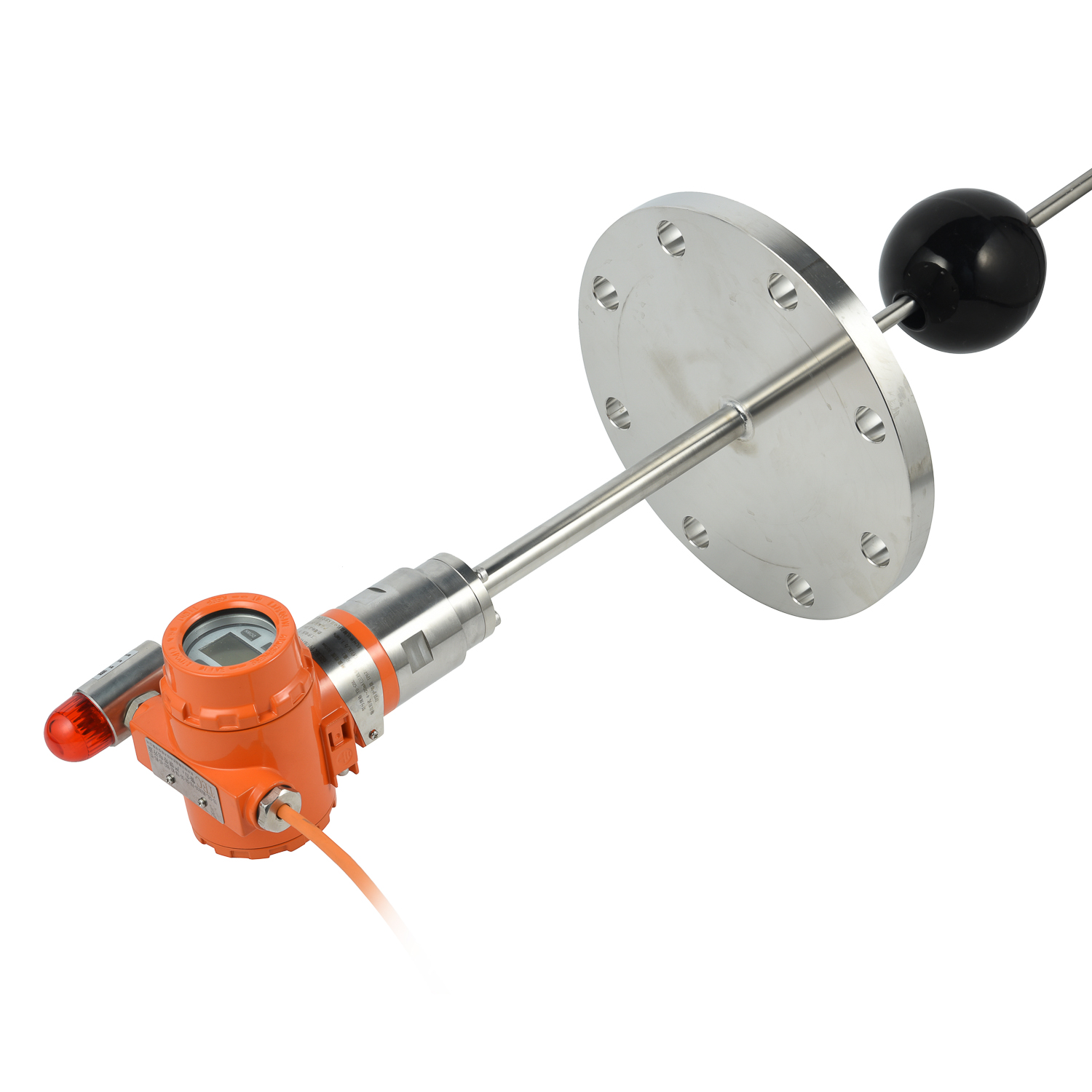
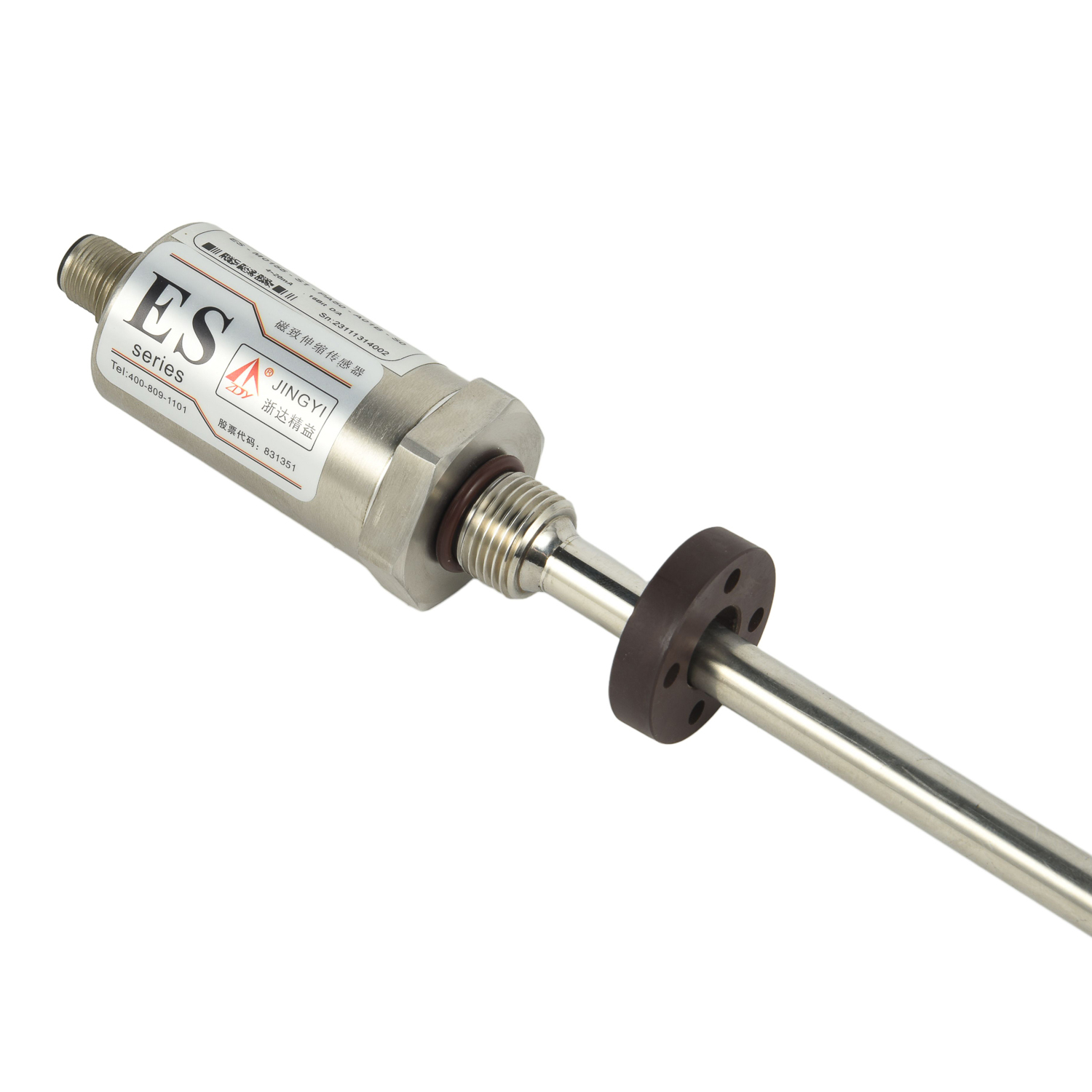
A magnetostrictive sensor uses a waveguide, a movable magnet, and an electronic head. A current pulse creates a magnetic field. When it meets the position magnet, it generates a torsional strain pulse. The sensor measures travel time to calculate absolute position.
In metallurgy, these sensors support continuous casting, mold level control, roll gap adjustment, hydraulic cylinder positioning, furnace door control, and electrode positioning in electric arc furnaces. They maintain strip thickness, improve surface quality, and reduce scrap. Absolute output avoids re-homing after power loss, increasing safety and shortening restart time.
Key advantages include high resolution, long stroke capability, shock and vibration resistance, and stable performance under electromagnetic interference. Stainless steel housings, IP67 or IP69K protection, and high-temperature versions suit harsh plants. Common outputs include analog, SSI, CANopen, PROFIBUS, and IO-Link.
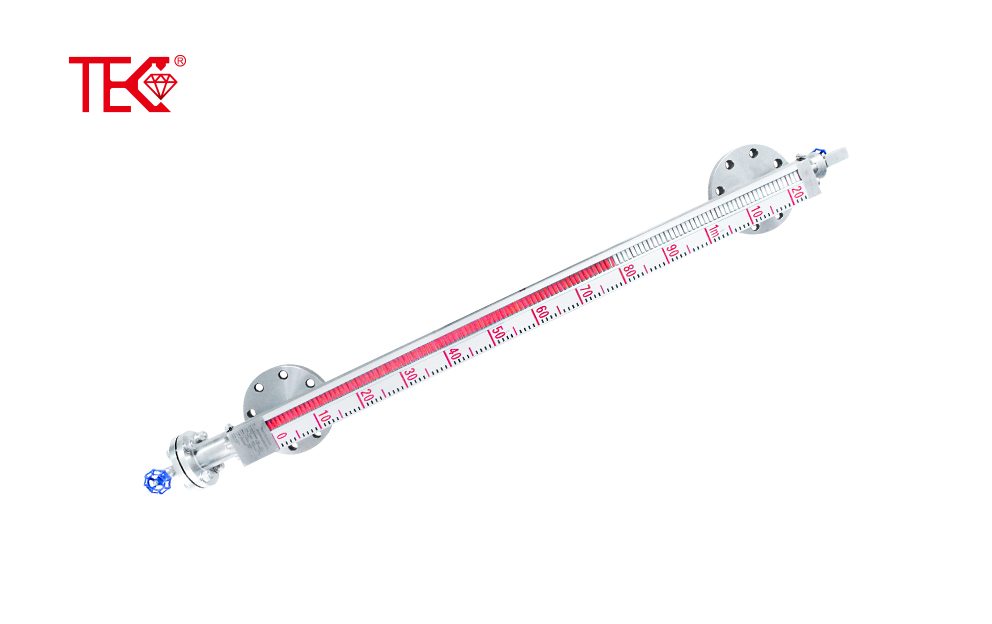
For best results, mount sensors away from intense heat, protect cables, and use proper shielding. Inspect the magnet and connector regularly. With proper selection, magnetostrictive displacement sensors improve automation, reduce downtime, deliver dependable measurement for modern metallurgical production.
 LVDT Displacement Sensor for O
 LVDT Displacement Sensor for S
 LVDT Displacement Sensor for B
 LVDT Displacement Sensor for H