
Magnetostrictive Displacement Sensor for Mining
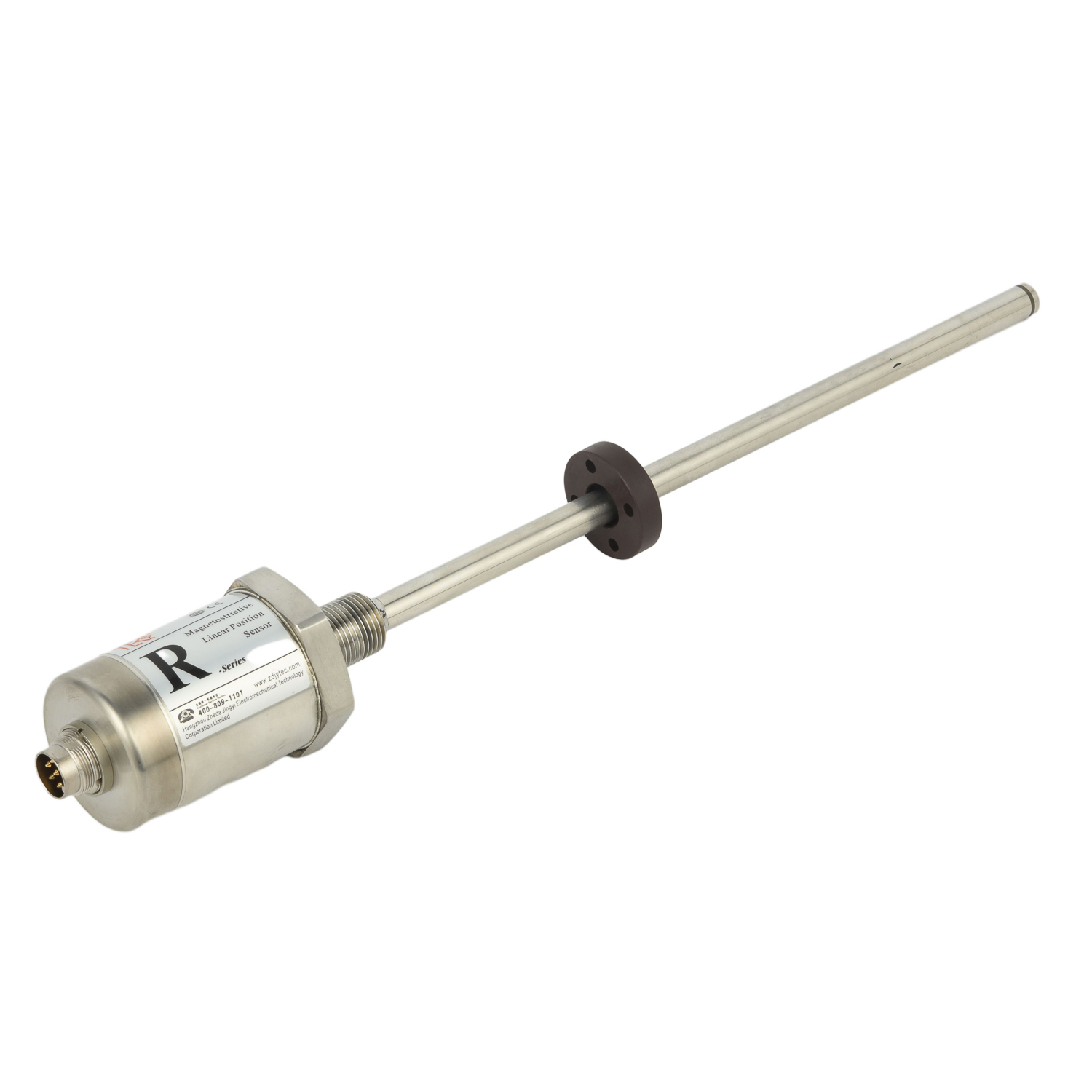
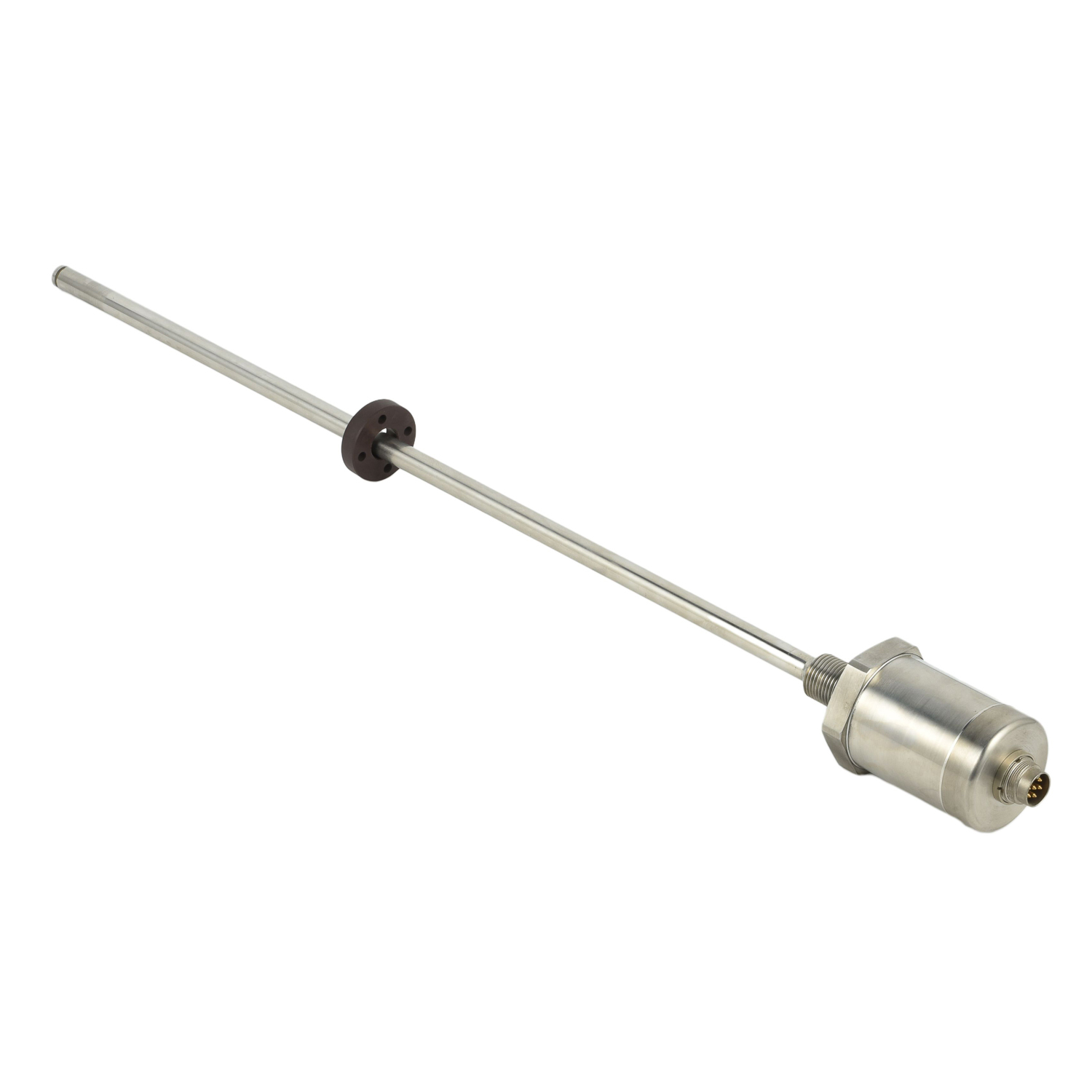
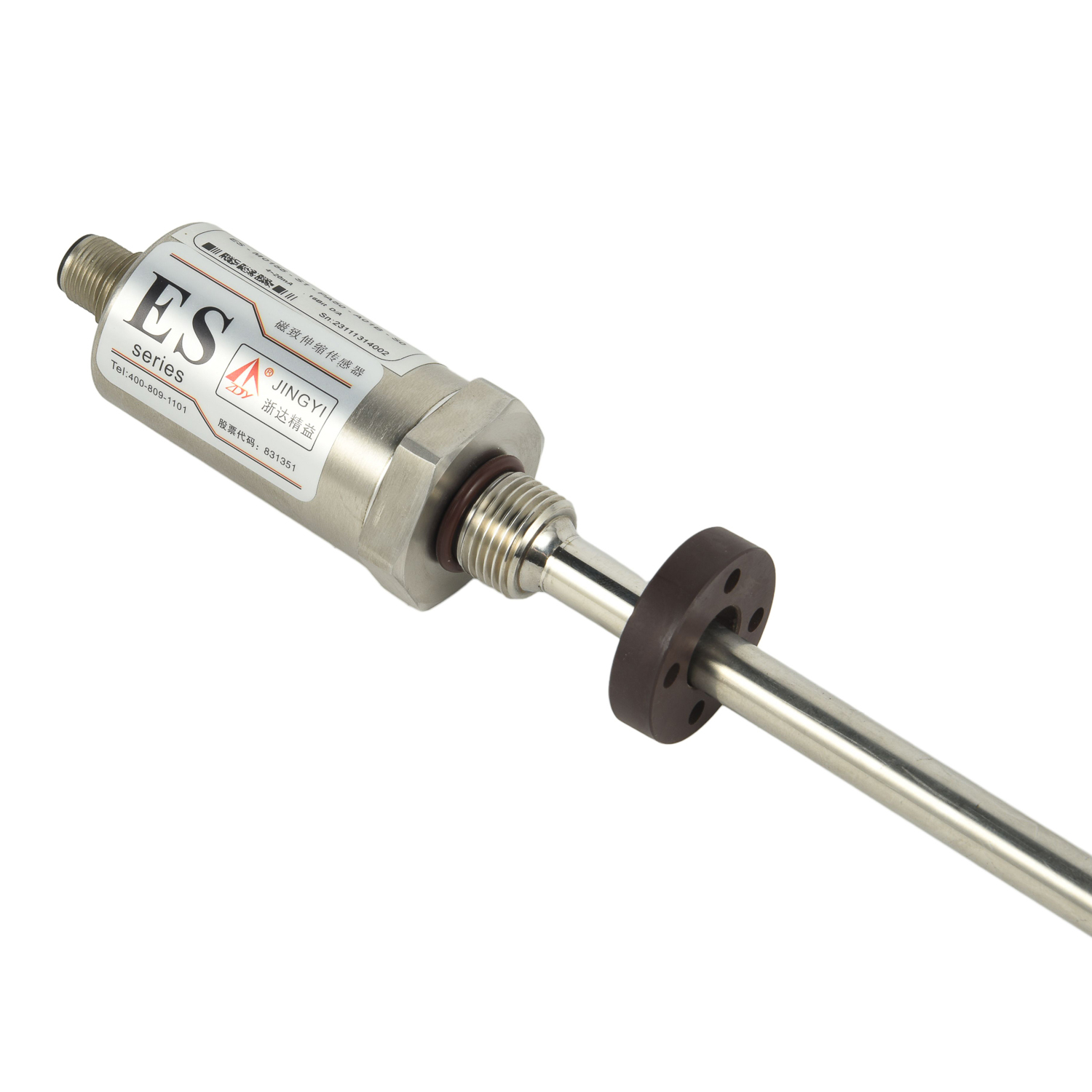
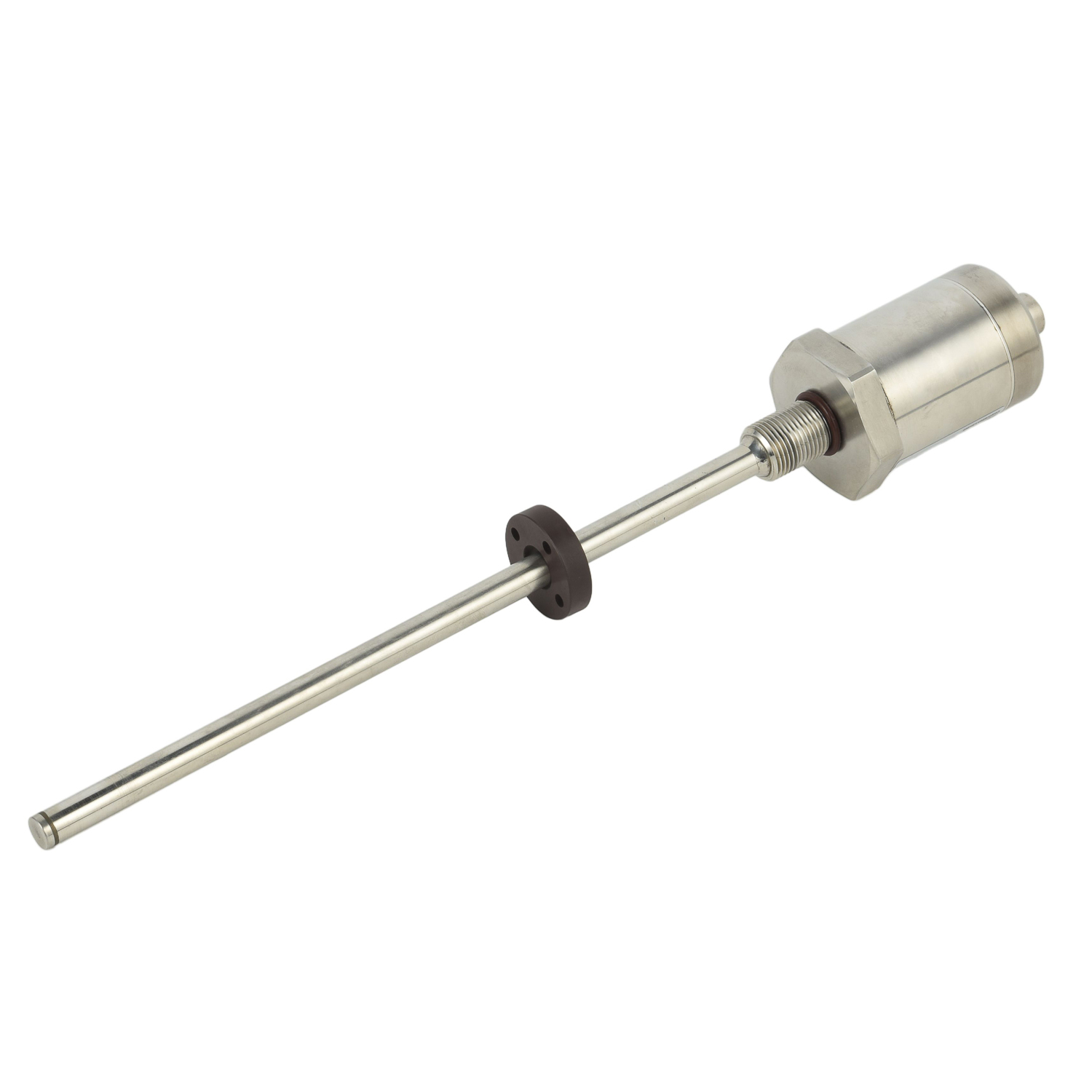
Magnetostrictive displacement sensors are vital in mining, where dust, moisture, vibration, shock, and extreme temperatures are common. Unlike optical or resistive devices, a magnetostrictive sensor uses a waveguide and a movable magnet. A current pulse creates a torsional strain wave, and its return time indicates position. This gives absolute, repeatable measurement without contact wear.
In underground and surface mining, these sensors provide reliable feedback for hydraulic roof supports, shearer drums, boom and bucket cylinders, drilling feeds, crushers, and conveyor tensioners. They help maintain precise cutting height, prevent overload, and improve operator safety. Rugged and low-maintenance, they reduce downtime in remote pits and tunnels.
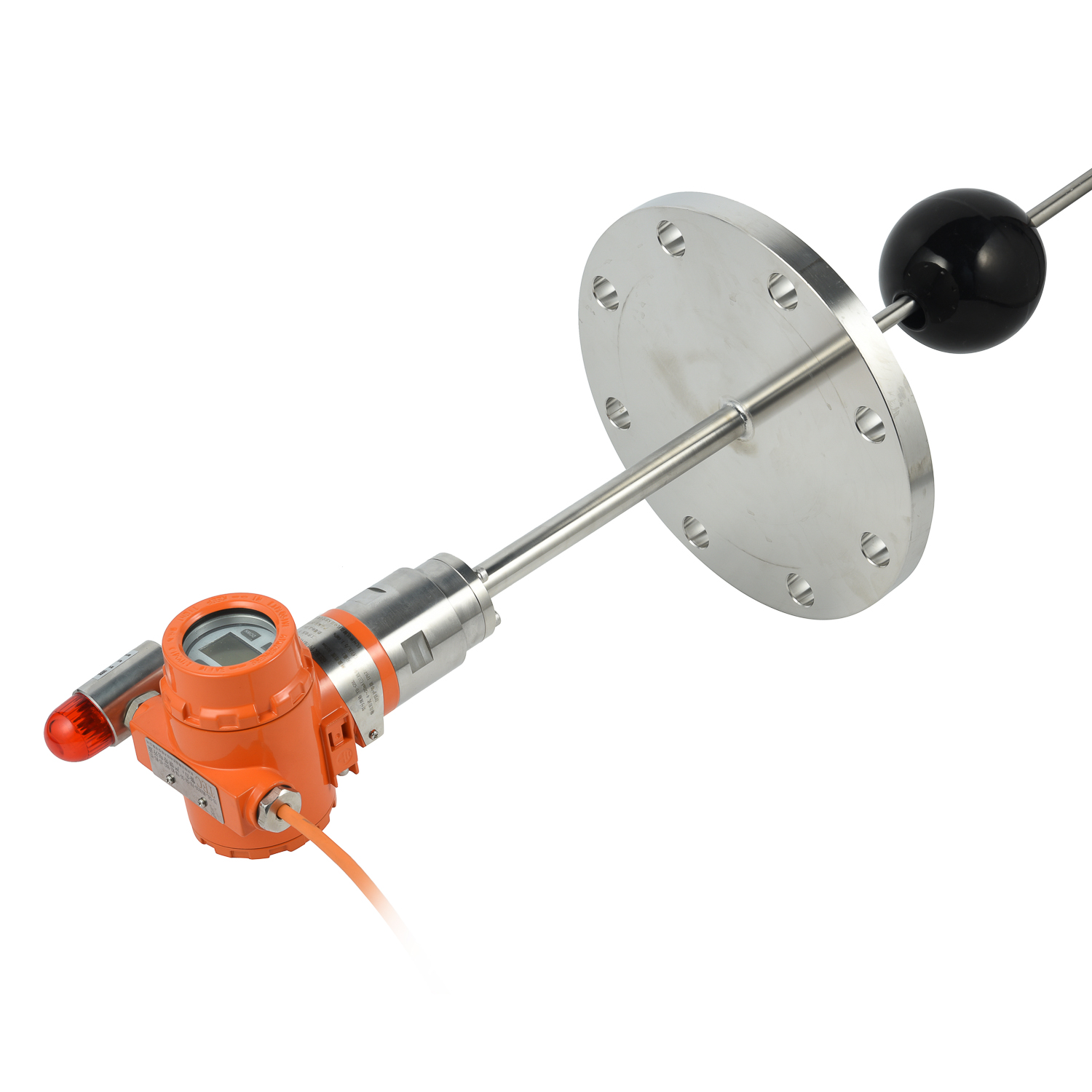
Choosing the right model matters. Look for high shock and vibration ratings, IP67 or IP68 sealing, pressure-resistant housings, wide temperature range, and stable output such as 4-20 mA, 0-10 V, SSI, CANopen, or Profibus. Explosion-proof versions may be required in gassy mines. Proper mounting, grounding, cable protection, and EMI shielding are critical.
Routine checks of connectors, rods, and cables extend service life. Integrated with smart mining systems, magnetostrictive sensors support real-time monitoring, predictive maintenance, and automation. They deliver accurate position data where conventional sensors fail, making them dependable for modern mining equipment. Regular checks and correct wiring always improve reliability.
 LVDT Displacement Sensor for S
 LVDT Displacement Sensor for B
 LVDT Displacement Sensor for H
 LVDT Displacement Sensor for G