
Electromagnetic Ultrasonic Thickness Probe Selection
Selecting an electromagnetic ultrasonic thickness probe is critical for reliable EMAT measurements. Unlike conventional ultrasonic testing, EMAT probes generate and receive waves through electromagnetic coupling, so they work without couplant and can inspect hot, rough, or moving parts. Begin with the material. Conductivity and permeability affect signal strength. Ferromagnetic steels usually give strong signals but need magnetic bias optimization. Aluminum and other non-ferrous metals need higher power or lower frequency.
Define the measurement task. For thin walls, choose higher frequency for resolution. For thick or attenuative components, use lower frequency for penetration. Coil design, magnet type, and cable matching must suit the instrument. Permanent-magnet probes are compact; electromagnet or pulsed-magnet probes allow adjustable lift-off and reduce magnetic attraction on ferrous surfaces.
Lift-off is key. EMAT probes tolerate some standoff, but excessive lift-off weakens signals. For coated or scaled surfaces, select optimized lift-off and focus. Temperature matters: standard probes may fail above 80°C, while high-temperature EMAT probes can work up to several hundred degrees. For curved pipes, choose matching curvature or a small aperture. For welds, consider focused or dual-coil designs.
Test on the actual material. Check signal-to-noise ratio, thickness accuracy, repeatability, and scan speed. The best probe balances frequency, magnet, coil, lift-off, temperature rating, and geometry.
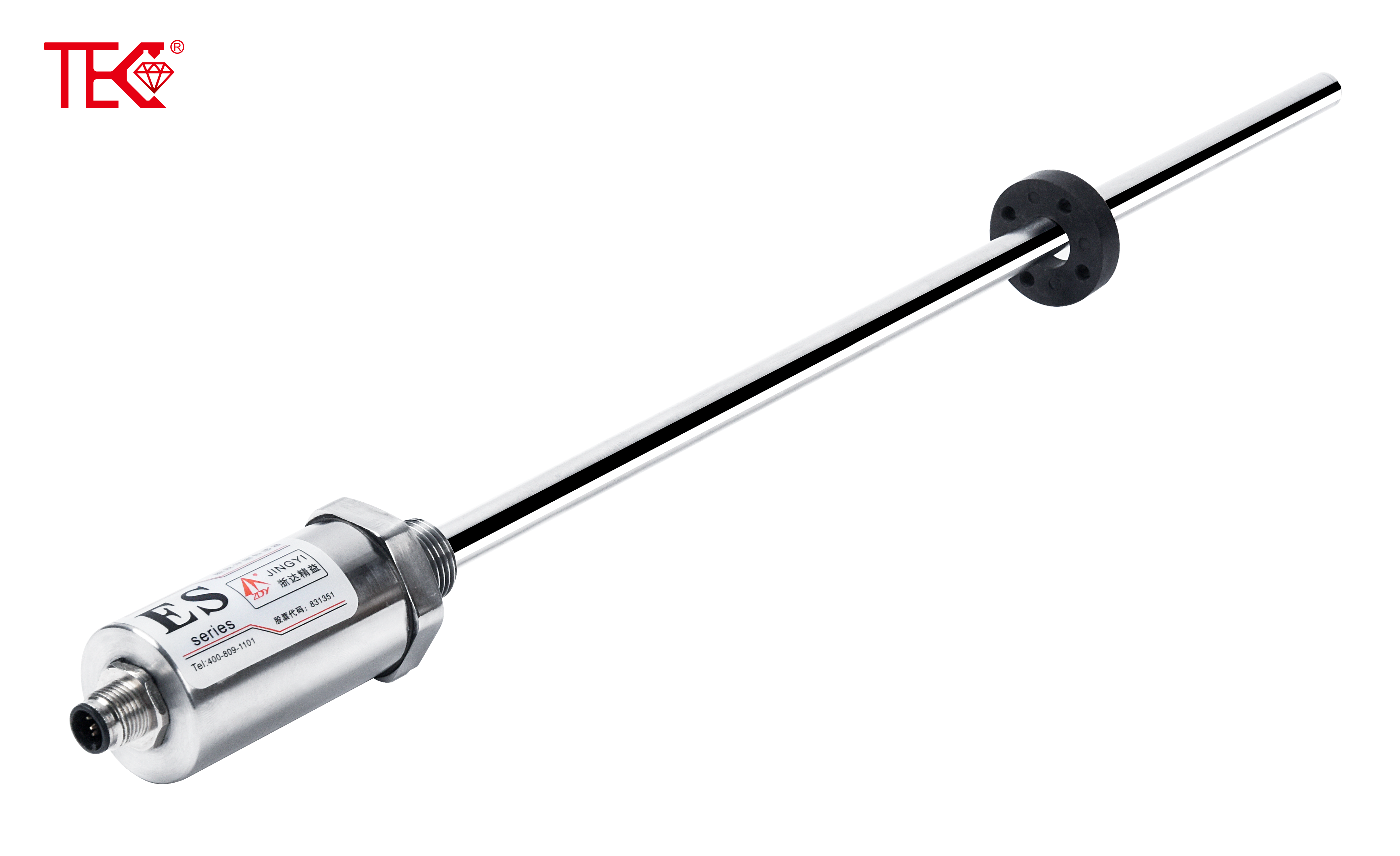
 LVDT Displacement Sensor for D
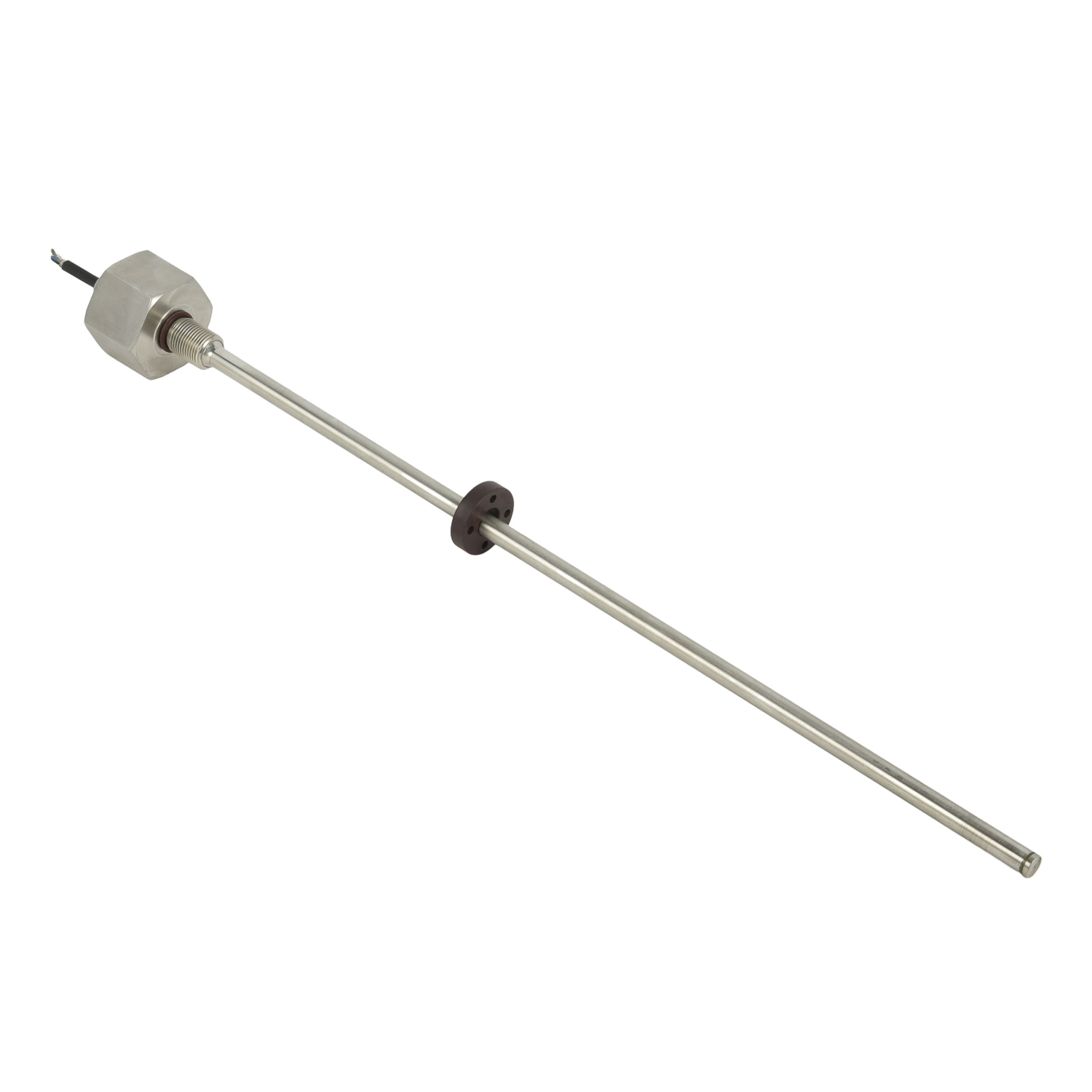 LVDT Displacement Sensor for I
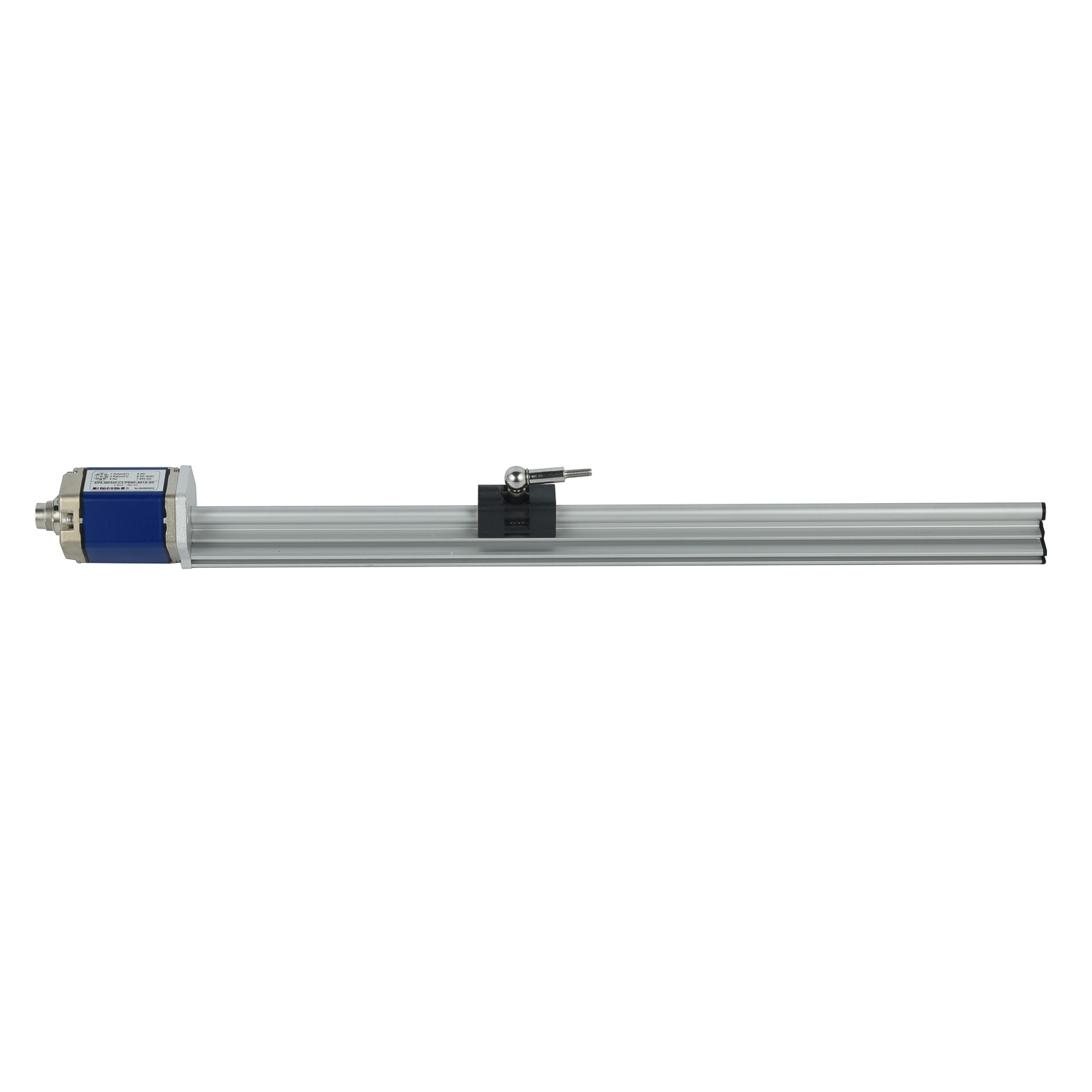 LVDT Displacement Sensor for H
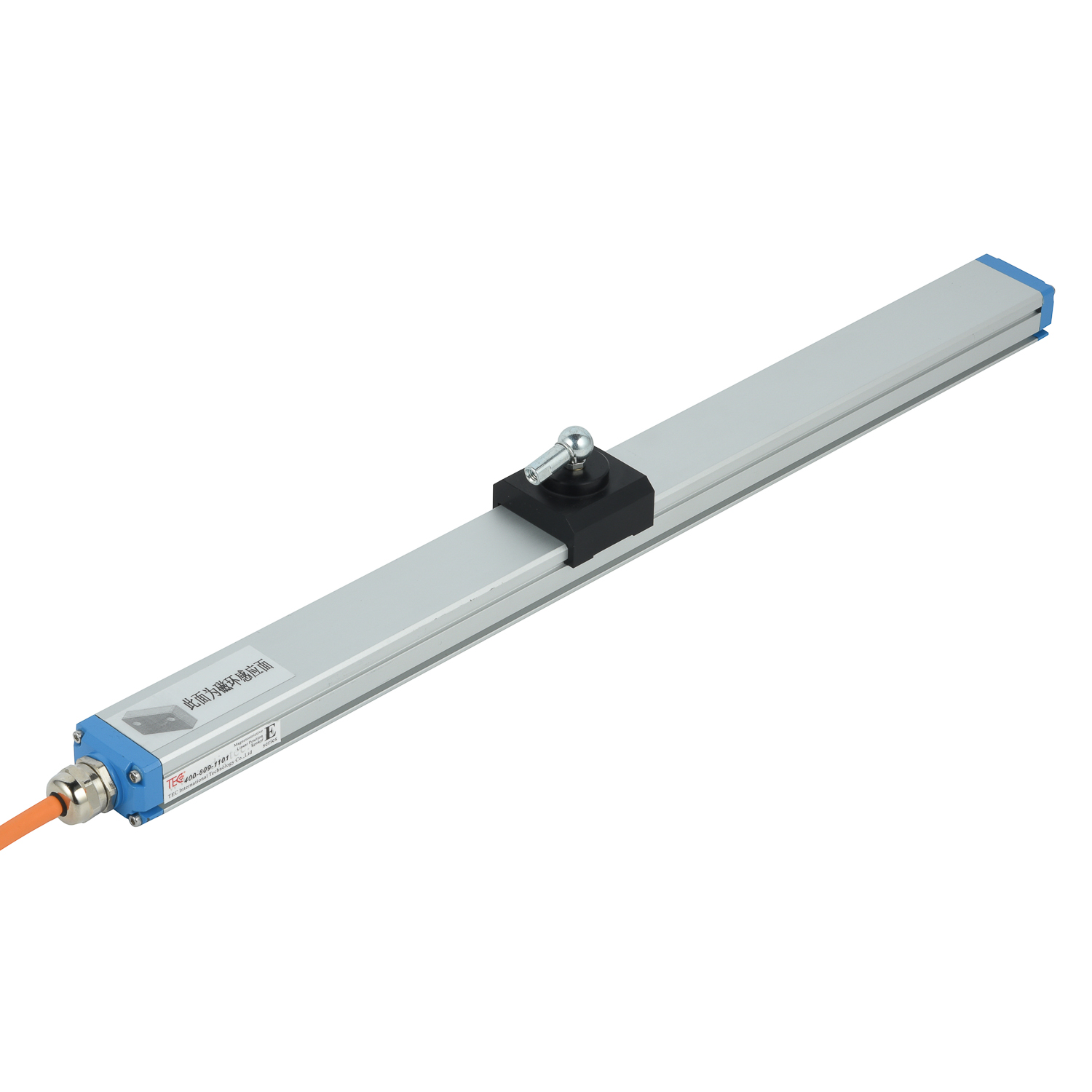 LVDT Displacement Sensor for G