
Domestic Electromagnetic Ultrasonic Thickness Probe
Domestic electromagnetic ultrasonic thickness probes are becoming a practical choice for industrial thickness measurement. Unlike conventional ultrasonic probes, an electromagnetic ultrasonic thickness probe uses electromagnetic acoustic transducers (EMATs) to generate and receive ultrasonic waves. This non-contact method reduces dependence on couplant and allows inspection through coatings, rust, or high-temperature surfaces. For domestic manufacturers, recent progress in coil design, magnet structure, and signal processing has improved sensitivity, stability, and repeatability. The probe can measure wall thickness of steel plates, pipes, pressure vessels, and storage tanks, especially in harsh environments. It works well for online inspection, corrosion monitoring, and quality control. It supports automated scanning and data logging, which helps reduce human error and improves traceability. Key advantages include no coupling agent, strong adaptability, and lower maintenance. However, users should match probe frequency, coil type, and magnet configuration to the material and thickness range. Proper calibration with reference blocks ensures accurate readings. With continued innovation, domestic electromagnetic ultrasonic thickness probes offer a cost-effective alternative to imported models while supporting safer and smarter industrial inspection. For buyers, selecting a domestic electromagnetic ultrasonic thickness probe can shorten lead times and reduce costs without sacrificing performance.
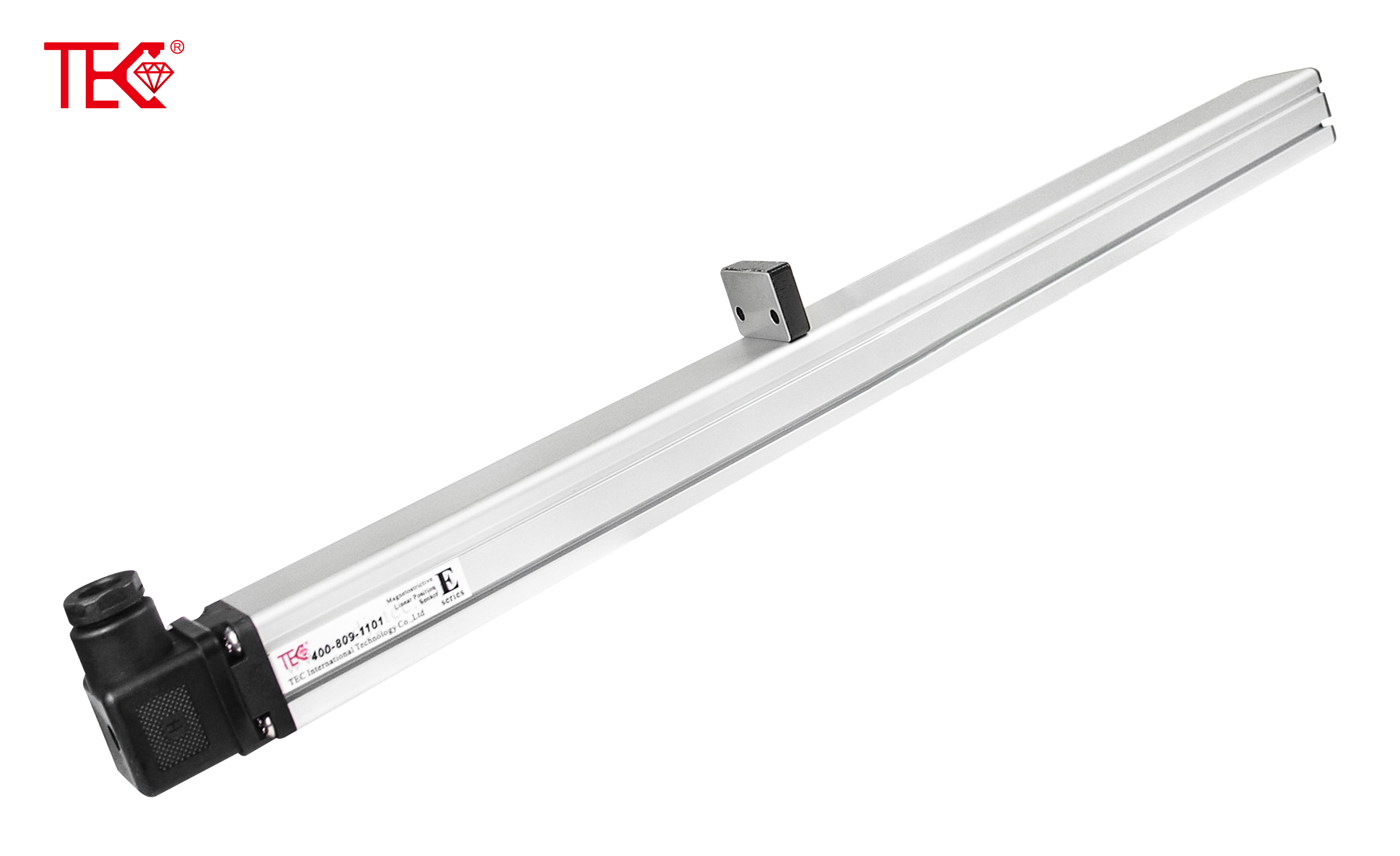
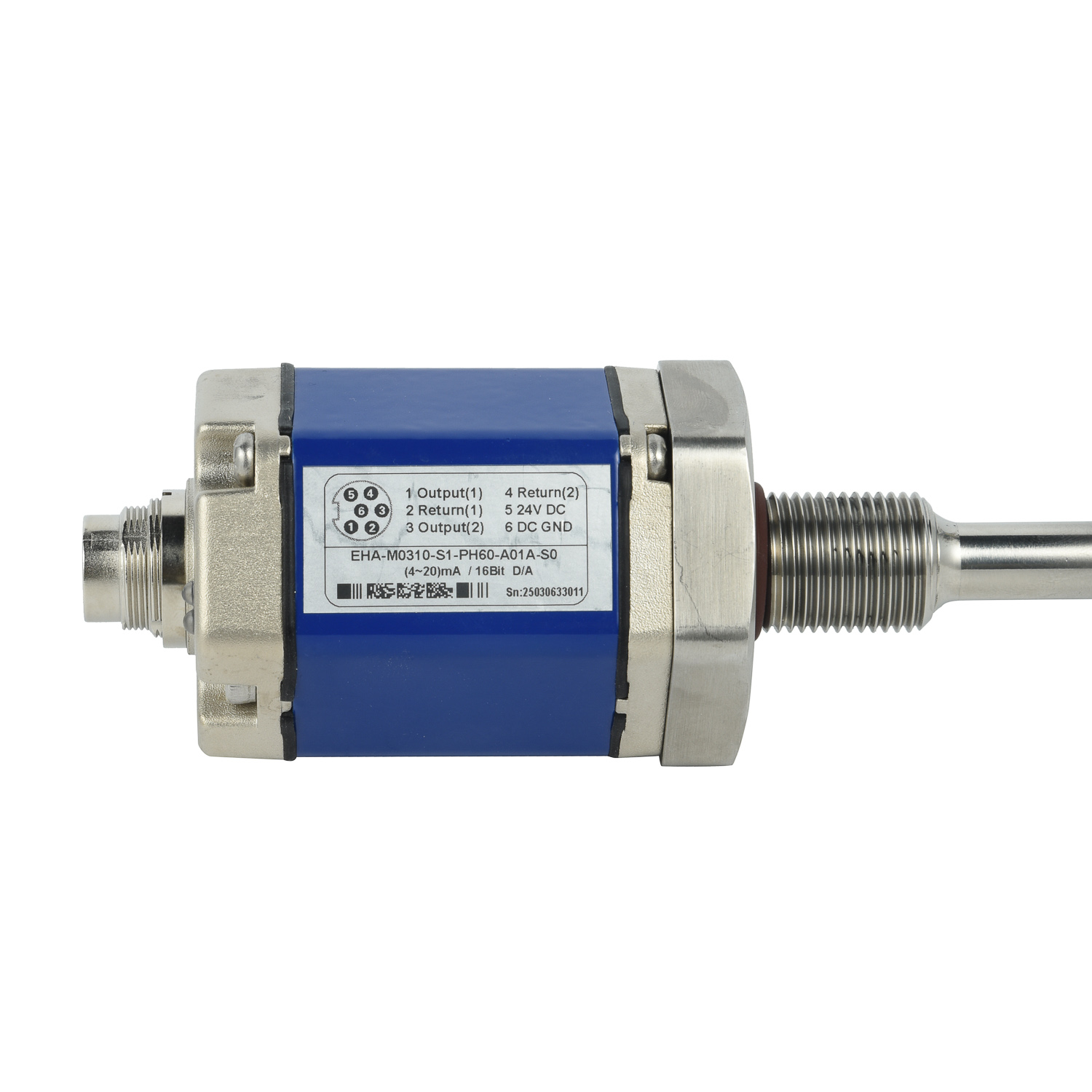 Explosion-proof LVDT Displacem
 LVDT Displacement Sensor for D
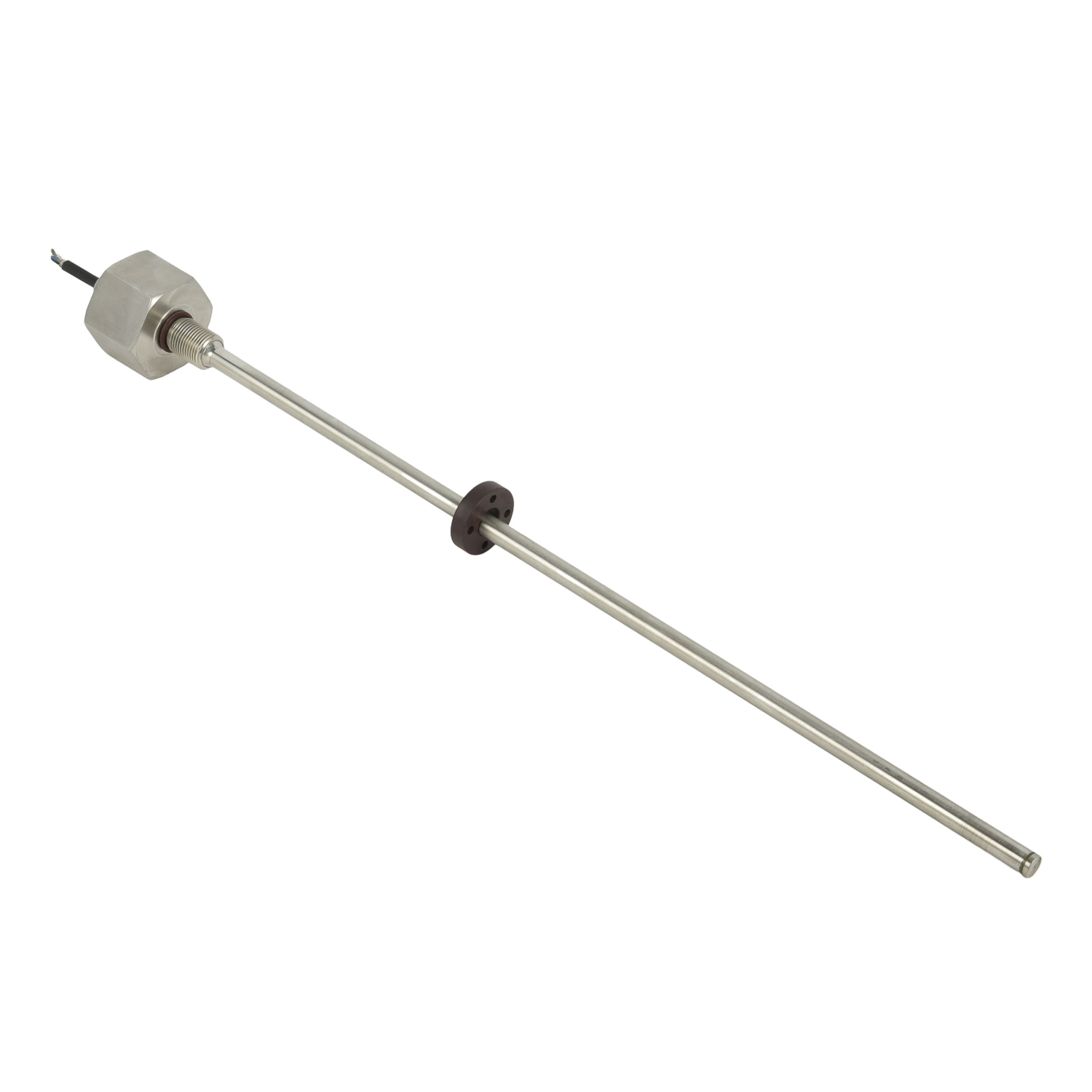 LVDT Displacement Sensor for I
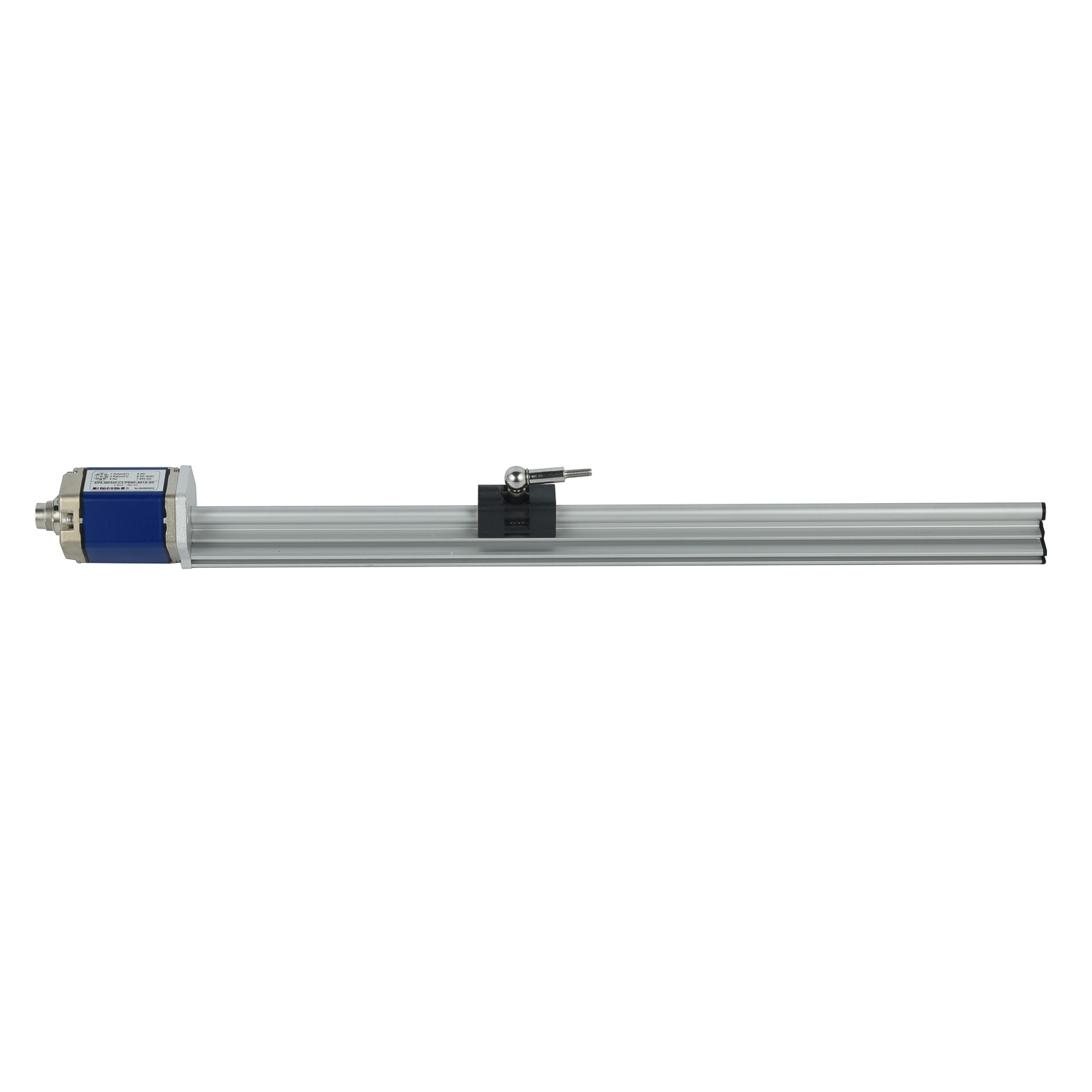 LVDT Displacement Sensor for H